O transporte público se tornou um novo local de perigo oculto para a nova infecção por pneumonia coronária, e o risco de transmissão é alto. Houve muitos casos de transmissão e doenças causadas por transporte de ônibus, táxi e metrô. Durante o período de prevenção e controle de epidemias, além de fortalecer a gestão de prevenção e controle de epidemias no campo do transporte (como espaçamento de assentos, redução de vendas de passagens, etc.) e reduzir o risco de transmissão do vírus no transporte público, dirigir se tornou a forma mais segura de viajar.
Mas é realmente infalível viajar de carro?
Na verdade, embora dirigir um carro particular possa efetivamente reduzir a probabilidade de contato com pacientes com nova pneumonia coronária em comparação com metrôs e ônibus, mas como o carro em si é um ambiente fechado, uma vez que o passageiro tenha uma pessoa infectada, você pode ser infectado. O sexo também aumenta muito. Portanto, embora dirigir seja o meio de transporte mais seguro até certo ponto, não devemos ignorar as medidas de proteção necessárias ao dirigir um veículo. Além das medidas de segurança mencionadas aqui, ainda temos que reduzir o contato próximo e continuar usando máscaras. Como resolver o problema de aumentar a probabilidade de transmissão aérea do vírus em um ambiente de carro fechado da fonte vale mais a pena explorar, porque isso não ocorre apenas durante a epidemia. Precisamos considerar medidas de segurança. Fora da epidemia, a qualidade do ar interno dos carros também está intimamente relacionada à nossa saúde e conforto.
How to improve the air quality in the car? In-car air quality has always been the focus of consumers’ attention. The new car quality research (IQS) report of the world’s authoritative research organization J.D. Power shows that car interior odor has become the first dissatisfaction in the Chinese market for many years. The main factors affecting air safety in the car are: 1. Air pollution outside the car. Car exhaust, PM2.5, pollen and other harmful suspended particles sneak into the car through the car window or air conditioning system. 2. Interior materials. There are a large number of non-metallic parts that are easy to volatilize in the car, such as plastic door panels, leather seats, and damping panels. There are 8 common volatile organic compounds in vehicles, and clear limits are given for these 8 substances in the national standard GB/T 27630-2011 “Guidelines for Air Quality Evaluation of Passenger Cars”. Serial number project Restriction requirements (mg/m³)
1 benzene ≤0.11
2 Toluene ≤1.10
3 Xylene ≤1.50
4 Ethylbenzene ≤1.50
5 Styrene ≤0.26
6 formaldehyde ≤0.10
7 Acetaldehyde ≤0.05
8 Acrolein ≤0.05
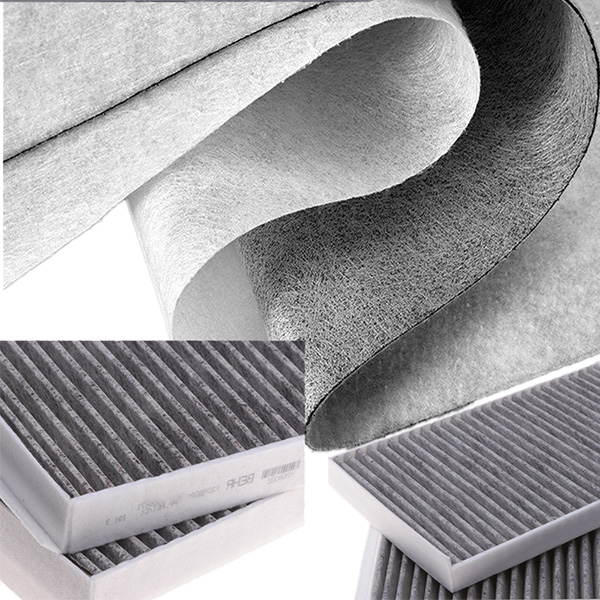
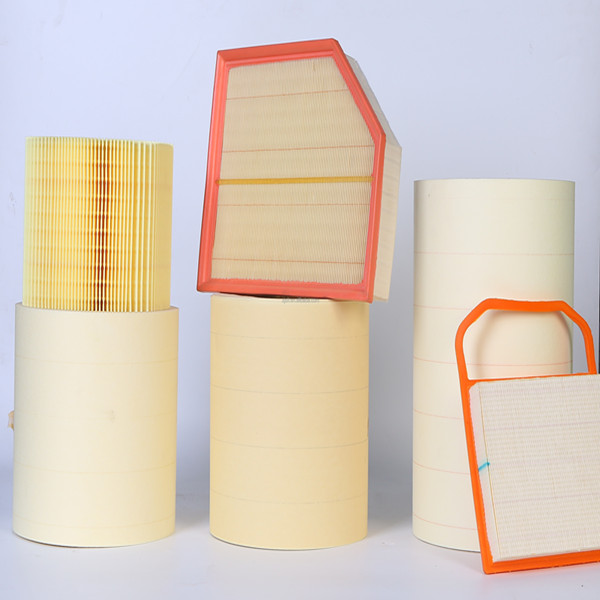
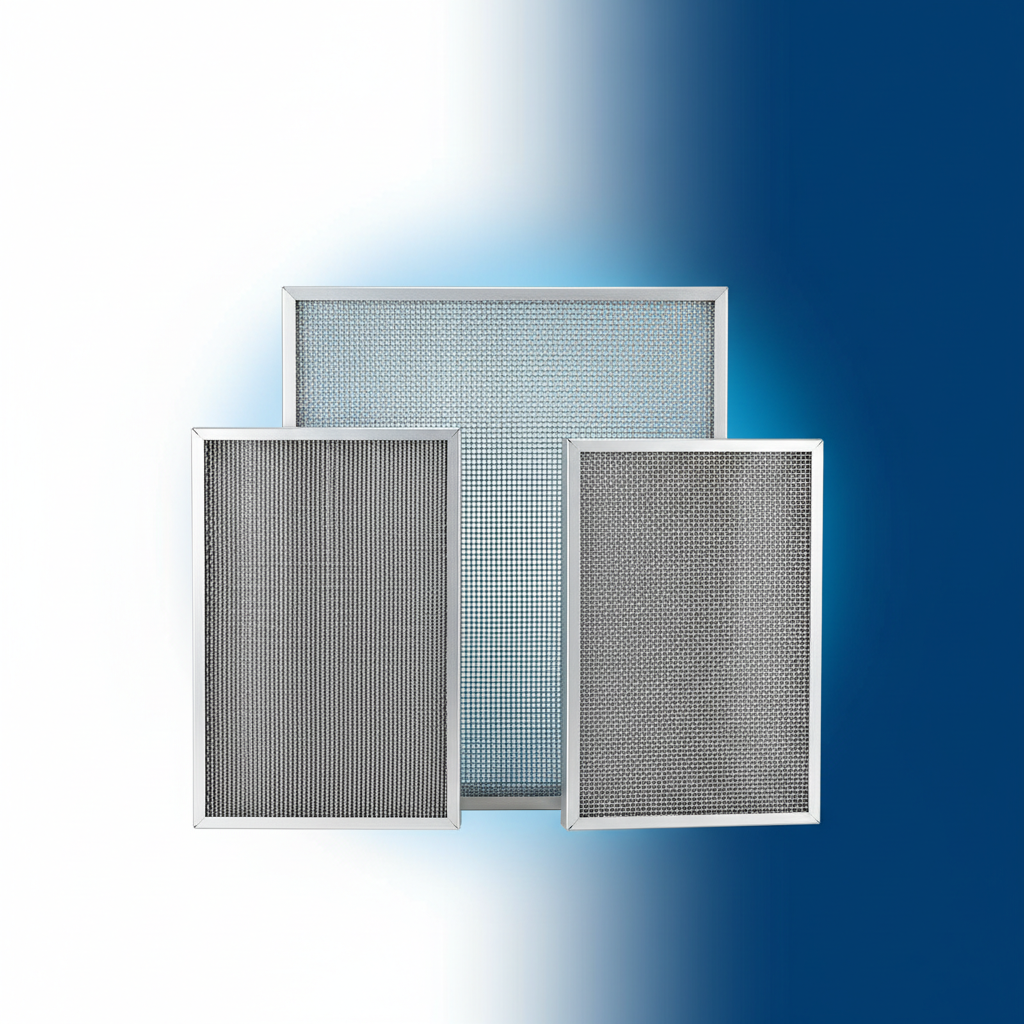
In order to solve the peculiar smell in the car and improve the air safety in the car, it is necessary to increase the cycle purification link in the closed car environment, and there is no doubt that the car air conditioning filter has become an important responsibility. The car air conditioner provides the original power for the exchange of indoor and outdoor air, but in order to satisfy the purification of the indoor circulating air, the outdoor air enters the car after being filtered. The filter becomes an essential artifact for the car owner! The small body shows great power, creating a safe and reliable space in the car, allowing car owners to enjoy healthy breathing at all times. Editor’s reminder: In order to avoid secondary pollution of the car air conditioner filter, generally speaking, it should be replaced after two to three months of use (the specific replacement frequency can be considered according to the actual frequency of use)