Tá iompar poiblí anois ina shuíomh contúirte nua i bhfolach d'ionfhabhtú nua niúmóine coróin, agus tá an baol tarchurtha ard. Is iomaí cás tarchurtha agus galair de bharr iompar bus, tacsaí agus fobhealach. Le linn na tréimhse coiscthe agus rialaithe eipidéim, chomh maith le cosc eipidéim agus bainistíocht rialaithe a neartú sa réimse iompair (cosúil le spásáil suíocháin, laghdú díolacháin ticéad, etc.), agus laghdú ar an mbaol tarchurtha víreas in iompar poiblí, tá tiomáint tar éis éirí mar an modh taistil is sábháilte.
Ach an bhfuil sé thar a bheith bréagach taisteal i gcarr?
Go deimhin, cé gur féidir le tiomáint carr príobháideach laghdú éifeachtach a dhéanamh ar an dóchúlacht go mbeidh teagmháil le hothair le niúmóine corónach nua i gcomparáid le fobhealaí agus busanna, ach toisc gur timpeallacht dhúnta é an carr féin, nuair a bhíonn duine ionfhabhtaithe ag an bpaisinéir, féadfaidh tú a bheith ionfhabhtaithe. Tá méadú mór tagtha ar ghnéas freisin. Dá bhrí sin, cé gurb é an tiomáint an modh iompair is sábháilte go pointe áirithe, ní mór dúinn gan neamhaird a dhéanamh ar na bearta cosanta is gá agus muid ag tiomáint feithicle. Chomh maith leis na bearta sábháilteachta atá luaite anseo, ní mór dúinn fós dlúth-theagmháil a laghdú agus leanúint ar aghaidh ag caitheamh maisc. Is fiú iniúchadh a dhéanamh ar conas an fhadhb a réiteach maidir le dóchúlacht tarchurtha aeir an víreas a mhéadú i dtimpeallacht ghluaisteán dúnta ón bhfoinse, toisc go bhfuil sé seo ní hamháin le linn an eipidéim. Caithfimid bearta sábháilteachta a mheas. Lasmuigh den eipidéim, tá dlúthbhaint ag cáilíocht an aeir faoi dhíon na ngluaisteán lenár sláinte agus lenár gcompord freisin.
How to improve the air quality in the car? In-car air quality has always been the focus of consumers’ attention. The new car quality research (IQS) report of the world’s authoritative research organization J.D. Power shows that car interior odor has become the first dissatisfaction in the Chinese market for many years. The main factors affecting air safety in the car are: 1. Air pollution outside the car. Car exhaust, PM2.5, pollen and other harmful suspended particles sneak into the car through the car window or air conditioning system. 2. Interior materials. There are a large number of non-metallic parts that are easy to volatilize in the car, such as plastic door panels, leather seats, and damping panels. There are 8 common volatile organic compounds in vehicles, and clear limits are given for these 8 substances in the national standard GB/T 27630-2011 “Guidelines for Air Quality Evaluation of Passenger Cars”. Serial number project Restriction requirements (mg/m³)
1 benzene ≤0.11
2 Toluene ≤1.10
3 Xylene ≤1.50
4 Ethylbenzene ≤1.50
5 Styrene ≤0.26
6 formaldehyde ≤0.10
7 Acetaldehyde ≤0.05
8 Acrolein ≤0.05
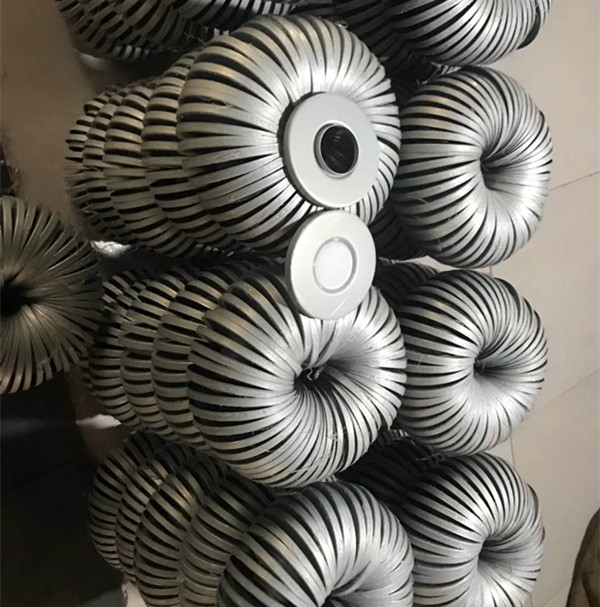
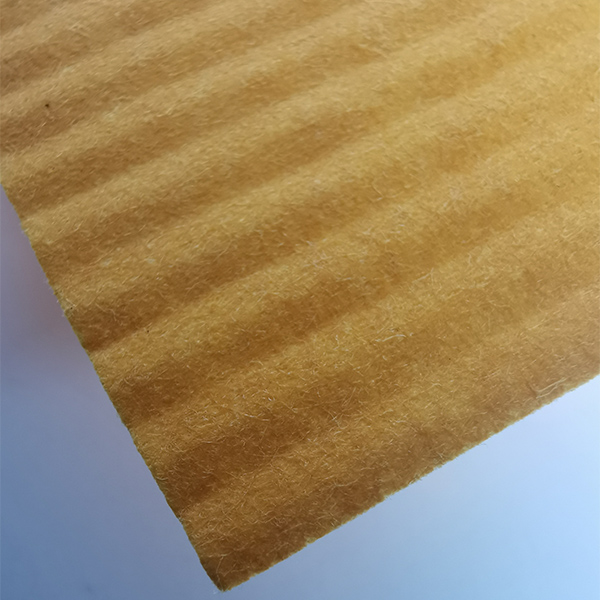
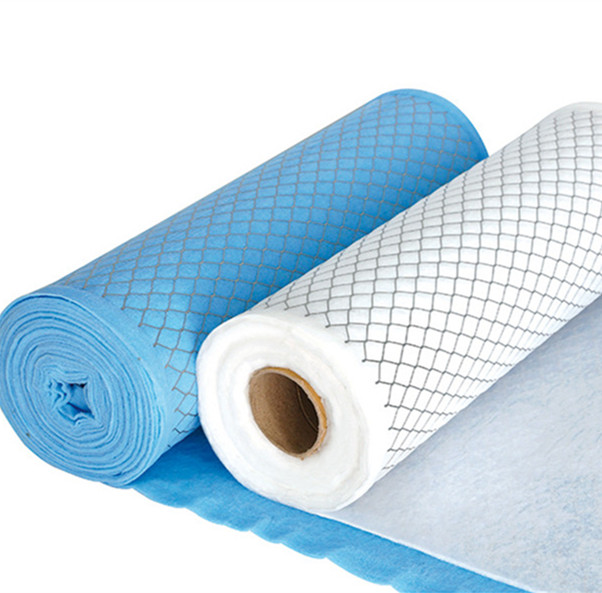
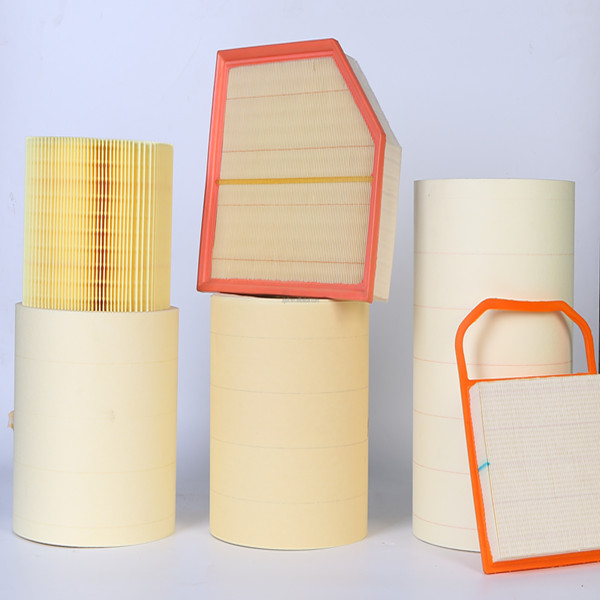
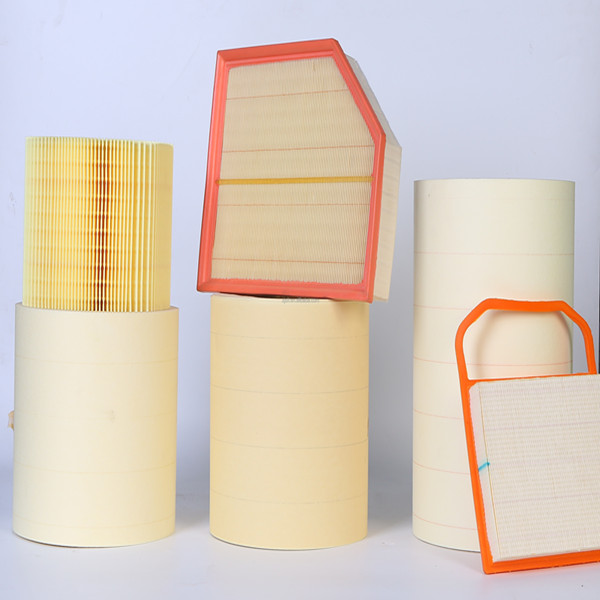
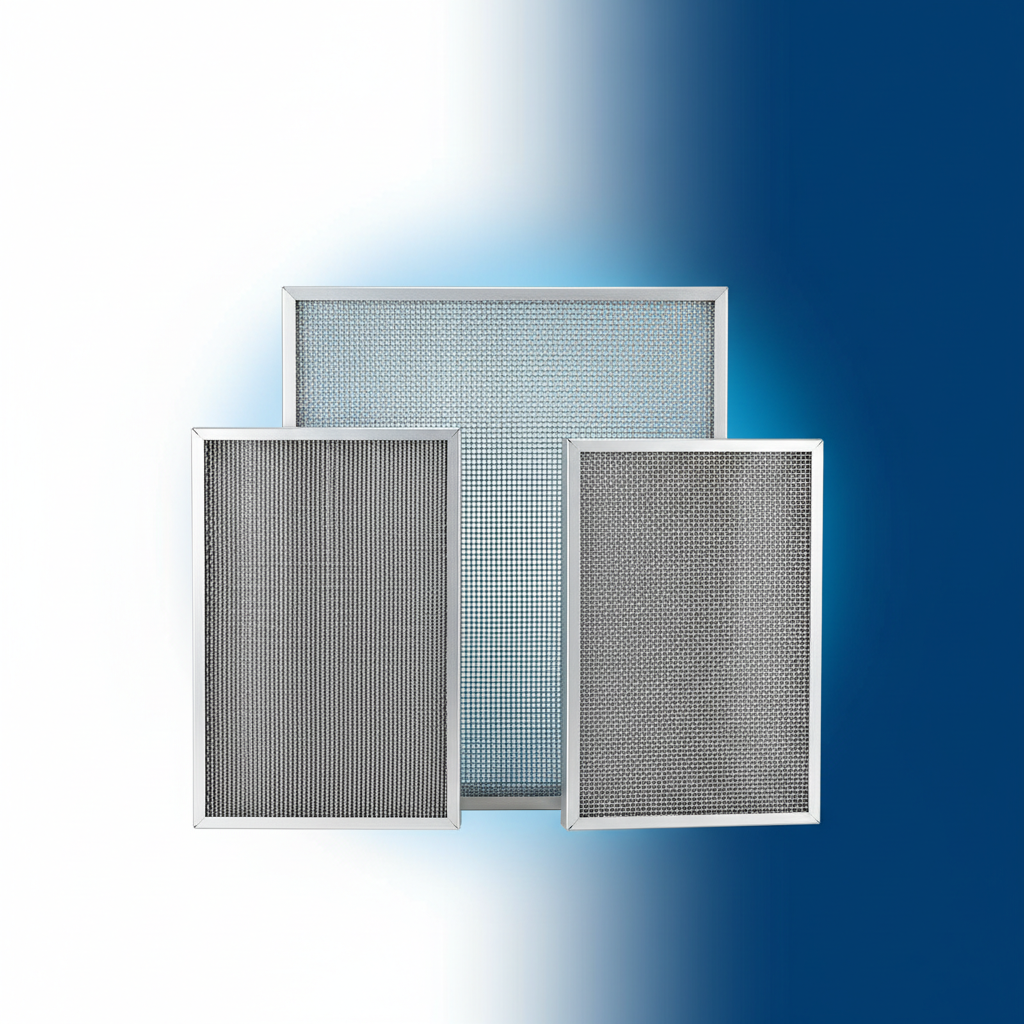
In order to solve the peculiar smell in the car and improve the air safety in the car, it is necessary to increase the cycle purification link in the closed car environment, and there is no doubt that the car air conditioning filter has become an important responsibility. The car air conditioner provides the original power for the exchange of indoor and outdoor air, but in order to satisfy the purification of the indoor circulating air, the outdoor air enters the car after being filtered. The filter becomes an essential artifact for the car owner! The small body shows great power, creating a safe and reliable space in the car, allowing car owners to enjoy healthy breathing at all times. Editor’s reminder: In order to avoid secondary pollution of the car air conditioner filter, generally speaking, it should be replaced after two to three months of use (the specific replacement frequency can be considered according to the actual frequency of use)