Openbare vervoer het 'n nuwe versteekte gevaarplek vir nuwe kroon-longontsteking-infeksie geword, en die risiko van oordrag is hoog. Daar was baie gevalle van oordrag en siekte wat veroorsaak word deur bus-, taxi- en moltreinvervoer. Gedurende die epidemiese voorkoming en beheerperiode, benewens die versterking van epidemievoorkoming en beheerbestuur in die vervoerveld (soos sitplekspasiëring, vermindering van kaartjieverkope, ens.), en die vermindering van die risiko van virusoordrag in openbare vervoer, het bestuur die veiligste manier van reis geword.
Maar is dit regtig onfeilbaar om per motor te reis?
Om die waarheid te sê, alhoewel die bestuur van 'n privaat motor die waarskynlikheid van kontak met pasiënte met nuwe koronêre longontsteking effektief kan verminder in vergelyking met metro's en busse, maar omdat die motor self 'n geslote omgewing is, sodra die passasier 'n besmette persoon het, kan jy besmet wees. Seks word ook aansienlik verhoog. Daarom, alhoewel bestuur tot 'n sekere mate die veiligste manier van vervoer is, moet ons nie die nodige beskermingsmaatreëls ignoreer wanneer ons 'n voertuig bestuur nie. Benewens die veiligheidsmaatreëls wat hier genoem word, moet ons steeds noue kontak verminder en aanhou maskers dra. Hoe om die probleem op te los om die waarskynlikheid van lugoordrag van die virus in 'n geslote motoromgewing vanaf die bron op te los, is meer die moeite werd om te ondersoek, want dit is nie net tydens die epidemie nie. Ons moet veiligheidsmaatreëls oorweeg. Buiten die epidemie is die binnenshuise luggehalte van motors ook nou verwant aan ons gesondheid en gemak.
How to improve the air quality in the car? In-car air quality has always been the focus of consumers’ attention. The new car quality research (IQS) report of the world’s authoritative research organization J.D. Power shows that car interior odor has become the first dissatisfaction in the Chinese market for many years. The main factors affecting air safety in the car are: 1. Air pollution outside the car. Car exhaust, PM2.5, pollen and other harmful suspended particles sneak into the car through the car window or air conditioning system. 2. Interior materials. There are a large number of non-metallic parts that are easy to volatilize in the car, such as plastic door panels, leather seats, and damping panels. There are 8 common volatile organic compounds in vehicles, and clear limits are given for these 8 substances in the national standard GB/T 27630-2011 “Guidelines for Air Quality Evaluation of Passenger Cars”. Serial number project Restriction requirements (mg/m³)
1 benzene ≤0.11
2 Toluene ≤1.10
3 Xylene ≤1.50
4 Ethylbenzene ≤1.50
5 Styrene ≤0.26
6 formaldehyde ≤0.10
7 Acetaldehyde ≤0.05
8 Acrolein ≤0.05
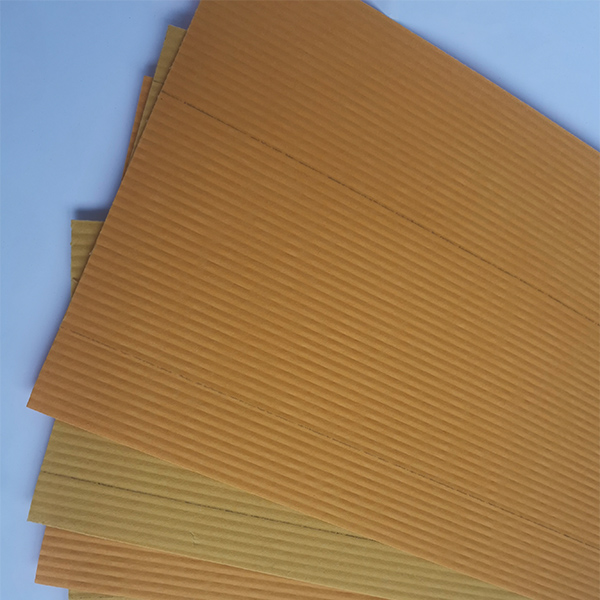
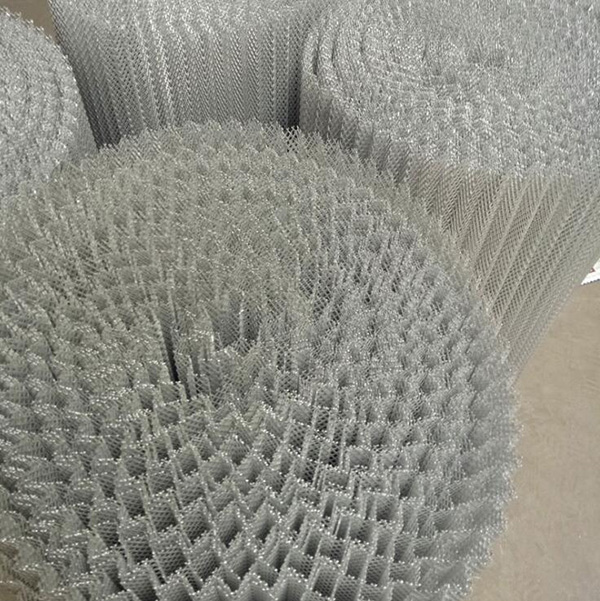
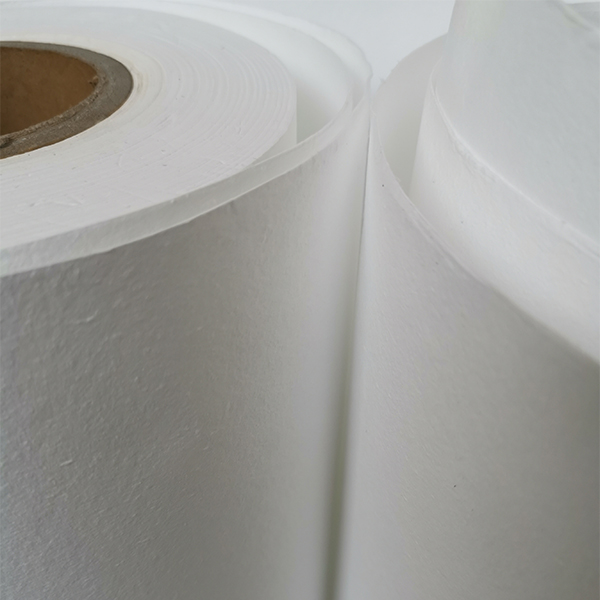
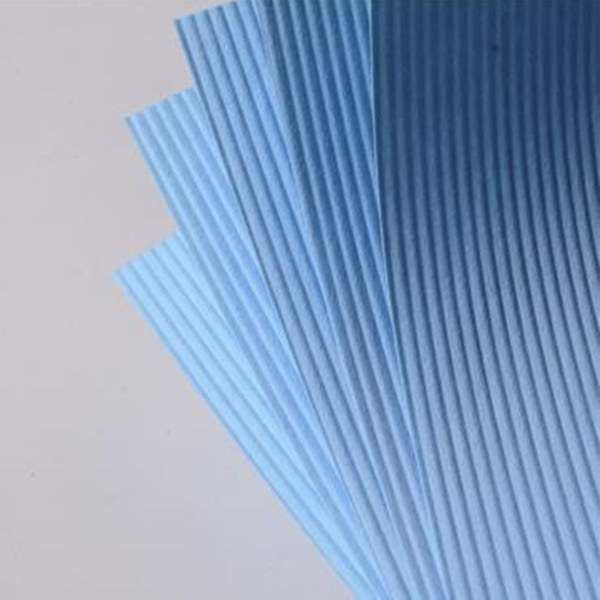
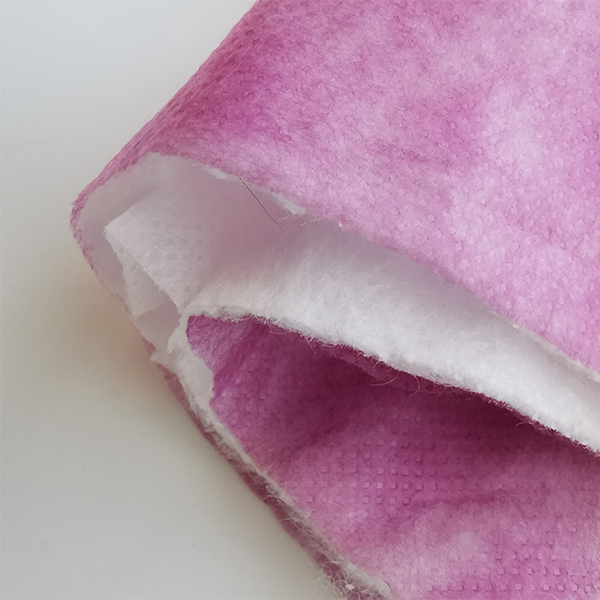
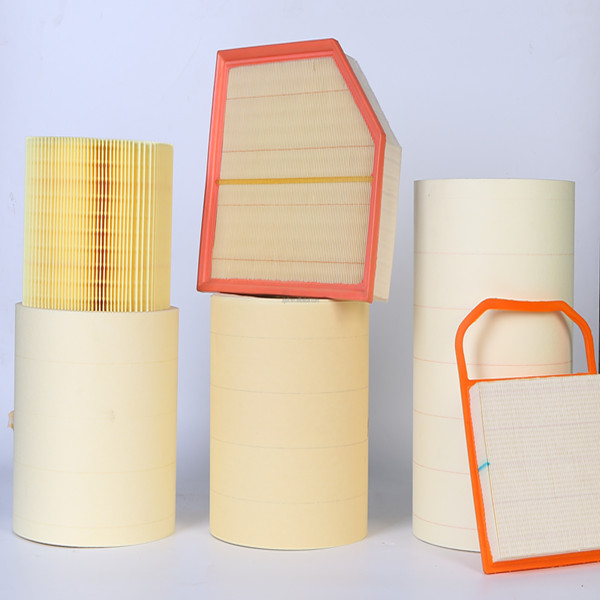
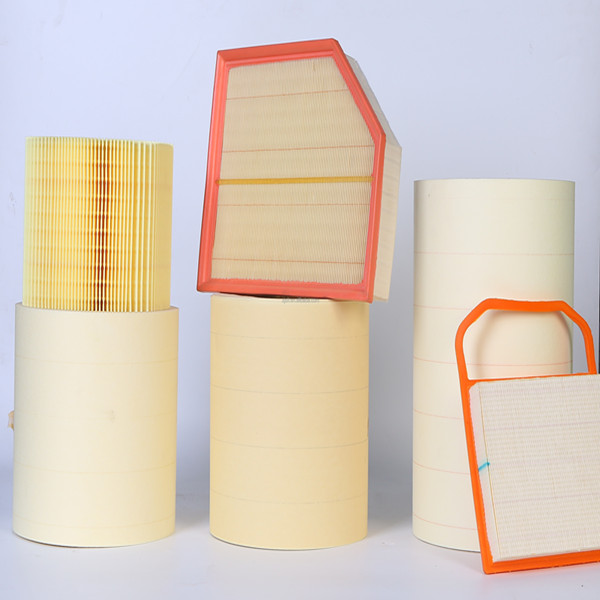
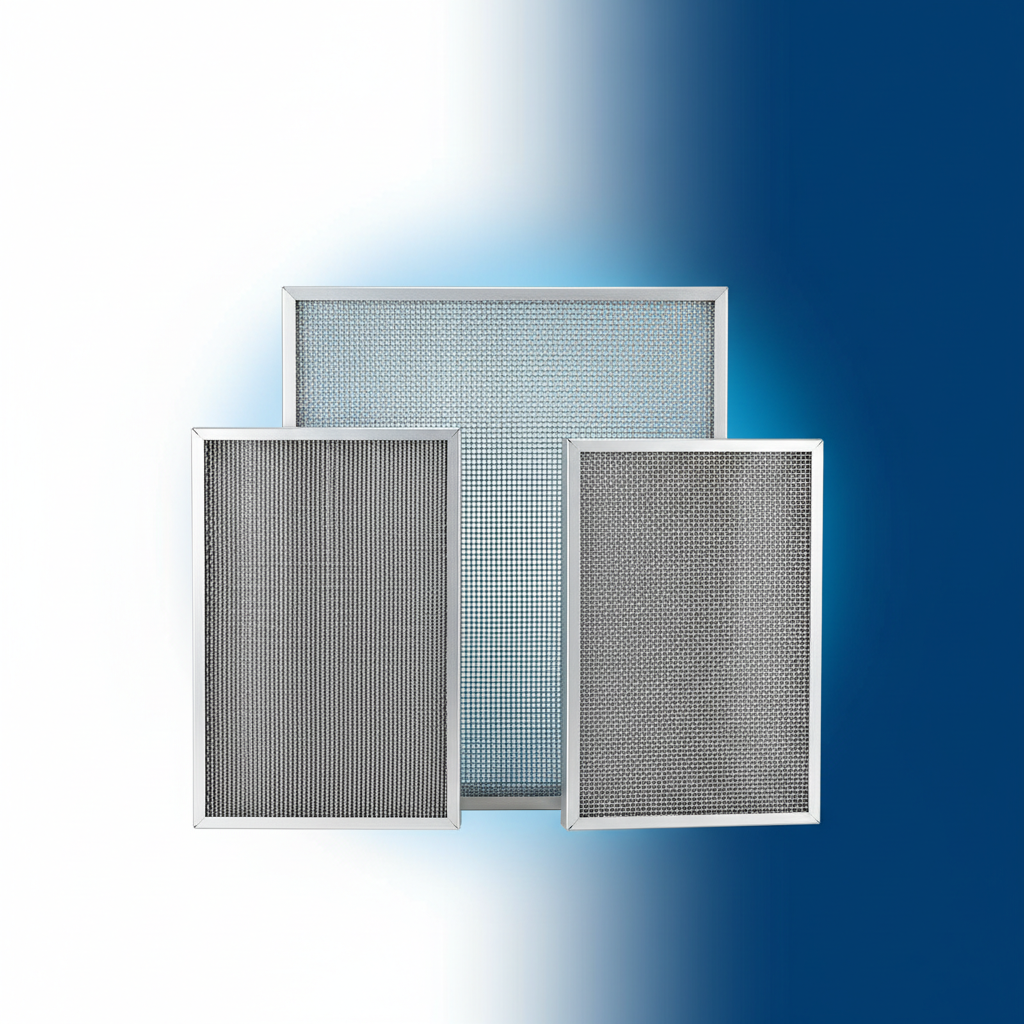
In order to solve the peculiar smell in the car and improve the air safety in the car, it is necessary to increase the cycle purification link in the closed car environment, and there is no doubt that the car air conditioning filter has become an important responsibility. The car air conditioner provides the original power for the exchange of indoor and outdoor air, but in order to satisfy the purification of the indoor circulating air, the outdoor air enters the car after being filtered. The filter becomes an essential artifact for the car owner! The small body shows great power, creating a safe and reliable space in the car, allowing car owners to enjoy healthy breathing at all times. Editor’s reminder: In order to avoid secondary pollution of the car air conditioner filter, generally speaking, it should be replaced after two to three months of use (the specific replacement frequency can be considered according to the actual frequency of use)