Ko nga waka a-iwi kua noho hei waahi morearea huna hou mo te mate hou o te karauna pneumonia, a he nui te mate o te tuku. He maha nga keehi o te tuku me te mate na te pahi, te taxi, me te kawe tereina. I roto i te wa aukati me te whakahaere i nga mate uruta, i tua atu i te whakapakari i te aukati mate uruta me te whakahaere whakahaere i roto i te waahi kawe waka (penei i te mokowhiti nohoanga, te whakaiti i nga hoko tikiti, me etahi atu), me te whakaheke i te tupono o te tuku huaketo i roto i nga waka a te iwi, kua riro te taraiwa hei huarahi haumaru mo te haere.
Engari he maamaa noa te haere ma runga waka?
Ko te mea pono, ahakoa ka taea e te taraiwa waka motuhake te whakaiti i te tupono o te pa atu ki nga turoro me te mate pukupuku coronary hou ki te whakataurite ki nga huarahi ara raro me nga pahi, engari na te mea he waahi kati te motuka, ina he tangata pangia te kaihihi, ka pangia pea koe. Ka nui haere hoki te sex. No reira, ahakoa ko te taraiwa te huarahi haumaru rawa atu mo te kawe waka, kaua tatou e wareware ki nga tikanga tiaki e tika ana ina peia he waka. I tua atu i nga tikanga haumaru kua whakahuahia i konei, me whakaiti tonu te whakapiri tata me te mau tonu ki te mau kanohi kanohi. Me pehea te whakatau i te raru o te whakanui ake i te tupono o te tuku hau o te huaketo i roto i te taiao motuka kati mai i te puna he pai ake te tirotiro, na te mea ehara tenei i te wa o te mate uruta. Me whai whakaaro tatou ki nga tikanga haumaru. I waho atu o te mate urutaru, ko te kounga o te hau o roto o nga motuka e hono tata ana ki to tatou hauora me te whakamarie.
How to improve the air quality in the car? In-car air quality has always been the focus of consumers’ attention. The new car quality research (IQS) report of the world’s authoritative research organization J.D. Power shows that car interior odor has become the first dissatisfaction in the Chinese market for many years. The main factors affecting air safety in the car are: 1. Air pollution outside the car. Car exhaust, PM2.5, pollen and other harmful suspended particles sneak into the car through the car window or air conditioning system. 2. Interior materials. There are a large number of non-metallic parts that are easy to volatilize in the car, such as plastic door panels, leather seats, and damping panels. There are 8 common volatile organic compounds in vehicles, and clear limits are given for these 8 substances in the national standard GB/T 27630-2011 “Guidelines for Air Quality Evaluation of Passenger Cars”. Serial number project Restriction requirements (mg/m³)
1 benzene ≤0.11
2 Toluene ≤1.10
3 Xylene ≤1.50
4 Ethylbenzene ≤1.50
5 Styrene ≤0.26
6 formaldehyde ≤0.10
7 Acetaldehyde ≤0.05
8 Acrolein ≤0.05
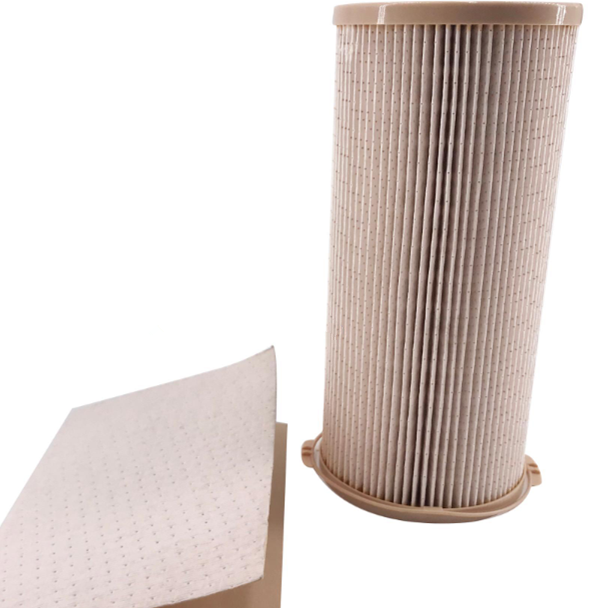
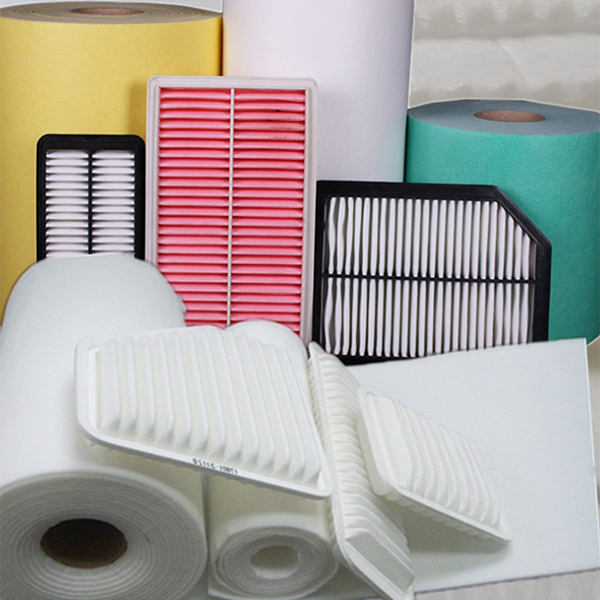
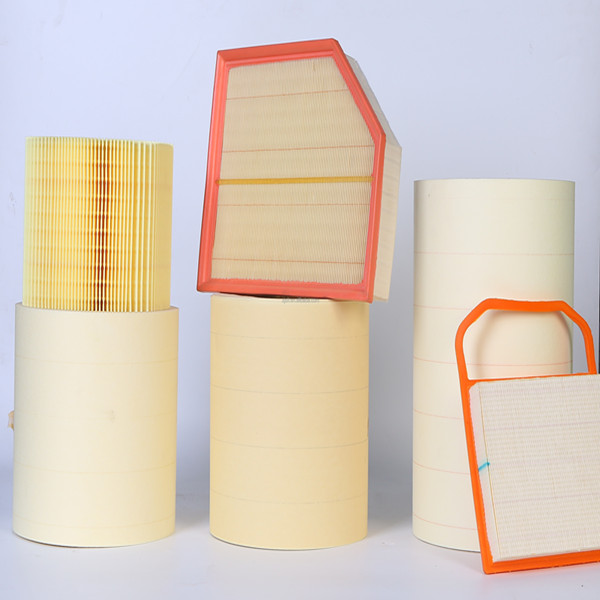
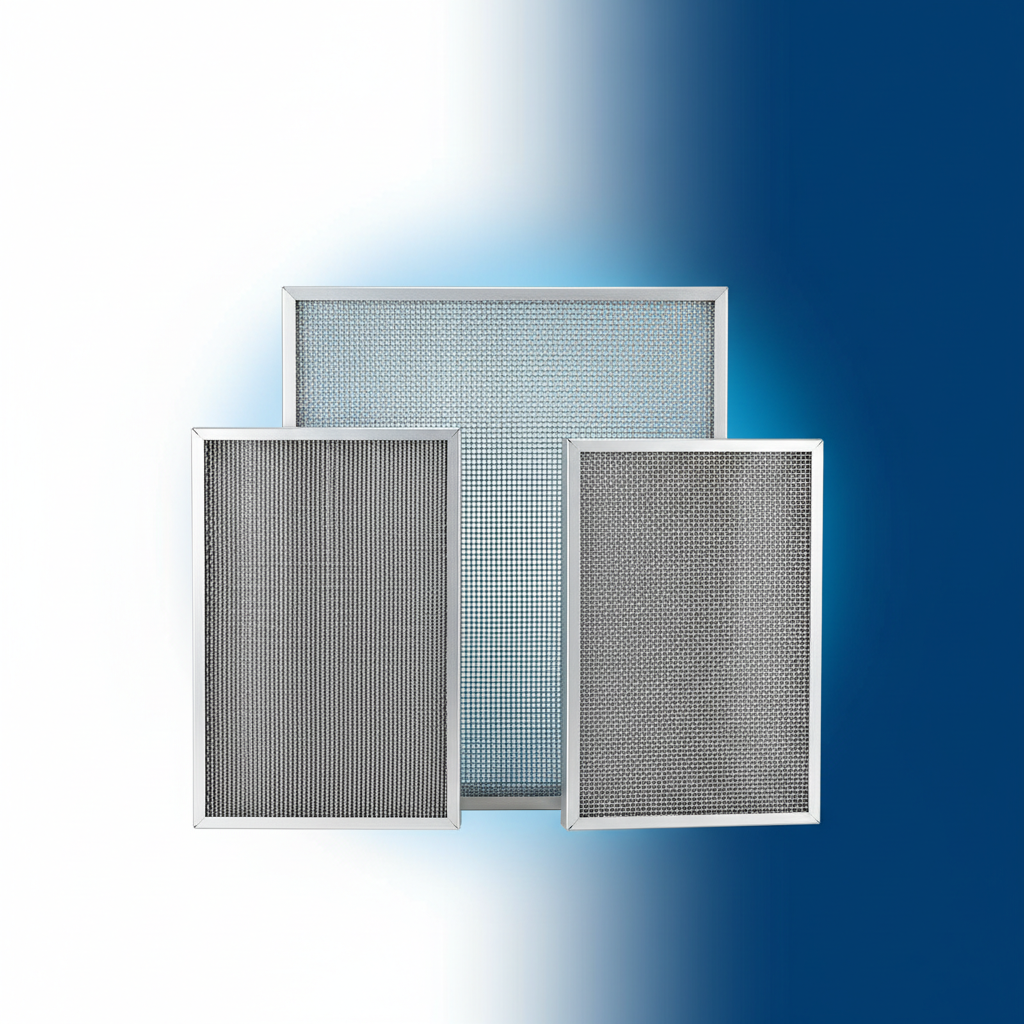
In order to solve the peculiar smell in the car and improve the air safety in the car, it is necessary to increase the cycle purification link in the closed car environment, and there is no doubt that the car air conditioning filter has become an important responsibility. The car air conditioner provides the original power for the exchange of indoor and outdoor air, but in order to satisfy the purification of the indoor circulating air, the outdoor air enters the car after being filtered. The filter becomes an essential artifact for the car owner! The small body shows great power, creating a safe and reliable space in the car, allowing car owners to enjoy healthy breathing at all times. Editor’s reminder: In order to avoid secondary pollution of the car air conditioner filter, generally speaking, it should be replaced after two to three months of use (the specific replacement frequency can be considered according to the actual frequency of use)