Transportasi umum wis dadi situs bebaya anyar sing didhelikake kanggo infeksi radhang paru-paru mahkota anyar, lan risiko penularan dhuwur. Ana akeh kasus transmisi lan penyakit sing disebabake dening bis, taksi, lan transportasi sepur. Sajrone periode pencegahan lan kontrol epidemi, saliyane kanggo nguatake manajemen pencegahan lan kontrol epidemi ing lapangan transportasi (kayata jarak kursi, nyuda penjualan tiket, lan liya-liyane), lan nyuda risiko transmisi virus ing transportasi umum, nyopir wis dadi cara lelungan sing paling aman.
Nanging apa pancene ora gampang lelungan nganggo mobil?
Nyatane, sanajan nyopir mobil pribadi kanthi efektif bisa nyuda kemungkinan kontak karo pasien sing ngalami radhang paru-paru koroner anyar dibandhingake karo subway lan bis, nanging amarga mobil kasebut minangka lingkungan sing ditutup, yen penumpang duwe wong sing kena infeksi, sampeyan bisa uga kena infeksi. Jinis uga tambah akeh. Mula, sanajan nyopir minangka cara transportasi sing paling aman, kita ora kudu nglirwakake langkah-langkah perlindungan sing dibutuhake nalika nyopir kendaraan. Saliyane langkah-langkah safety sing kasebut ing kene, kita isih kudu nyuda kontak sing cedhak lan tetep nganggo topeng. Cara ngatasi masalah nambah kemungkinan transmisi virus ing lingkungan mobil sing ditutup saka sumber luwih worth ditelusuri, amarga iki ora mung nalika epidemi. Kita kudu nimbang langkah-langkah safety. Ing njaba epidemi, kualitas udara njero ruangan mobil uga ana hubungane karo kesehatan lan kenyamanan kita.
How to improve the air quality in the car? In-car air quality has always been the focus of consumers’ attention. The new car quality research (IQS) report of the world’s authoritative research organization J.D. Power shows that car interior odor has become the first dissatisfaction in the Chinese market for many years. The main factors affecting air safety in the car are: 1. Air pollution outside the car. Car exhaust, PM2.5, pollen and other harmful suspended particles sneak into the car through the car window or air conditioning system. 2. Interior materials. There are a large number of non-metallic parts that are easy to volatilize in the car, such as plastic door panels, leather seats, and damping panels. There are 8 common volatile organic compounds in vehicles, and clear limits are given for these 8 substances in the national standard GB/T 27630-2011 “Guidelines for Air Quality Evaluation of Passenger Cars”. Serial number project Restriction requirements (mg/m³)
1 benzene ≤0.11
2 Toluene ≤1.10
3 Xylene ≤1.50
4 Ethylbenzene ≤1.50
5 Styrene ≤0.26
6 formaldehyde ≤0.10
7 Acetaldehyde ≤0.05
8 Acrolein ≤0.05
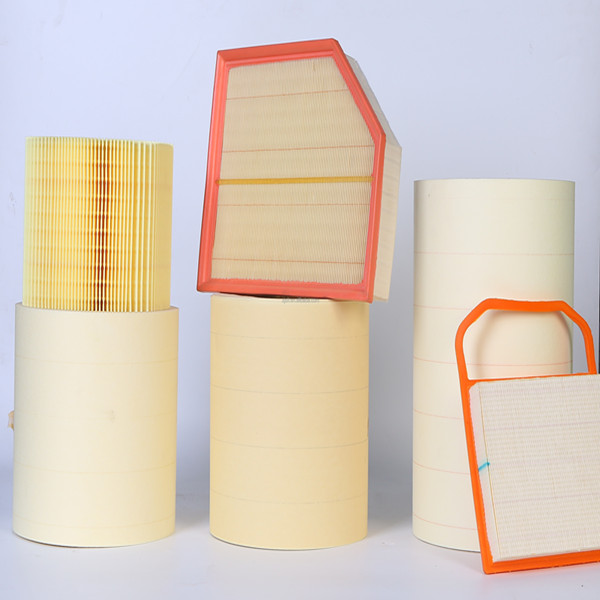
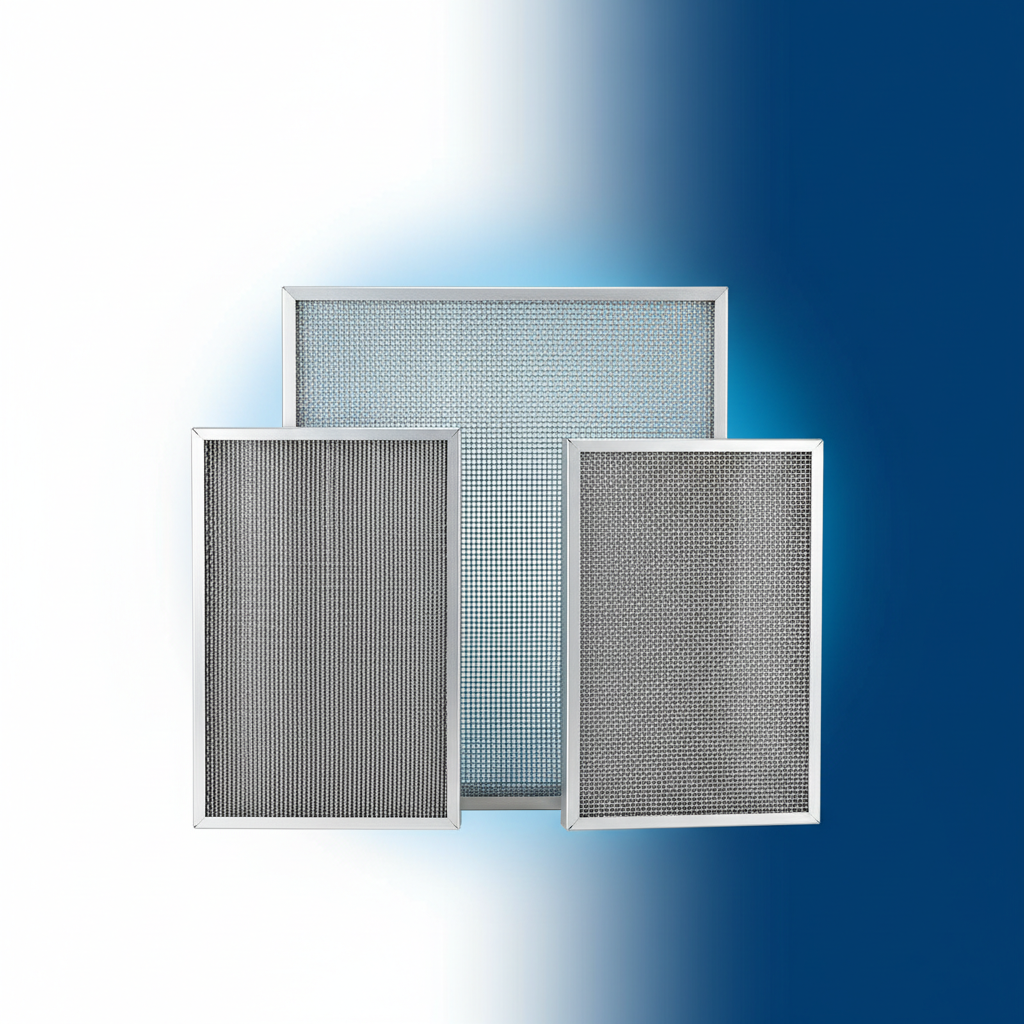
In order to solve the peculiar smell in the car and improve the air safety in the car, it is necessary to increase the cycle purification link in the closed car environment, and there is no doubt that the car air conditioning filter has become an important responsibility. The car air conditioner provides the original power for the exchange of indoor and outdoor air, but in order to satisfy the purification of the indoor circulating air, the outdoor air enters the car after being filtered. The filter becomes an essential artifact for the car owner! The small body shows great power, creating a safe and reliable space in the car, allowing car owners to enjoy healthy breathing at all times. Editor’s reminder: In order to avoid secondary pollution of the car air conditioner filter, generally speaking, it should be replaced after two to three months of use (the specific replacement frequency can be considered according to the actual frequency of use)