El transport públic s'ha convertit en un nou lloc de perill ocult per a la nova infecció per pneumònia de corona i el risc de transmissió és alt. Hi ha hagut molts casos de transmissió i malalties causades pel transport en autobús, taxi i metro. Durant el període de prevenció i control de l'epidèmia, a més d'enfortir la prevenció i la gestió del control d'epidèmies en l'àmbit del transport (com ara l'espai dels seients, la reducció de la venda de bitllets, etc.) i reduir el risc de transmissió de virus en el transport públic, la conducció s'ha convertit en la forma més segura de viatjar.
Però, és realment infal·lible viatjar amb cotxe?
De fet, tot i que conduir un cotxe privat pot reduir de manera efectiva la probabilitat de contacte amb pacients amb nova pneumònia coronària en comparació amb metro i autobusos, però com que el cotxe en si és un entorn tancat, un cop el passatger té una persona infectada, pot estar infectat. El sexe també augmenta molt. Per tant, tot i que la conducció és fins a cert punt el mitjà de transport més segur, no hem d'ignorar les mesures de protecció necessàries a l'hora de conduir un vehicle. A més de les mesures de seguretat esmentades aquí, encara hem de reduir el contacte proper i seguir utilitzant mascaretes. Com resoldre el problema d'augmentar la probabilitat de transmissió aèria del virus en un entorn de cotxe tancat des de la font val més la pena explorar, perquè això no només durant l'epidèmia. Hem de tenir en compte les mesures de seguretat. Fora de l'epidèmia, la qualitat de l'aire interior dels cotxes també està estretament relacionada amb la nostra salut i confort.
How to improve the air quality in the car? In-car air quality has always been the focus of consumers’ attention. The new car quality research (IQS) report of the world’s authoritative research organization J.D. Power shows that car interior odor has become the first dissatisfaction in the Chinese market for many years. The main factors affecting air safety in the car are: 1. Air pollution outside the car. Car exhaust, PM2.5, pollen and other harmful suspended particles sneak into the car through the car window or air conditioning system. 2. Interior materials. There are a large number of non-metallic parts that are easy to volatilize in the car, such as plastic door panels, leather seats, and damping panels. There are 8 common volatile organic compounds in vehicles, and clear limits are given for these 8 substances in the national standard GB/T 27630-2011 “Guidelines for Air Quality Evaluation of Passenger Cars”. Serial number project Restriction requirements (mg/m³)
1 benzene ≤0.11
2 Toluene ≤1.10
3 Xylene ≤1.50
4 Ethylbenzene ≤1.50
5 Styrene ≤0.26
6 formaldehyde ≤0.10
7 Acetaldehyde ≤0.05
8 Acrolein ≤0.05
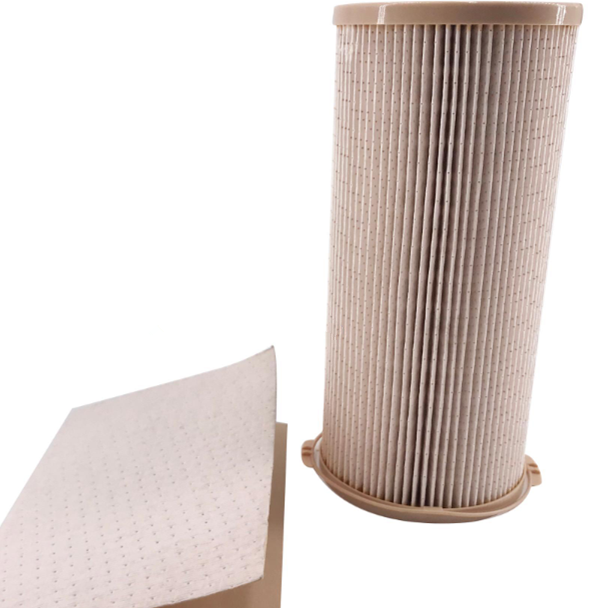
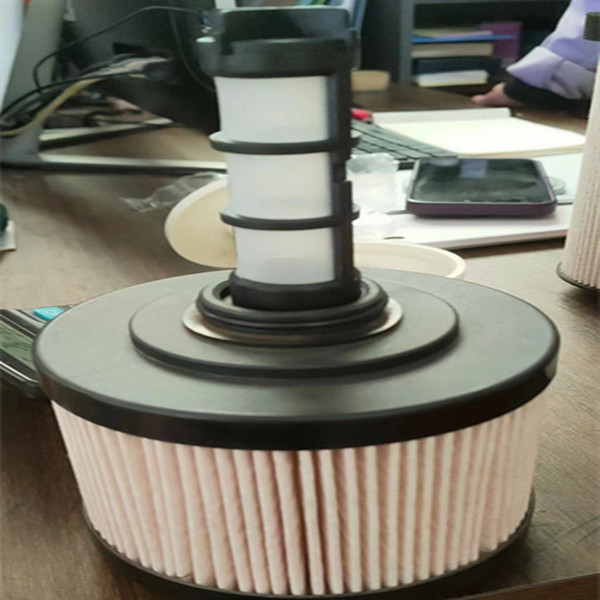
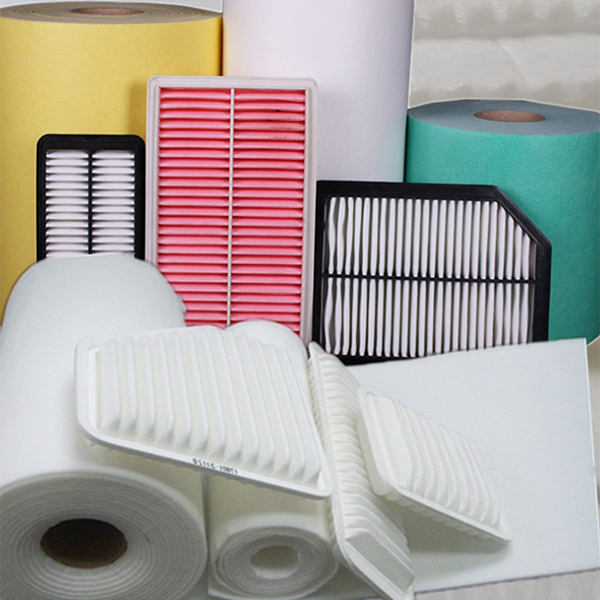
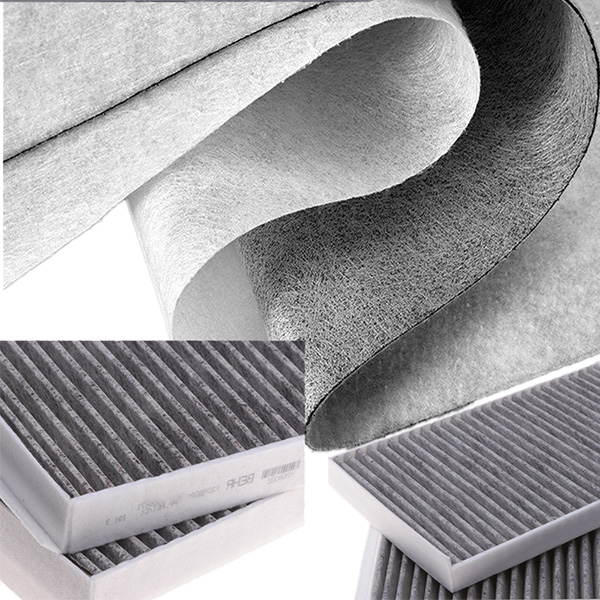
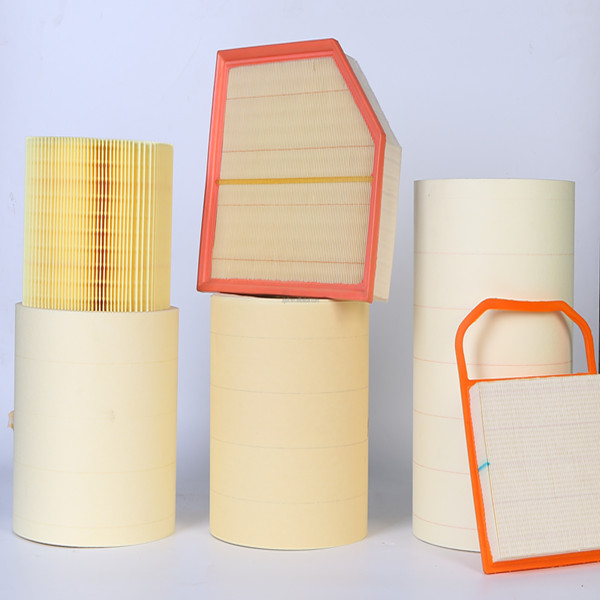
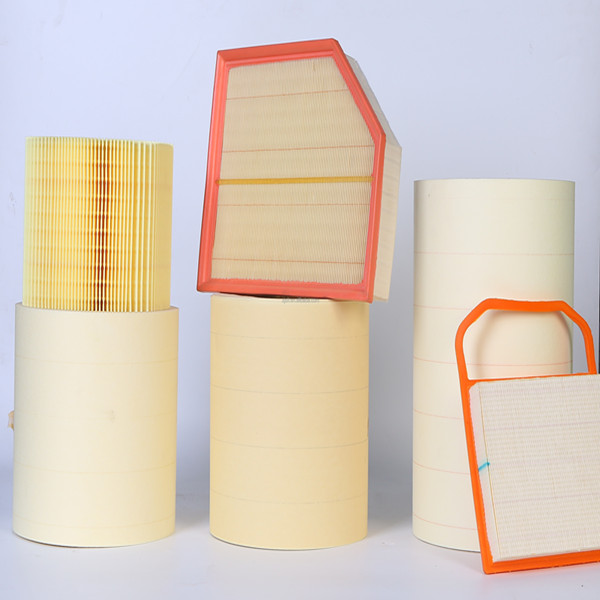
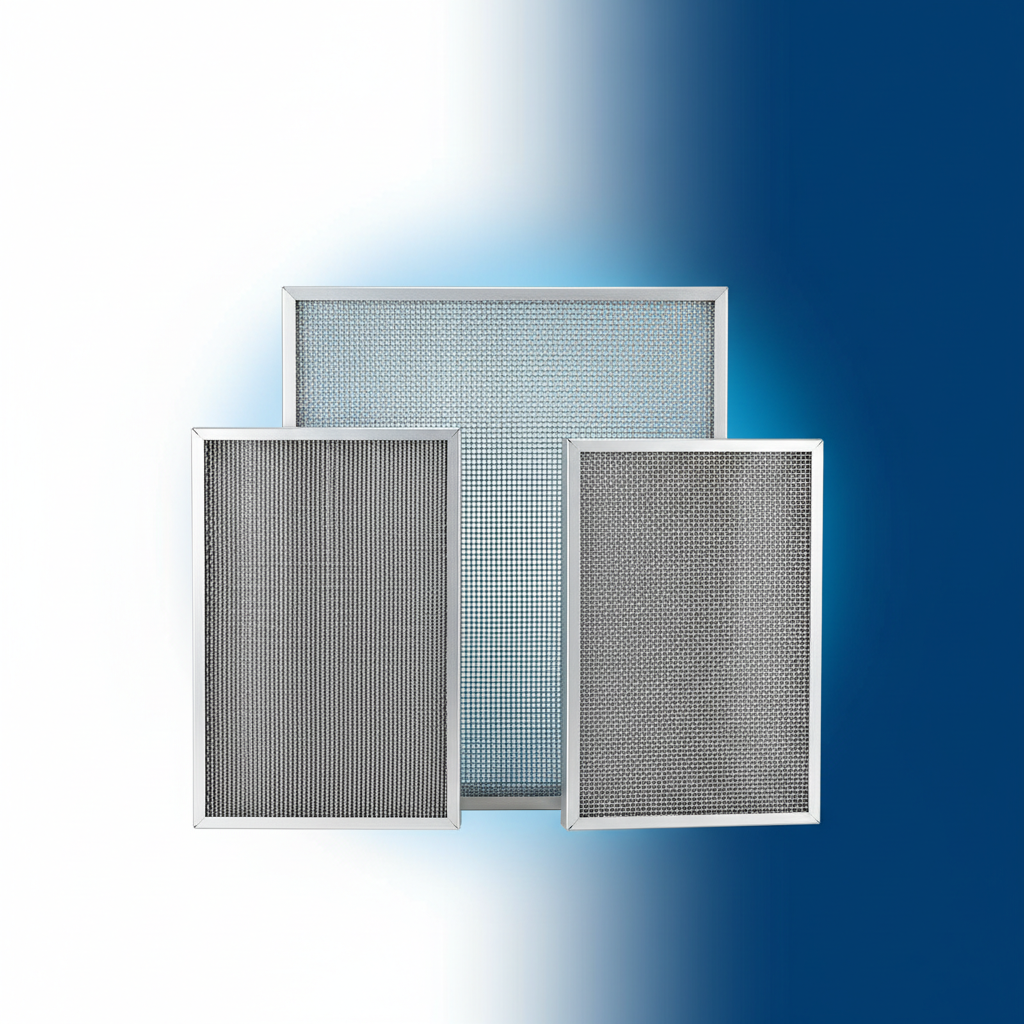
In order to solve the peculiar smell in the car and improve the air safety in the car, it is necessary to increase the cycle purification link in the closed car environment, and there is no doubt that the car air conditioning filter has become an important responsibility. The car air conditioner provides the original power for the exchange of indoor and outdoor air, but in order to satisfy the purification of the indoor circulating air, the outdoor air enters the car after being filtered. The filter becomes an essential artifact for the car owner! The small body shows great power, creating a safe and reliable space in the car, allowing car owners to enjoy healthy breathing at all times. Editor’s reminder: In order to avoid secondary pollution of the car air conditioner filter, generally speaking, it should be replaced after two to three months of use (the specific replacement frequency can be considered according to the actual frequency of use)