Veřejná doprava se stala novým skrytým nebezpečným místem pro novou infekci korunní pneumonie a riziko přenosu je vysoké. Došlo k mnoha případům přenosu a onemocnění způsobených dopravou autobusem, taxíkem a metrem. Během období prevence a kontroly epidemie se kromě posílení prevence a kontroly epidemie v oblasti dopravy (jako jsou rozestupy sedadel, snížení prodeje jízdenek atd.) a snížení rizika přenosu viru ve veřejné dopravě stalo řízení nejbezpečnějším způsobem cestování.
Je ale opravdu bezpečné cestovat autem?
Ve skutečnosti, i když řízení soukromého auta může účinně snížit pravděpodobnost kontaktu s pacienty s novým koronárním zápalem plic ve srovnání s metrem a autobusy, ale protože auto samotné je uzavřené prostředí, jakmile má cestující nakaženou osobu, můžete být nakaženi. Výrazně se zvyšuje i sex. Přestože je tedy řízení do jisté míry nejbezpečnějším způsobem dopravy, nesmíme při řízení vozidla opomíjet nezbytná ochranná opatření. Kromě zde zmíněných bezpečnostních opatření musíme stále omezit blízký kontakt a nadále nosit roušky. Jak vyřešit problém se zvýšením pravděpodobnosti přenosu viru vzduchem v uzavřeném prostředí automobilu ze zdroje, stojí za prozkoumání spíše, protože to neplatí pouze v době epidemie. Musíme zvážit bezpečnostní opatření. Mimo epidemii je kvalita vnitřního ovzduší automobilů také úzce spjata s naším zdravím a pohodlím.
How to improve the air quality in the car? In-car air quality has always been the focus of consumers’ attention. The new car quality research (IQS) report of the world’s authoritative research organization J.D. Power shows that car interior odor has become the first dissatisfaction in the Chinese market for many years. The main factors affecting air safety in the car are: 1. Air pollution outside the car. Car exhaust, PM2.5, pollen and other harmful suspended particles sneak into the car through the car window or air conditioning system. 2. Interior materials. There are a large number of non-metallic parts that are easy to volatilize in the car, such as plastic door panels, leather seats, and damping panels. There are 8 common volatile organic compounds in vehicles, and clear limits are given for these 8 substances in the national standard GB/T 27630-2011 “Guidelines for Air Quality Evaluation of Passenger Cars”. Serial number project Restriction requirements (mg/m³)
1 benzene ≤0.11
2 Toluene ≤1.10
3 Xylene ≤1.50
4 Ethylbenzene ≤1.50
5 Styrene ≤0.26
6 formaldehyde ≤0.10
7 Acetaldehyde ≤0.05
8 Acrolein ≤0.05
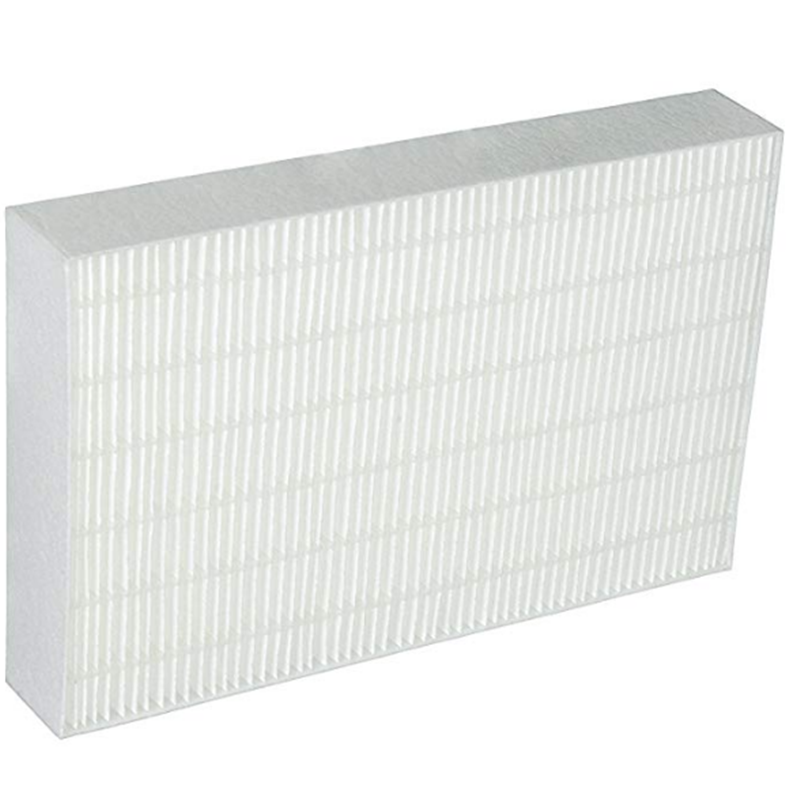
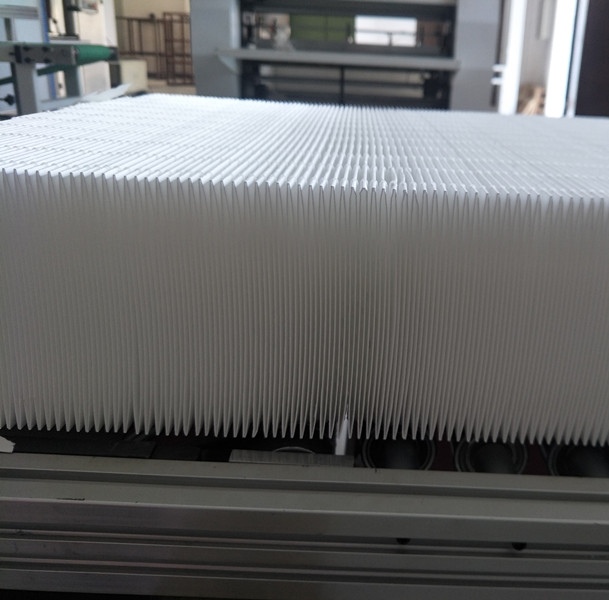
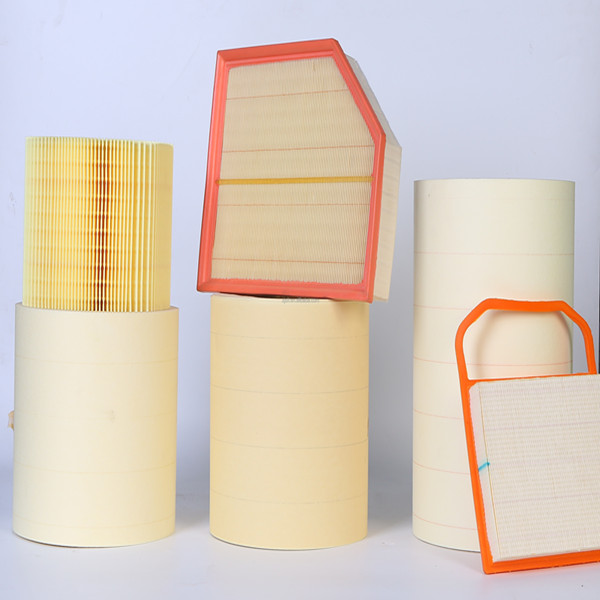
In order to solve the peculiar smell in the car and improve the air safety in the car, it is necessary to increase the cycle purification link in the closed car environment, and there is no doubt that the car air conditioning filter has become an important responsibility. The car air conditioner provides the original power for the exchange of indoor and outdoor air, but in order to satisfy the purification of the indoor circulating air, the outdoor air enters the car after being filtered. The filter becomes an essential artifact for the car owner! The small body shows great power, creating a safe and reliable space in the car, allowing car owners to enjoy healthy breathing at all times. Editor’s reminder: In order to avoid secondary pollution of the car air conditioner filter, generally speaking, it should be replaced after two to three months of use (the specific replacement frequency can be considered according to the actual frequency of use)