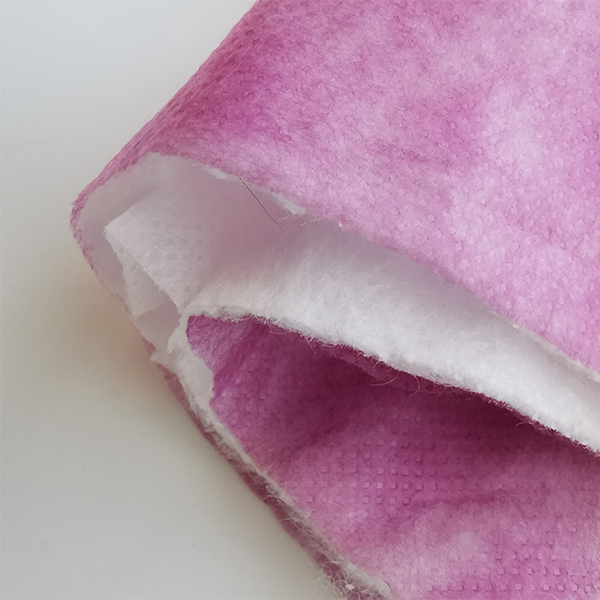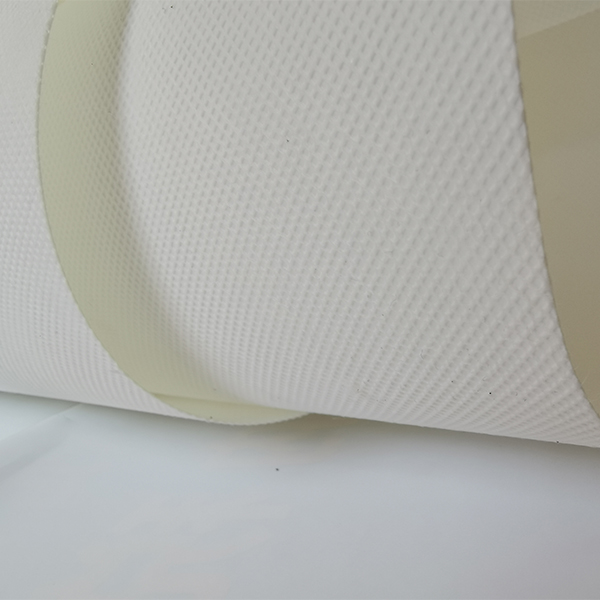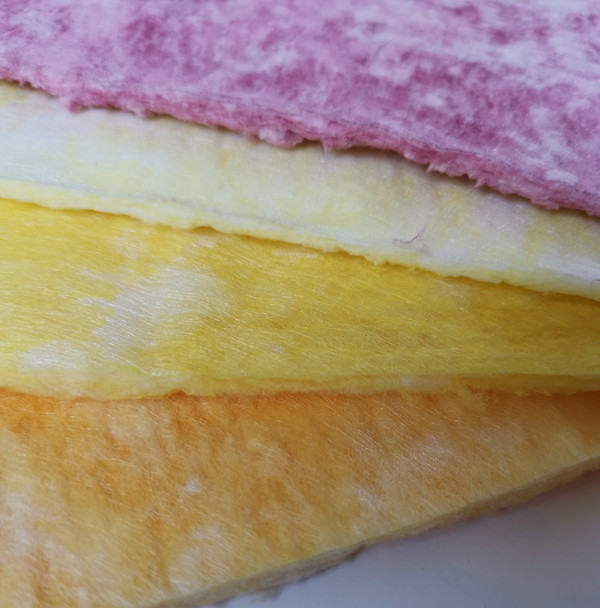
Rolo de mídia laminada de polipropileno sintético
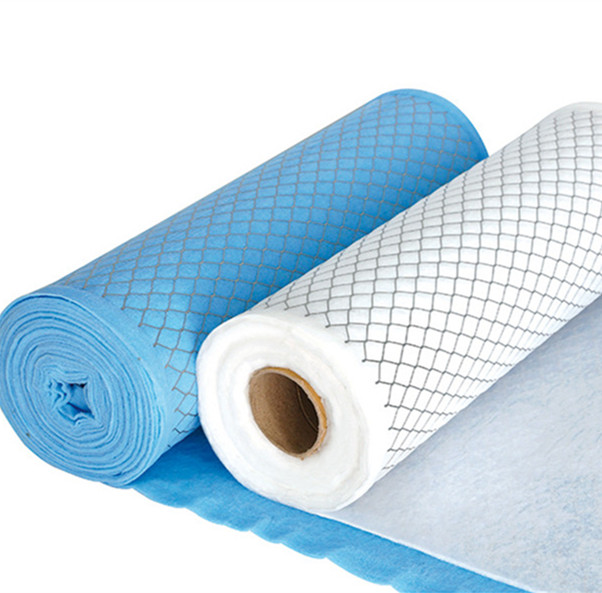
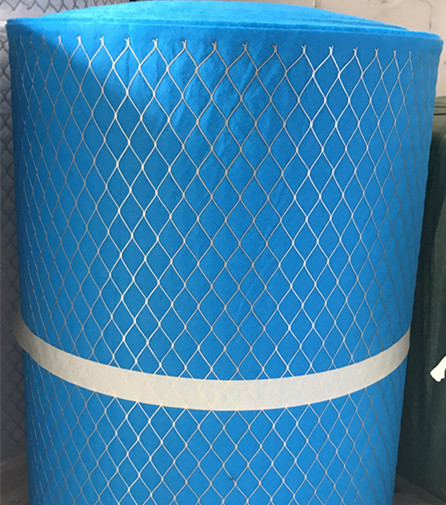
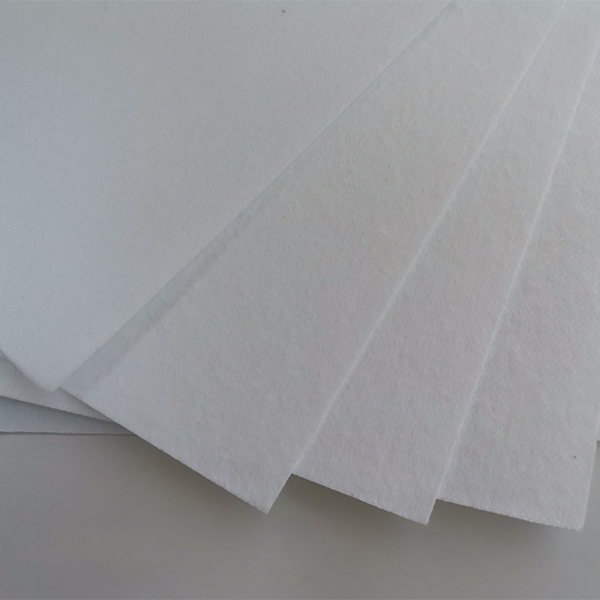
Rolo de mídia laminado de polipropileno sintético
Aplicações:
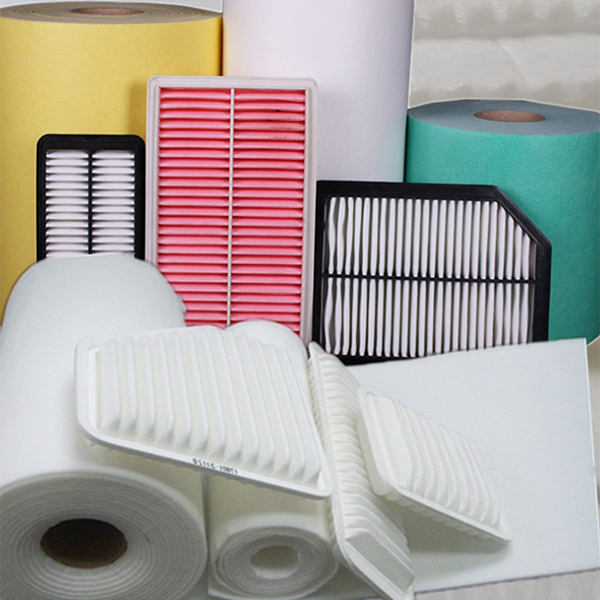
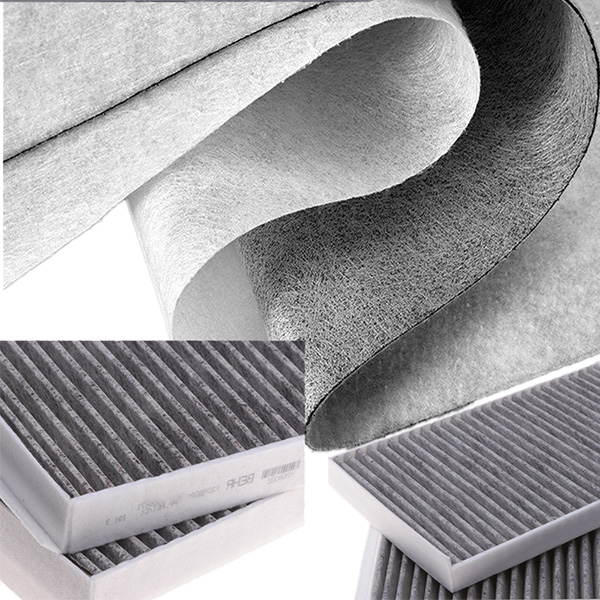
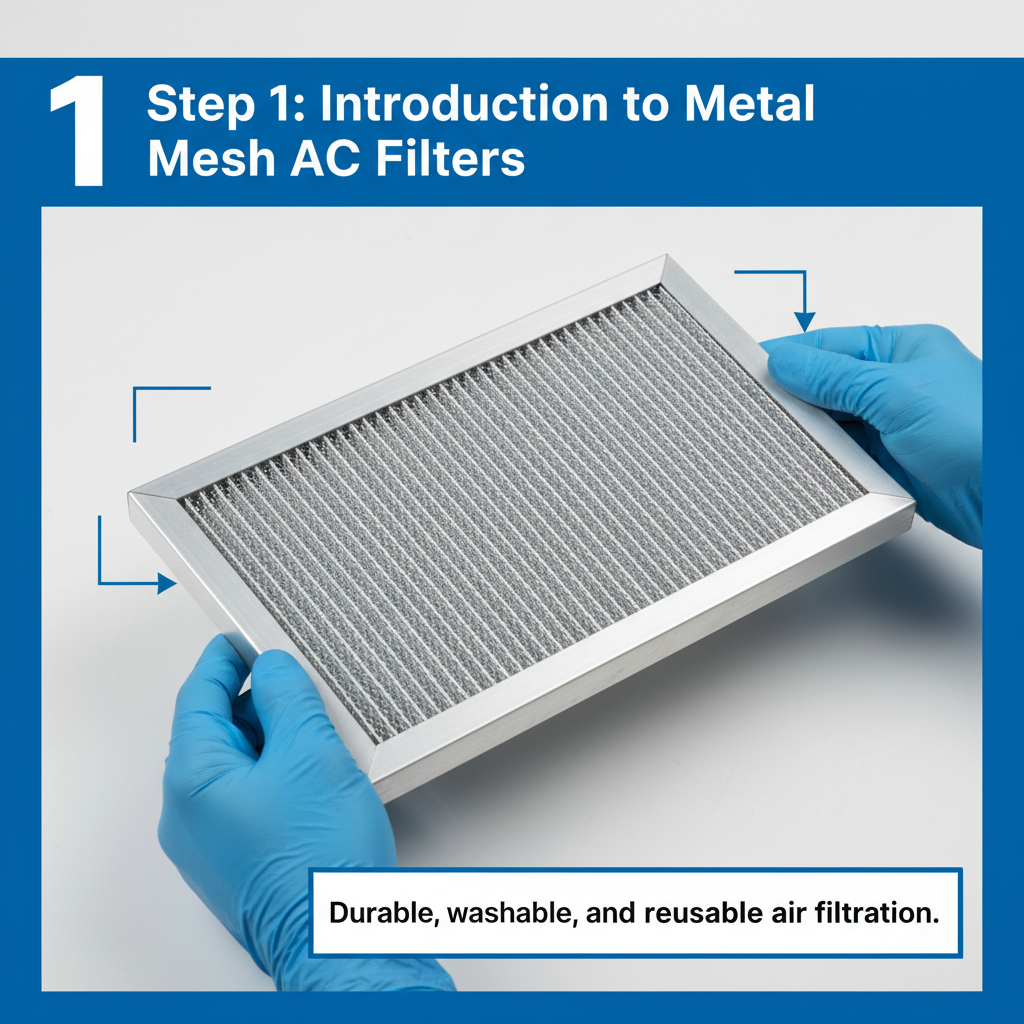
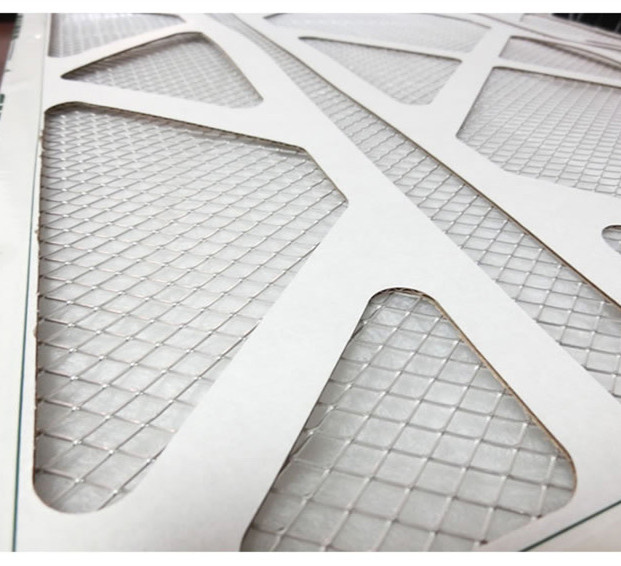
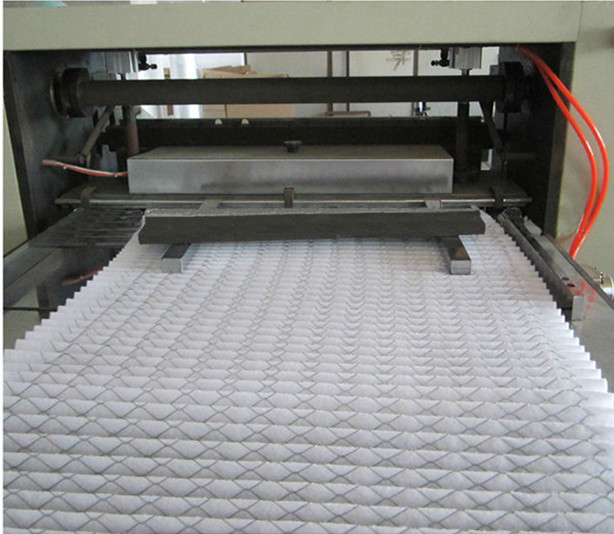
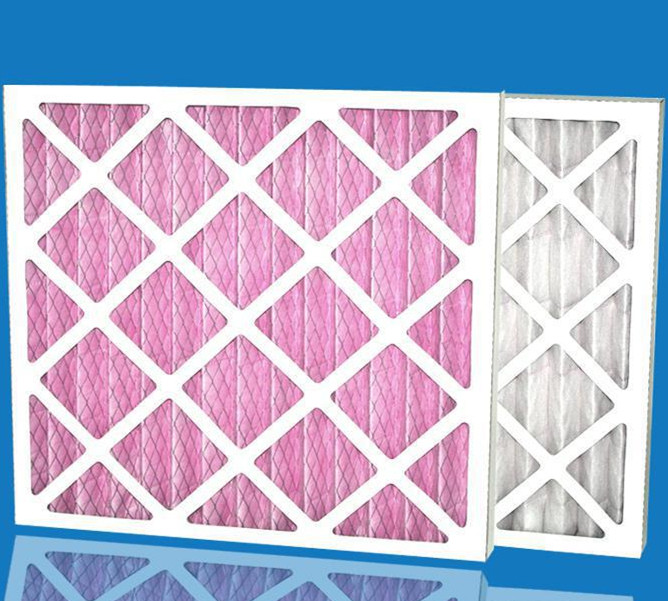
Usado para produzir filtro plissado
Pré-filtro para sistema de filtragem de ar
Adequado para filtro tipo dobrável
Características do produto:
Utilizando polipropileno sintético, processo de fabricação de criptografia gradual;
Baixa resistência inicial, alta capacidade de retenção de poeira;
Boa resistência à chama, os padrões de classificação de incêndio podem atender aos padrões europeus DIN53438-F1;
Resistência à umidade pode chegar a 100%;
| Não. | Item nº. | Descrição | |
| 1 | G4 tela de arame laminado azul/branco | 24”/610mm de largura * 150m de comprimento Mídia branca: 610 mm de largura; malha de arame: 580 mm de largura |
|
| 2 | 25” /635mm de largura * 150m de comprimento Mídia branca: 635 mm de largura; malha de arame: 605 mm de largura |
||
| 3 | 20” /508mm de largura * 150m de comprimento Mídia branca: 508 mm de largura; malha de arame: 478 mm de largura |
||
| 4 | 28” /711mm de largura * 150m de comprimento Mídia branca: 711 mm de largura; malha de arame: 681 mm de largura |
||
| Tipo | Dimensões | Prisão média | Ar Velocidade |
Inicial pressão |
Alta temperatura ℃ | |
| L×C×A | Filtro | % | EM | mas | ||
| Aula | ||||||
| AY-G3 | 0,61 m * 150 m | G3 | ≤50 | 2.5 | 60 | 80 |
| É-G4 | 0,61 m * 150 m | G4 | ≤82 | 2.5 | 75 | 80 |
What is Synthetic Air Filter Media and Why is it Used in Filtration?
Synthetic air filter media is a man-made filtration material composed of engineered polymers such as polyester, polypropylene, or blended fibers. Unlike traditional materials like fiberglass or cellulose, synthetic media offers superior durability, moisture resistance, and customizable filtration efficiency. It is widely used in HVAC systems, automotive filters, and industrial applications because of its ability to capture fine particles while maintaining high airflow rates. The material’s hydrophobic properties prevent mold and bacterial growth, making it ideal for humid environments. Additionally, synthetic media can be electrostatically charged to enhance particle attraction, improving filtration without increasing airflow resistance. Its versatility, longevity, and performance consistency make it a preferred choice for modern filtration needs where reliability and efficiency are critical.
Multi-Layer Synthetic Air Filter Rolls for High Dust Holding Capacity
Multi-layer synthetic air filter rolls are designed to maximize dust-holding capacity while maintaining optimal airflow. These filters use a gradient density structure, with progressively finer layers that capture larger particles first while allowing smaller ones to be trapped deeper within the media. This design prevents premature clogging and extends filter life, reducing maintenance frequency. The synthetic fibers provide high tensile strength, resisting tears and deformation even under heavy particulate loads. Applications include commercial HVAC systems, industrial dust collectors, and automotive air intake filters, where high dust loads are common. The multi-layer approach ensures consistent performance over time, making these rolls cost-effective for high-demand environments that require both efficiency and longevity.
Synthetic vs Fiberglass Air Filter Media
Synthetic air filter media outperforms fiberglass in several key aspects, including durability, moisture resistance, and filtration efficiency. While fiberglass is cost-effective and provides decent filtration, it is fragile and prone to tearing, especially in high-velocity airflow systems. Synthetic media, on the other hand, is more robust, resistant to humidity, and can be engineered for higher dust-holding capacity. Fiberglass filters often require a supportive frame, whereas synthetic media maintains structural integrity independently. Additionally, synthetic filters can incorporate electrostatic enhancement for better particle capture without sacrificing airflow. However, fiberglass remains useful in high-temperature applications where certain synthetic materials may degrade. For most modern HVAC and automotive uses, synthetic media is the superior choice due to its balance of strength, efficiency, and longevity.
air filter media rolls
synthetic air filter media rolls