Julkisesta liikenteestä on tullut uusi piilotettu vaarapaikka uudelle kruunukeuhkokuumeinfektiolle, ja tartuntariski on korkea. Bussi-, taksi- ja metroliikenteen aiheuttamia tartunta- ja tautitapauksia on ollut monia. Epidemian ehkäisy- ja torjuntakaudella autoilu on noussut liikennealan epidemioiden ehkäisyn ja hallinnan vahvistamisen (kuten istumavälit, lipunmyynnin vähentämisen jne.) ja viruksen leviämisriskin vähentämisen lisäksi joukkoliikenteessä turvallisimmaksi tapa liikkua.
Mutta onko autolla matkustaminen todella idioottivarmaa?
Itse asiassa, vaikka yksityisautolla ajaminen voi tehokkaasti vähentää kontaktin todennäköisyyttä uusien sepelvaltimoiden keuhkokuumepotilaiden kanssa verrattuna metroon ja linja-autoon, mutta koska auto itsessään on suljettu ympäristö, voit saada tartunnan, kun matkustajalla on tartunnan saanut henkilö. Myös seksi lisääntyy huomattavasti. Siksi, vaikka ajaminen on jossain määrin turvallisin kulkuväline, emme saa jättää huomiotta tarvittavia suojatoimenpiteitä ajoneuvoa ajaessamme. Tässä mainittujen turvatoimien lisäksi meidän on edelleen vähennettävä lähikontakteja ja pidettävä naamioita. Se, miten ratkaista ongelma, joka liittyy viruksen ilmassa leviämisen todennäköisyyden lisäämiseen suljetussa autoympäristössä lähteestä, on tutkimisen arvoinen, koska tämä ei ole vain epidemian aikana. Meidän on harkittava turvatoimia. Epidemian ulkopuolella myös autojen sisäilman laatu liittyy läheisesti terveyteemme ja mukavuuteen.
How to improve the air quality in the car? In-car air quality has always been the focus of consumers’ attention. The new car quality research (IQS) report of the world’s authoritative research organization J.D. Power shows that car interior odor has become the first dissatisfaction in the Chinese market for many years. The main factors affecting air safety in the car are: 1. Air pollution outside the car. Car exhaust, PM2.5, pollen and other harmful suspended particles sneak into the car through the car window or air conditioning system. 2. Interior materials. There are a large number of non-metallic parts that are easy to volatilize in the car, such as plastic door panels, leather seats, and damping panels. There are 8 common volatile organic compounds in vehicles, and clear limits are given for these 8 substances in the national standard GB/T 27630-2011 “Guidelines for Air Quality Evaluation of Passenger Cars”. Serial number project Restriction requirements (mg/m³)
1 benzene ≤0.11
2 Toluene ≤1.10
3 Xylene ≤1.50
4 Ethylbenzene ≤1.50
5 Styrene ≤0.26
6 formaldehyde ≤0.10
7 Acetaldehyde ≤0.05
8 Acrolein ≤0.05
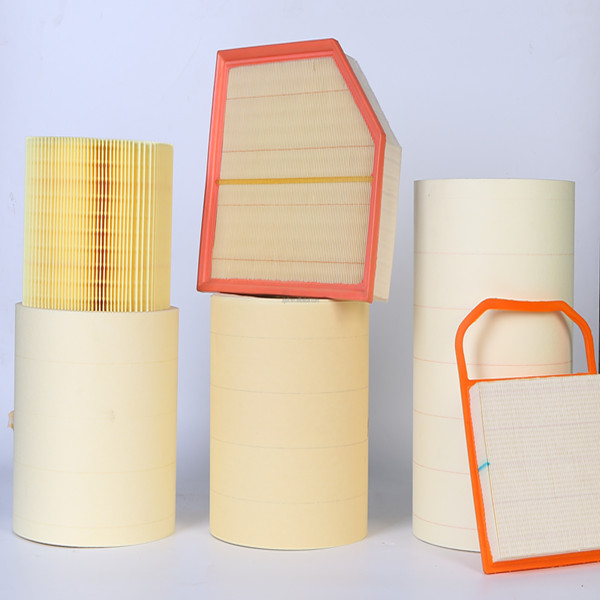
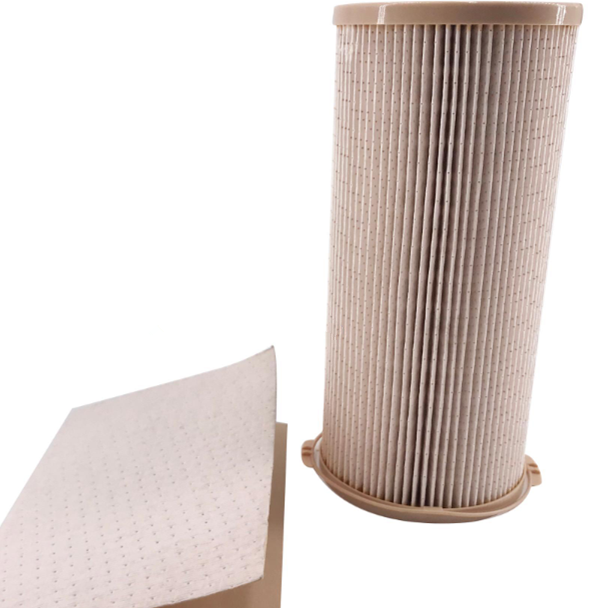
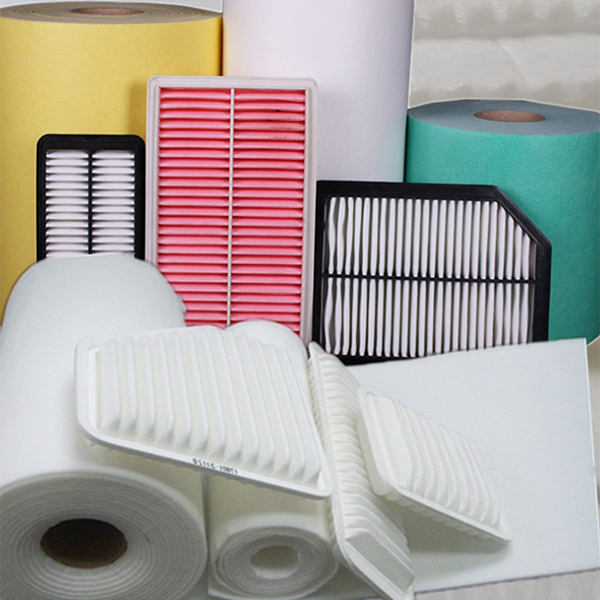
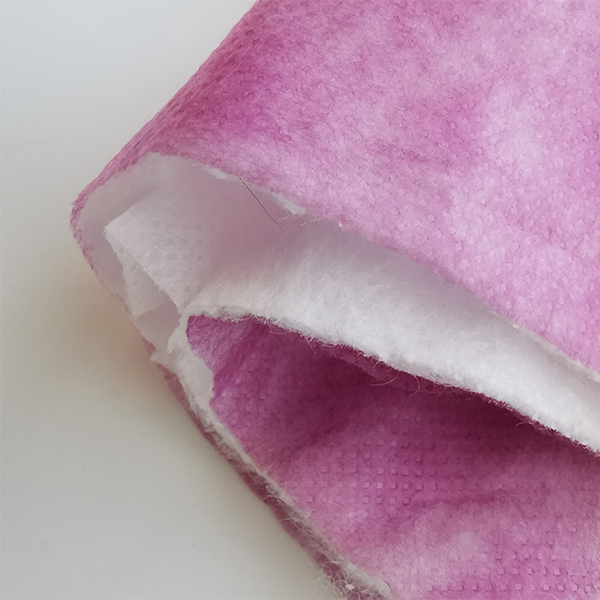
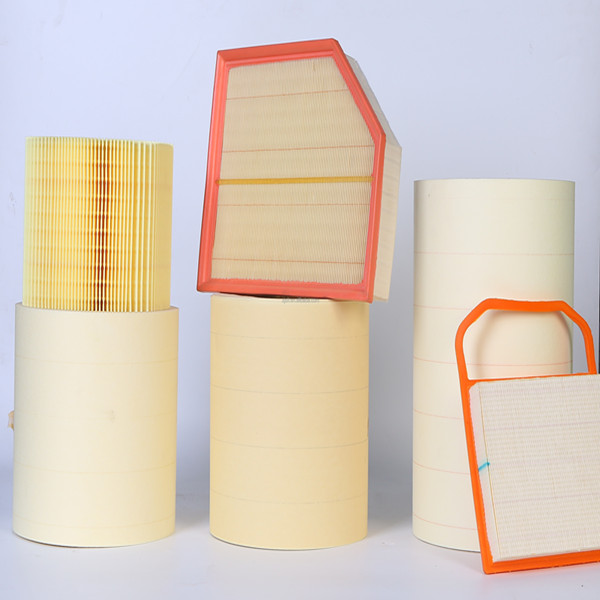
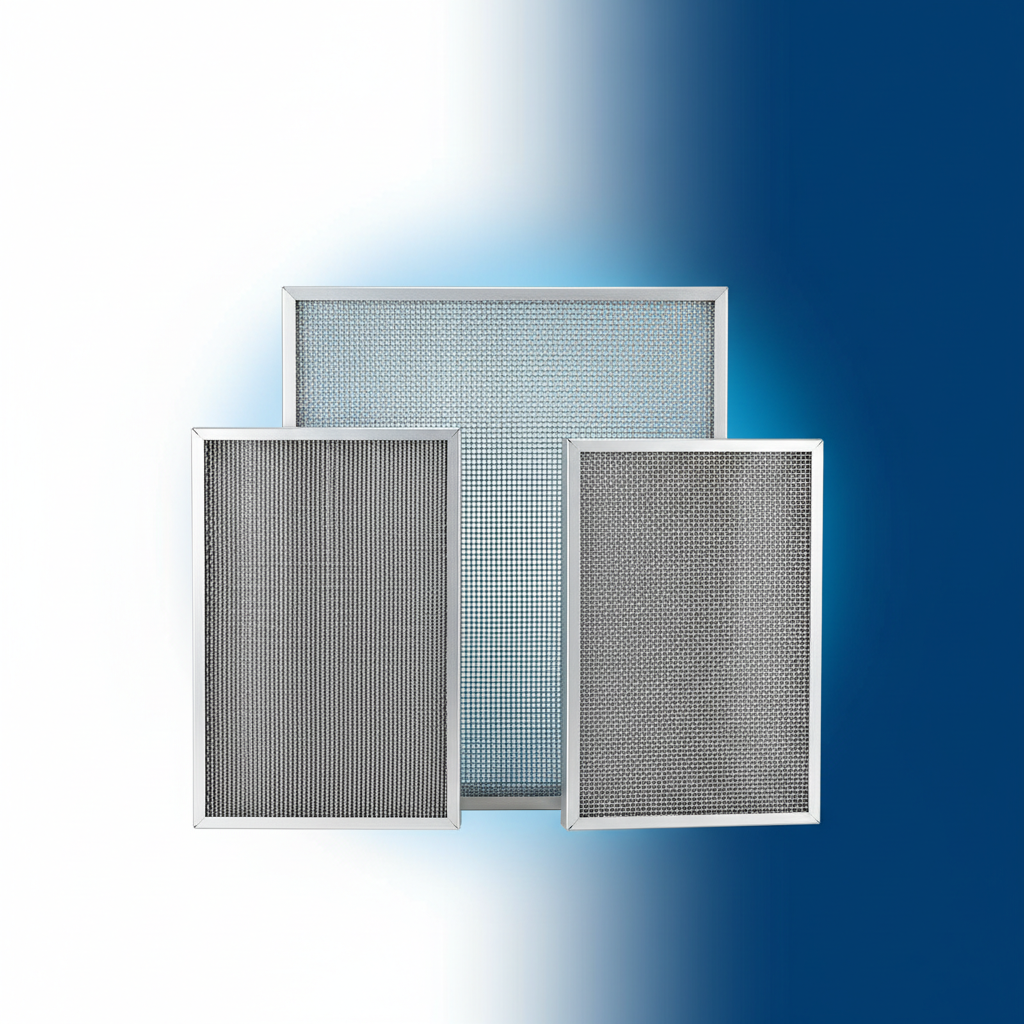
In order to solve the peculiar smell in the car and improve the air safety in the car, it is necessary to increase the cycle purification link in the closed car environment, and there is no doubt that the car air conditioning filter has become an important responsibility. The car air conditioner provides the original power for the exchange of indoor and outdoor air, but in order to satisfy the purification of the indoor circulating air, the outdoor air enters the car after being filtered. The filter becomes an essential artifact for the car owner! The small body shows great power, creating a safe and reliable space in the car, allowing car owners to enjoy healthy breathing at all times. Editor’s reminder: In order to avoid secondary pollution of the car air conditioner filter, generally speaking, it should be replaced after two to three months of use (the specific replacement frequency can be considered according to the actual frequency of use)