A tömegközlekedés új rejtett veszélyforrássá vált az új korona-tüdőgyulladásos fertőzések számára, és magas a fertőzés kockázata. Az autóbusz-, taxi- és metróközlekedés által okozott fertőzések és betegségek számos esetben fordultak elő. A járványmegelőzési és védekezési időszakban a közlekedési területen a járványmegelőzési és védekezési menedzsment megerősítése (például üléstávolság, jegyeladások csökkentése stb.), valamint a tömegközlekedésben a vírusfertőzés kockázatának csökkentése mellett az autózás a legbiztonságosabb közlekedési módsá vált.
De tényleg bolondbiztos autóval utazni?
Valójában, bár a személygépkocsi vezetése hatékonyan csökkentheti az új koszorúér-tüdőgyulladásban szenvedő betegekkel való érintkezés valószínűségét a metrókhoz és a buszokhoz képest, de mivel maga az autó zárt környezet, ha az utasnak fertőzött személye van, Ön megfertőződhet. A szex is jelentősen megnövekedett. Ezért, bár bizonyos mértékig a vezetés a legbiztonságosabb közlekedési mód, a járművezetés során nem szabad figyelmen kívül hagynunk a szükséges óvintézkedéseket. Az itt említett biztonsági intézkedéseken kívül továbbra is csökkentenünk kell a szoros érintkezést és továbbra is viselnünk kell a maszkot. Érdemesebb utánajárni, hogyan lehet megoldani azt a problémát, hogy a vírus zárt autókörnyezetben a forrásból történő légi terjedésének valószínűségét növeljük, mert ez nem csak a járvány idején van így. Meg kell fontolnunk a biztonsági intézkedéseket. A járványon kívül az autók beltéri levegőminősége is szorosan összefügg egészségünkkel és kényelmünkkel.
How to improve the air quality in the car? In-car air quality has always been the focus of consumers’ attention. The new car quality research (IQS) report of the world’s authoritative research organization J.D. Power shows that car interior odor has become the first dissatisfaction in the Chinese market for many years. The main factors affecting air safety in the car are: 1. Air pollution outside the car. Car exhaust, PM2.5, pollen and other harmful suspended particles sneak into the car through the car window or air conditioning system. 2. Interior materials. There are a large number of non-metallic parts that are easy to volatilize in the car, such as plastic door panels, leather seats, and damping panels. There are 8 common volatile organic compounds in vehicles, and clear limits are given for these 8 substances in the national standard GB/T 27630-2011 “Guidelines for Air Quality Evaluation of Passenger Cars”. Serial number project Restriction requirements (mg/m³)
1 benzene ≤0.11
2 Toluene ≤1.10
3 Xylene ≤1.50
4 Ethylbenzene ≤1.50
5 Styrene ≤0.26
6 formaldehyde ≤0.10
7 Acetaldehyde ≤0.05
8 Acrolein ≤0.05
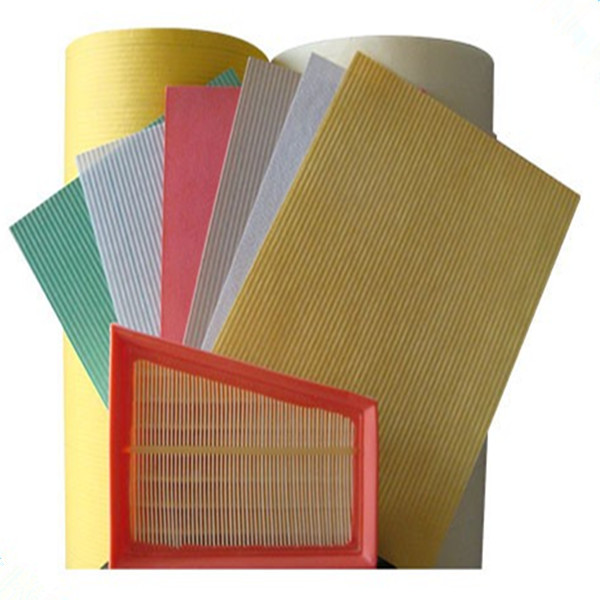
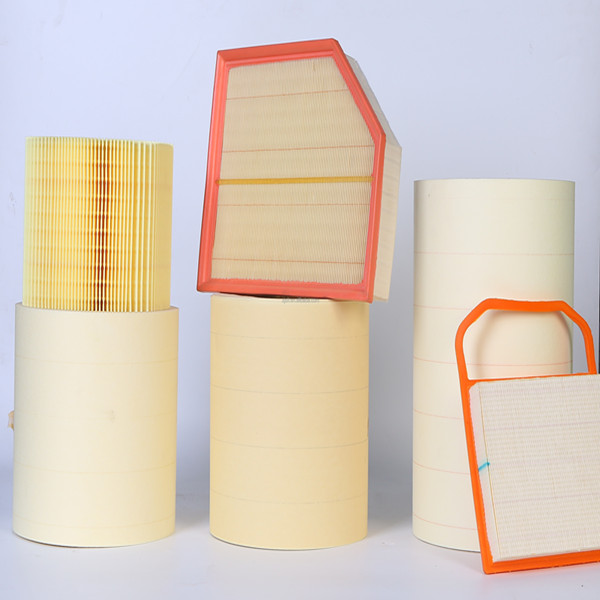
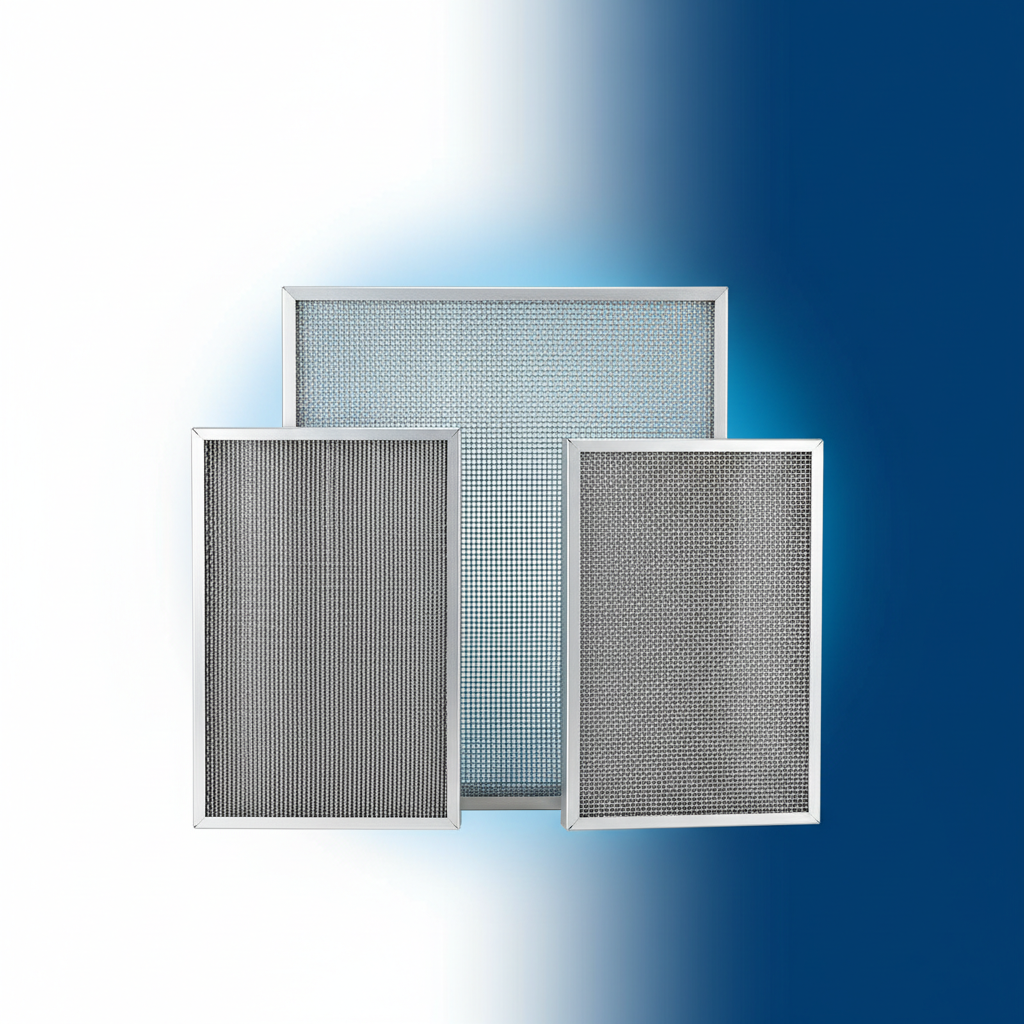
In order to solve the peculiar smell in the car and improve the air safety in the car, it is necessary to increase the cycle purification link in the closed car environment, and there is no doubt that the car air conditioning filter has become an important responsibility. The car air conditioner provides the original power for the exchange of indoor and outdoor air, but in order to satisfy the purification of the indoor circulating air, the outdoor air enters the car after being filtered. The filter becomes an essential artifact for the car owner! The small body shows great power, creating a safe and reliable space in the car, allowing car owners to enjoy healthy breathing at all times. Editor’s reminder: In order to avoid secondary pollution of the car air conditioner filter, generally speaking, it should be replaced after two to three months of use (the specific replacement frequency can be considered according to the actual frequency of use)