Ụgbọ njem ọha abụrụla ebe ọhụrụ zoro ezo dị ize ndụ maka ọrịa oyi baa okpueze ọhụrụ, ihe ize ndụ nke mbufe dị elu. Enweela ọtụtụ mgbasa ozi na ọrịa nke ụgbọ ala, tagzi na ụgbọ oloko kpatara. N'oge mgbochi na njikwa ọrịa na-efe efe, na mgbakwunye na iwusi mgbochi ọrịa na njikwa njikwa na mpaghara njem (dị ka ohere oche, ibelata ire tiketi, wdg), na ibelata ihe ize ndụ nke mbufe nje na njem ọha, ịnya ụgbọ ala aghọwo ụzọ kacha dịrị nchebe.
Ma ọ̀ bụ ihe nzuzu mmadụ iji ụgbọ ala aga?
N'ezie, ọ bụ ezie na ịnya ụgbọ ala nkeonwe nwere ike belata ohere nke ịkpọtụrụ ndị ọrịa nwere ọrịa oyi baa ọhụrụ ma e jiri ya tụnyere ụzọ ụgbọ oloko na bọs, mana n'ihi na ụgbọ ala n'onwe ya bụ ebe mechiri emechi, ozugbo onye njem nwere onye butere ọrịa, ị nwere ike bute ya. Mmekọahụ na-abawanye nke ukwuu. Ya mere, ọ bụ ezie na ịnya ụgbọ ala bụ ụdị ụgbọ njem kachasị dị nchebe ruo n'ókè ụfọdụ, anyị agaghị eleghara usoro nchebe dị mkpa anya mgbe anyị na-anya ụgbọ ala. Na mgbakwunye na usoro nchekwa ndị a kpọtụrụ aha ebe a, anyị ka ga-ebelata mmekọrịta chiri anya ma nọgide na-eyi ihe mkpuchi. Otu esi edozi nsogbu nke ịbawanye ohere nke nnyefe ikuku nke nje na mpaghara ụgbọ ala mechiri emechi site na isi iyi bara uru ka a chọpụta ya, n'ihi na nke a abụghị naanị n'oge ọrịa ahụ. Anyị kwesịrị ịtụle usoro nchekwa. N'èzí ọrịa a, ikuku ime ụlọ nke ụgbọ ala nwekwara njikọ chiri anya na ahụike na nkasi obi anyị.
How to improve the air quality in the car? In-car air quality has always been the focus of consumers’ attention. The new car quality research (IQS) report of the world’s authoritative research organization J.D. Power shows that car interior odor has become the first dissatisfaction in the Chinese market for many years. The main factors affecting air safety in the car are: 1. Air pollution outside the car. Car exhaust, PM2.5, pollen and other harmful suspended particles sneak into the car through the car window or air conditioning system. 2. Interior materials. There are a large number of non-metallic parts that are easy to volatilize in the car, such as plastic door panels, leather seats, and damping panels. There are 8 common volatile organic compounds in vehicles, and clear limits are given for these 8 substances in the national standard GB/T 27630-2011 “Guidelines for Air Quality Evaluation of Passenger Cars”. Serial number project Restriction requirements (mg/m³)
1 benzene ≤0.11
2 Toluene ≤1.10
3 Xylene ≤1.50
4 Ethylbenzene ≤1.50
5 Styrene ≤0.26
6 formaldehyde ≤0.10
7 Acetaldehyde ≤0.05
8 Acrolein ≤0.05
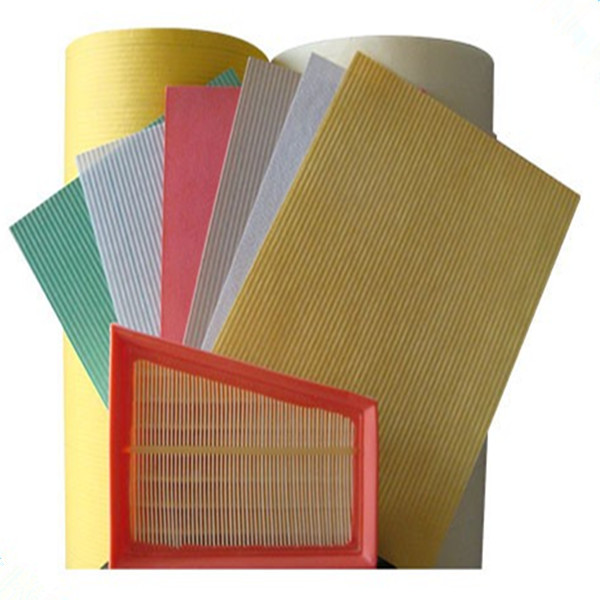
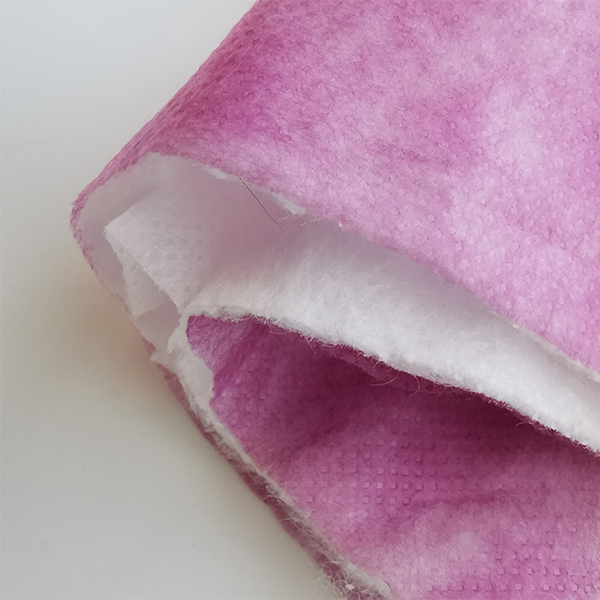
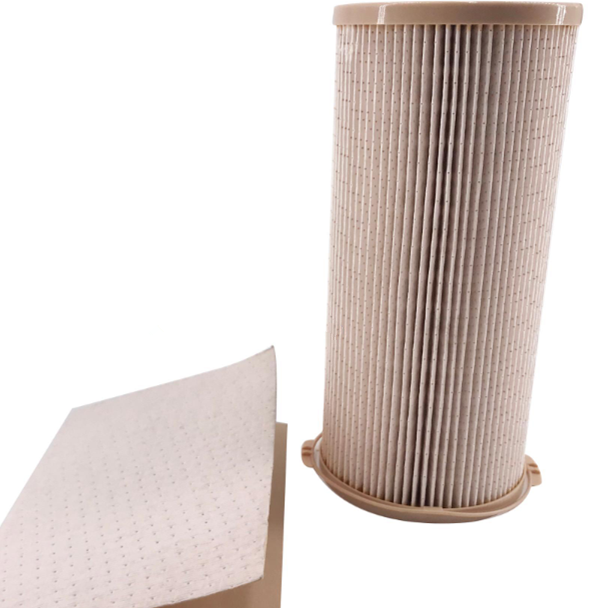
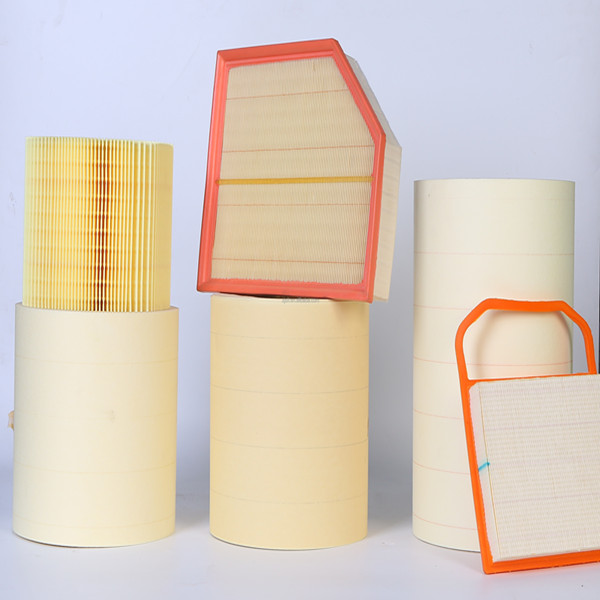
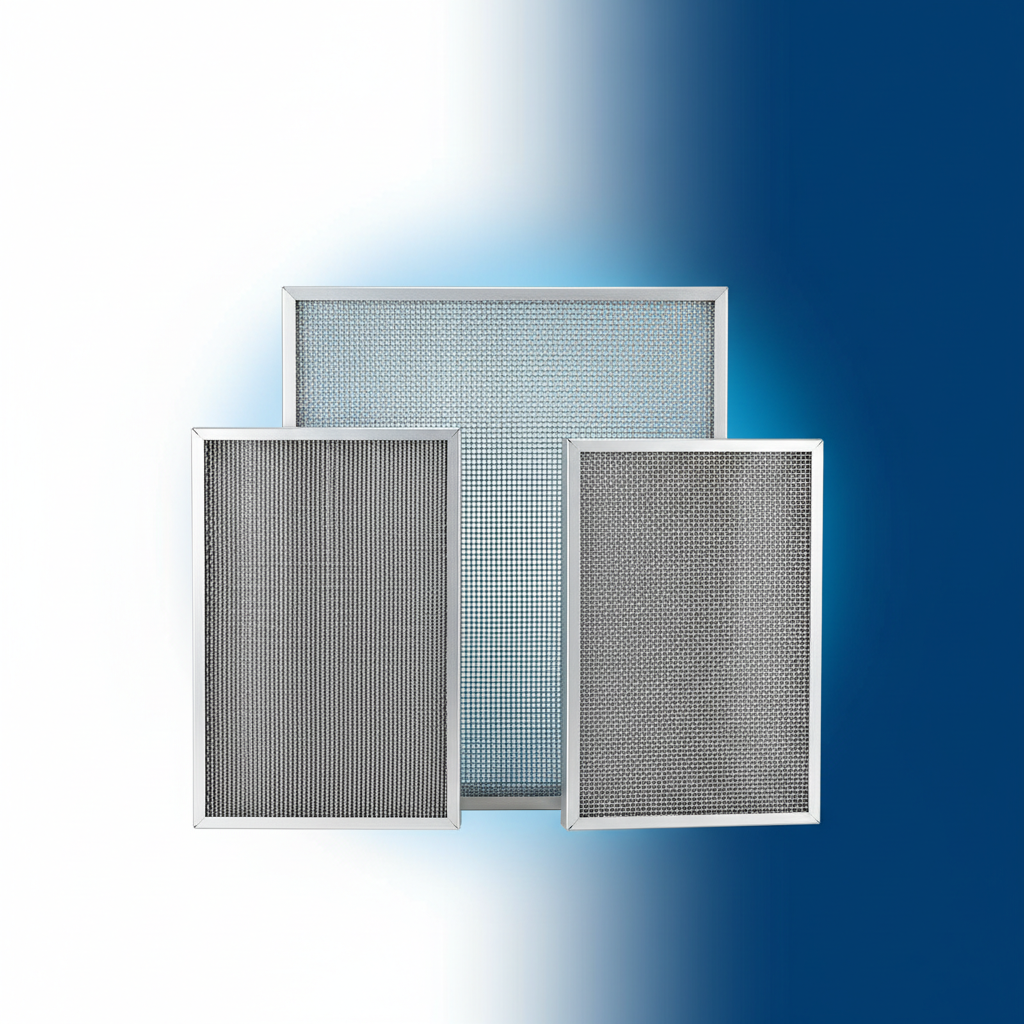
In order to solve the peculiar smell in the car and improve the air safety in the car, it is necessary to increase the cycle purification link in the closed car environment, and there is no doubt that the car air conditioning filter has become an important responsibility. The car air conditioner provides the original power for the exchange of indoor and outdoor air, but in order to satisfy the purification of the indoor circulating air, the outdoor air enters the car after being filtered. The filter becomes an essential artifact for the car owner! The small body shows great power, creating a safe and reliable space in the car, allowing car owners to enjoy healthy breathing at all times. Editor’s reminder: In order to avoid secondary pollution of the car air conditioner filter, generally speaking, it should be replaced after two to three months of use (the specific replacement frequency can be considered according to the actual frequency of use)