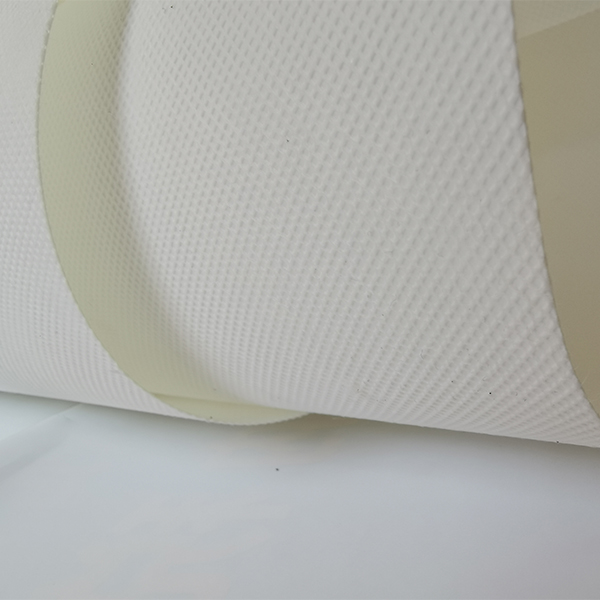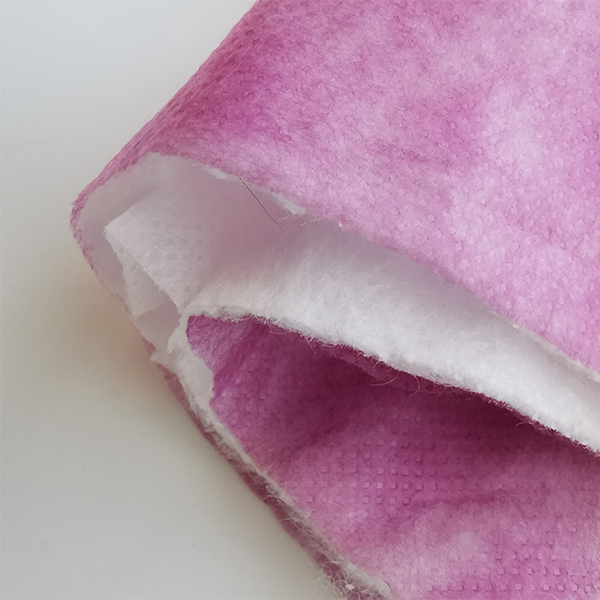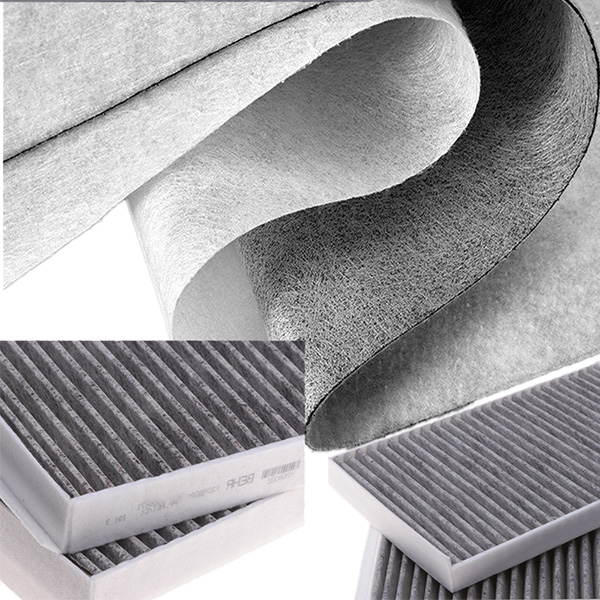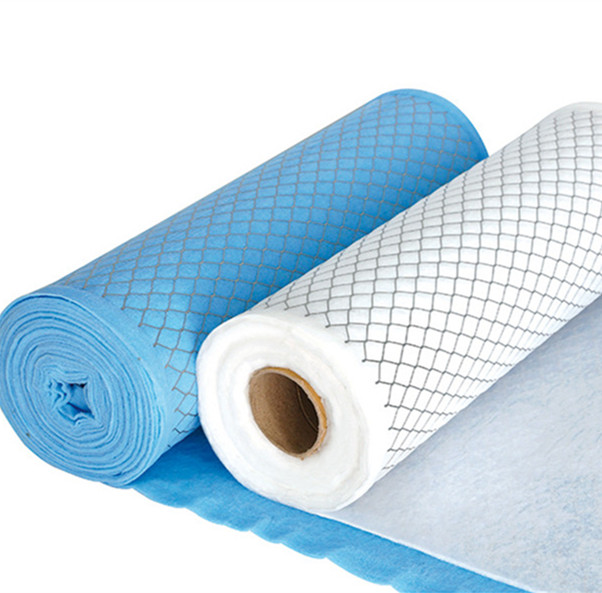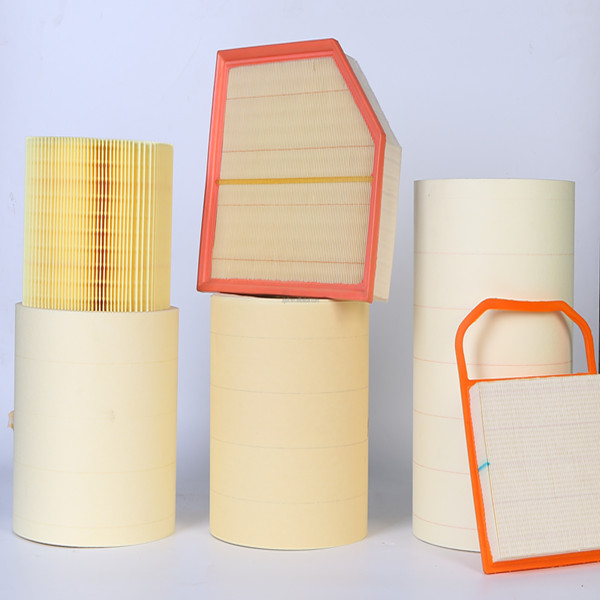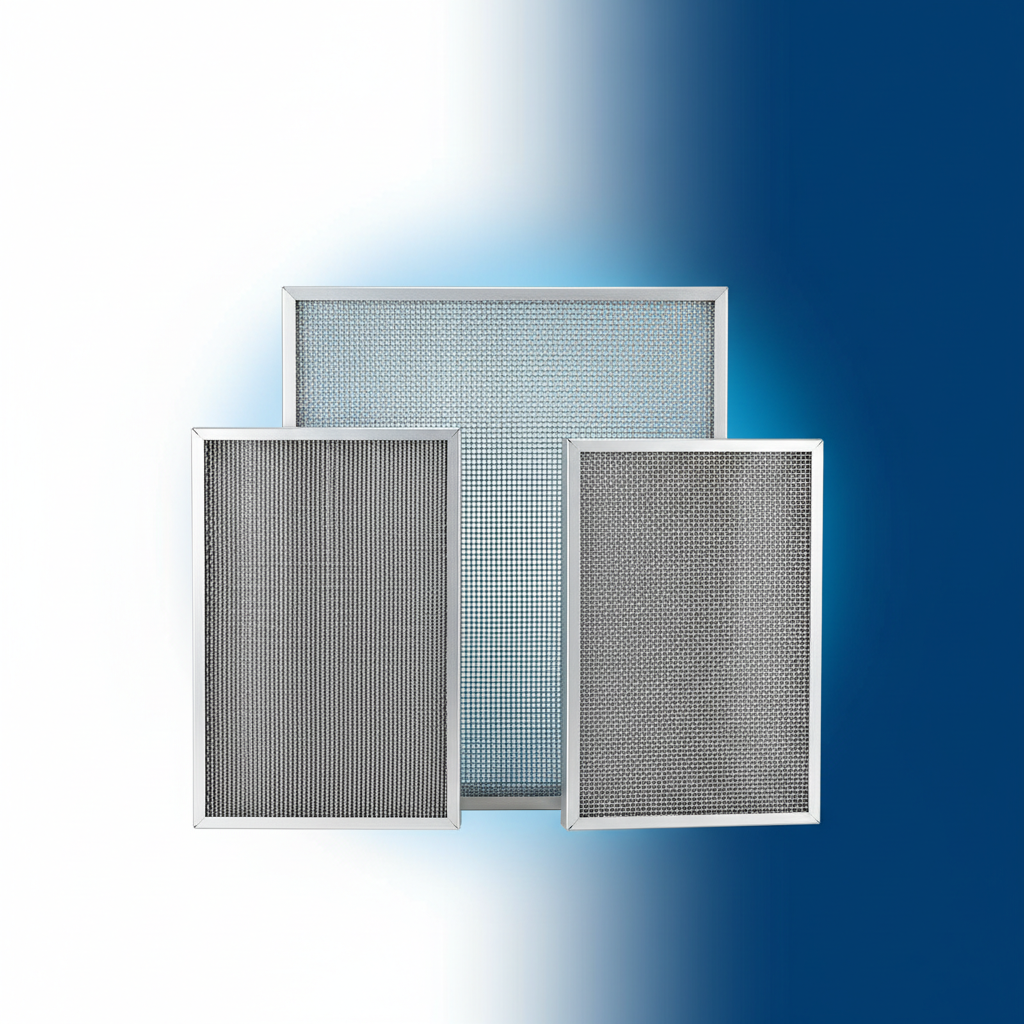
Plastic Frame Air Filter Media
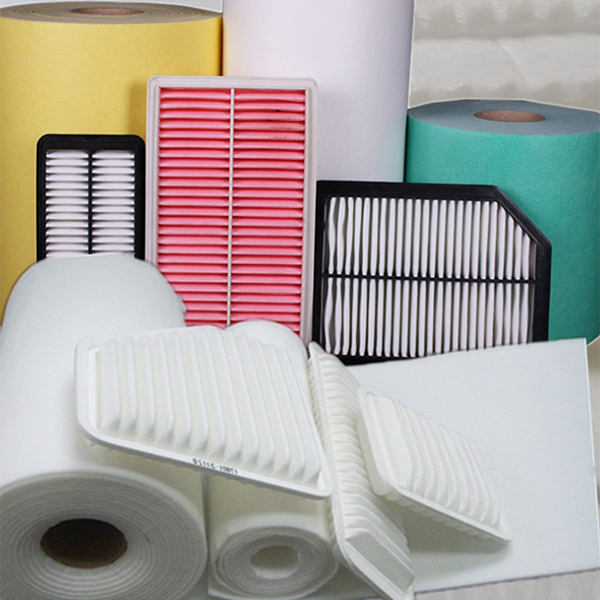
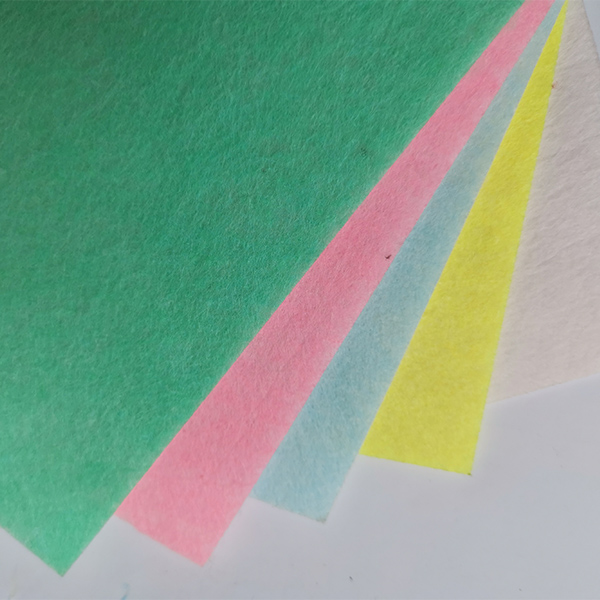
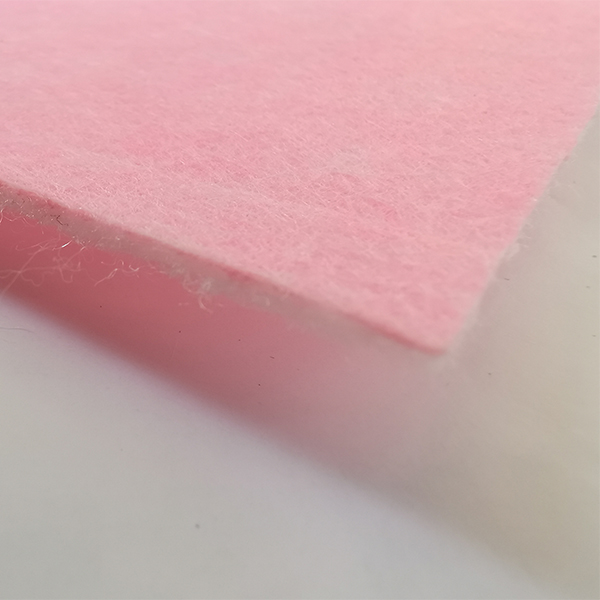
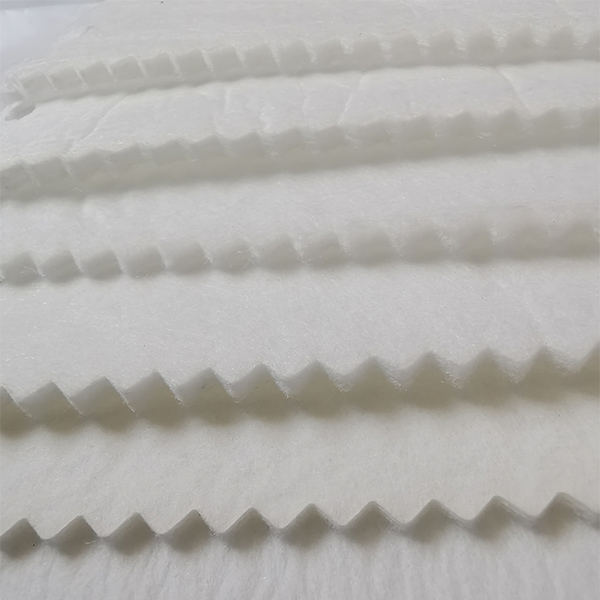

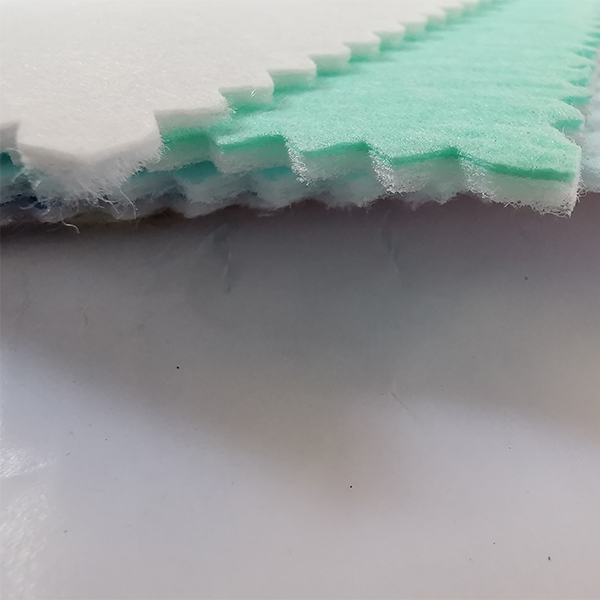
Ihe mgbasa ozi nzacha a bụ nke polyester yana polypropylene site na usoro ntụmadị agịga.
Njirimara ngwaahịa:
Ogologo ndụ ọrụ
Mbelata nrụgide
Nchacha ikuku dị elu yana nchacha kachasị
Nnukwu nguzogide mgbawa
Mmiri na-eguzogide
Ngwa: Ụgbọ ala rọba ikuku nzacha, Auto eco air filter, Cabin air filter, Common Air Conditioner Filters, Engine filter, panel filter, etc.
Nkọwa ngwaahịa:
Ihe PET/PP
Ibu isi 200, 250, 280, 380g/m2
Ike ikuku 1000-1500L / m2s
Ọkpụrụkpụ 1.6-3.0mm
Okwu: Nkọwapụta ndị ọzọ dịkwa dị ka ihe ndị ahịa chọrọ ma ọ bụ nlele anya.
Where is Plastic Frame Air Filter Media Used?
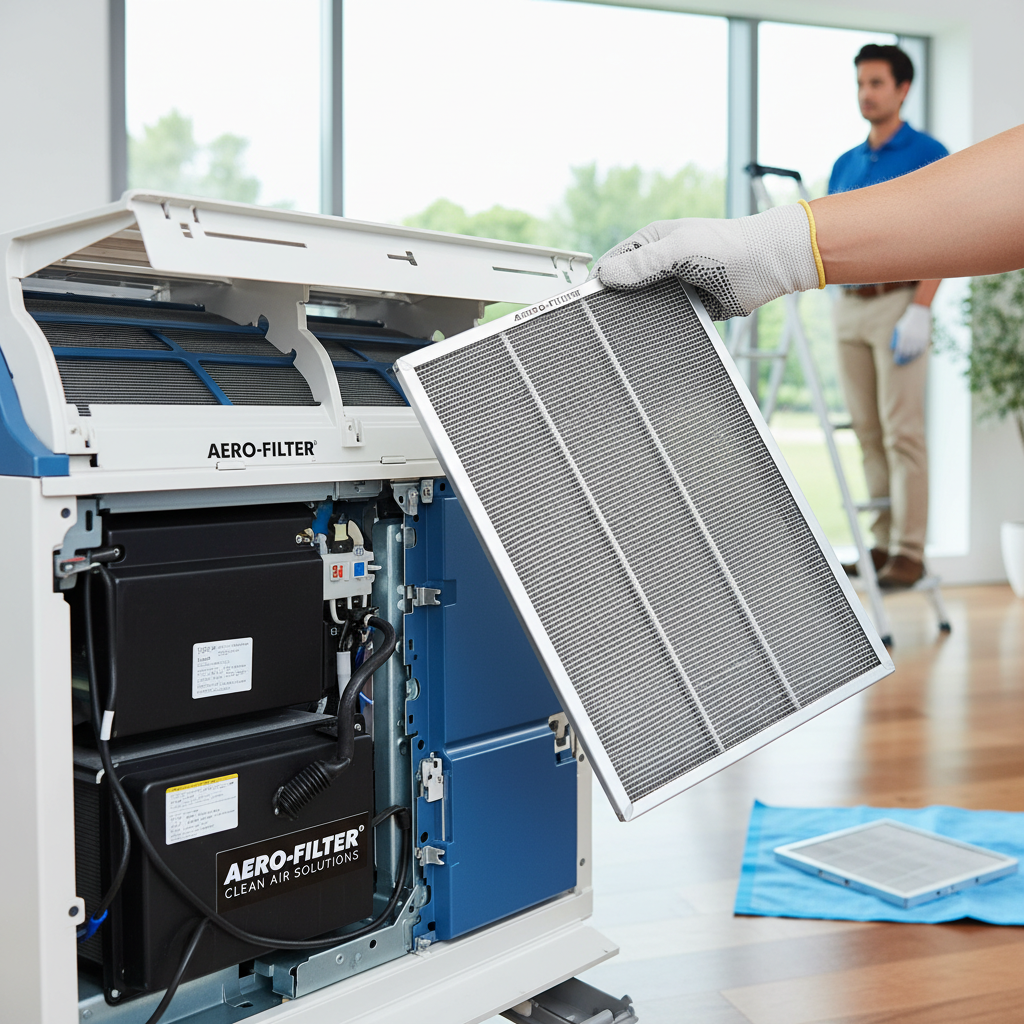
Plastic frame air filter media is commonly used in residential and commercial HVAC systems, where lightweight, corrosion-resistant filtration is needed. These filters are ideal for air handlers, furnaces, and ventilation units in homes, offices, and retail spaces due to their cost-effectiveness and ease of installation. They are also found in cleanrooms, laboratories, and medical facilities, where non-conductive, rust-proof materials are preferred to maintain air purity. Additionally, plastic frame filters are used in automotive cabin air filtration and portable air purifiers, where their lightweight structure and mold-resistant properties enhance durability. Their versatility makes them suitable for environments where metal frames may corrode or add unnecessary weight.
Advantages of Plastic Frame Air Filters vs Metal Frame Filters
Plastic frame air filters offer several benefits over metal frames, including lightweight construction, corrosion resistance, and cost efficiency. Unlike metal frames, plastic does not rust or oxidize in humid conditions, making it ideal for coastal areas or industrial settings with moisture exposure. Plastic filters are also quieter because they dampen vibrations from airflow, reducing operational noise. Installation is easier due to their flexibility and snug fit, minimizing air bypass. Additionally, plastic frames are non-conductive, making them safer in electrical environments. While metal frames may be stronger in extreme heat, plastic frames provide a more economical and durable solution for most standard HVAC applications without sacrificing performance.
Low Pressure Drop and Energy-Saving Features of Plastic Frame Filters
Plastic frame air filters are designed for low pressure drop, meaning they allow air to flow more freely compared to denser or poorly constructed filters. This reduces strain on HVAC systems, leading to lower energy consumption and extended equipment life. The lightweight plastic frame minimizes airflow obstruction, while the media (often synthetic or fiberglass) balances filtration efficiency with breathability. Many plastic frame filters feature pleated designs that increase surface area without increasing resistance, further enhancing energy efficiency. By maintaining optimal airflow with minimal drag, these filters help cut electricity costs in commercial buildings and homes, making them an eco-friendly choice for sustainable air filtration solutions.
non woven air filter media
non woven fabric air filter
non woven media