Filtre d'aire de la cabina
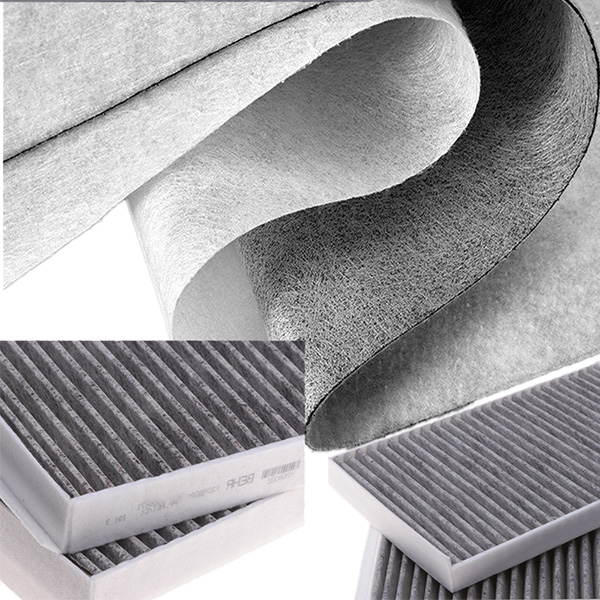
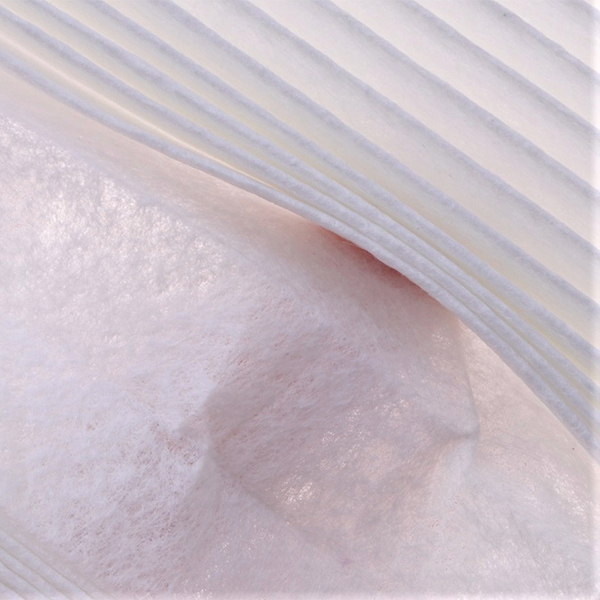
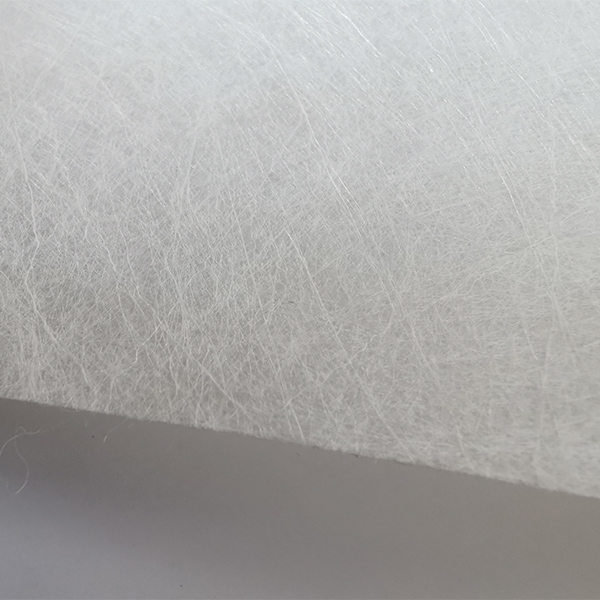
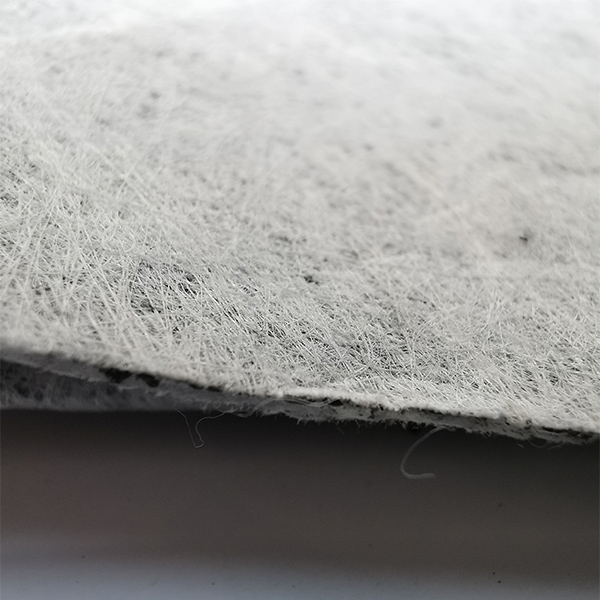
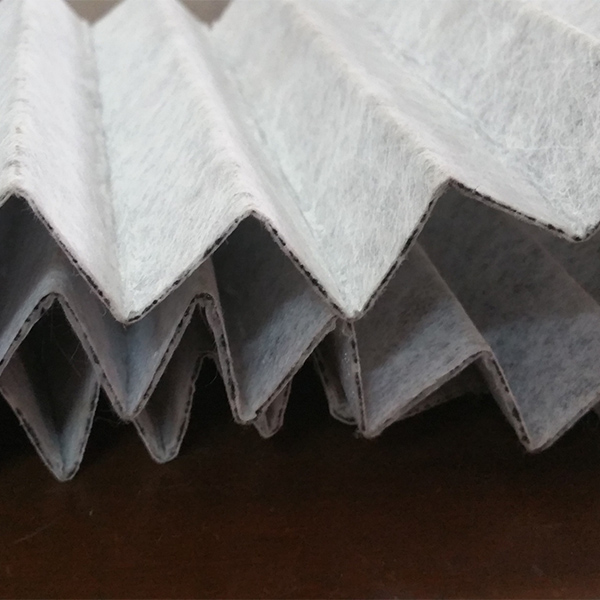
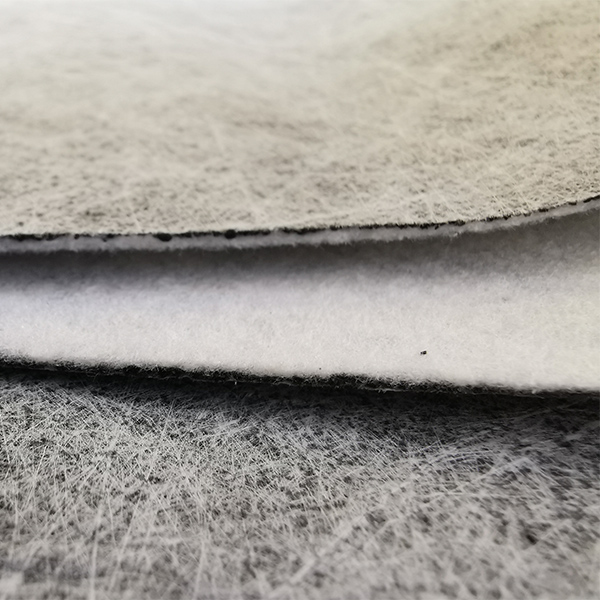
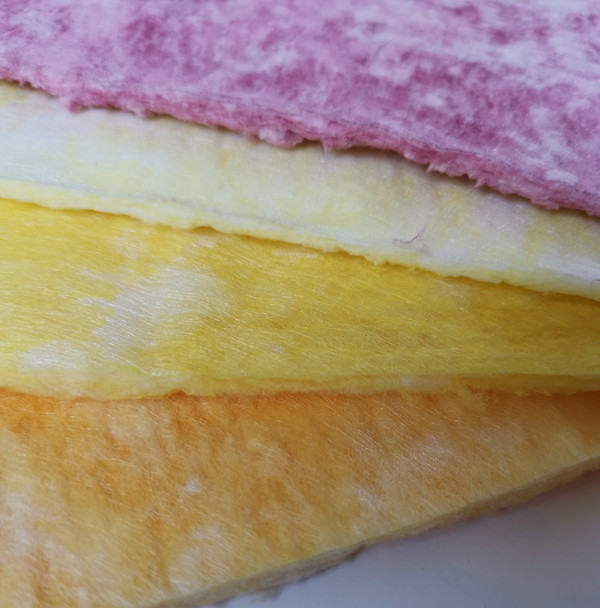
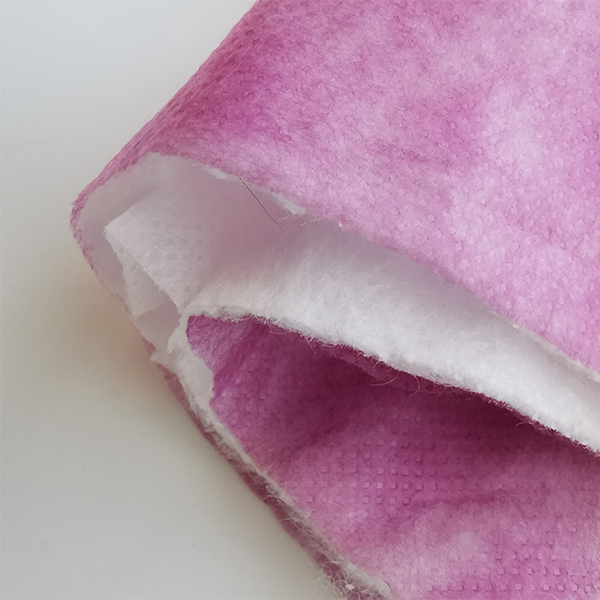
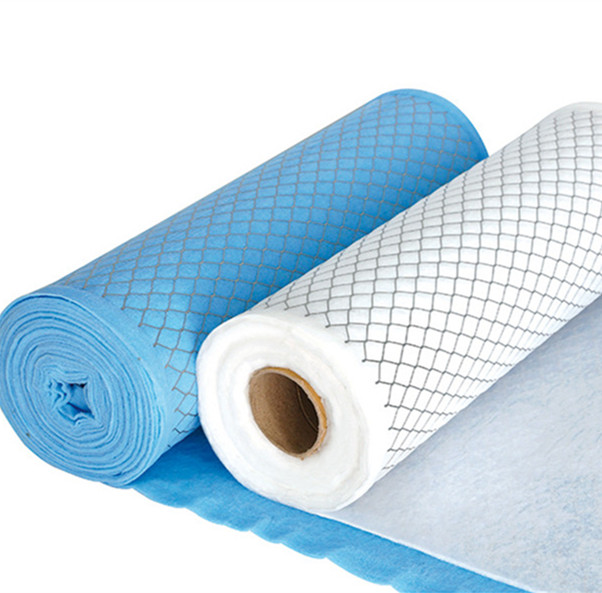
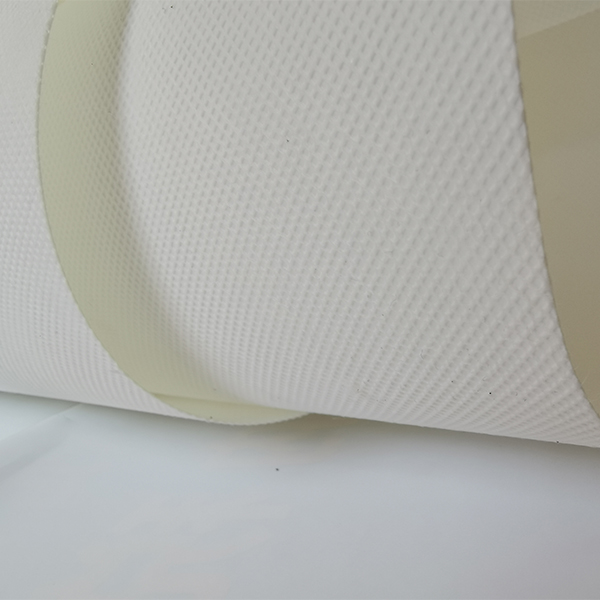
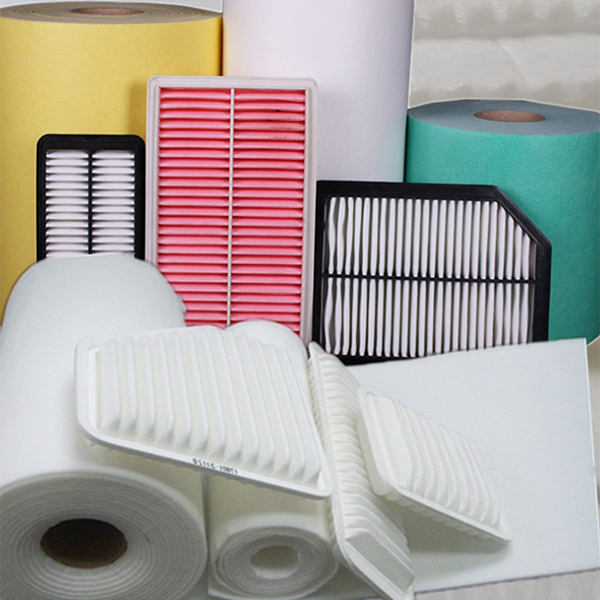
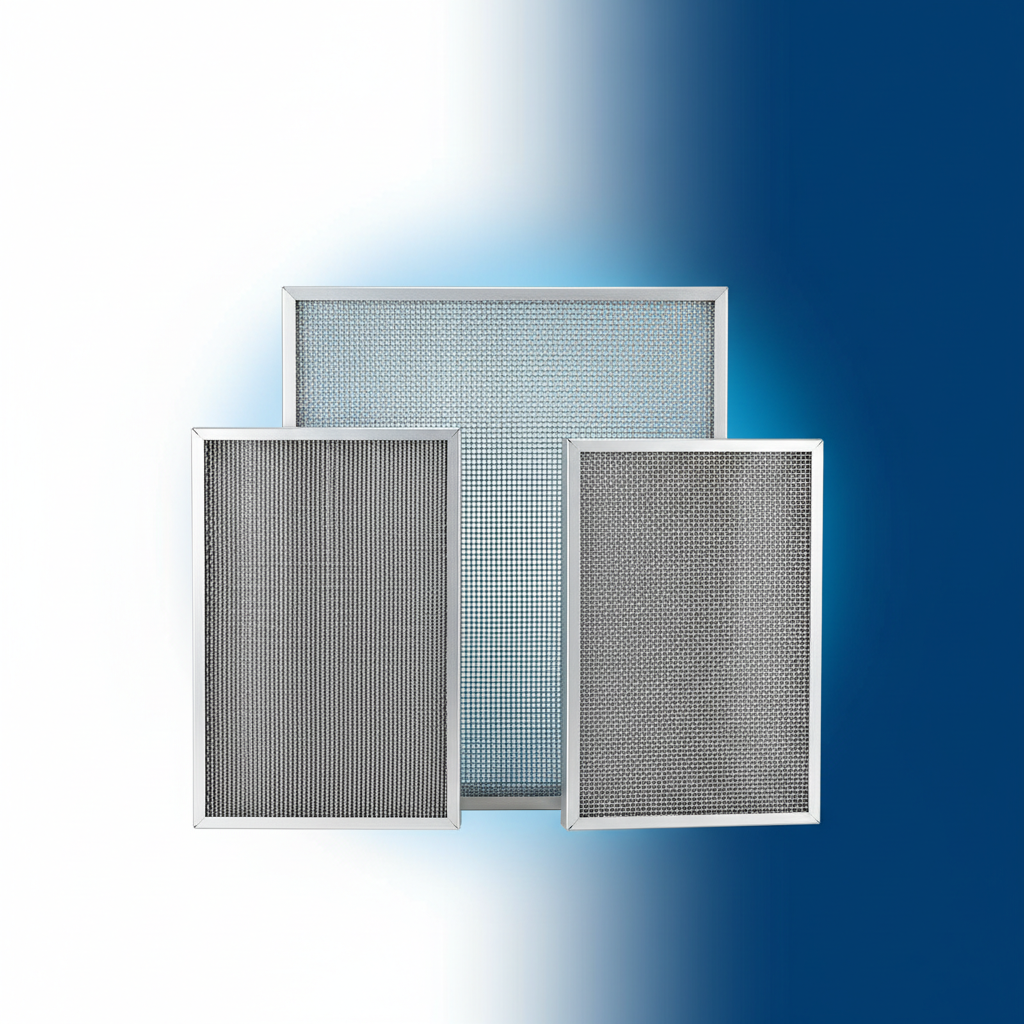
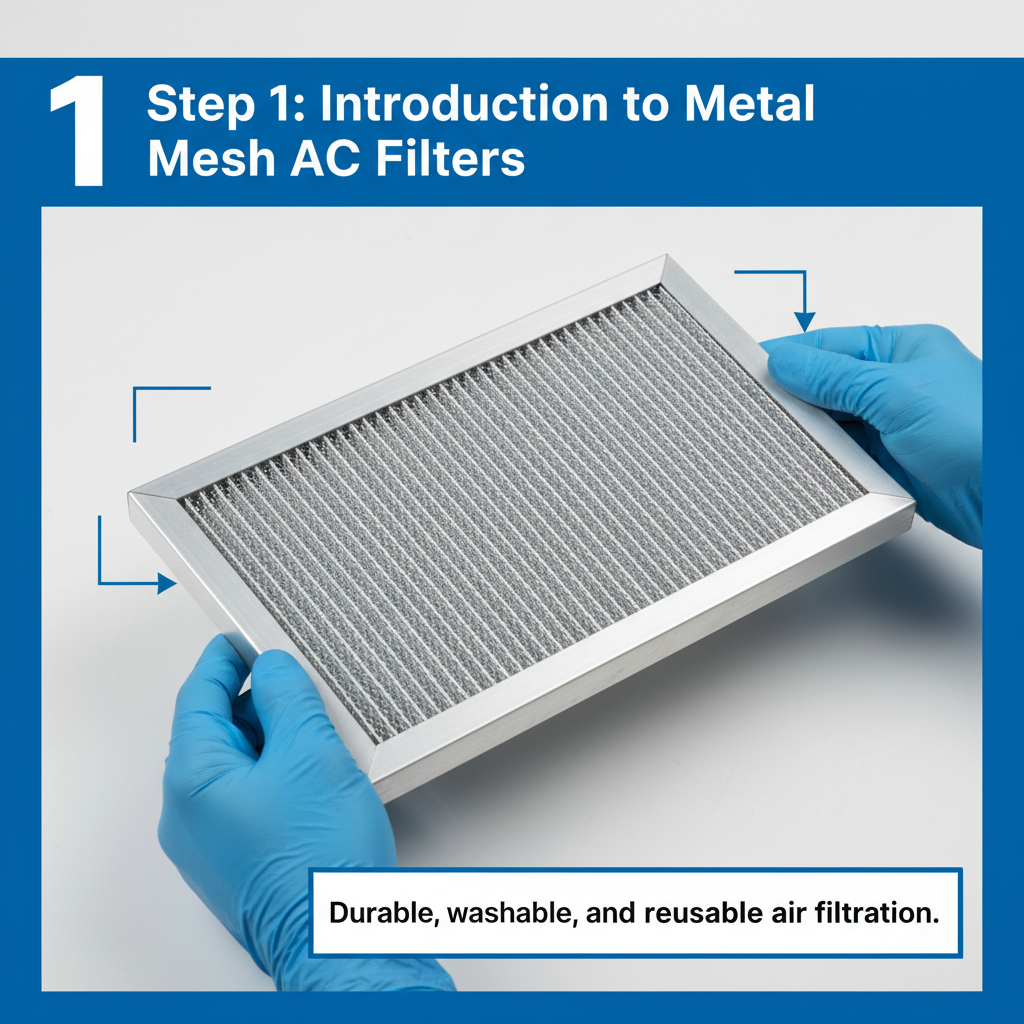
Aquest mitjà de filtre està fet d'una varietat de teixits amb o sense carbó actiu. Es poden combinar molts estils de capa de suport, capa de filtració i capa de funció per satisfer diferents requisits de propietats.
Característica del producte:
Gruix uniforme
Llarga vida laboral
Gran resistència a l'explosió
Excel·lent rendiment de plegat
No fa olor i absorbeix les olors
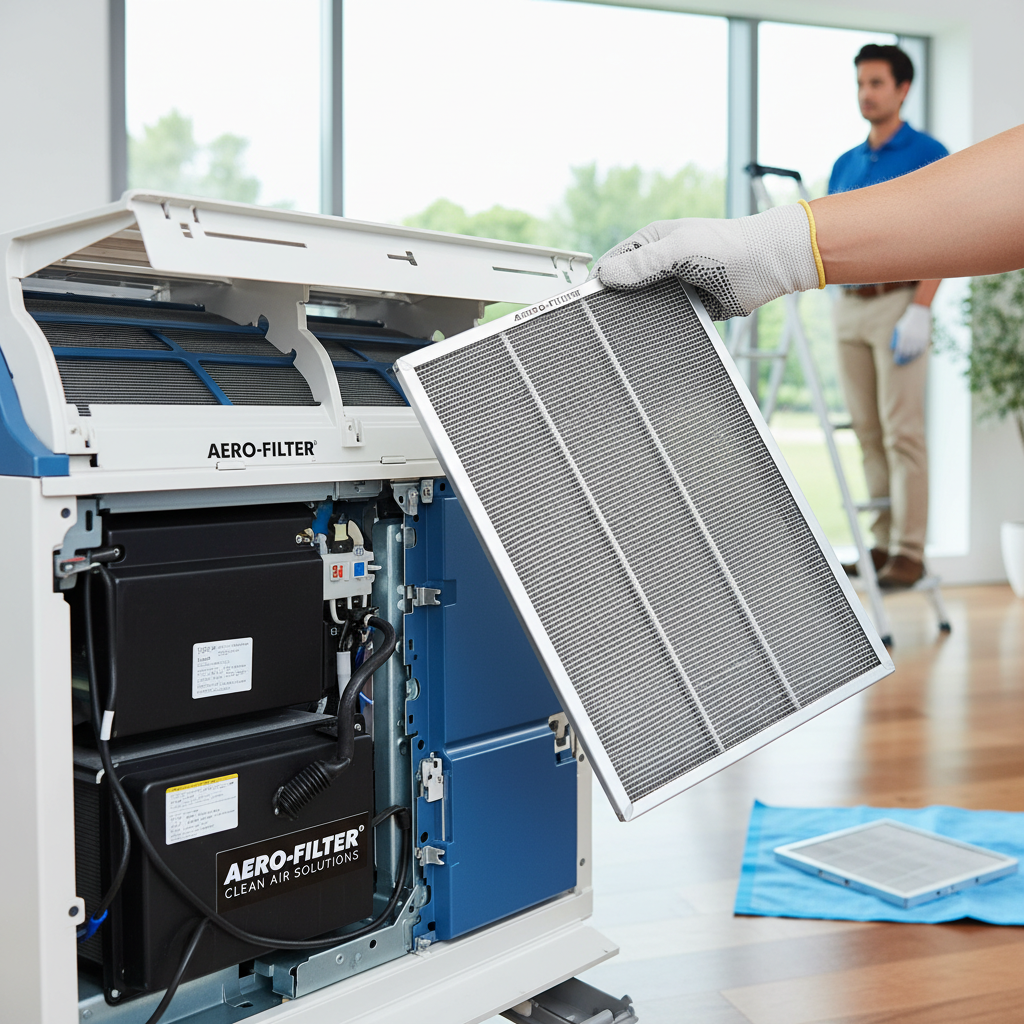
Aplicació: Filtres d'aire de cabina, banda lateral de filtres d'aire de cabina, filtres d'aire condicionat, equips de purificació d'aire, filtres d'aire del panell, cartutx de filtre, etc.
Descripció del producte:
Material PET/PP amb/sense carbó actiu
Pes bàsic 100-780 g/m2
Permeabilitat a l'aire 800-2500L/m2s
Gruix 0,5-3,0 mm
Observació: Altres especificacions també estan disponibles segons el requisit o la mostra del client.
How Cabin Air Filter Media Improves In-Cabin Air Quality and Passenger Health
Cabin air filter media plays a crucial role in trapping airborne pollutants, allergens, and harmful particulates before they enter the vehicle's interior. By capturing dust, pollen, smoke, and even bacteria, these filters significantly reduce respiratory irritants, benefiting passengers with allergies or asthma. Advanced filter media also block exhaust fumes and odors, creating a cleaner, more comfortable cabin environment. In urban areas with high pollution levels, an efficient cabin air filter minimizes exposure to PM2.5 particles and toxic gases, enhancing long-term passenger health. Additionally, by preventing debris from clogging HVAC systems, these filters maintain optimal airflow, ensuring consistent ventilation and reducing the risk of mold growth inside air ducts.
Types of Cabin Air Filter Media: Synthetic, Activated Carbon, HEPA Filters
Modern cabin air filters utilize different media types for varying levels of protection. Synthetic fiber filters offer high dust-holding capacity and resistance to moisture, making them durable and efficient for basic particulate filtration. Activated carbon filters add an extra layer of defense by adsorbing harmful gases, odors, and volatile organic compounds (VOCs), which is particularly useful in heavy traffic or industrial areas. HEPA-grade filters provide the highest level of filtration, capturing up to 99.97% of particles as small as 0.3 microns, including fine dust, smoke, and allergens. Some premium filters combine multiple media types, such as synthetic layers with activated carbon, for comprehensive air purification inside vehicles.
Differences Between Synthetic and Natural Fiber Cabin Air Filter Media
Synthetic cabin air filter media, typically made from polyester or polypropylene, offers superior durability, moisture resistance, and consistent filtration efficiency compared to natural fiber options. These materials are less prone to mold and bacterial growth, making them ideal for humid climates. Natural fiber filters, often composed of cellulose or cotton, may provide adequate initial filtration but degrade faster when exposed to moisture, leading to reduced performance over time. Synthetic media also allows for finer fiber structures, improving particle capture without significantly restricting airflow. While natural fiber filters are sometimes marketed as eco-friendly, synthetic alternatives often last longer and provide more reliable protection against modern urban pollutants.
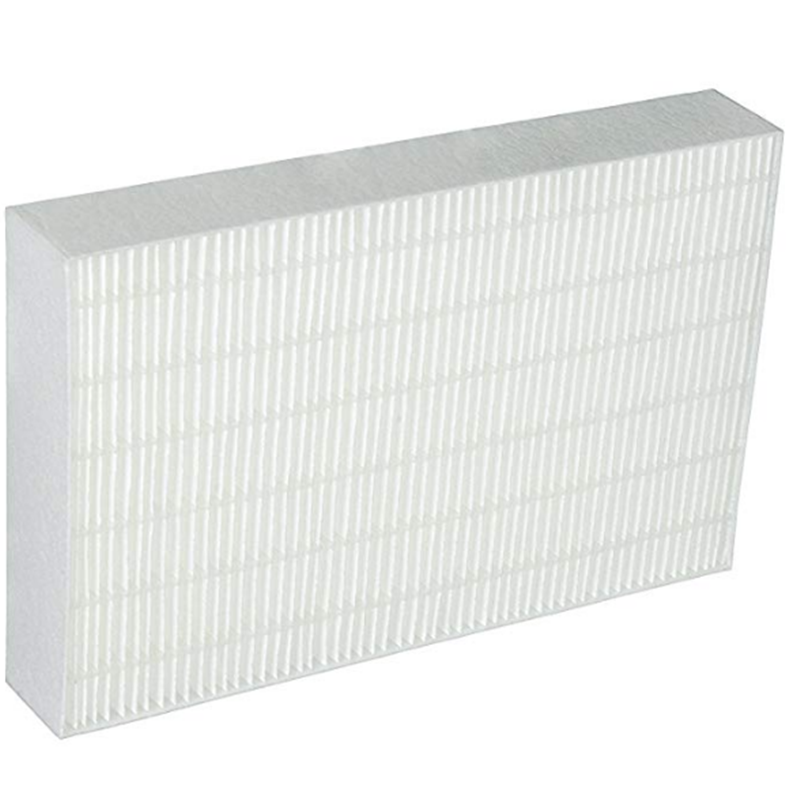
air filter model 3
cabin air filter material
cabin air filter media