Understanding Wire Mesh AC Filters: A Comprehensive Guide
Maintaining optimal indoor air quality is crucial for health and comfort, and a key component of any effective HVAC system is the air filter. Among the various types available, wire mesh AC filters offer a unique blend of benefits, particularly for specific applications. This article provides an in-depth look at wire mesh filters, exploring their construction, advantages, disadvantages, and ideal uses. We’ll cover everything you need to know to determine if a wire mesh filter is the right choice for your needs, from their effectiveness in capturing particles to their long-term cost savings.
What are Wire Mesh AC Filters?
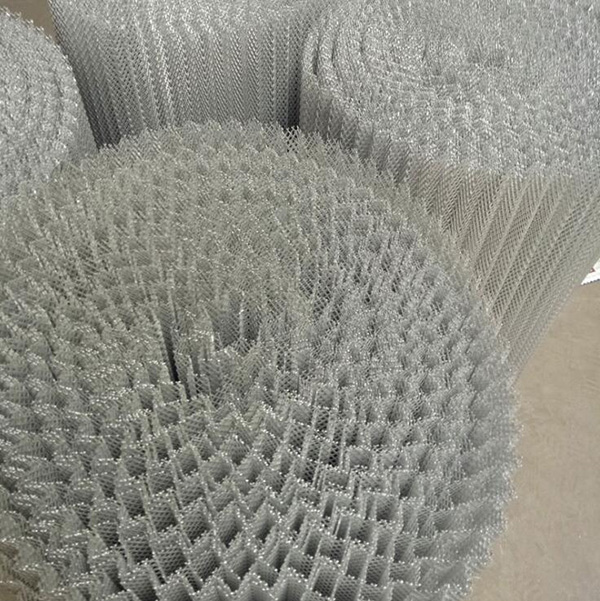
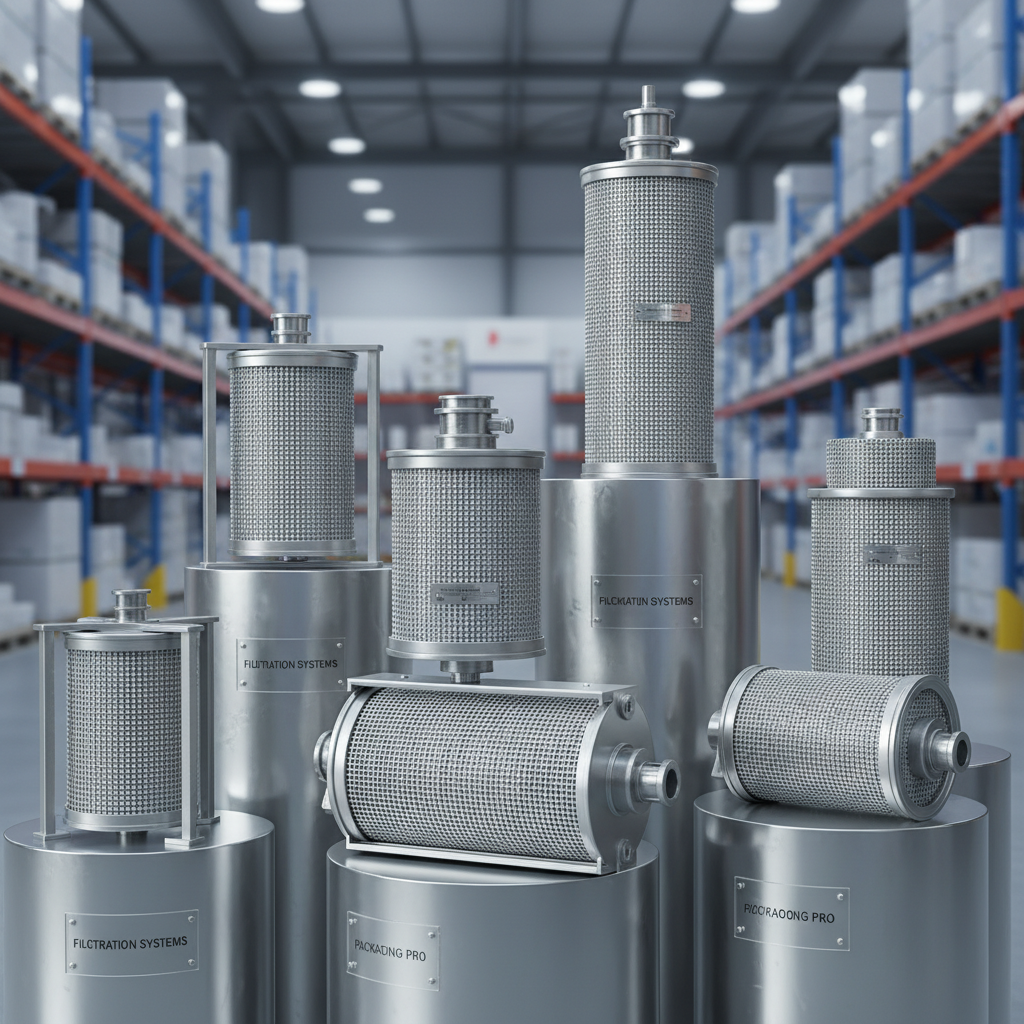
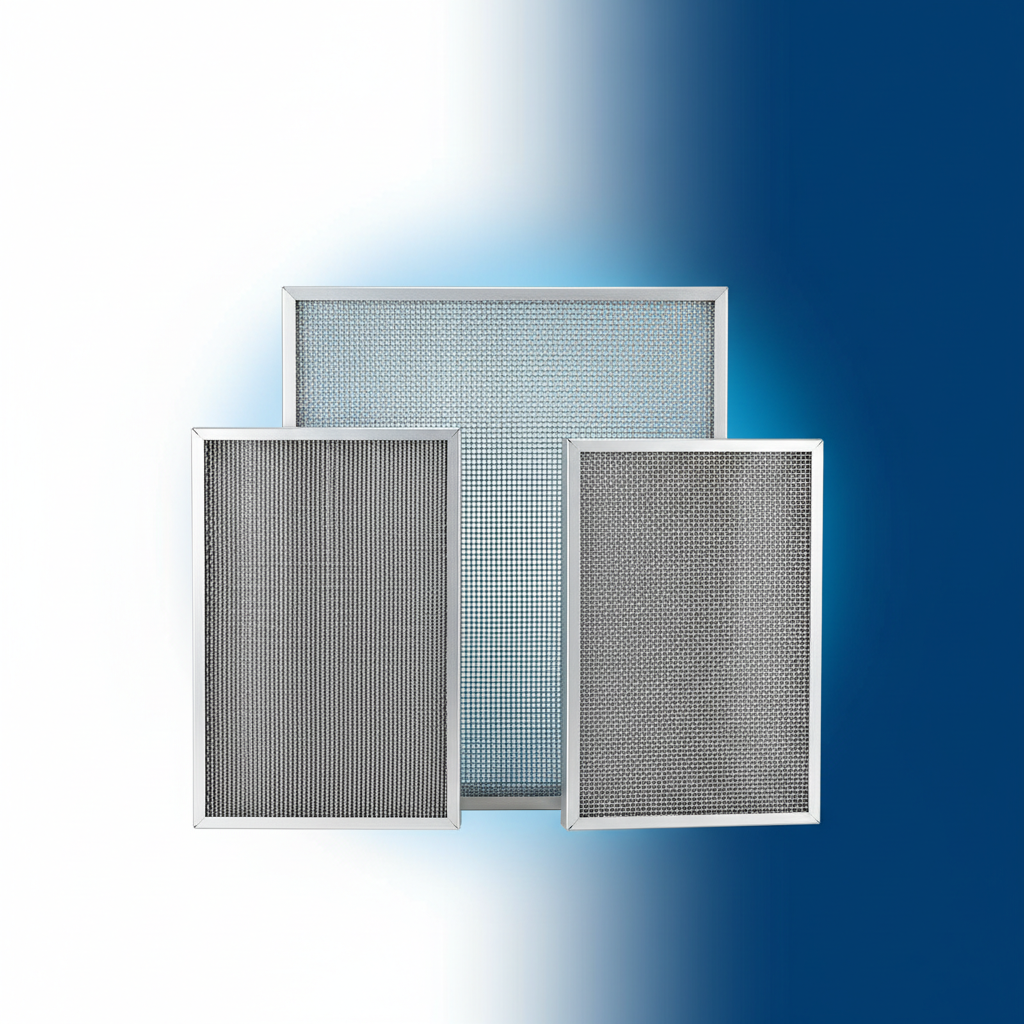
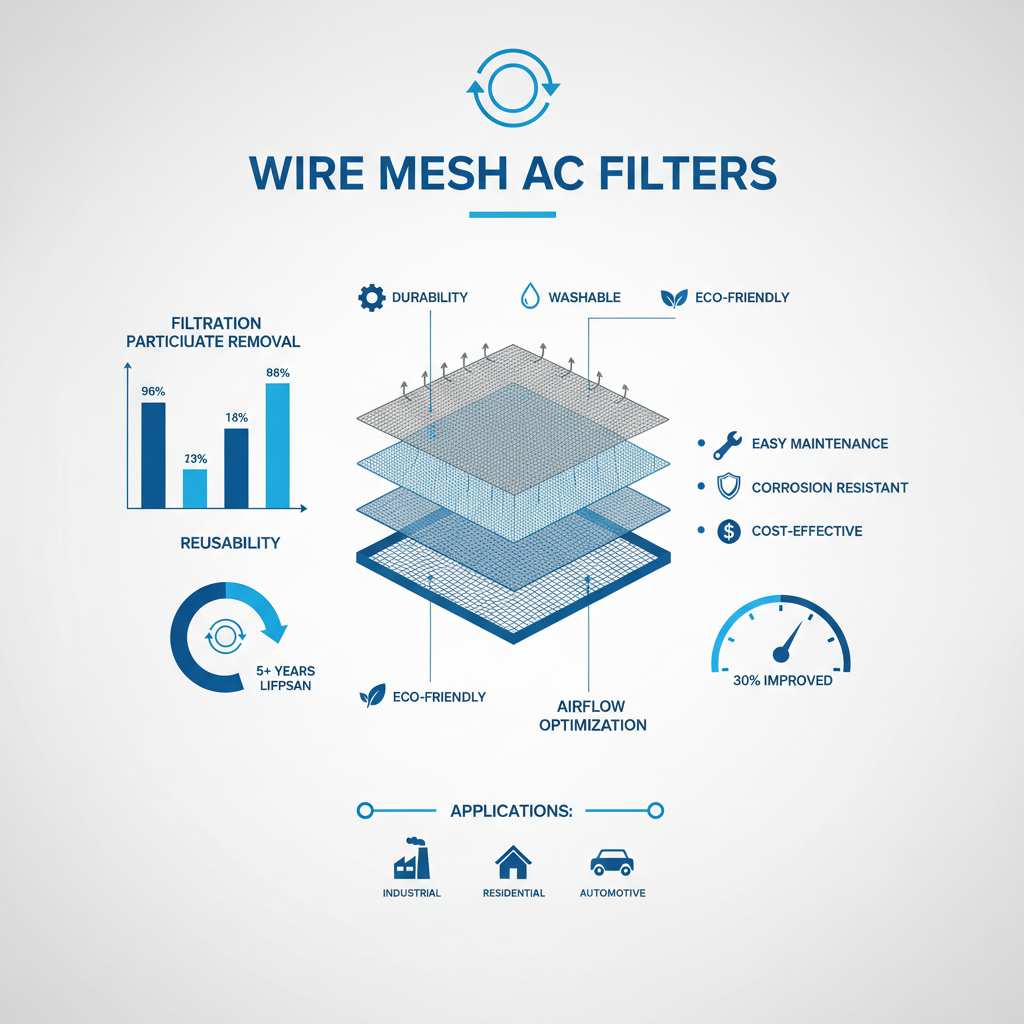
Wire mesh AC filters, as the name suggests, are constructed from woven metal wire. Unlike disposable fiberglass or pleated filters, they are designed to be washable and reusable. The wire mesh captures larger particles like dust, pollen, pet dander, and lint, preventing them from circulating through your HVAC system. These filters typically don’t utilize a traditional filter media, instead relying on the physical barrier created by the interwoven wires. They’re often chosen for their durability and lower long-term cost, though they have limitations in capturing very small particles. Anya Filter Media offers a range of high-quality wire mesh filters designed for various applications.
Key Highlights: Washable and reusable, durable construction, ideal for capturing larger particles, and a cost-effective long-term solution.
The Benefits of Using Wire Mesh AC Filters
Wire mesh filters offer several compelling advantages. Their reusability significantly reduces landfill waste compared to disposable filters. Regularly washing the filter – typically every 1-3 months, depending on usage – restores its effectiveness. This can lead to considerable cost savings over time, as you won’t need to continually purchase replacements. Furthermore, the relatively open structure of the mesh allows for excellent airflow, which can improve HVAC system efficiency and potentially lower energy bills. They are also exceptionally durable and less prone to damage than paper or fiberglass filters.
Wire Mesh AC Filters vs. Other Filter Types
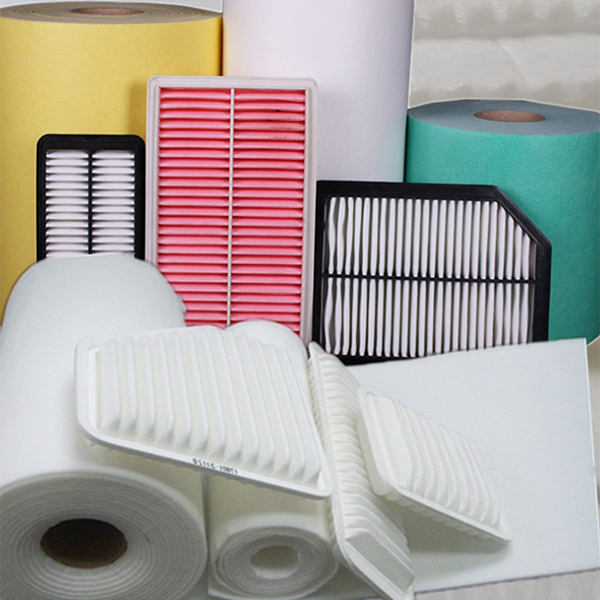
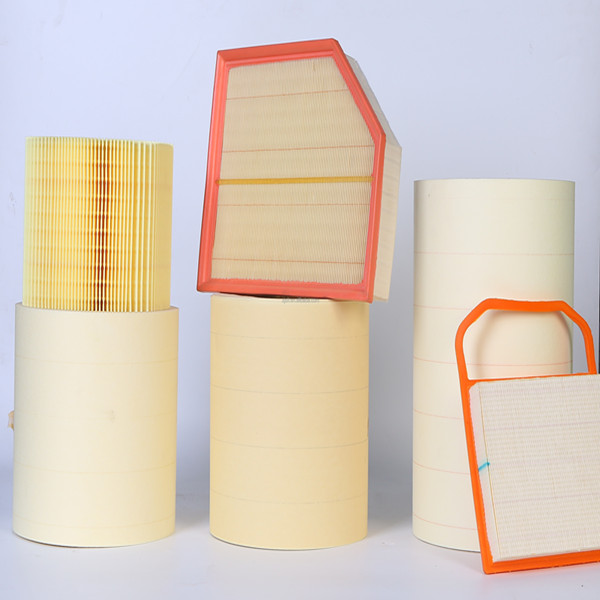
Understanding how wire mesh filters compare to other common types is essential for making an informed decision. While offering cost savings and reusability, they are less effective at capturing smaller particles like mold spores and bacteria compared to pleated or HEPA filters. Here's a quick comparison:
Ideal Applications for Wire Mesh Filters
Wire mesh filters are particularly well-suited for environments where large particulate matter is the primary concern. This includes applications like pre-filtering for more sensitive equipment, protecting HVAC systems in woodworking shops, or providing basic filtration in homes with pets. They are a good option for shops where the main goal is preventing large debris from entering the system, rather than achieving hospital-grade air purification. They are often used as a first stage filter combined with a more efficient filter for better overall air quality.
Maintenance and Cleaning of Wire Mesh Filters
Maintaining a wire mesh filter is straightforward. Remove the filter from your HVAC system and use a vacuum cleaner with a brush attachment to remove loose dust and debris. For a more thorough cleaning, you can wash the filter with mild soap and water. Ensure the filter is completely dry before reinstalling it to prevent mold growth. Inspect the mesh periodically for any damage, such as tears or bends, and replace the filter if necessary. Anya Filter Media provides detailed cleaning instructions with all of its wire mesh filter products.
Conclusion: Choosing the Right Filter for Your Needs
Choosing the right AC filter depends on your specific needs and priorities. Wire mesh AC filters are an excellent choice for those seeking a durable, reusable, and cost-effective solution for capturing larger particles. If you require a higher level of filtration for smaller particles, consider a pleated or HEPA filter. Explore the wide range of filter options available at Anya Filter Media to find the perfect fit for your HVAC system and indoor air quality goals.
Frequently Asked Questions (FAQs)
How often should I clean my wire mesh AC filter?
The frequency of cleaning depends on your environment and the level of dust and debris present. Generally, a visual inspection every month is recommended. Cleaning is typically required every 1-3 months. If you notice a significant buildup of dust or a decrease in airflow, it’s time to clean the filter. In particularly dusty environments, more frequent cleaning may be necessary. Regular cleaning will maintain optimal airflow and ensure the filter’s effectiveness. You can find detailed cleaning guides on our website.
Are wire mesh filters suitable for people with allergies?
While wire mesh filters capture larger particles like dust and pollen, they are not as effective at removing smaller allergens like mold spores and pet dander as pleated or HEPA filters. If someone in your household suffers from severe allergies or asthma, a more efficient filter is recommended. However, a wire mesh filter can serve as a pre-filter to capture larger particles, extending the life of a more expensive high-efficiency filter.
Can I use a wire mesh filter in any type of HVAC system?
Most standard HVAC systems can accommodate wire mesh filters, as they come in common sizes. However, it’s essential to check your HVAC system’s manual to ensure compatibility and the correct filter size. Using the wrong size filter can reduce airflow and damage your system. Anya Filter Media provides filters in a variety of standard sizes to fit most systems.
What are the benefits of using a reusable filter like a wire mesh filter?
The primary benefit is environmental: reducing landfill waste. Over time, the cost savings from not having to repeatedly purchase disposable filters can also be significant. Reusable filters are also often more durable and can withstand more frequent handling than disposable options. They're a great choice for those looking for a sustainable and cost-effective air filtration solution.
Post time: Mar-09-2026