Understanding Knitted Wire Mesh Filter: Applications and Benefits
In various industrial filtration processes, choosing the right filter media is critical for efficiency and product quality. Knitted wire mesh filters offer a unique combination of properties that make them ideal for a wide range of applications. This article will delve into the characteristics, advantages, and diverse uses of knitted wire mesh filters, helping you understand why they are a preferred choice across numerous industries. Effective filtration is paramount for optimal performance and longevity of your systems, and understanding your filter options is the first step towards achieving that.
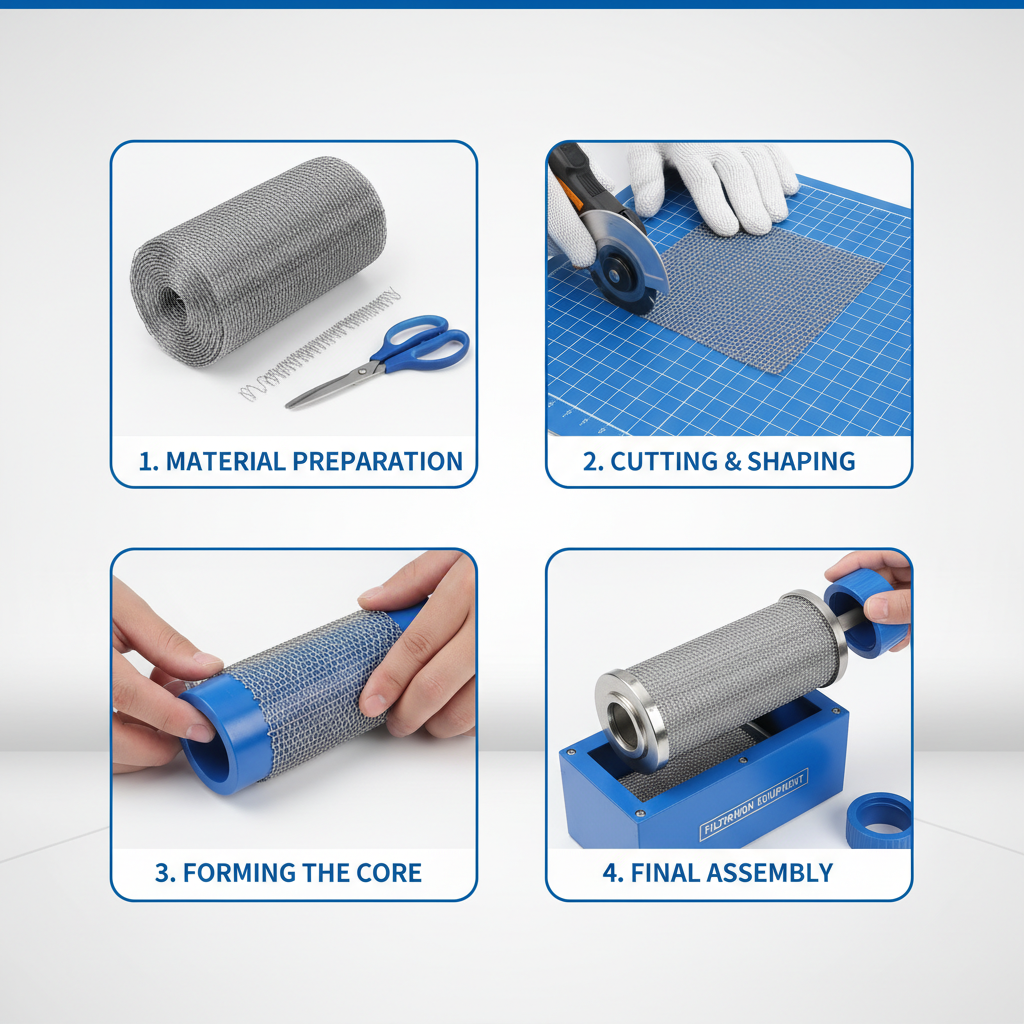
What is a Knitted Wire Mesh Filter?
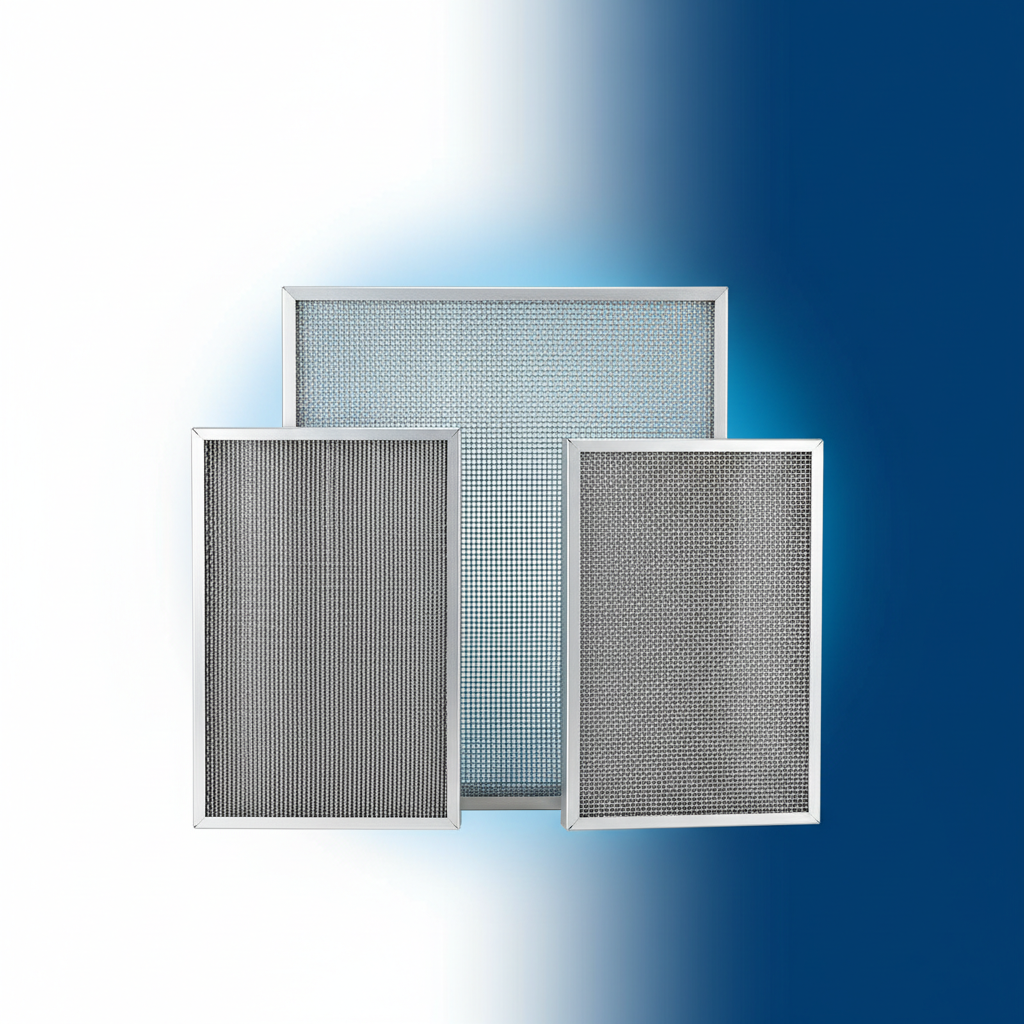
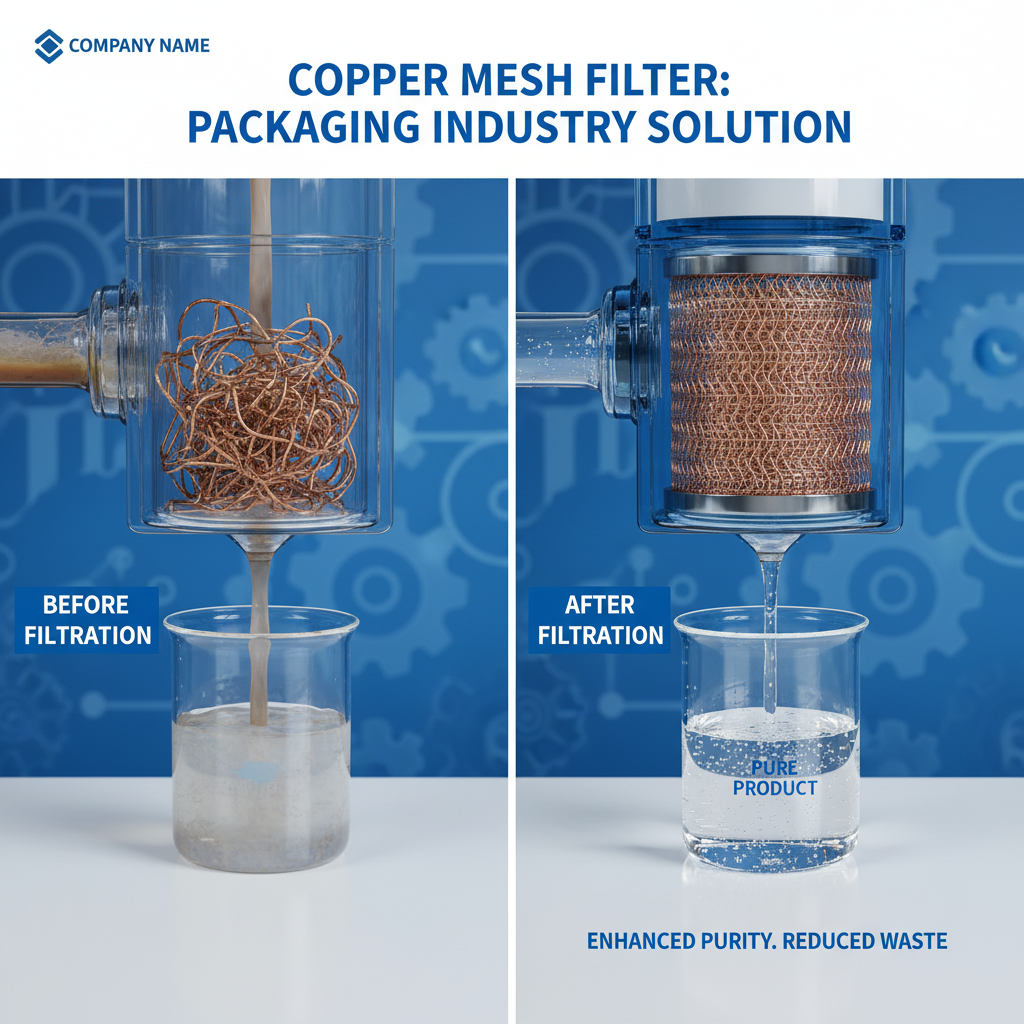
A knitted wire mesh filter is created by interlooping wires, rather than weaving them. This knitting process results in a filter medium with inherent elasticity and a high degree of permeability. Unlike woven mesh, which can be rigid, knitted mesh conforms easily to irregular shapes and can withstand significant pressure differentials. The construction allows for a more consistent pore size distribution, leading to more predictable filtration performance. The wire materials used can vary widely – including stainless steel, alloy steel, nickel alloys, and more – allowing for compatibility with diverse fluids and temperatures. Anya Filter Media specializes in custom knitted wire mesh filter solutions tailored to specific customer needs.
Key Characteristics: High permeability, elasticity, consistent pore size, adaptable to various wire materials, and pressure resistance.
Key Advantages of Using Knitted Wire Mesh Filters
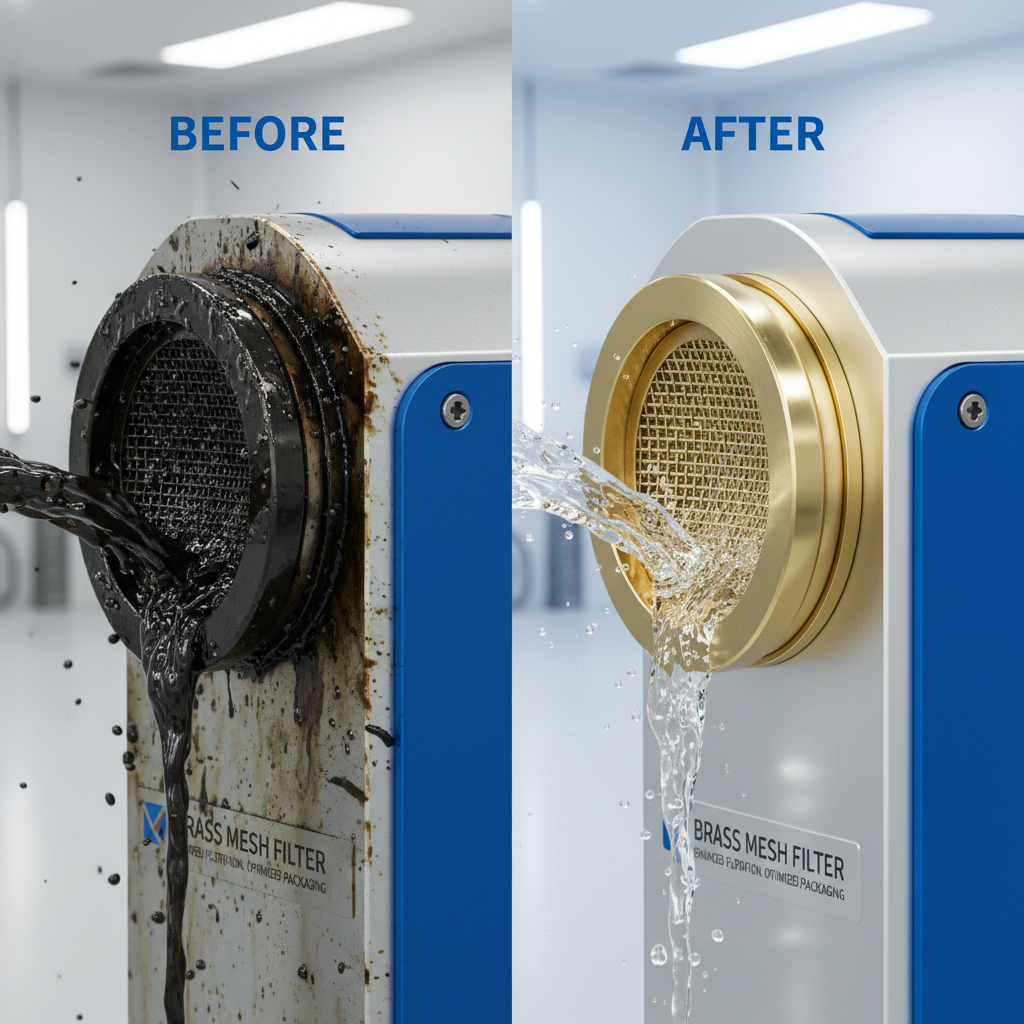
Knitted wire mesh filters offer several advantages over traditional filter media. Their elasticity allows them to withstand thermal expansion and contraction without losing their shape or integrity. The inherent strength of the wire construction enables them to operate under high-pressure conditions. Furthermore, they are often easier to clean and regenerate compared to other filter types, leading to lower operational costs and extended filter life. The ability to customize the wire material, mesh size, and construction allows for optimized filtration performance for specific applications. They provide excellent support and prevent media collapse, ensuring long-term reliable operation.
Benefits at a Glance:
• Excellent strength and durability
• High permeability and flow rates
• Resistance to high temperatures and pressures
• Customizable to meet specific application requirements
Knitted Wire Mesh Filter Applications Across Industries
The versatility of knitted wire mesh filters makes them applicable to a wide variety of industries. In the chemical processing industry, they’re used for catalyst recovery and fine particle removal. The oil and gas industry utilizes them for sand control and well stream filtration. Pharmaceutical companies employ them for sterile filtration and clarification. In the food and beverage sector, they’re crucial for beverage clarification and liquid straining. Aerospace applications include hydraulic fluid filtration and fuel filtration. Essentially, any process requiring precise particle separation can benefit from a customized knitted wire mesh filter solution.
Choosing the Right Knitted Wire Mesh Filter: Key Considerations
Selecting the optimal knitted wire mesh filter for your application requires careful consideration of several factors. The fluid being filtered – its viscosity, temperature, and chemical composition – are crucial. The particle size distribution you need to remove dictates the required mesh size. The operating pressure and temperature need to be within the limits of the chosen wire material. Finally, consider the desired filter life and cleaning/replacement frequency. Anya Filter Media offers expert guidance to help you navigate these choices and select the most appropriate filter for your specific requirements.
Product Specifications and Customization Options
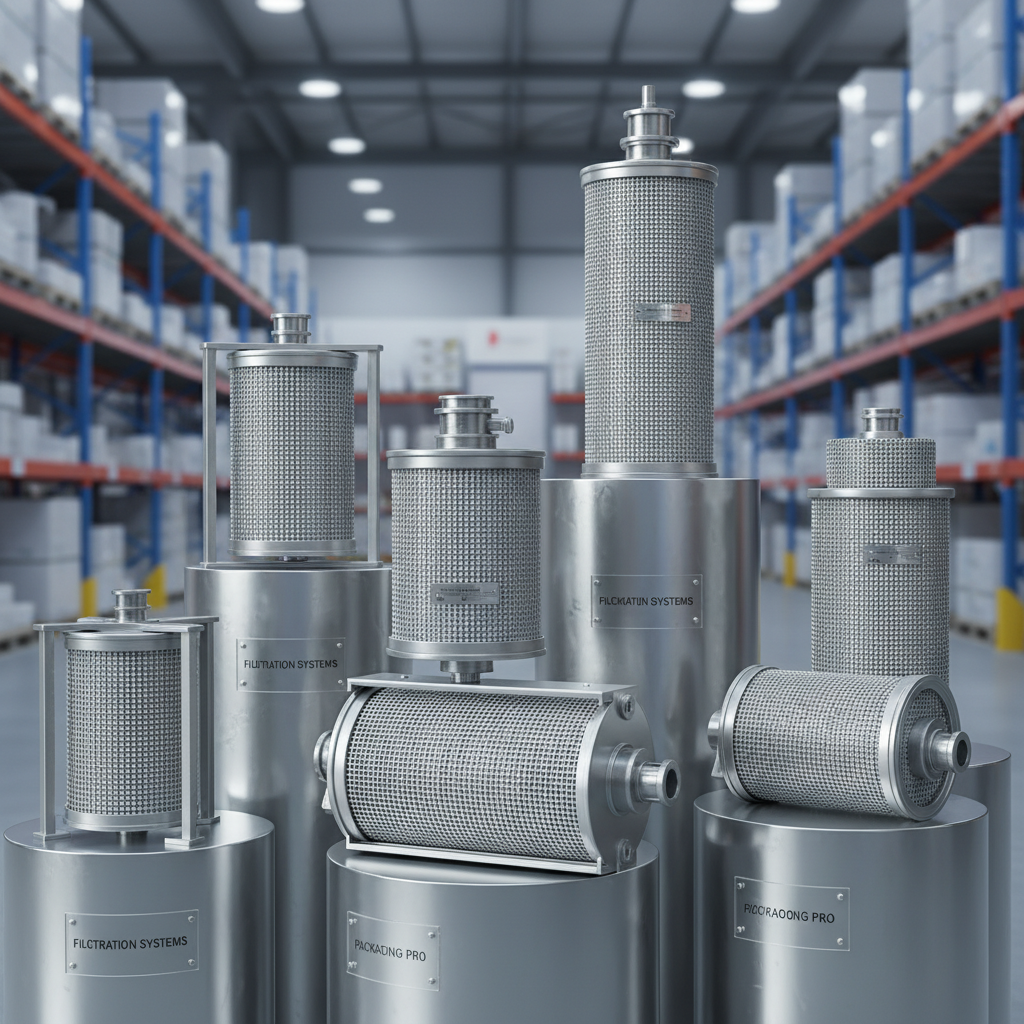
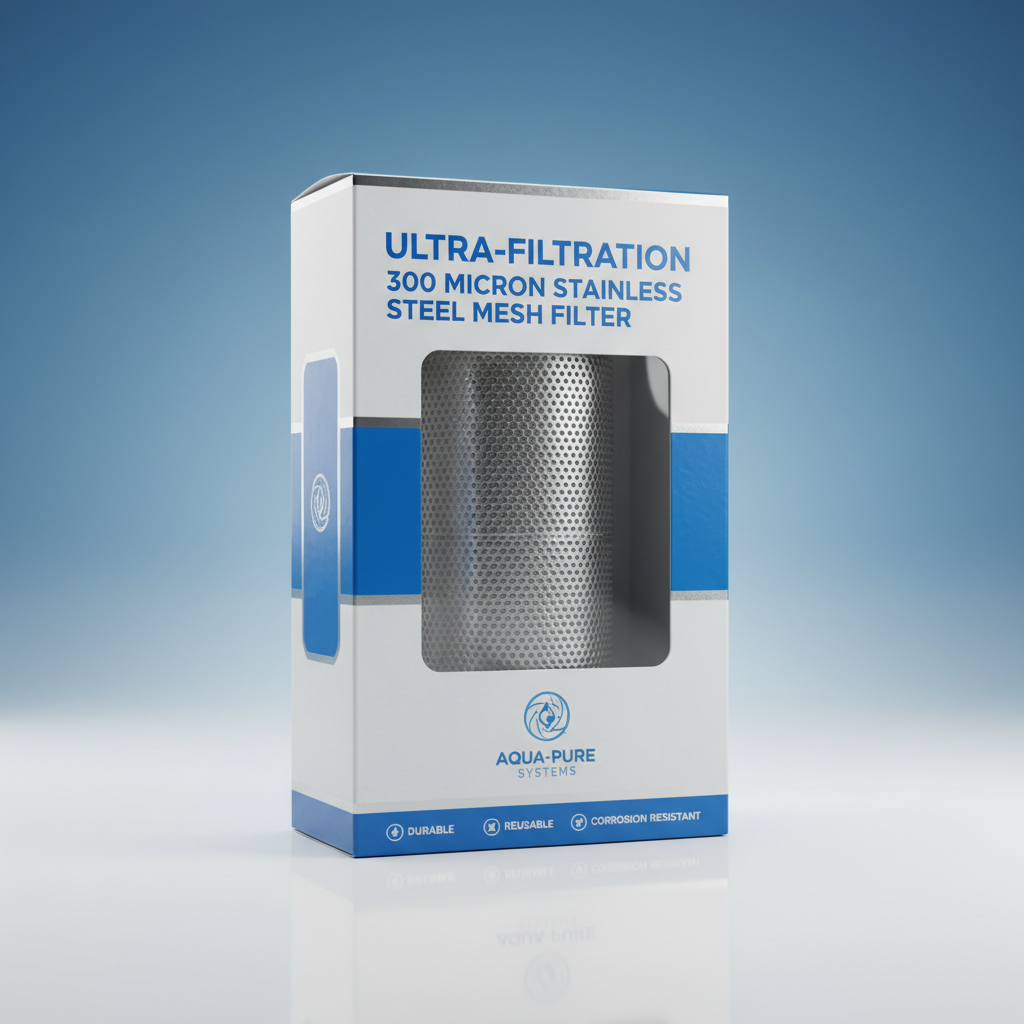
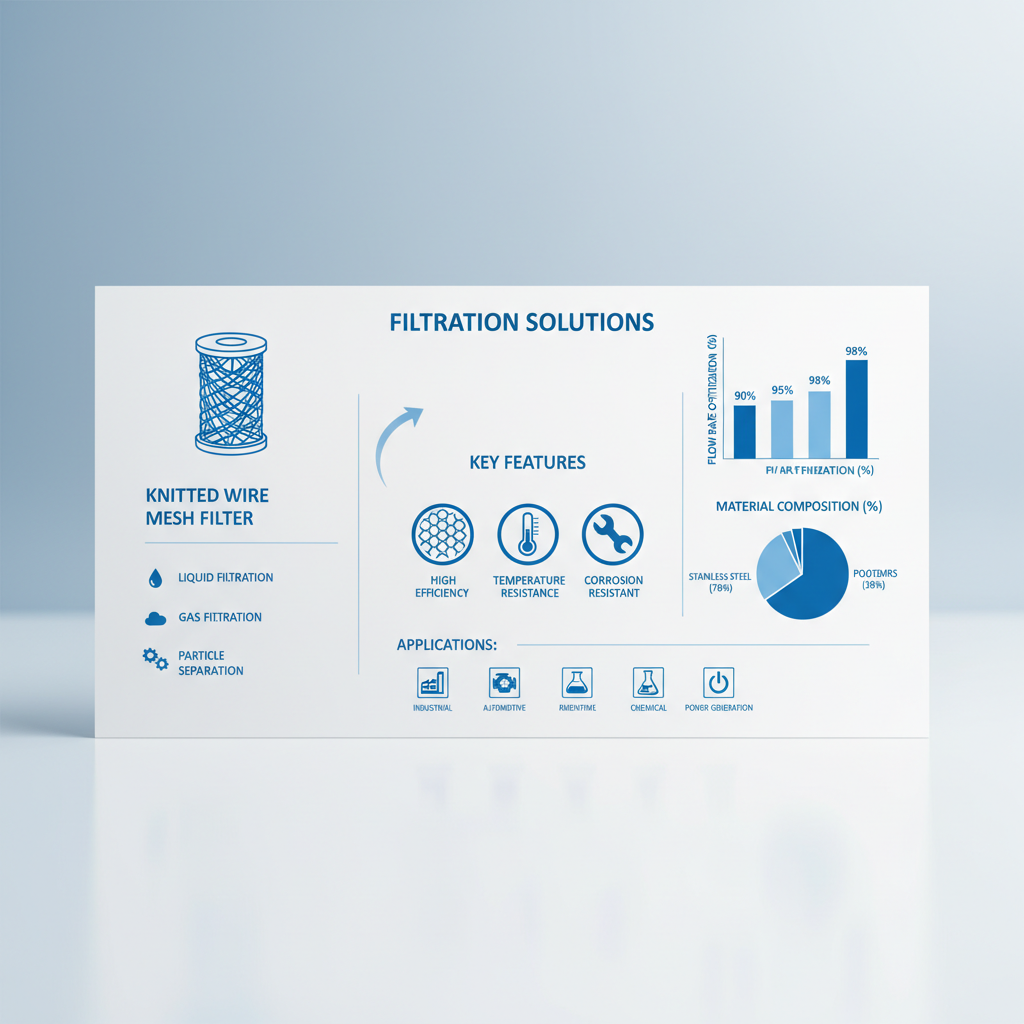
At Anya Filter Media, we offer a wide range of customization options for knitted wire mesh filters. We work with various wire materials including 304/316 Stainless Steel, Hastelloy, Monel, and Inconel. We can create filters with a wide range of mesh sizes, from coarse to extremely fine. We also offer various filter configurations, including discs, cylinders, tubes, and custom shapes. Our team can assist with filter design, prototyping, and production to ensure optimal performance and longevity. We pride ourselves on delivering tailored solutions that address your unique filtration needs.
Conclusion: Optimizing Filtration with Anya Filter Media
Knitted wire mesh filters provide a robust, versatile, and efficient solution for a wide range of filtration challenges. By understanding their unique properties and advantages, you can optimize your filtration processes, improve product quality, and reduce operational costs. Anya Filter Media is dedicated to providing high-quality, customized knitted wire mesh filter solutions tailored to your specific application needs. Contact us today to discuss your filtration requirements.
Frequently Asked Questions (FAQs)
What is the typical lifespan of a knitted wire mesh filter?
The lifespan of a knitted wire mesh filter depends on several factors, including the fluid being filtered, the particle load, operating temperature, and pressure. With proper maintenance, including regular cleaning or backwashing, a knitted wire mesh filter can last for several years. However, it’s important to inspect the filter regularly for signs of wear, damage, or clogging. Replacement is recommended when the filter’s performance degrades or if physical damage is detected. The wire material also impacts lifespan; corrosion-resistant materials like stainless steel will last considerably longer in harsh environments.
Can knitted wire mesh filters be cleaned and reused?
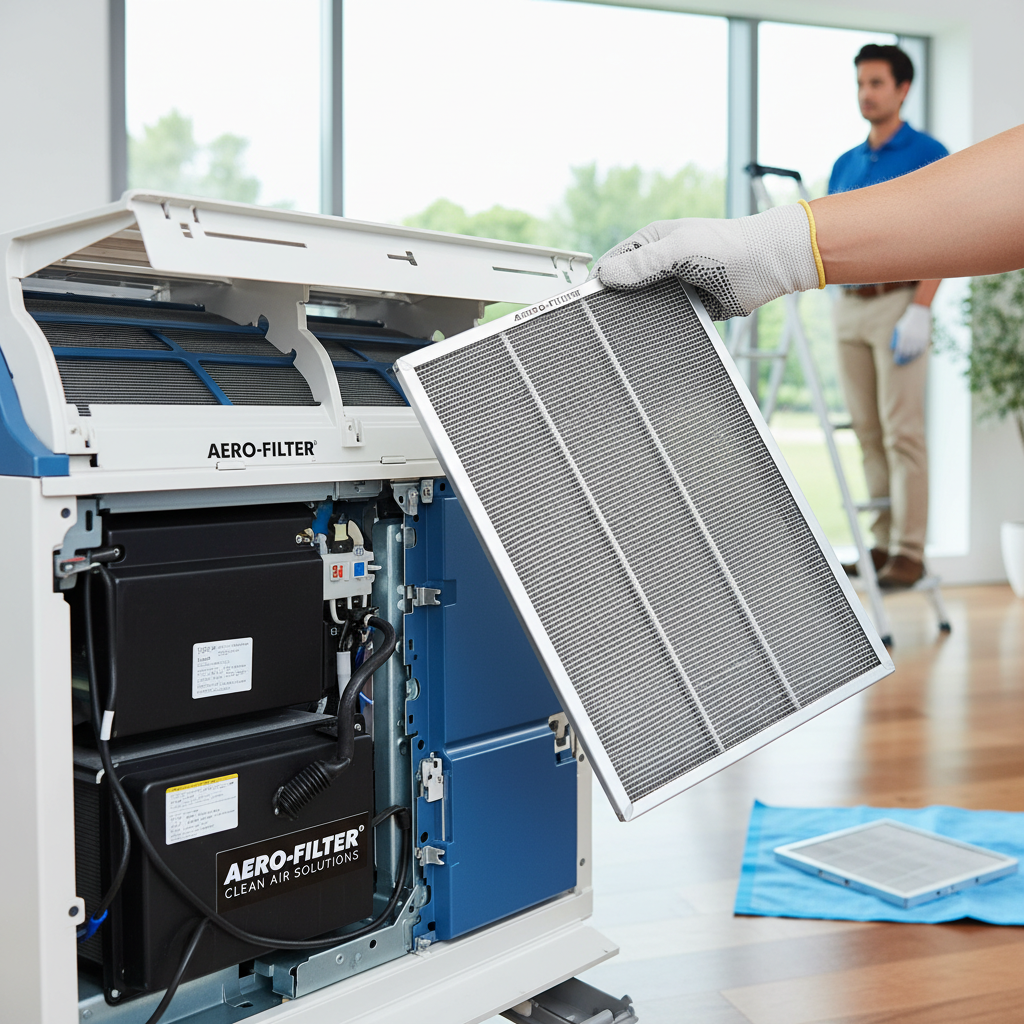
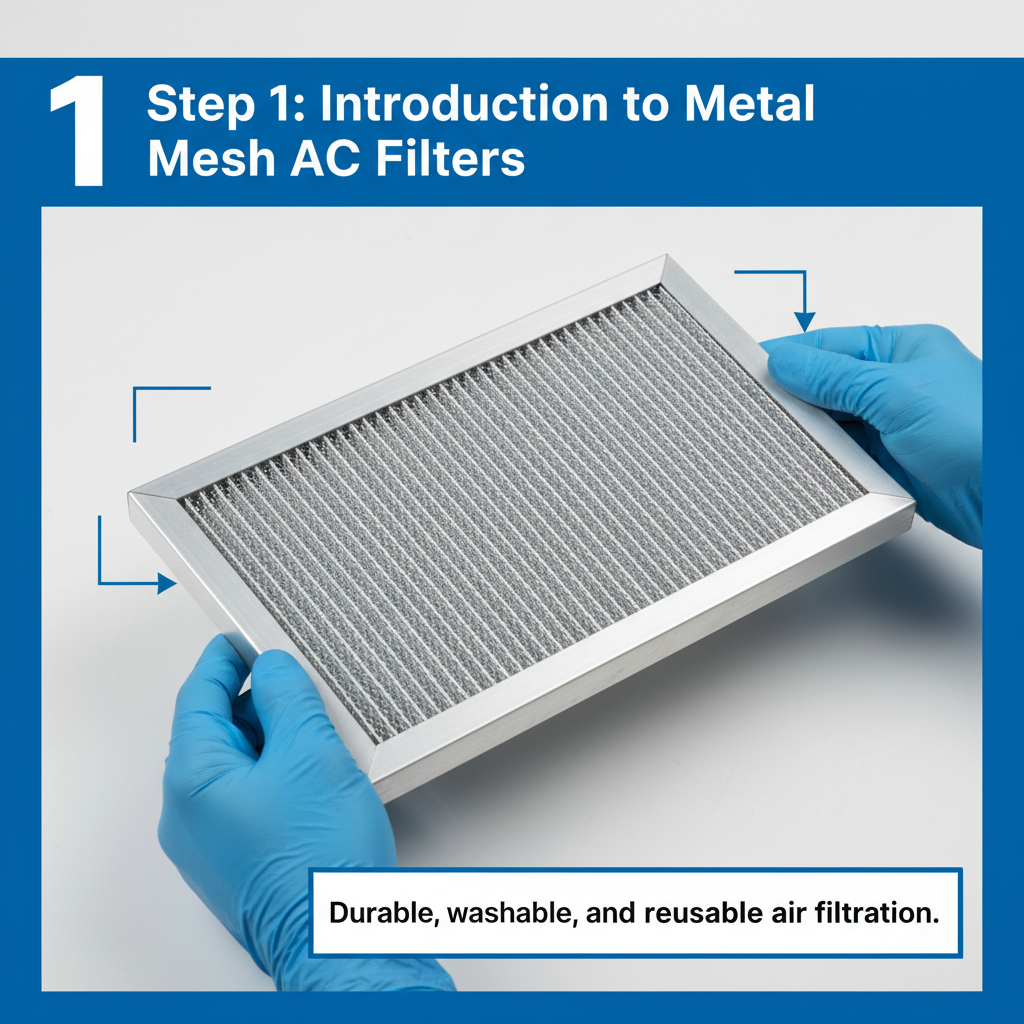
Yes, knitted wire mesh filters are often designed to be cleaned and reused. The cleaning method will depend on the type of contaminant. Common cleaning methods include backwashing with a suitable solvent, ultrasonic cleaning, or simply brushing off accumulated particles. It’s important to choose a cleaning method that won't damage the filter material or leave behind any residue that could contaminate the filtered fluid. The ability to clean and reuse knitted wire mesh filters makes them a cost-effective filtration solution.
What materials are knitted wire mesh filters typically made from?
Knitted wire mesh filters are available in a wide range of materials to suit different applications. The most common materials include 304 and 316 stainless steel, offering excellent corrosion resistance and durability. Other materials include Hastelloy, Monel, Inconel, and various alloy steels. The choice of material depends on factors such as the chemical compatibility with the fluid being filtered, the operating temperature, and the required mechanical strength. Anya Filter Media can assist you in selecting the optimal material for your specific application.
Post time: Mar-08-2026