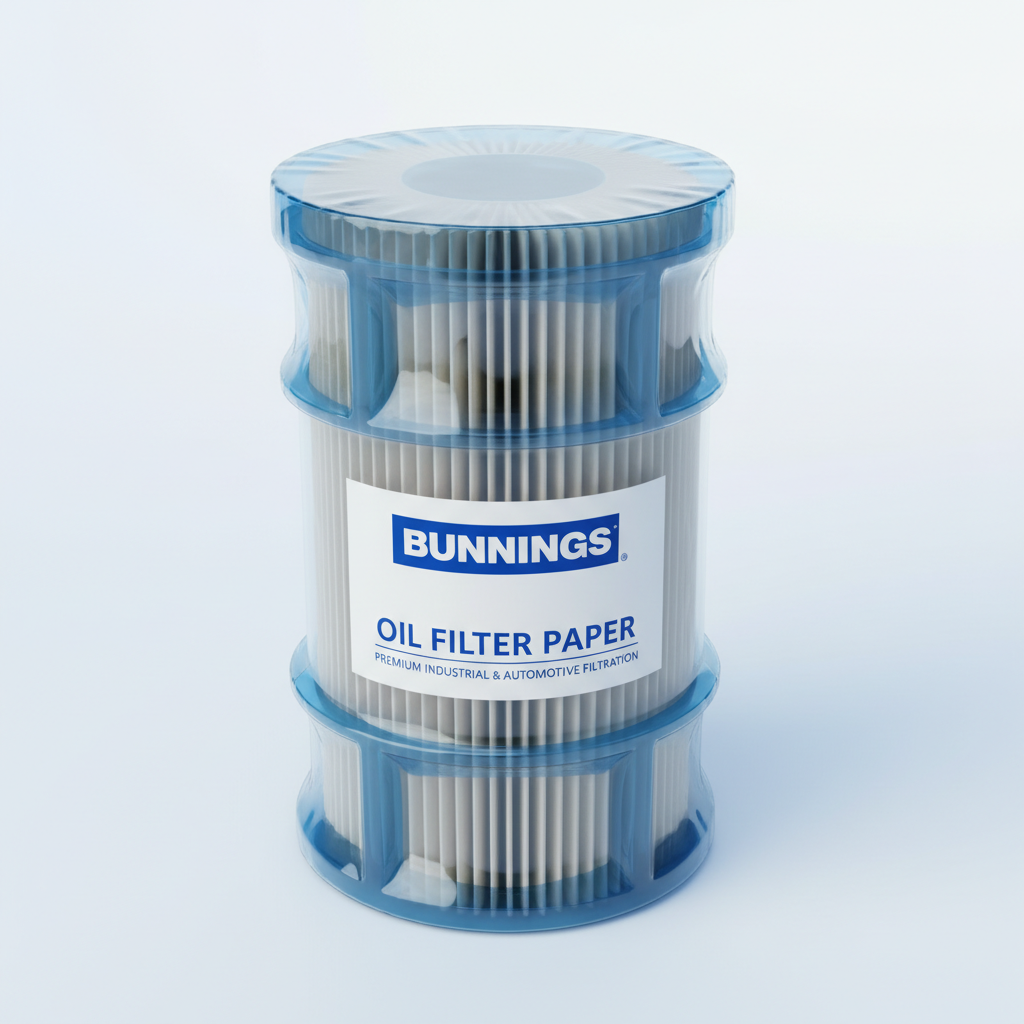
Oil filter paper, particularly that sourced from Bunnings and similar suppliers, is a critical component in maintaining engine health and longevity across a vast range of applications. From automotive vehicles to industrial machinery, the quality and performance of oil filter paper directly impact the efficiency and lifespan of these vital systems. Understanding the intricacies of oil filter paper bunnings – its materials, construction, and filtration capabilities – is paramount for anyone involved in engine maintenance, manufacturing, or related industries. The accessibility of oil filter paper bunnings makes it a foundational element for cost-effective maintenance strategies.
Globally, the demand for effective oil filtration is consistently high, driven by increasing vehicle ownership and the growing complexity of engine technologies. The automotive sector alone represents a multi-billion dollar market for oil filters, and consequently, for the paper used in their construction. Organizations like the Society of Automotive Engineers (SAE) establish rigorous standards for oil filter performance, influencing the materials and manufacturing processes used in oil filter paper production. Bunnings, as a major hardware retailer, plays a significant role in distributing these essential components to a broad consumer base.
The need for reliable oil filtration extends beyond just personal vehicles. Industrial equipment, power generation facilities, and even marine applications depend on clean oil to operate efficiently and prevent costly downtime. Challenges include developing filter papers that can withstand high temperatures, pressures, and exposure to increasingly aggressive synthetic oils. This drives innovation in materials science and filter design, making oil filter paper bunnings a consistently evolving product.
The Core Principles of oil filter paper bunnings
The fundamental purpose of oil filter paper is to remove contaminants from engine oil, safeguarding critical engine components from wear and tear. The efficiency of this filtration is determined by several factors, including the pore size of the paper, its surface area, and its ability to withstand high flow rates. Oil filter paper sourced from Bunnings and other suppliers must meet specific standards to ensure adequate performance.
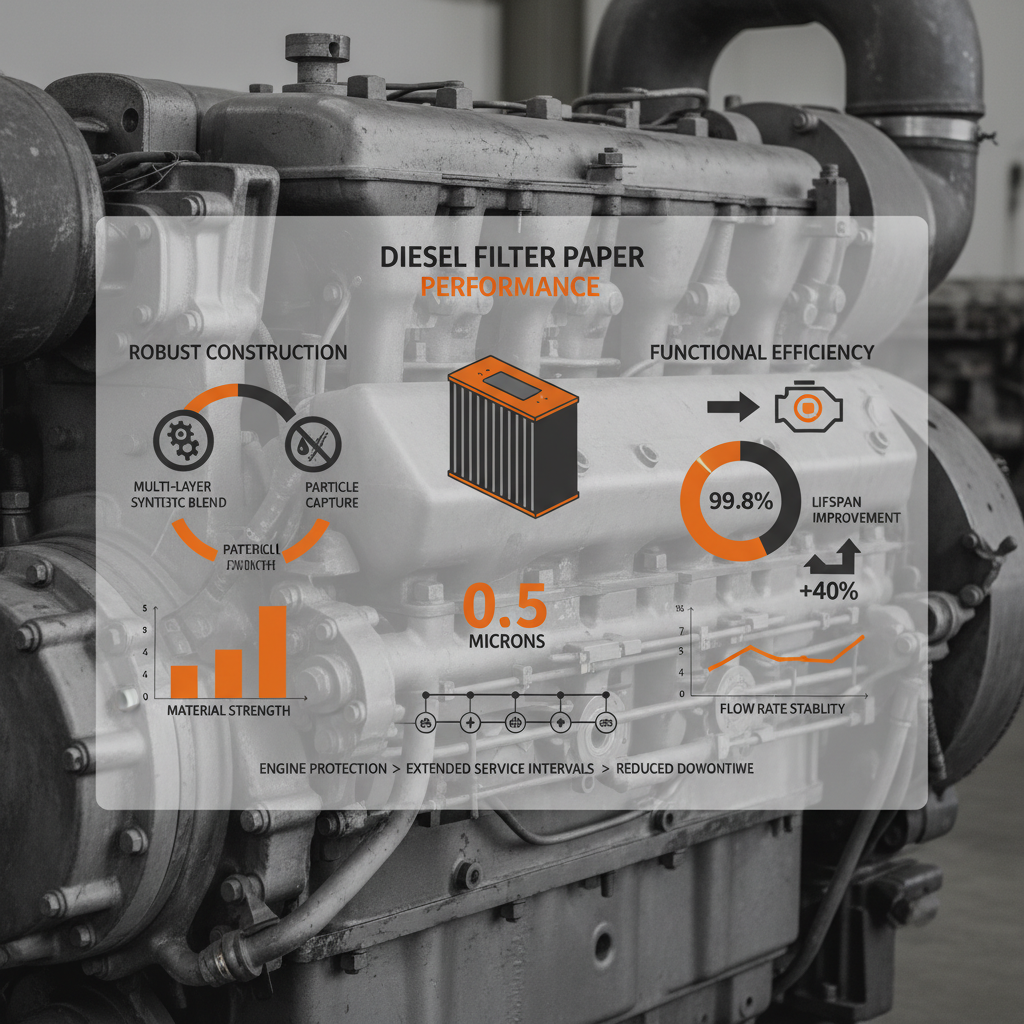
Modern oil filter paper isn’t simply a sheet of cellulose. It’s a complex composite material often incorporating synthetic fibers and various additives to enhance its strength, durability, and filtration capabilities. These specialized papers are designed to capture particles as small as a few microns, protecting bearings, pistons, and other vital engine parts.
The Global Importance of Oil Filtration
Oil filtration is a cornerstone of preventative maintenance in the automotive and industrial sectors worldwide. The economic impact of engine failure due to poor oil filtration is significant, encompassing repair costs, downtime, and potential loss of productivity. The global market for oil filters is continuously expanding, driven by increasing demand for efficient and reliable engine protection. Availability of products like oil filter paper bunnings directly influences this market.
The development of increasingly sophisticated engine technologies, such as direct injection and turbocharging, has further amplified the importance of high-quality oil filtration. These engines often operate under more extreme conditions, generating more heat and producing finer particles that require more effective filtration. This has driven research into advanced filter materials and designs.
Furthermore, environmental regulations are increasingly stringent, requiring longer oil change intervals and the use of more environmentally friendly oil filtration solutions. This trend is prompting manufacturers to develop oil filter papers with improved capacity and durability, reducing the frequency of filter replacements and minimizing waste.
Defining Oil Filter Paper: A Technical Overview
Oil filter paper is typically constructed from a blend of cellulose fibers and synthetic materials, such as polyester or polypropylene. The cellulose provides the foundational structure, while the synthetic fibers enhance strength, wet strength (resistance to degradation when exposed to oil), and filtration efficiency. The specific blend of materials varies depending on the intended application and performance requirements.
The manufacturing process involves forming a web of these fibers, followed by calendaring (compressing the web to control pore size) and pleating (folding the paper to increase surface area). The pore size is a crucial parameter, determining the size of particles that the filter can effectively capture. Smaller pore sizes generally offer better filtration, but can also restrict oil flow.
Additives are often incorporated into the paper formulation to improve its performance characteristics. These may include resins to enhance wet strength, anti-static agents to prevent clogging, and antimicrobial compounds to inhibit the growth of bacteria and fungi. The ultimate goal is to create a filter paper that provides optimal filtration, durability, and compatibility with various types of engine oil. Understanding the quality of oil filter paper bunnings is key.
Key Characteristics of High-Quality Oil Filter Paper
Durability is a paramount characteristic, ensuring the filter paper can withstand the pressures and temperatures encountered within an engine. A robust paper prevents tearing, unraveling, and bypass of contaminants. Scalability refers to the paper's ability to be produced in varying quantities to meet diverse market demands.
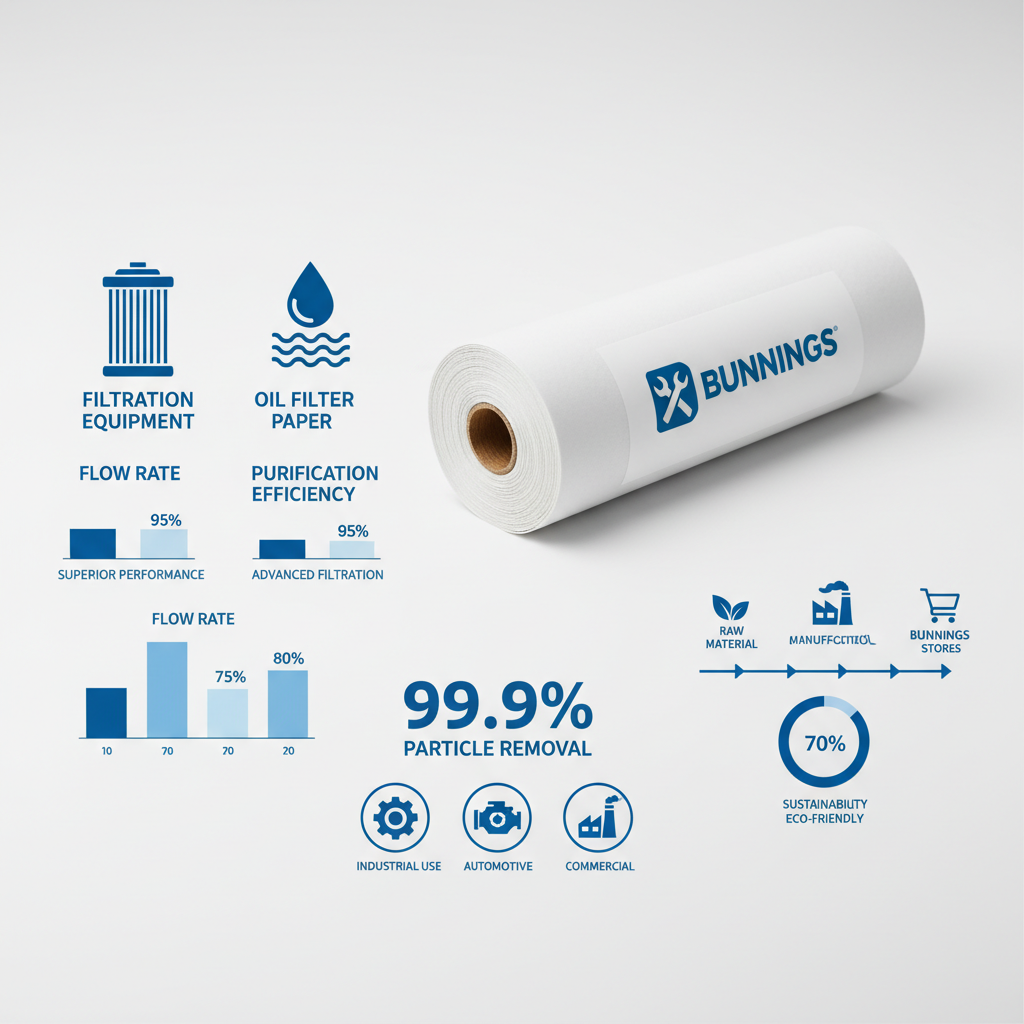
Filtration Efficiency is another critical factor, indicating the percentage of particles of a specific size that the filter can remove from the oil. Higher efficiency translates to better engine protection. Flow Rate, measured in gallons per minute (GPM), represents the volume of oil that can pass through the filter without excessive restriction. A balance between filtration efficiency and flow rate is essential.
Oil Filter Paper Performance Metrics
Applications of Oil Filter Paper Across Industries
The automotive industry is the primary consumer of oil filter paper, with filters used in gasoline, diesel, and hybrid engines. Beyond cars and trucks, oil filter paper is essential in heavy-duty vehicles, such as buses, construction equipment, and agricultural machinery. The availability of oil filter paper bunnings supports this widespread usage.
In the industrial sector, oil filter paper plays a crucial role in maintaining the cleanliness of lubricating oils used in manufacturing equipment, power generation turbines, and hydraulic systems. Marine applications, including ships and boats, also rely on effective oil filtration to protect engines and prevent environmental contamination.
The Benefits of Utilizing Reliable Oil Filter Paper
Employing high-quality oil filter paper translates to significantly reduced engine wear, extending the lifespan of critical components and minimizing the risk of costly repairs. Consistent oil cleanliness improves engine efficiency, leading to better fuel economy and reduced emissions.
Reliable oil filtration contributes to enhanced engine performance, providing smoother operation and increased power output. It also fosters greater peace of mind for vehicle owners and operators, knowing that their engines are adequately protected.
Economically, using premium oil filter paper reduces the total cost of ownership by minimizing maintenance expenses and preventing premature engine failure. This reinforces the value proposition of purchasing quality products like oil filter paper bunnings.
Future Trends and Innovations in Oil Filter Technology
Research is ongoing to develop oil filter papers with even higher filtration efficiency and durability, using advanced materials such as nanofiber media and composite structures. The integration of sensors into oil filters to monitor filter condition and oil quality is another emerging trend.
Biodegradable and sustainable filter paper materials are gaining traction as manufacturers seek to reduce their environmental impact. The development of filters capable of removing ultrafine particles and capturing harmful contaminants is also a key area of focus.
Digital technologies, such as data analytics and machine learning, are being used to optimize filter design and predict filter lifespan, enabling proactive maintenance strategies. The continuing demand for superior oil filtration will undoubtedly drive further innovations in this field, even impacting the offerings at stores like Bunnings.
Summary of Oil Filter Paper Challenges and Potential Solutions
| Challenge |
Impact on Performance |
Potential Solution |
Implementation Cost (1-10) |
| Low Wet Strength |
Filter Degradation & Bypass |
Incorporation of Synthetic Fibers |
6 |
| Insufficient Filtration Efficiency |
Increased Engine Wear |
Nanofiber Media Integration |
8 |
| High Flow Restriction |
Reduced Oil Circulation |
Optimized Pore Size Distribution |
5 |
| Limited Temperature Resistance |
Filter Breakdown at High Temps |
Use of Heat-Resistant Polymers |
7 |
| Environmental Impact of Materials |
Waste Generation & Sustainability |
Biodegradable Fiber Alternatives |
4 |
| Inconsistent Manufacturing Quality |
Variable Filter Performance |
Automated Quality Control Systems |
9 |
FAQS
The lifespan of an oil filter paper depends heavily on driving conditions, oil quality, and engine type. Generally, most manufacturers recommend replacing your oil filter with every oil change, which typically ranges from 5,000 to 10,000 kilometers. However, severe driving conditions – frequent short trips, towing, or dusty environments – may require more frequent replacements. The oil filter paper sold at Bunnings adheres to industry standards, ensuring consistent performance within these guidelines.
The quality of oil filter paper directly impacts engine performance by determining the effectiveness of contaminant removal. Poor quality paper can allow harmful particles to circulate, leading to increased engine wear, reduced efficiency, and potential damage. High-quality filter paper, like those available at Bunnings, effectively traps contaminants, ensuring clean oil reaches vital engine components, promoting optimal performance and longevity.
Not necessarily. While synthetic filters often offer higher filtration efficiency and durability, high-quality cellulose-based oil filter paper can still provide excellent protection, especially when combined with advanced pleating techniques and synthetic fiber blends. The key is to choose a filter that meets the specifications recommended by your vehicle manufacturer. Many of the oil filter papers available at Bunnings offer a balance of performance and affordability.
When selecting oil filter paper at Bunnings, consider your vehicle's make and model, ensuring the filter is a direct fit. Look for filters that meet or exceed the manufacturer's specifications, paying attention to filtration efficiency ratings and flow rates. Check for reviews and ratings from other customers, and consider filters from reputable brands known for quality and reliability.
It is generally not recommended to reuse an oil filter, even after cleaning. The filter media becomes saturated with contaminants over time, and attempting to clean it may not remove all particles. Furthermore, the filter's structure can be damaged during cleaning, compromising its filtration efficiency. Replacing the oil filter with each oil change is the most effective way to ensure optimal engine protection.
Disposable oil filter paper does contribute to landfill waste. However, some manufacturers are developing more sustainable filter materials and recycling programs. Properly disposing of used oil filters is also important, as they contain used oil that can contaminate the environment. Many auto parts stores and recycling centers accept used oil filters for proper disposal.
Conclusion
In conclusion, oil filter paper – especially the quality available from retailers like Bunnings – is a foundational element of engine health and longevity. Understanding its composition, performance characteristics, and the factors influencing its selection is critical for anyone involved in vehicle maintenance or industrial operations. By prioritizing high-quality filtration, individuals and organizations can significantly reduce engine wear, improve efficiency, and minimize the risk of costly breakdowns.
Looking ahead, continued innovation in filter materials and technologies will further enhance the effectiveness and sustainability of oil filtration. Exploring biodegradable materials, advanced nanofiber structures, and integrated sensor systems will drive the next generation of oil filters. Visit our website at www.anyafiltermedia.com to learn more about our range of filtration solutions and how we can help you protect your valuable assets.