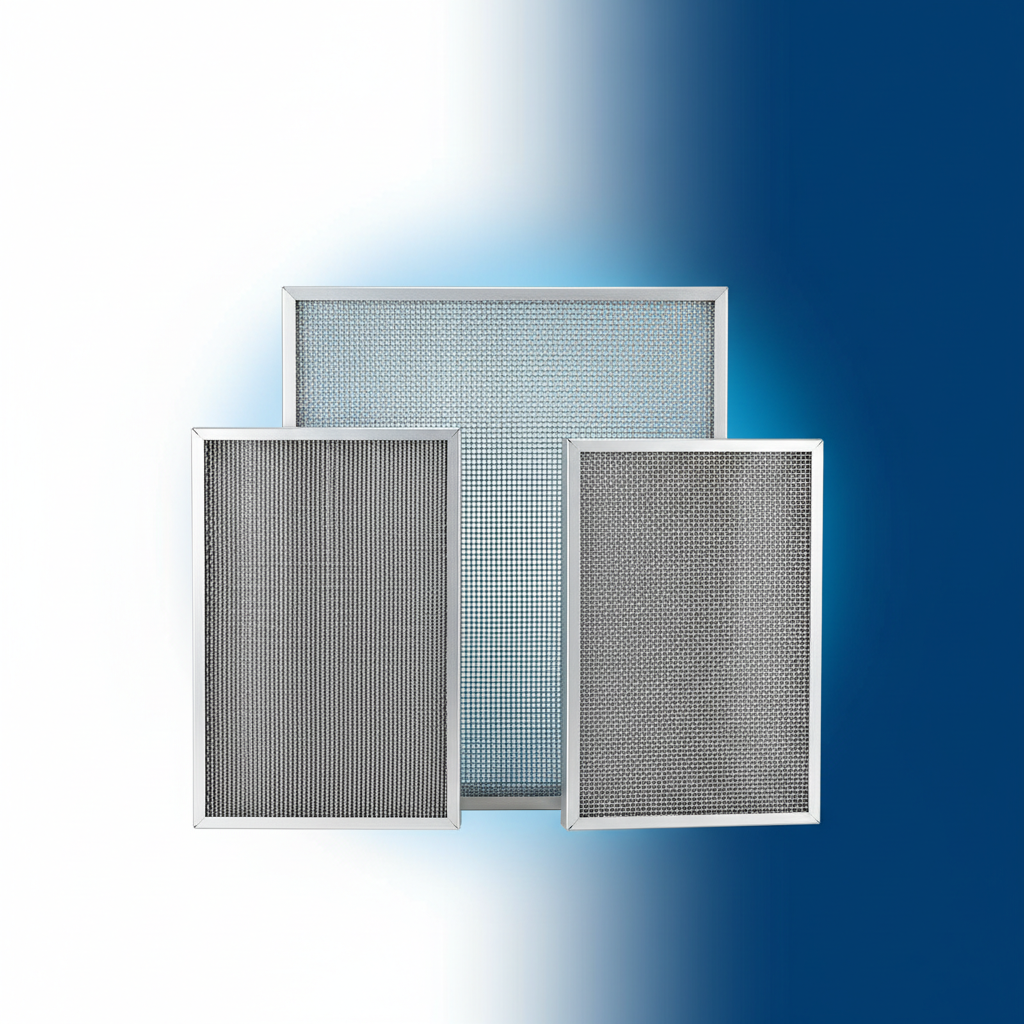
The Silent Backbone of Clean Water: Understanding Wire Mesh Sand Filters
Water filtration is one of those things we often take for granted—until it’s not there. Globally, ensuring access to clean water has been a persistent challenge, especially given rapid urbanization, climate-change impacts, and industrial expansion. Here’s where the humble wire mesh sand filter steps into the spotlight, quietly but effectively removing impurities, protecting ecosystems, and ultimately supporting millions of people’s health worldwide.
In essence, grasping the benefits and technology behind wire mesh sand filters is more than just a technical curiosity. It's about fostering sustainable water management, preserving resources, and enhancing quality of life—issues that resonate well beyond industrial plants or municipal water treatment units.
Why Wire Mesh Sand Filters Matter on a Global Scale
Global water demand is projected to increase by roughly 55% by 2050, according to the UN's World Water Development Report (2023). Developing countries, in particular, grapple with sediment-heavy water sources, posing health risks and infrastructure challenges. The ISO even emphasizes sediment filtration standards in water management protocols.
Wire mesh sand filters address a key problem: efficiently separating fine particulate matter from water without excessive costs or energy demand. They offer a practical, low-maintenance solution for a world where clean water is both essential and, worryingly, sometimes scarce.
Consider the recent floods in Southeast Asia, where sediment loading crippled water systems—there, robust sand filtration has proven a game-changer in relief operations.
Mini Takeaway:
- Wire mesh sand filters tackle the global clean water challenge by efficiently filtering sediments.
- They align with international water quality and sustainability goals.
- The filters support disaster and industrial water needs.
What Exactly Is a Wire Mesh Sand Filter?
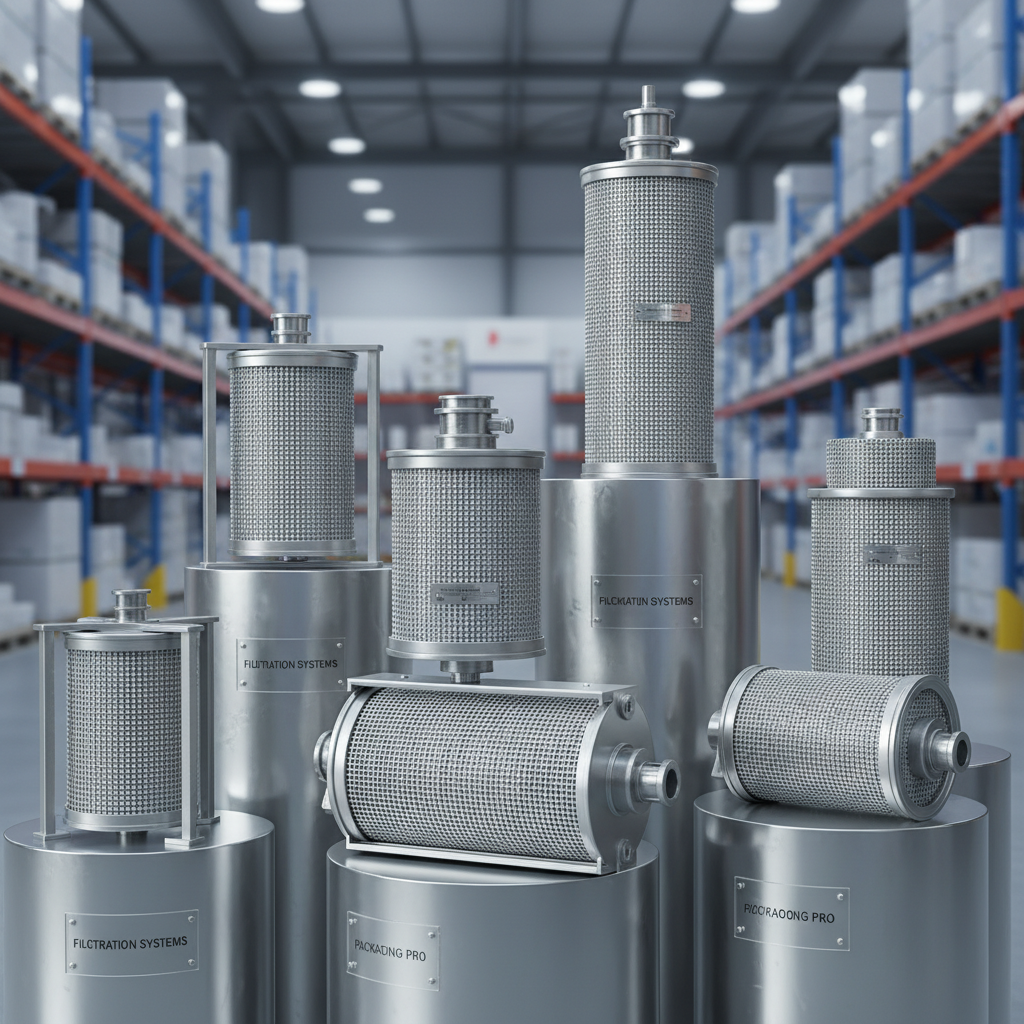
Put simply, a wire mesh sand filter is a filtration device that uses tightly woven metal meshes combined with sand media to mechanically separate suspended solids from water. The wire mesh acts as the first line of defense, providing structural support and pre-filtering, while the sand layer traps finer particles.
This method leverages centuries-old natural principles—sand filtration has been used since antiquity—but with modern engineering precision. You can find these filters as core components in water treatment facilities, stormwater systems, and even irrigation projects.
Notably, humanitarian organizations adopting wire mesh sand filter units have brought potable water to remote areas where infrastructure is lacking or damaged.
Core Components and Factors Defining Wire Mesh Sand Filters
1. Durability and Material Selection
The wire mesh is typically made from stainless steel or galvanized steel, chosen for corrosion resistance and strength. It must withstand abrasive sediments and fluctuating water pressures without failing.
2. Filtration Efficiency
The mesh size and sand grain distribution determine how effectively particles are trapped. Fine mesh improves sediment capture but risks clogging faster, requiring a balance tailored to the application.
3. Scalability and Modular Design
Filters can be scaled from small farm irrigation systems to large municipal plants. Modular units allow for customization and phased expansion, which is key in budget-conscious projects.
4. Maintenance Ease
Wire mesh sand filters usually allow for backwashing or manual cleaning of the mesh and sand bed, letting engineers minimize downtime and operational costs.
5. Cost Efficiency
Compared to high-tech membrane filters or chemical treatments, wire mesh sand filters offer a low-cost upfront investment and operational expenditures, especially valuable in emerging economies.
6. Environmental Impact
They use minimal chemicals, conserve energy, and help reduce water waste, making them aligned with sustainability goals.
Mini Takeaway:
- Wire mesh and sand work together to balance filtration with durability.
- Scalable and easy to maintain designs enhance their appeal worldwide.
- Cost-effective and eco-friendly factors add to their growing adoption.
Global Applications and Real-World Use Cases
Wire mesh sand filters have found homes in a diverse range of contexts. Here are a few notable examples:
- Post-Disaster Relief: After floods or earthquakes, displaced populations often face turbid water sources. Deployable wire mesh sand filters provide immediate, reliable sediment removal before treatment.
- Industrial Zones: Mining and manufacturing sites use them to remove sediment from runoff, protecting downstream ecosystems.
- Agricultural Irrigation: Especially in arid regions of Africa and the Middle East, filtering irrigation water prevents clogging of drip systems, boosting crop yields.
- Municipal Water Treatment: Secondary treatment stages often employ these filters for sediment polishing.
Oddly enough, some coastal cities battling seawater intrusion also apply wire mesh sand extraction systems as part of their desalination pretreatment process.
Product Specification Table
| Specification | Typical Range | Notes |
|---|---|---|
| Wire Mesh Material | Stainless Steel 304 / Galvanized Steel | Corrosion resistant, durable |
| Mesh Aperture Size | 50 - 250 microns | Depends on sediment size |
| Sand Grain Size | 0.25 - 0.5 mm | Standard silica sand |
| Flow Rate | 2 - 15 m³/hr per module | Modular design affects total capacity |
| Backwash Interval | Every 1-4 weeks | Depends on turbidity and usage |
Comparing Top Wire Mesh Sand Filter Vendors
| Vendor | Product Range | Customization Options | Average Lead Time | Price Range |
|---|---|---|---|---|
| Anya Filter Media | Industrial & Municipal | Mesh size, frame material, custom modules | 4-6 weeks | $$$ |
| ClearFlow Solutions | Small to Medium Scale | Standard models, limited customization | 2-3 weeks | $$ |
| EcoMesh Technologies | High-Capacity & Green Filters | Eco-friendly materials, automation options | 6-8 weeks | $$$$ |
Advantages and Long-Term Value of Wire Mesh Sand Filters
The up-front cost friendliness combined with a long operational life is a clear winner here. These filters give you:
- Reliable sediment removal: reducing maintenance on pumps and pipes downstream.
- Environmental sustainability: no harsh chemicals, just physical separation.
- Social impact: enabling access to cleaner water fosters community health.
- Emotional reassurance: operators often report strong trust in the simplicity and visible nature of wire mesh/sand filtration.
Honestly, it feels like a perfect marriage of old-school, tried-and-true methodology with modern materials and engineering.
What's Next? Future Trends In Wire Mesh Sand Filtration
We’re starting to see interesting innovations merge with these traditional filters. For example:
- Smart Sensors & IoT: Automated clog detection to optimize backwash timing.
- Advanced Coatings: Nano-coatings that repel biofilms and reduce fouling.
- Eco-friendly Materials: Development of recyclable or biodegradable filter frames.
- Modular Automation: Filters integrated into digitally controlled water treatment plants.
Green energy integration, like filters powered by solar pumps, hints at a future where even remote communities can manage water resources sustainably.
Common Challenges and Practical Solutions
Of course, no technology is without hurdles. Wire mesh sand filters encounter:
- Clogging issues: fine sediments can build up quickly, demanding maintenance.
- Variable sediment composition: demands customization, which not everyone budgets in.
- Scaling challenges: designing for ultra-high flow requires large-footprint setups which aren’t always viable.
Experts recommend comprehensive sediment analysis before design and embedding automated cleaning systems to reduce manual labor.
FAQ: Practical Questions About Wire Mesh Sand Filters
- How often should a wire mesh sand filter be cleaned?
- Cleaning frequency depends on sediment load but typically ranges between every one to four weeks. Regular inspection helps optimize the schedule.
- Can wire mesh sand filters handle industrial wastewater?
- Yes, but pretreatment might be necessary if the wastewater contains chemical contaminants or oils since wire mesh sand filters mainly target suspended solids.
- Are these filters suitable for portable applications?
- Absolutely. Many modular designs allow for deployment in temporary relief camps or remote mining operations, offering reliable filtration without complex infrastructure.
- What is the expected lifespan of a wire mesh sand filter?
- With proper maintenance, these filters can last 10-20 years, sometimes longer depending on materials and operating conditions.
- How do I choose the right mesh size?
- It depends on the sediment particle size in your water source. Conducting a sediment particle size analysis helps select an optimal mesh aperture to balance filtration efficiency and clogging risk.
Wrapping it Up: The Enduring Role of Wire Mesh Sand Filters in Clean Water Solutions
Wire mesh sand filters are the unsung hero of many water systems—robust, simple, and surprisingly adaptable. Whether it’s amidst the angular steel of an industrial complex or a makeshift refugee camp in a remote corner, their ability to remove sediments efficiently remains invaluable.
For industries, governments, and NGOs alike, these filters offer a scalable path toward clean, reliable water access. Honestly, I’d say it’s one of those solutions that quietly ticks all the boxes—economical, ecological, and effective.
Curious to explore wire mesh sand filters tailored to your needs? Visit our website and discover how this tried-and-tested filtration tech can be your next smart water move.
References & Further Reading
Post time: Nov-27-2025