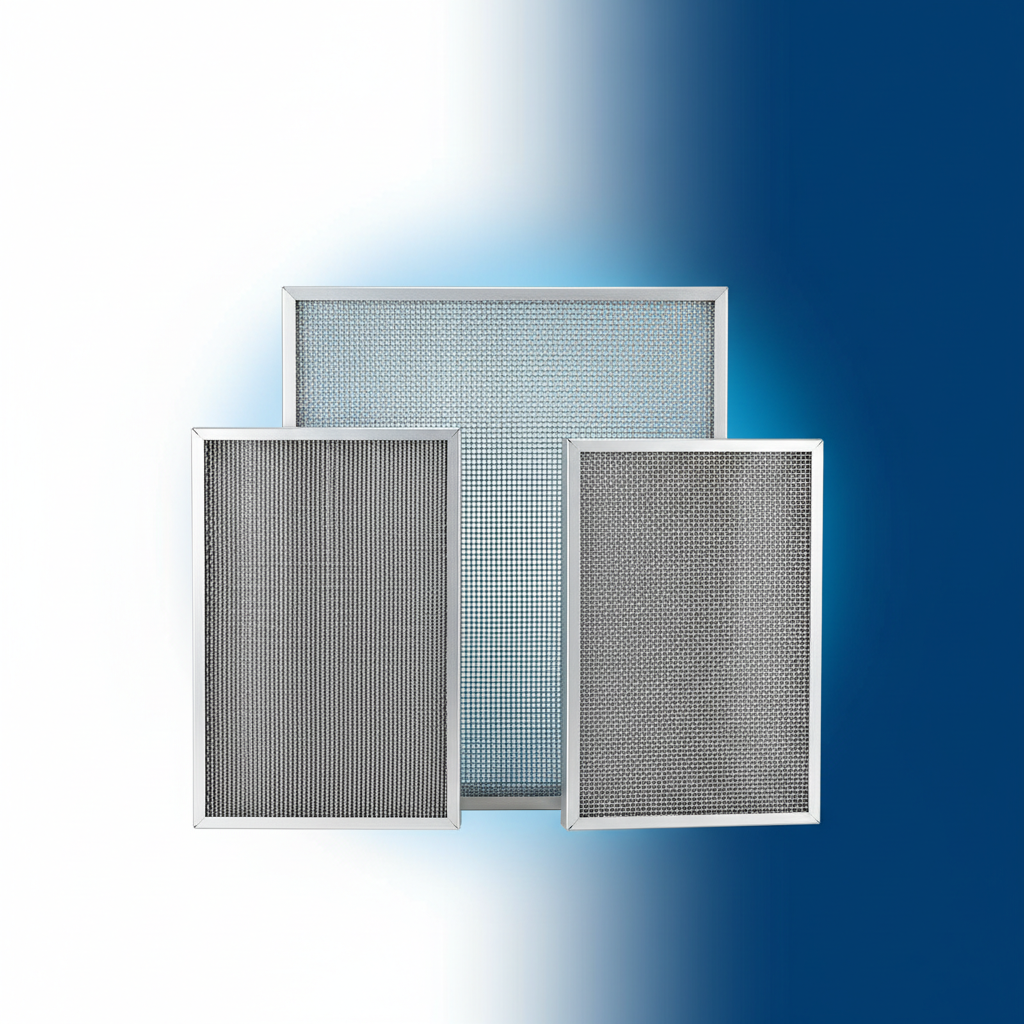
Wire Mesh Furnace Filters: Why They Matter Worldwide
If you haven’t given much thought to wire mesh furnace filters before, I get it — they’re not exactly the star of most conversations. But here’s the thing: these humble components quietly shoulder a huge responsibility in keeping industrial processes running smoothly across the globe. From factories in Asia to heating systems in Europe, wire mesh furnace filters make sure that furnaces breathe clean, filtered air, boosting efficiency and lifespan. In an increasingly industrialized world, with air quality standards tighter than ever, understanding these filters is surprisingly important.
They help prevent costly damage, reduce emissions, and ultimately save energy. And we’re only going to need more efficient and durable furnace filters as industries expand and environmental regulations rise. So, diving deeper into how these wire mesh filters work, where they’re applied, and why their future looks bright isn’t just some niche curiosity — it’s a smart move for anyone interested in industry, sustainability, or even just clean air.
Global Snapshot: The Rising Demand for Wire Mesh Furnace Filters
According to the International Energy Agency (IEA) and the United Nations Industrial Development Organization (UNIDO), global industrial energy use has been increasing steadily — with furnaces and heating systems being a big chunk of that energy consumption. The World Bank estimates that inefficient industrial equipment contributes up to 30% of unnecessary energy waste worldwide. That’s where wire mesh furnace filters play a subtle but critical role.
Improper filtration leads to particulate build-up inside furnace chambers, reducing thermal efficiency and increasing emissions — a problem that’s especially prominent in rapidly industrializing regions like Southeast Asia and Eastern Europe. As energy costs rise, and governments clamp down on pollution from factories (think ISO 16890 standards for air filtration or local EPA-quality controls), the need for durable, efficient wire mesh filters becomes urgent.
So the challenge is clear: how do industries maintain furnace performance, protect equipment, and stay compliant with evolving regulations — all without skyrocketing costs? Wire mesh furnace filters, if selected and maintained intelligently, are often the answer.
What Exactly Are Wire Mesh Furnace Filters?
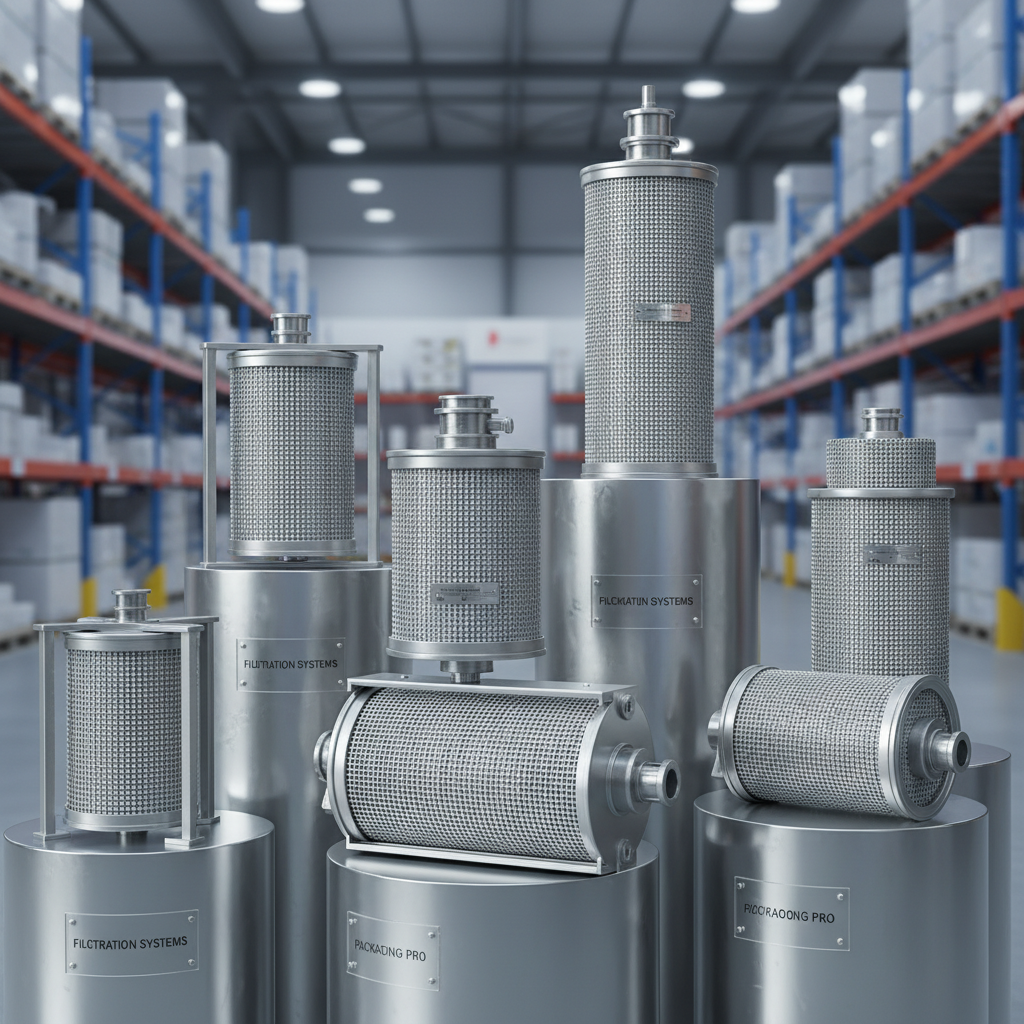
At its core, a wire mesh furnace filter is a woven or welded metal mesh placed inside or in front of a furnace’s air intake to trap dust, debris, and particulate matter before they damage internal components or diminish air quality. Think of it as a rugged, reusable “sieve” that captures contaminants while letting air flow freely.
Unlike disposable filters, wire mesh varieties are designed for harsh environments — high temperatures, corrosive dust, and even occasional sparks. Their metal construction means they can be cleaned and reused multiple times, making them a favorite in industrial settings where downtime is costly. They aren’t just for traditional heating though — in cement plants, steel manufacturing, and power generation, these filters protect critical processing equipment as well.
In humanitarian or remote industrial contexts, their durability and reusability mean fewer supply logistics headaches. When you can’t just pop down to the hardware store, having a filter you can clean and count on is a big deal.
Core Components and Key Characteristics of Wire Mesh Furnace Filters
Durability to Withstand Harsh Conditions
One of the main reasons wire mesh furnace filters stand out is their ability to tolerate extreme temperatures and abrasive particles without deforming. The metal wires used — typically stainless steel or galvanized steel — resist corrosion and physical wear, which is crucial in dusty or high-heat environments.
Filtration Efficiency vs Airflow Balance
I find this part fascinating — the mesh has to achieve a fine balance between capturing enough dust and still allowing plenty of airflow to avoid stressing the furnace. Mesh count (how many wires per inch) and wire thickness are tweaked to optimize this in every application. High mesh counts mean finer filtration but less airflow, which can decrease furnace efficiency if overdone.
Ease of Cleaning and Reusability
Wire mesh filters shine because they’re reusable. After accumulating dust, they can be cleaned by air-blowing, washing, or vibration. This cuts down costs, waste, and equipment downtime — especially in factories running 24/7.
Customization and Scalability
Whether you need a simple flat panel or a more complex cylindrical shape, manufacturers can custom-make wire mesh filters to fit irregular furnace geometries. This scalability makes them versatile across industries.
Cost Efficiency Over The Long Haul
Although a wire mesh filter may cost more upfront than disposable paper alternatives, it’s a smarter investment in most industrial settings due to durability and lower lifecycle costs.
Mini takeaway: Wire mesh furnace filters blend ruggedness with precision, balancing airflow and filtration to keep furnaces running clean and efficiently.
Real-World Applications of Wire Mesh Furnace Filters
- Cement and Mining Industries: Protect rotary kilns from dust ingress, saving costly repairs and production interruptions.
- Steel and Metal Manufacturing: Filter hot air streams, reducing particulate emissions and equipment fouling.
- Power Generation Plants: Maintain boiler air intake quality for efficient combustion.
- Remote Industrial Facilities: Easy-to-clean filters reduce downtime in areas where spare parts are hard to come by.
- Post-Disaster Reconstruction: Temporary furnaces with wire mesh filters ensure safe operation amid dust and debris.
For a deeper dive on industrial air filtration, check out our upcoming guide on wire mesh furnace filters.
Advantages and Long-Term Value
Thinking beyond just mechanical specs, there’s a lot of emotional and practical value in choosing wire mesh filters:
- Cost Savings: Lower replacement frequency means saving money and cutting maintenance labor.
- Environmental Impact: Reusability reduces landfill waste — an increasingly important factor in eco-conscious manufacturing.
- Reliability and Safety: Consistent filtration protects workers and ensures equipment longevity, fostering trust.
- Innovation Friendly: These filters integrate seamlessly with modern furnace monitoring systems and automation.
Spec Sheet: Example Wire Mesh Furnace Filter Model
| Specification | Detail |
|---|---|
| Material | Stainless steel 304 |
| Mesh Count | 100 wires/inch |
| Max Operating Temp | 850°C (1562°F) |
| Dimensions | Customizable up to 1500mm x 1500mm |
| Cleaning Method | Air-wash, ultrasonic, manual brushing |
| Lifespan | 5+ years typical with maintenance |
Vendor Comparison: Leading Wire Mesh Furnace Filter Providers
| Provider | Customization Options | Lead Time | Sustainability Focus | Pricing |
|---|---|---|---|---|
| MeshTech Industries | High (custom shapes & sizes) | 3-4 weeks | ISO 14001 certified | Mid-range |
| SteelGrid Filters Ltd. | Medium (standard sizes) | 2 weeks | Limited | Competitive |
| EcoWire Solutions | High (eco-focused materials) | 4-6 weeks | Strong (biodegradable coating options) | Premium |
Emerging Trends and What the Future Holds
The future for wire mesh furnace filters feels quite promising, with green manufacturing and digital integration taking center stage. Many engineers are exploring novel alloys and coatings that improve heat resistance and reduce fouling, inspired by real-world challenges in power plants and heavy industry. Imagine filters that can self-clean or report their own condition via IoT sensors — some companies are already prototyping these features.
Plus, with governments tightening emissions standards, smarter, more efficient filters will be key for compliance. One thing’s for sure: simply settling for “good enough” isn’t an option anymore.
Common Challenges and How to Solve Them
Wire mesh furnace filters aren’t perfect. Some challenges include clogging in dusty environments, initial cost concerns, and sometimes inconsistent fit in older furnace models.
But experts often recommend pre-filters or staged filtration to reduce load, plus regular cleaning routines customized to the facility’s conditions. Also, working closely with manufacturers on custom sizing pays dividends, preventing the dreaded “air bypass” that lessens filter efficacy.
FAQs: What You Might Be Wondering About Wire Mesh Furnace Filters
- How often should wire mesh furnace filters be cleaned?
- Cleaning frequency depends on the environment. In dusty or industrial setups, monthly cleaning is common, while cleaner conditions may require only quarterly maintenance. Regular inspection ensures optimal performance.
- Can wire mesh filters be used in residential furnaces?
- They’re generally designed for industrial or commercial systems operating at higher temperatures. Residential furnaces typically use disposable pleated filters better suited for lower temps and smaller scale airflow.
- What is the typical lifespan of a wire mesh furnace filter?
- With proper maintenance, these filters can last 5 years or more, sometimes even a decade. Their metal construction withstands heavy use, provided cleaning and inspections are consistent.
- Are wire mesh furnace filters environmentally friendly?
- Yes, their reusability reduces waste compared to disposables. Additionally, many manufacturers now focus on sustainable materials and processes, enhancing their green credentials.
Wrapping Up: Clean Air Starts With Reliable Filtration
At the end of the day, wire mesh furnace filters might seem like a small piece of the vast industrial puzzle, but their impact is big and lasting. They protect machines, save energy, and help industries meet environmental goals — all while cutting costs over the long haul. It’s a bit like having a dependable, no-frills teammate who makes everything else work better.
Looking to upgrade or maintain your furnace filtration? Visit us at https://www.anyafiltermedia.com to explore a range of wire mesh furnace filters tailored to your exact needs.
Mini takeaway: Investing in quality wire mesh furnace filters is an investment in reliability, sustainability, and peace of mind — qualities every industry values.
References
Post time: Nov-27-2025