Understanding Wire Screen Filters: Why They Matter Globally
At first glance, a wire screen filter might seem like just another industrial part, but its role is far more significant, touching industries and communities all over the world. Simply put, these filters, made from intricately woven metal wires, help separate solids from liquids and gases—something absolutely vital whether you’re purifying drinking water in remote villages or improving manufacturing yields in a giant factory.
Why care about them? Because globally, access to clean water, efficient production, and pollution control are among the biggest challenges. According to the World Health Organization, 2 billion people lack safely managed drinking water services, and wire screen filters help tackle this by filtering out contaminants. Plus, in sectors like food processing, oil & gas, pharmaceuticals, and even disaster relief operations, these filters keep operations smooth and safe.
The Global Context: Wire Screen Filters in Industry and Beyond
The demand for reliable filtration has soared worldwide — with a growing population and urbanization, industries need to become leaner and greener. A recent ISO study highlighted how filtration technologies, including wire screen filters, contribute to water reuse and pollution reduction, supporting global sustainability goals.
Challenges abound, though. Many places suffer from water contamination, industrial waste, and harsh operational environments where failures can be costly or dangerous. This is precisely where wire screen filters shine — they’re robust, reusable, and fairly straightforward in design, which makes them a cost-effective lifeline on five continents.
So, What Exactly Is a Wire Screen Filter?
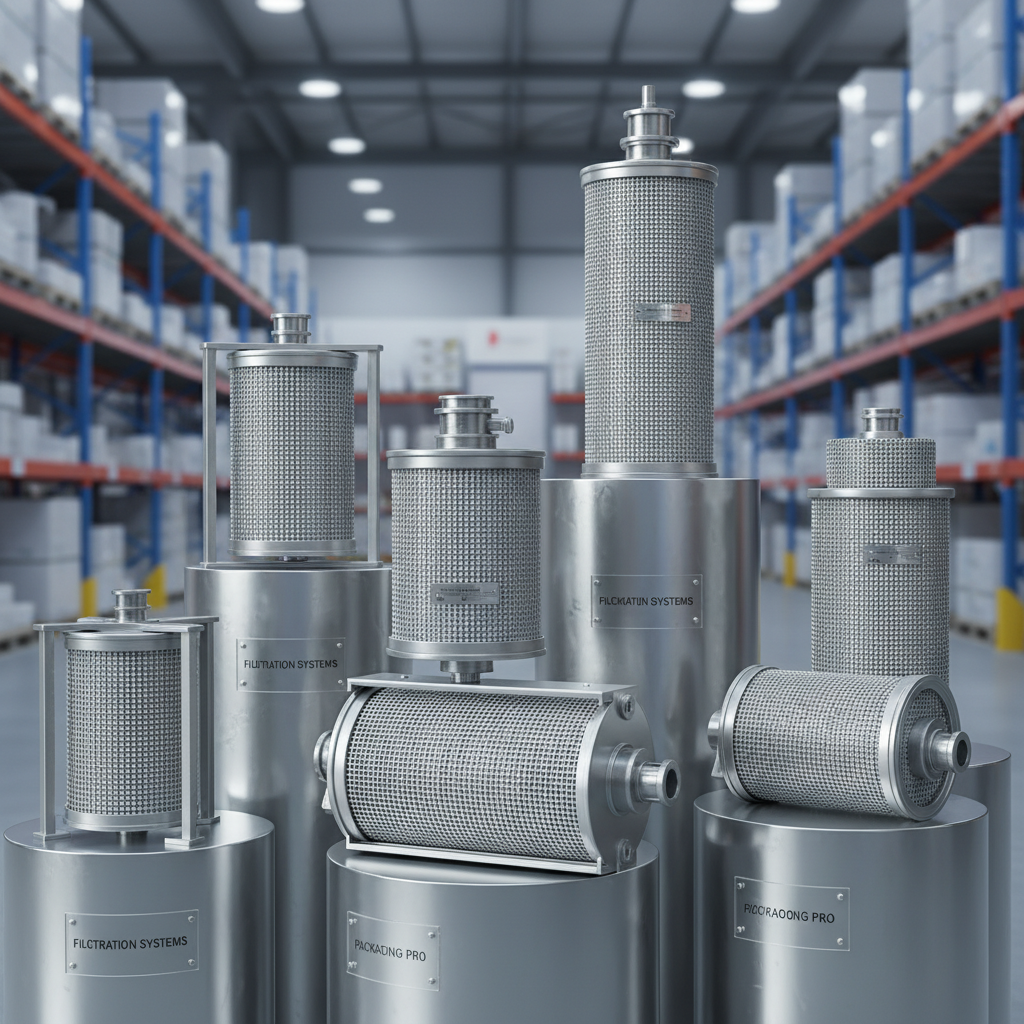
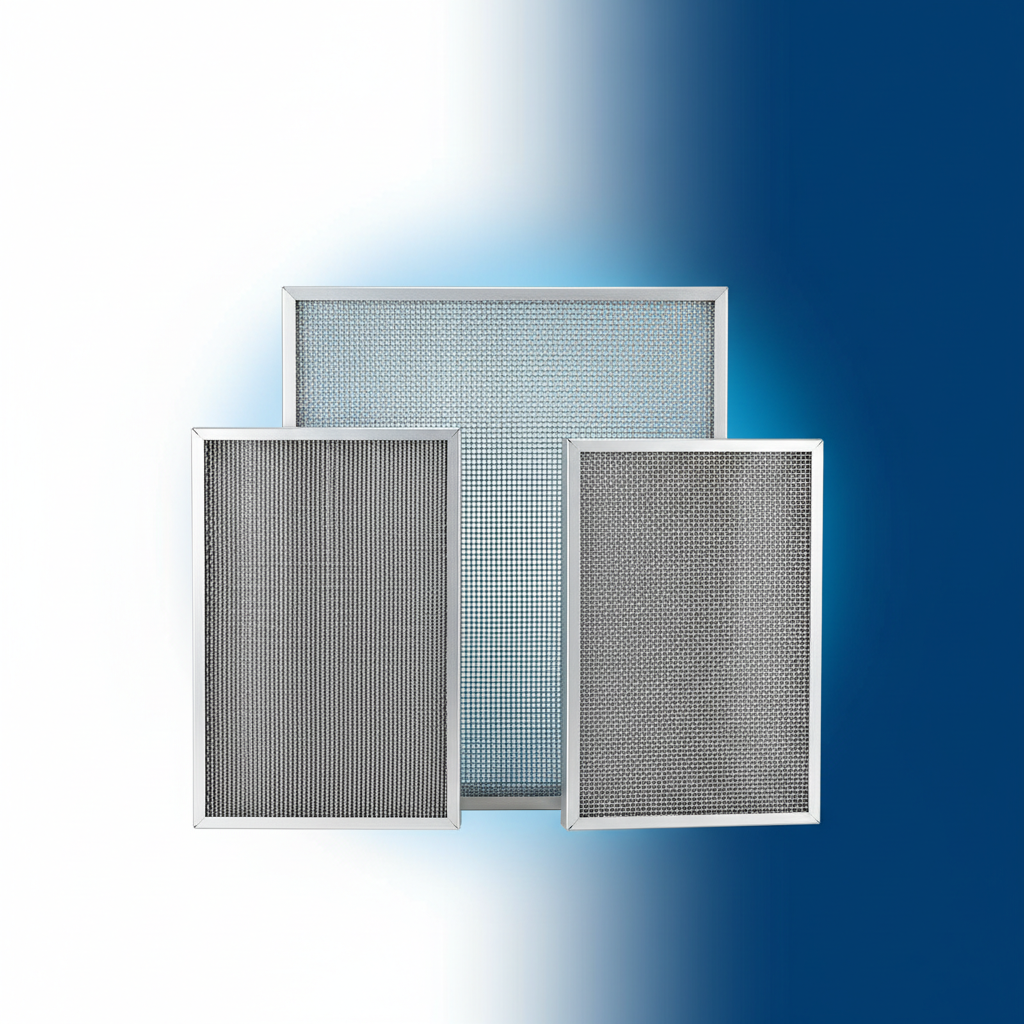
Imagine a tightly woven mesh made from stainless steel or other durable metals — that’s your wire screen filter. It’s designed to let fluids pass while trapping unwanted particles, based on the mesh's aperture size. This nifty little device is a humble hero in water treatment plants, oil refineries, food factories, and even humanitarian aid setups.
The beauty is in the simplicity: wire woven to precise dimensions creates custom filtration solutions, matching the needs of each project. And because they resist corrosion and can be cleaned repeatedly, they’re trusted for demanding long-term applications.
Core Components and Key Features
1. Durability
Crafted mostly from stainless steel or sometimes specialty alloys, these filters withstand extreme temperatures, chemical exposure, and mechanical stresses. This durability means less downtime and replacement cost, a major plus in remote or industrial settings.
2. Precision
The mesh’s aperture size—from a few microns to millimeters—determines filtering precision. Whether screening fine sediments from wastewater or removing larger debris in food processing, the wire screen’s weaving pattern is engineered accordingly.
3. Scalability & Customization
Need it for a small laboratory setup or a massive processing plant? Wire screen filters come in everything from tiny discs to large sectional panels, scaled and shaped to fit the job.
4. Cost Efficiency
Compared to other filtration systems like membranes or ceramic filters, wire screens tend to be easier to clean and have longer lifespans, making them cost-competitive especially in long-term, heavy-use scenarios.
5. Easy Maintenance
Most wire screen filters can be backflushed or cleaned onsite without full replacement, reducing operational downtime and waste generation.
Mini Takeaway
Wire screen filters are not just about filtering—they stand at the intersection of material science and practical engineering, delivering a simple yet powerful solution to complex industrial challenges.
Wire Screen Filters Around the World: Applications and Use Cases
From bustling industrial hubs to quiet rural outposts, wire screen filters play vital roles. Here are just a few snapshots of where they make tangible impacts:
- Water treatment plants in Asia and Africa use wire screens to remove sediment and organic matter before further purification.
- Oil and gas industries rely on robust wire filters to separate sand and debris during drilling and refining.
- Food and beverage factories deploy them to ensure purity and consistency, filtering juices, syrups, and other liquids.
- Disaster relief efforts sometimes carry portable wire screen filters to provide emergency water filtration on site, boosting humanitarian response speed.
Interestingly, industries in remote areas appreciate the filters for their simplicity and ease of use, bypassing the need for complex technology or chemical additives.
Mini Takeaway
Wherever debris, contaminants, or particulates threaten purity or performance, wire screen filters quietly do their work — mixing reliability with adaptability globally.
Wire Screen Filter Product Specification Table
| Specification | Typical Value | Notes |
|---|---|---|
| Material | 304 or 316 Stainless Steel | Corrosion-resistant alloys for durability |
| Mesh Aperture | 10 microns to 5 mm | Customizable for application needs |
| Temperature Range | -200°C to 600°C | Suitable for extreme industrial conditions |
| Max Pressure | Up to 300 bar | Can be designed for high-pressure systems |
| Cleaning Method | Backflushing, manual brushing | Easy onsite maintenance |
Comparing Major Vendors of Wire Screen Filters
| Vendor | Material Options | Customization | Typical Lead Time | Price Range |
|---|---|---|---|---|
| Global Filters Inc. | 304/316 Stainless Steel, Inconel | High (custom meshes & shapes) | 4-6 weeks | $$$ |
| EcoScreen Solutions | Primarily 316 Stainless Steel | Medium (standard sizes, limited shapes) | 2-3 weeks | $$ |
| RapidFilter Tech | Stainless Steel and specialty alloys | Custom prototypes available | 1-2 weeks | $$$ |
Advantages and Long-Term Value of Wire Screen Filters
The value wire screen filters bring goes beyond the technical specs. Cost savings from durability mix with sustainability benefits, because reusable filters mean less landfill waste and reduced resource consumption over time. Socially, improved air and water quality helped by these filters mean healthier communities.
Many users say they trust the technology because it’s proven, simple, and adaptable — unlike some high-tech alternatives which can feel less reliable in tough environments. Plus, the emotional comfort of safety and dignity when access to clean water or safe food is guaranteed? That’s priceless.
Looking Ahead: Trends Shaping Wire Screen Filter Technology
Innovation is rippling through the filtration world. Biodegradable and nano-coated filter meshes promise to increase performance and reduce environmental impact. Automation in cleaning systems is making maintenance hands-free, while digital sensors embedded in filtration units track clogging and quality in real-time, optimizing efficiency.
Frankly, it’s an exciting time — as green energy grows, so does the need for sustainable filtration solutions. Integrating wire screen filters with renewable resource management feels like a natural next step.
Challenges and Smart Workarounds
Wire screen filters don’t solve every problem. Finer filtration needs sometimes require complementary technologies. Fouling and clogging, for instance, still plague some applications, especially with sticky or oily residues.
But engineers and scientists continually innovate solutions — from anti-fouling coatings to hybrid filtration systems, backed by wire screen filter expertise — to push boundaries and keep these filters at the forefront of environmental and industrial tech.
FAQ: Frequently Asked Questions About Wire Screen Filters
Q1: How do I choose the right mesh size for my wire screen filter?
The ideal mesh size mainly depends on the particle size you need to filter. For example, water treatment plants targeting sediment removal might use mesh sizes around 50–100 microns, while food processing often requires larger apertures. Consulting with your filter supplier about your specific application conditions is always best.
Q2: Can wire screen filters be used in harsh chemical environments?
Yes, especially when made from corrosion-resistant materials like 316 stainless steel or Inconel. The choice of alloy is crucial to withstand acids, bases, or solvents. Regular inspection and maintenance also help extend filter life in those tough settings.
Q3: What is the typical lifespan of a wire screen filter?
Lifespan varies with application, but many filters last several years if properly maintained. Durable materials and ease of cleaning (backflushing or manual) allow reuse over long periods, making them cost-effective compared to disposable options.
Q4: Are wire screen filters scalable for both small and large operations?
Absolutely! One beauty of wire screen filters is their scalability — from tiny lab-scale research devices to massive industrial panels tailored to pipeline sizes. Custom fabrication is common.
Q5: How does a wire screen filter compare to membrane filtration?
They serve different needs. Wire screens are more robust, easier to clean, and better for larger particle filtration. Membranes filter finer particles but tend to be more fragile, expensive, and prone to clogging. Sometimes they’re used together for best results.
Wrapping It Up: Why Wire Screen Filters Remain Essential
Looking at the broader picture, wire screen filters feel like the unsung workhorses of filtration technology. Their blend of simplicity, versatility, and reliability keeps them relevant in a changing world. Whether it’s tackling global water challenges or industrial demands, they help keep our systems cleaner and safer.
If you want to explore high-quality filtration solutions tailored to your needs, I recommend visiting our website where you’ll find a range of wire screen filters expertly designed for real-world work.
References
Post time: Nov-27-2025