Understanding h13 Glassfiber Air Filter Paper: A Critical Component in Modern Filtration
When it comes to clean air, both in industrial settings and everyday life, h13 glassfiber air filter paper plays an unsung but vital role. Globally, air pollution causes millions of premature deaths each year according to the World Health Organization — so efficient filtration solutions matter more than ever. Frankly, the quality of filter media is what often determines effectiveness in trapping microscopic particles and contaminants. This article explores why h13 glassfiber air filter paper is increasingly sought after, what makes it tick, and how it fits into broader sustainability and health efforts worldwide.
Introduction: The Global Importance of h13 Glassfiber Air Filter Paper
Air quality concerns are rising globally, especially in densely populated and industrialized regions. The United Nations’ Sustainable Development Goal 3 highlights the need to reduce health risks from pollutants. In industrial filtration, h13 grade filters, which capture ultrafine particles down to 0.3 microns with 99.95% efficiency (according to ISO 16890 standards), are crucial. However, achieving this level of filtration depends heavily on the filter media itself — and that’s where glassfiber air filter paper comes into play.
Whether it’s in hospital clean rooms, semiconductor manufacturing, or simply purifying HVAC air streams, h13 glassfiber air filter paper is a critical frontline defense. But many challenges persist, such as balancing air flow resistance with filtration efficiency and ensuring durability in harsh conditions.
What Is h13 Glassfiber Air Filter Paper?
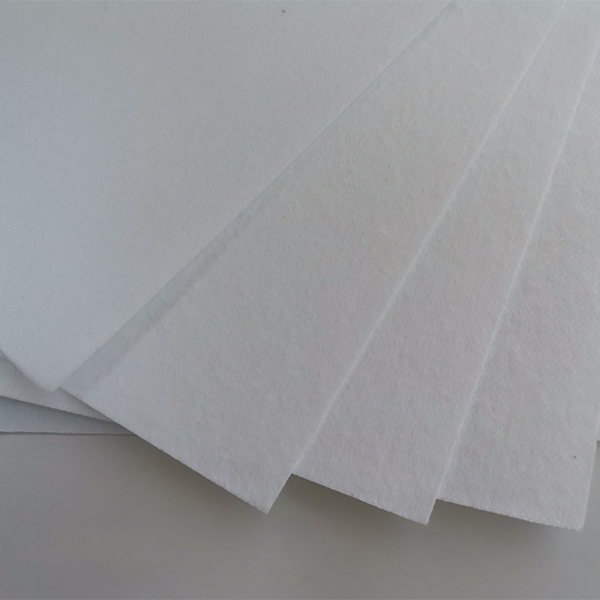
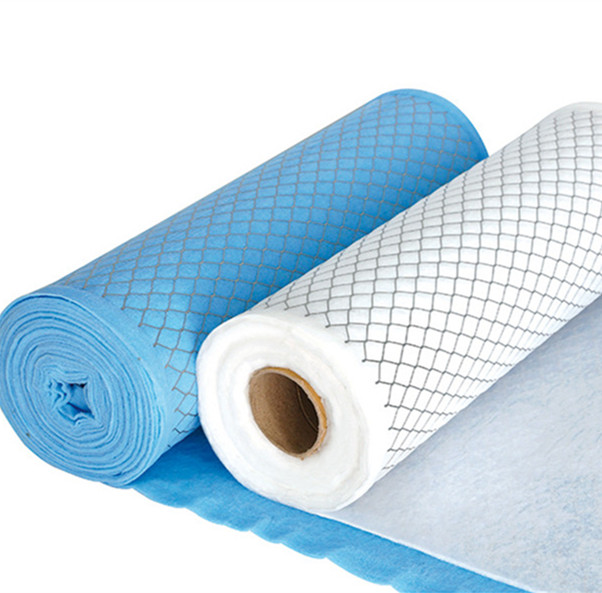
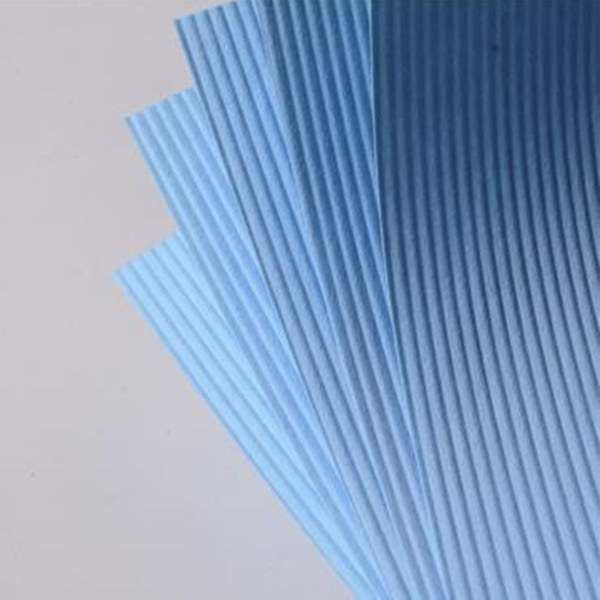
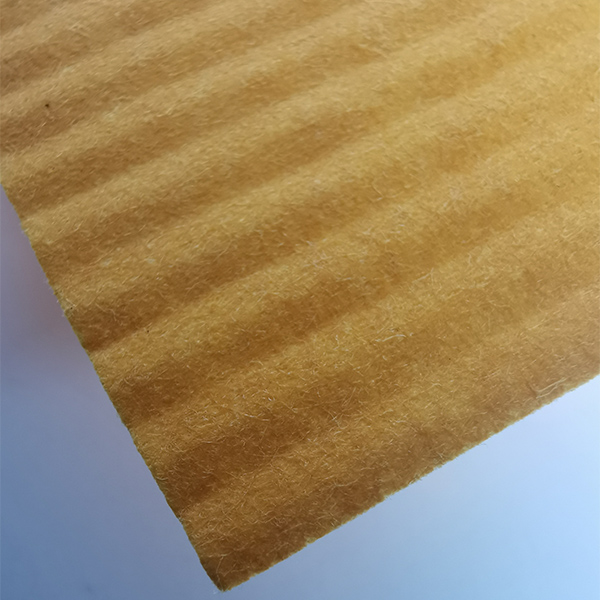
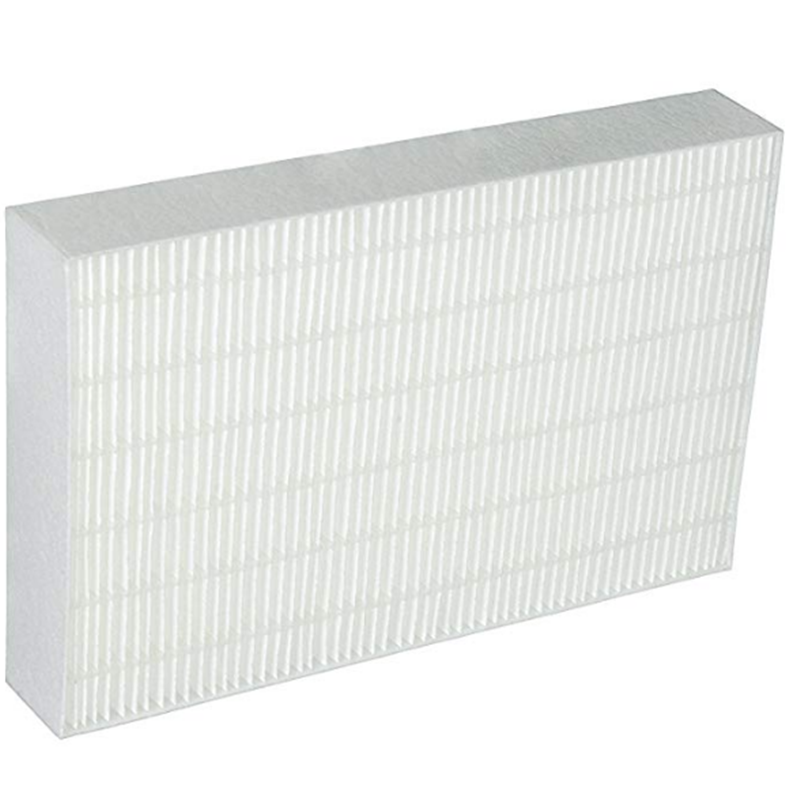
At its core, h13 glassfiber air filter paper is a type of filter medium made predominantly from fine glass fibers. It’s engineered to meet high-efficiency particulate air (HEPA) standards, specifically filter class H13 — recognized worldwide for its stringent filtration capabilities. Unlike synthetic fibers or cellulose papers, glassfiber offers superior heat resistance, chemical stability, and durability. Its dense yet porous matrix traps airborne particles, including dust, bacteria, and even some viruses.
In industries where contamination control is non-negotiable — think cleanrooms for pharmaceutical production or electronics — this filter paper’s reliability ensures product integrity and protects human health.
Key Factors Behind h13 Glassfiber Air Filter Paper’s Performance
1. Filtration Efficiency
With an ability to capture at least 99.95% of particles 0.3 microns and larger, h13 grade is a gold standard. The glassfiber matrix is engineered to maximize airflow while minimizing particle penetration.
2. Durability & Heat Resistance
Glass fibers withstand high temperatures better than many synthetic fibers without degrading. For applications with elevated air temperatures or chemical exposure, this robustness is critical.
3. Airflow & Pressure Drop
Good filter media balance filtration efficiency with acceptable resistance to airflow. The microporous structure helps maintain adequate ventilation rates.
4. Moisture Resistance
Humidity can be a nightmare for filters, causing fiber swelling or microbial growth — glassfiber paper resists moisture-related damage well.
5. Customization & Scalability
Manufacturers can tailor fiber diameter, density, and layering to fit various filter designs and industrial needs.
Typical Specifications of h13 Glassfiber Air Filter Paper
| Parameter | Typical Value | Unit |
|---|---|---|
| Filtration Efficiency (≥0.3 μm) | ≥99.95% | |
| Temperature Resistance | Up to 250 | °C |
| Thickness | 0.25–0.5 | mm |
| Basis Weight | 65–120 | g/m² |
| Moisture Absorption | Low |
Mini takeaway: The balance of high filtration efficiency and durable, heat-resistant glass fibers make h13 glassfiber air filter paper uniquely suited for demanding uses.
Global Applications & Use Cases
The versatility of h13 glassfiber air filter paper shows up globally across several sectors:
- Healthcare: Used in hospital HVAC systems and surgical clean rooms, it helps control airborne pathogens.
- Electronics Manufacturing: Semiconductor fabs require near-zero particle contamination; h13-grade filters are standard.
- Pharmaceuticals: Ensuring sterile production environments.
- Industrial Dust Collection: Factories processing powders or fine particulates lean on glassfiber filters to protect workers and equipment.
- Post-Disaster Relief: Portable air purification units rely on robust filter media to improve indoor air quality where infrastructure is damaged.
For example, in northern India’s industrial hubs plagued by airborne toxins, deploying highly efficient h13 glassfiber air filter paper filters has reduced worker exposure significantly. Likewise, disaster relief organizations in Southeast Asia appreciate durable filter media for temporary medical shelters exposed to humid environments.
Vendor Comparison: Popular h13 Glassfiber Air Filter Papers
| Vendor | Filtration Efficiency | Max Temp (°C) | Moisture Resistance | Typical Applications |
|---|---|---|---|---|
| AnyaFilter Media | ≥99.95% | 250 | High | Healthcare, Industrial |
| FiberMax Filters | ≥99.94% | 220 | Medium | Pharmaceuticals |
| ClearAir Solutions | ≥99.96% | 200 | Low | Electronics |
Advantages & Long-Term Value
It’s easy to appreciate h13 glassfiber air filter paper from a purely technical angle — excellent filtration, durability, heat resistance. But the benefits run deeper:
- Cost-effective Protection: Longer service life reduces replacement frequency.
- Sustainability: Glass fibers can often be reclaimed better than synthetic composites.
- Health & Safety: Superior filtration supports clean indoor environments — a dignity and safety factor often overlooked.
- Trust & Compliance: Meeting global ISO and EN standards builds customer and regulatory confidence.
In real terms, a hospital relying on well-made h13 glassfiber filters can cut airborne contamination risks that might otherwise lead to infections. It feels like “insurance you don’t see” — but without it, well, problems manifest quickly.
Future Trends & Innovations
Looking ahead, several exciting developments are shaping the future of h13 filter media:
- Nanofiber Enhancements: Incorporating nanoscale fibers to boost filtration without losing breathability.
- Green Manufacturing: Eco-friendly binder resins and recyclable glassfiber composites.
- Smart Filters: Embedding sensors to monitor filter saturation and air quality in real-time.
- Digital Integration: Filter selection software improving design customization.
These trends echo global commitments to clean technologies and smart resource use, aligning neatly with the goals of organizations like ISO and the UN Environment Programme.
Challenges & Solutions
No solution is perfect. For h13 glassfiber air filter paper, typical challenges include:
- Cost: Higher initial investment versus synthetic alternatives.
- Fragility: Handling glassfiber paper can be tricky without causing micro-damage.
- Disposal & Recycling: Though better than many materials, recycling remains limited.
Experts recommend proper training in installation, exploring hybrid media combining glassfiber and polymers, and partnering with certified vendors who ensure compliance with waste management protocols. Frankly, stepping up to h13 filtration standards sometimes requires rethinking logistics — but it pays off in long-term air quality and operational reliability.
FAQ: Frequently Asked Questions About h13 Glassfiber Air Filter Paper
- What sets h13 glassfiber air filter paper apart from normal filter papers?
- H13 glassfiber filter paper meets HEPA filter class H13 standards, trapping 99.95% of particles ≥0.3 microns. Its glassfiber composition offers superior heat resistance and durability compared to ordinary cellulose or synthetic papers.
- How long does h13 filter paper typically last in industrial HVAC systems?
- Depending on operating conditions, air quality, and maintenance, lifespan ranges from 6 months to over a year. Regular inspections can extend service life safely without compromising efficiency.
- Is glassfiber filter media recyclable?
- Glassfiber media can be partially recycled, particularly if free from hazardous contaminants. Programs for reclaiming glass fibers exist but depend on local regulations and handling procedures.
- Can h13 glassfiber air filter paper handle humid environments?
- Yes, one advantage of glassfiber media is moisture resistance. However, prolonged exposure to very high humidity may require specific coatings or hybrid materials for optimum performance.
- Are there regional manufacturers of h13 glassfiber air filter paper?
- Yes — manufacturers span North America, Europe, and Asia. Sourcing locally can reduce shipping carbon footprint and improve delivery times, but quality certification is key.
Conclusion: Why h13 Glassfiber Air Filter Paper Matters
Ultimately, h13 glassfiber air filter paper represents a bridge between technological rigor and practical air quality solutions — helping industries worldwide meet health regulations and protect human wellbeing. The long-term benefits stretch beyond cost savings into realms of sustainability, safety, and trust. If you’re seeking high-performance, reliable filtration media that can stand up to challenging environments, it’s worth exploring the options at AnyaFilter Media. Your next clean air project deserves this kind of attention.
Mini takeaway: When air quality is non-negotiable, h13 glassfiber air filter paper is often the gold standard material to make your system work better, longer, and safer.
References
Post time: Dec-02-2025