Understanding H14 Glassfiber Air Filter Paper: A Critical Component in Modern Air Filtration
Air quality—it’s something we often take for granted but is fundamentally vital in many contexts, from hospitals to high-tech manufacturing plants. The h14 glassfiber air filter paper plays a quietly pivotal role in ensuring clean air by filtering out hazardous particles. Globally, clean air standards are tightening, partly due to increased awareness about airborne contaminants and health risks. According to the World Health Organization, roughly 7 million premature deaths annually link to air pollution exposure. Against this backdrop, understanding h14 glassfiber air filter paper—the backbone of high-efficiency filtration systems—is not just an industrial concern, but a public health imperative.
Mini takeaway: H14 glassfiber air filter paper is essential for trapping microscopic harmful particles, thus safeguarding environments where air purity is non-negotiable.
Global Context: Why Does H14 Glassfiber Air Filter Paper Matter?
The global air filtration market is expanding rapidly, expected to surpass $20 billion in the next few years. A critical factor driving this growth is the demand for high-efficiency particulate air (HEPA) filters, especially in regions facing worsening air pollution or stepping up biosecurity measures.
In particular, the H14 standard represents one of the highest filtration ranks defined by the International Organization for Standardization (ISO 29463), ensuring a minimum of 99.995% particle retention at 0.3 microns. That’s impressive—think about viruses, bacteria, or fine dust particles that are often this size or smaller. This filter grade finds its place in critical environments such as pharmaceutical clean rooms, nuclear facilities, and even in disaster relief efforts where air quality control is vital to prevent secondary health crises.
Yet, challenges remain: constant innovation is needed to improve durability, maintain airflow efficiency, and keep costs viable worldwide.
What Exactly is H14 Glassfiber Air Filter Paper?
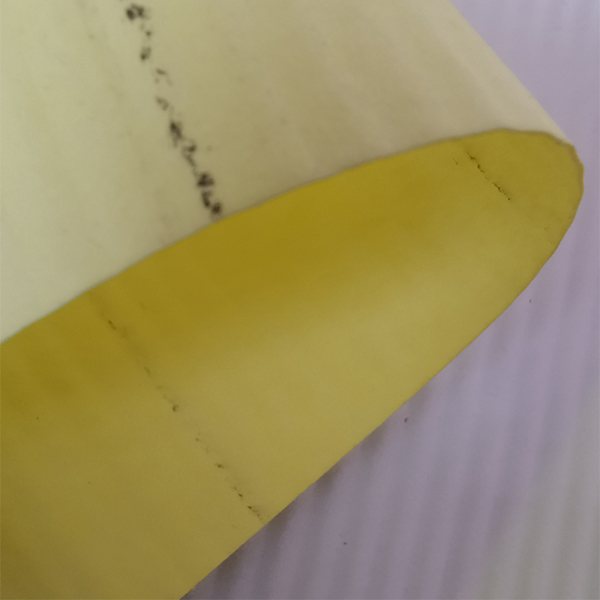
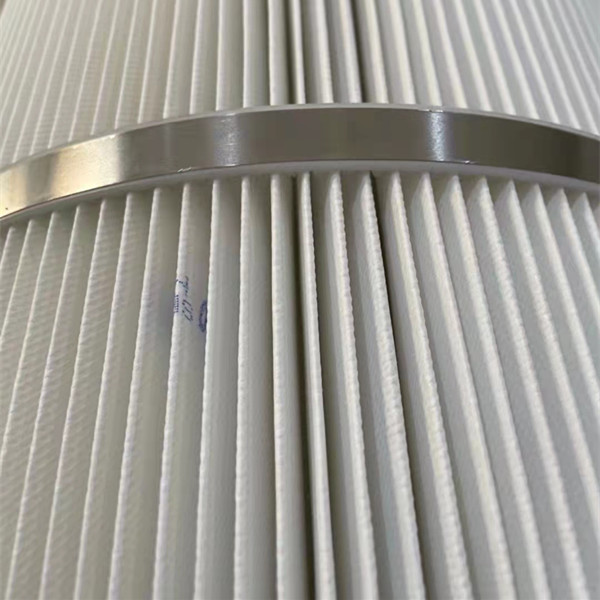
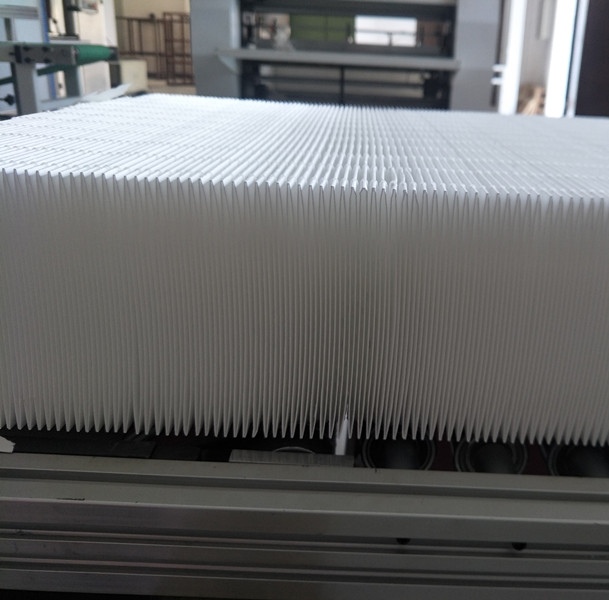
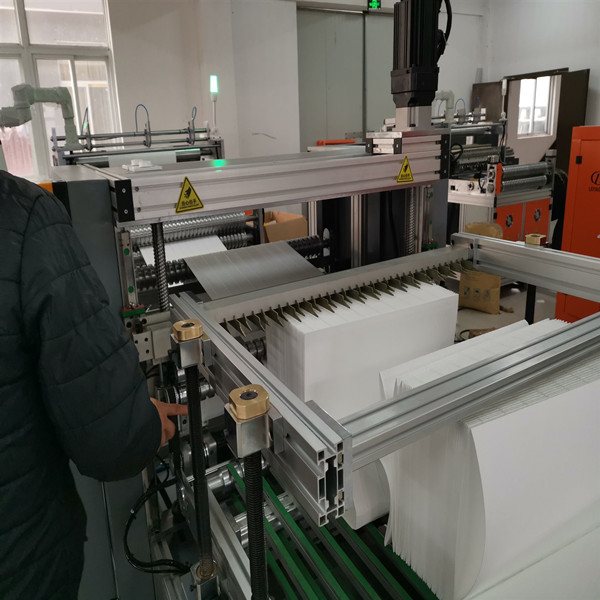
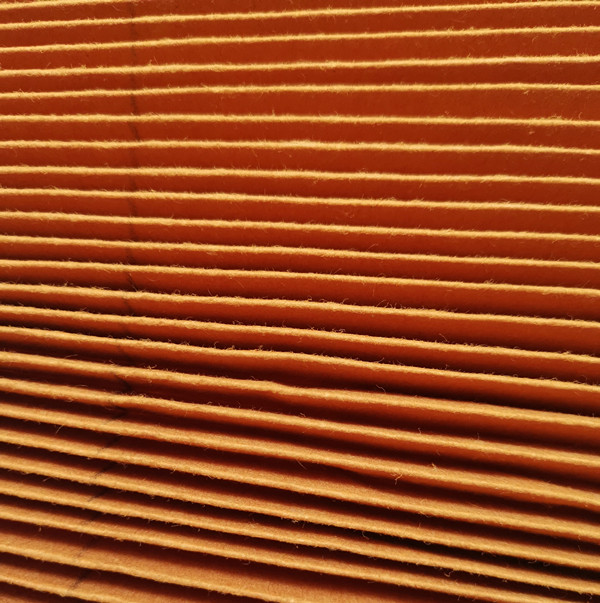
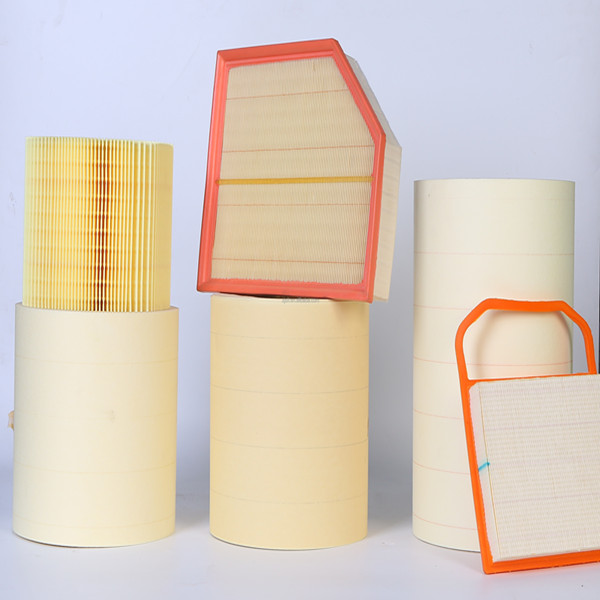
At its core, h14 glassfiber air filter paper is a specialized sheet of densely woven glass fibers crafted to trap extremely fine particles from the air. Imagine a spiderweb—intricately layered to snatch particles as air flows through it, but allowing the air itself to pass freely. Glass fibers are an ideal medium due to their inert nature, mechanical strength, and thermal resistance.
This filter paper isn’t the fluffy kind you find in a home vacuum but rather a high-tech medium tested extensively for performance and safety. It’s engineered with multiple fiber layers arranged to maximize particle capture via interception, inertial impaction, diffusion, and electrostatic attraction.
Ironically, although “paper” suggests something fragile, this material withstands harsh industrial conditions and maintains efficiency over extended periods. It’s used in industries ranging from semiconductor production to hospitals, where air cleanliness affects the success of treatments or product yields.
Key Factors Behind H14 Glassfiber Air Filter Paper’s Effectiveness
1. Durability
The glass fibers provide notable resistance to chemicals and heat, allowing the filter paper to last longer in environments with temperature fluctuations or exposure to reactive substances. This durability means lower replacement frequency—a big deal for cost efficiency.
2. Efficiency & Precision
By capturing particles as small as 0.1 microns with near-perfect efficiency, it protects sensitive equipment and human health alike. The H14 classification ensures it meets rigorous international standards, often required for high-containment operations.
3. Airflow Balance
The design balances high filtration with acceptable pressure drops—meaning it doesn’t overly restrict airflow. This is crucial because using a filter that chokes airflow can strain HVAC systems or reduce the efficiency of clean rooms.
4. Scalability & Customization
Manufacturers can tailor the thickness, fiber density, and glass composition to suit specific applications—from large HVAC units to portable air purifiers.
5. Cost Efficiency
Though upfront costs might feel steep, the long-term returns on equipment protection, health benefits, and durability typically outweigh the initial investment.
| Property | Value / Range | Remarks |
|---|---|---|
| Efficiency (at MPPS) | ≥ 99.995% | Minimum performance level for H14 |
| Fiber Diameter | 1–5 microns | Optimized for filtration and mechanical strength |
| Thickness | 0.3–1.0 mm | Depends on application and airflow requirements |
| Temperature Resistance | Up to 250°C | Suits heat sterilization and industrial use |
| pH Stability | Neutral to slightly alkaline | Resistant to most cleaning agents |
Global Applications & Real-World Use Cases
One of the more fascinating aspects about h14 glassfiber air filter paper is its versatility. In Europe, where EU air quality standards tighten year by year, these filters find use in hospitals and bio-containment labs. Meanwhile, in Southeast Asia, where air quality fluctuates dramatically with seasonal haze, entire factories rely on these filters to protect sensitive electronics manufacturing.
Post-disaster scenarios offer some of the most vital use cases. After severe floods or wildfires, indoor air quality plummets. Organizations deploying temporary shelters with h14 glassfiber air filter paper-based filtration units have saved lives by mitigating exposure to airborne mold spores, dust, and even pathogens in makeshift clinics.
Industrial zones in remote regions also value these filters—they maintain equipment longevity by removing abrasive particles in dusty environments.
Vendor Comparison: Quality Vs. Cost Vs. Availability
| Vendor | Filter Efficiency | Price Range (USD/m²) | Lead Time | Global Availability |
|---|---|---|---|---|
| FibraTech Solutions | ≥ 99.997% | $22–28 | 2–3 weeks | Worldwide |
| ClearAir Inc. | 99.995% | $18–24 | 1 week | Asia, Europe, North America |
| Global Filter Corp. | ≥ 99.996% | $20–26 | 3–4 weeks | North America, Europe |
Advantages & Long-Term Value
- Cost savings due to fewer replacements and equipment protection
- Sustainability: long filter life and recyclable glass fiber make it environmentally friendlier than many alternatives
- Social impact: ensuring safe air boosts worker wellbeing and public health
- Reliability: certified performance that meets the toughest standards builds trust
Frankly, having a reliable h14 glassfiber filter inside a ventilation system feels like an invisible shield—quietly protecting vulnerable environments without fans noticing the extra effort.
Emerging Trends & Innovations
Recent research explores combining glassfiber media with nanofiber layering, promising even higher filtration efficiencies with less airflow resistance. There’s also a push towards biodegradable binders replacing synthetic resins, enhancing sustainability. Digital sensors integrated into filter housings provide real-time monitoring of filter saturation and air quality, ushering in automation and predictive maintenance.
Governments are also tightening regulations, nudging manufacturers toward greener, more efficient filtration solutions with standardized testing protocols.
Common Challenges & Expert Solutions
Some challenges with h14 glassfiber air filter paper include:
- Cost barriers in low-income regions mitigating adoption.
- Disposal concerns due to used filters potentially harboring hazardous materials.
- Maintaining airflow without excessive pressure drop as filters load with particles.
Experts recommend modular filtration setups for tailored airflow management and the adoption of certified recycling programs for used media. Plus, more affordable product lines are entering emerging markets, balancing performance with budget.
Frequently Asked Questions About H14 Glassfiber Air Filter Paper
- What distinguishes H14 glassfiber air filter paper from other HEPA filters?
- H14 classification defines a filter media’s ability to capture ≥99.995% of particles at the most penetrating particle size (~0.3 microns), which is higher than lower-grade HEPA filters. The glassfiber composition also offers better durability and heat resistance compared to synthetic fibers.
- How often should H14 glassfiber air filters be replaced?
- Replacement depends on application and contamination levels but typically ranges from 6 months to 2 years. Regular monitoring of pressure drop and filter integrity ensures optimal replacement timing.
- Are H14 glassfiber air filters suitable for environments with chemical exposure?
- Generally yes—glass fibers resist most chemicals and maintain performance under elevated temperatures, but it’s important to verify compatibility with specific chemicals present in your environment.
- Can H14 glassfiber air filter paper be recycled?
- Used filter media often contains harmful particles and must be handled following hazardous waste guidelines. Some recycling initiatives focus on recovering glass fibers, but practices vary by region.
- How can organizations procure H14 glassfiber air filter paper internationally?
- Most reputable vendors offer global shipping and consultation to ensure compliance with local regulations. Working with distributors familiar with import/export laws can streamline procurement.
Wrapping Up: Why the H14 Glassfiber Air Filter Paper Matters
In real-world terms, the h14 glassfiber air filter paper is more than just a technical product—it’s an enabler of safety, health, and trust across critical industries and global regions. With rising environmental risks and stricter regulations, investing in quality filtration becomes increasingly non-negotiable. If you’re seeking reliable filtration solutions, consider browsing detailed product lines and expert advice at https://www.anyafiltermedia.com.
Thanks for sticking with me through this dive into air filter tech. It feels like one of those behind-the-scenes heroes of modern life—silent, but absolutely indispensable.
Brief takeaway: H14 glassfiber air filter paper is a sophisticated, tested, and indispensable material ensuring clean air in environments where health and safety can’t be compromised.
References:
1. World Health Organization. "Air Pollution." https://www.who.int/health-topics/air-pollution
2. ISO 29463: High efficiency filters and filter media for removing particles
3. United Nations Environment Programme. "Clean Air Quality Initiatives."
Post time: Dec-02-2025