Understanding H12 Glassfiber Air Filter Paper: Why It Matters Globally
When you hear H12 glassfiber air filter paper, it might sound a bit technical or niche — and honestly, it is. But this material quietly plays a huge role in keeping the air we breathe clean across industries worldwide. From hospital HVAC systems to industrial clean rooms and even air purification in disaster-relief sites, its impact is massive. In a world increasingly stressed by pollution and airborne pathogens, understanding high-efficiency glassfiber air filters is not just for engineers; it’s a global necessity.
Simply put, H12-grade refers to a classification in the EN 1822 standard, indicating filters capable of trapping 99.5% of airborne particles—a crucial line of defense in many applications. Grasping this technology’s benefits means grasping solutions to real-world challenges like industrial emissions, healthcare sanitation, and even climate change through sustainable filtration.
Mini takeaway: H12 glassfiber air filter paper is a critical, high-efficiency filter material that helps industries worldwide maintain cleaner air and safer environments.
Global Industry Context
According to the World Health Organization, ambient air pollution contributes to an estimated 4.2 million premature deaths globally every year. Industrial emissions and urban smog consistently challenge air quality standards. The ISO and EN standards on filtration, including the EN 1822 for HEPA filters (where H12 is one of the classifications), ensure consistent performance and safety worldwide.
Amid rapidly urbanizing and industrializing regions, demand for better air filtration solutions has never been higher. From factories in Southeast Asia to surgical theaters in Europe, H12 glassfiber air filter paper answers a complex challenge: trapping microscopic pollutants effectively while maintaining airflow and durability.
What Is H12 Glassfiber Air Filter Paper?
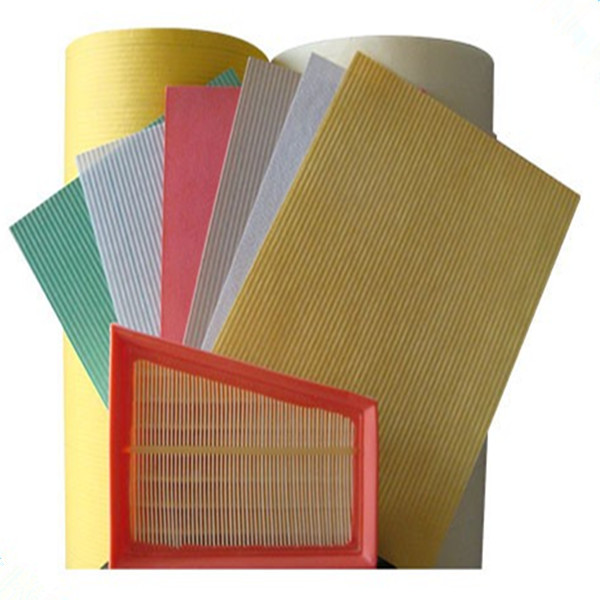
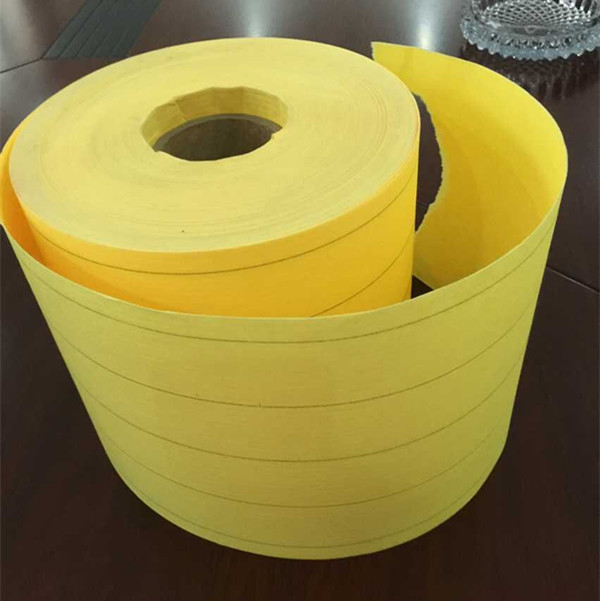
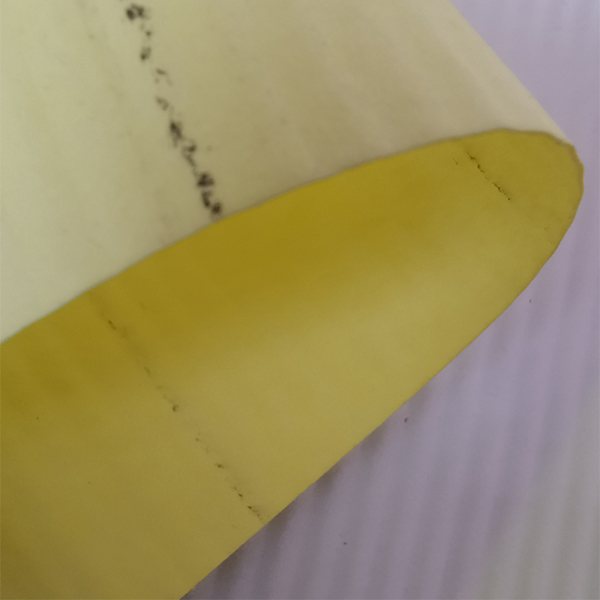
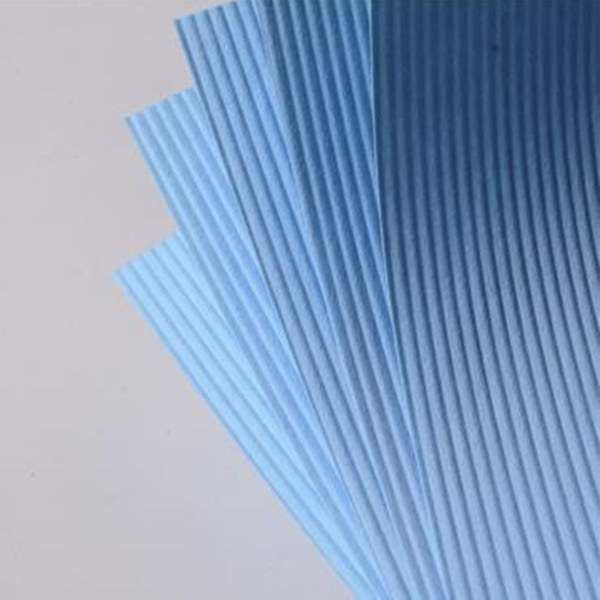
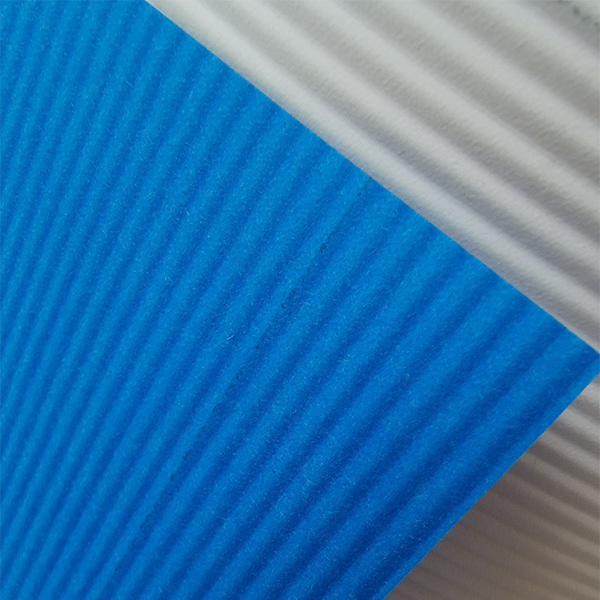
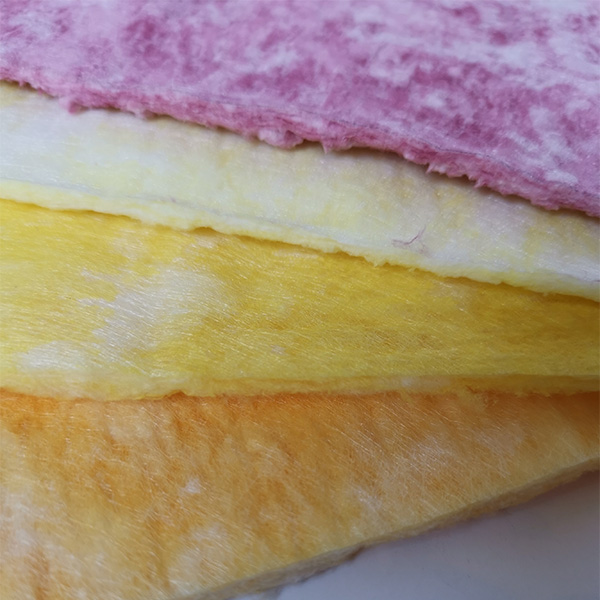
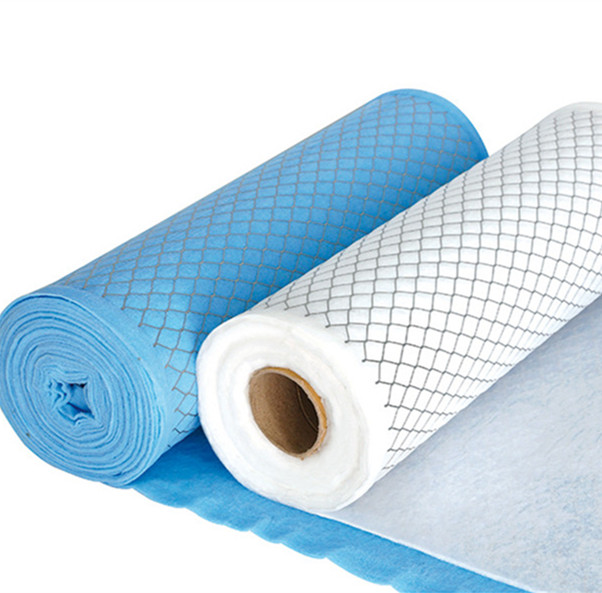
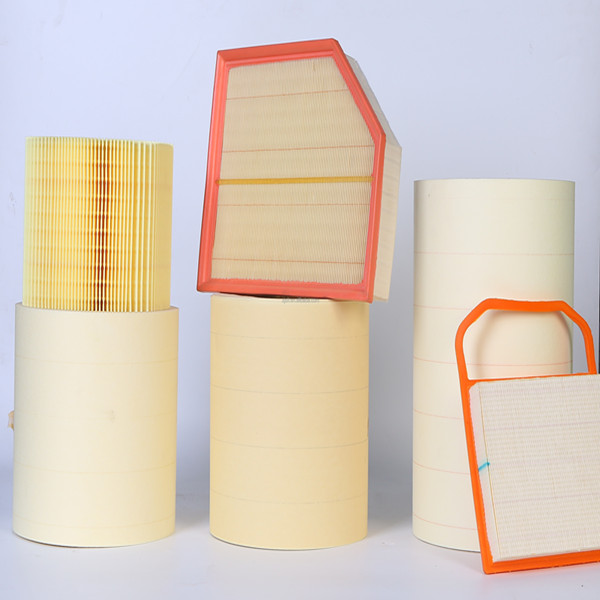
In essence, H12 glassfiber air filter paper is a specialized filter medium made primarily of very fine glass fibers designed to capture at least 99.5% of particles sized 0.3 microns and larger. It’s not your average paper but rather a high-performance material engineered for demanding filtration tasks.
Practically, it’s found in HEPA (High-Efficiency Particulate Air) filters or ULPA (Ultra-Low Penetration Air) filters, used in healthcare, pharmaceuticals, aerospace, and disaster relief where clean air is non-negotiable.
Mini takeaway: Think of H12 glassfiber air filter paper as a microscopic net that’s strong, durable, and precise, designed for high-stakes filtration.
Core Components & Key Characteristics
1. Filtration Efficiency
The hallmark of H12 grade is an efficiency of 99.5% at filtering particles ~0.3 microns—those pesky ultra-fine dust, bacteria, and some viruses. This efficiency results from the complex matrix of glass fibers combining depth filtration and mechanical interception.
2. Durability & Moisture Resistance
Oddly enough, even though it looks delicate, glassfiber filter paper withstands high temperatures and humidity better than synthetic alternatives, making it ideal for industrial environments that can be harsh or variable.
3. Airflow & Pressure Drop
For practical deployment, it needs to balance trapping particles without choking airflow. H12 glassfiber papers are engineered to minimize pressure drop, meaning systems don’t need excessive energy to push air through.
4. Chemical Resistance
In chemical manufacturing or hazardous waste treatment, filters confront corrosive molecules — glass fibers’ inherent chemistry helps resist degradation compared to organic fibers.
5. Scalability & Customization
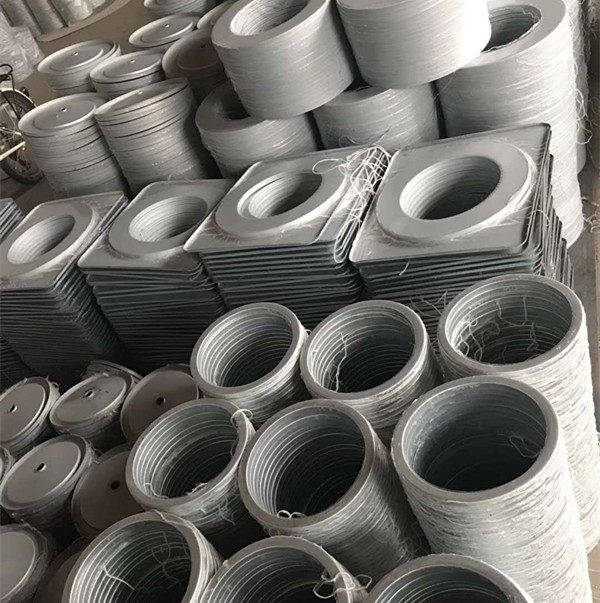
Manufacturers can tailor thickness, density, and layering techniques depending on the application, from hospital surgical vents to pollutant scrubbers in remote mines.
Mini takeaway: H12 glassfiber air filter paper combines high efficiency, durability, and adaptability, making it a go-to in varied, demanding contexts.
Global Applications & Real-World Use Cases
- Healthcare: Operating rooms rely on HEPA filters containing H12 glassfiber media to prevent airborne contamination during surgeries, safeguarding patient outcomes.
- Industrial Processes: Semiconductor manufacturing requires ultra-clean air; the use of H12-grade filters prevents defects caused by microscopic particulates.
- Disaster Relief: Following wildfires or chemical leaks, air filtration using these materials provides cleaner indoor air for displaced populations.
- HVAC Systems in Urban Centers: Mega-cities like Beijing or Los Angeles incorporate these filters in public buildings to counteract severe smog exposure.
Even organizations like Médecins Sans Frontières have noted the importance of portable filtration units equipped with this high-level filter paper in crisis zones.
Product Specifications of Typical H12 Glassfiber Air Filter Paper
| Specification | Details |
|---|---|
| Material | High-purity glass fibers |
| Filtration Efficiency (EN 1822 H12) | ≥ 99.5% at 0.3 microns |
| Thickness | 0.4 – 1.2 mm (application dependent) |
| Basis weight | 80 – 180 g/m² |
| Max Operating Temp | 260°C (short term) |
| Moisture Resistance | High |
Comparing Leading Vendors of H12 Glassfiber Air Filter Paper
| Vendor | Product Range | Efficiency Ratings | Customization | Lead Time |
|---|---|---|---|---|
| FiltraGlass Co. | H10-H13 grades | Up to 99.97% | Thickness & density | 2–3 weeks |
| CleanAir Solutions | Focused on H12 & H13 | ≥ 99.5% | Custom shapes & laminates | 1–2 weeks |
| EcoFilter Corp. | H10 – H14 grades, eco-certified | Up to 99.995% | Eco-friendly binders, thickness | 3–4 weeks |
Advantages & Long-Term Value of H12 Glassfiber Air Filter Paper
- Cost Efficiency: Higher initial cost but longer life and lower energy needs reduce total cost of ownership.
- Sustainability: Durable materials lead to less frequent replacement and waste.
- Reliability & Safety: Medical and high-tech industries depend on consistent particulate removal.
- Social Impact: Cleaner air equals healthier workers and communities, reducing healthcare burdens.
Future Trends & Innovations
Green tech is pushing new bio-based binders combined with glass fibers for even less environmental impact. Digital monitoring integrated within filter units allows real-time efficiency tracking. Automation and AI-driven maintenance scheduling optimize replacements, saving resources. Plus, as air quality standards become stricter globally (many set by ISO and regional bodies), demand for advanced H12-grade materials rises.
Challenges & Solutions
Current limitations include disposal challenges due to fiber glass waste, and performance degradation under extremely humid or corrosive conditions. Innovations like recyclable media, hybrid composite filters, and improved pre-filter systems aim to tackle these issues effectively.
FAQ: Frequently Asked Questions About H12 Glassfiber Air Filter Paper
- Q: How does H12 glassfiber air filter paper differ from standard HEPA filters?
A: H12 refers to a specific efficiency rating under EN1822: filters capture 99.5% of 0.3-micron particles, whereas standard HEPA sometimes only guarantees 99.97%, depending on classification. It’s about precise performance groups within the HEPA family. - Q: Where is H12 glassfiber air filter paper typically used?
A: It’s used in hospital ventilation, pharmaceutical cleanrooms, industrial air scrubbers, and emergency relief shelters—anywhere clean air is vital. - Q: Can these filters be customized for specific environments?
A: Absolutely, manufacturers adjust thickness, layering, and chemical treatments based on application needs. - Q: How long does an H12-grade filter last under continuous use?
A: Typically 6–12 months, depending on air load, maintenance, and environment.
Conclusion & Call to Action
In real terms, H12 glassfiber air filter paper is a cornerstone material underpinning modern clean air technologies across the globe. Its high efficiency, durability, and adaptability make it indispensable in sectors from healthcare to industrial manufacturing to humanitarian aid. As air quality demands grow tighter, embracing this material is a smart investment—technologically and ethically.
Want to learn more or source quality H12-grade filters? Visit h12 glassfiber air filter paper for detailed info and expert support.
Thanks for reading! It honestly feels good to know that such a simple material plays a huge silent role in protecting lives daily.
Brief reflection: Filtration media like this might be invisible heroes, but their impact on health, industry, and environment is profound — and evolving fast.
Post time: Dec-02-2025