Why Metal Mesh Pre Filters Matter More Than You Think
Ever stopped to think about the unsung hero of air filtration called the metal mesh pre filter? If you’ve ever been in an industrial setting or dealt with residential HVAC systems, chances are you’ve encountered one without even realizing it. Globally, the demand for cleaner air and more efficient filtration is skyrocketing, largely because industries are under increasing pressure to meet environmental standards that affect everything from workplace safety to urban air quality. Metal mesh pre filters are vital in this puzzle, acting as the frontline defense to catch larger particles before the more delicate filters do their job downstream. It’s a simple part, but it plays a surprisingly significant role in extending equipment lifespan and improving overall efficiency.
Mini takeaway: Understanding metal mesh pre filters is key to grasping how we keep industrial and residential environments safer and more sustainable.
Global Context: The Growing Urgency for Effective Air Filtration
Let’s paint the big picture here. According to data from the World Bank and the United Nations Environment Programme (UNEP), air pollution remains one of the leading global health risks—estimated to cause over 7 million premature deaths annually worldwide. Industrial emissions, urban dust, and airborne particulates create an enormous burden. ISO standards related to air quality and filtration (ISO 16890, for example) are tightening, demanding more robust, efficient pre-filtration systems.
Metal mesh pre filters come into play by tackling this challenge head-on. They reduce the load on finer filters, decrease maintenance costs, and help facilities comply with environmental regulations. Oddly enough, although the tech isn't new, the global push for sustainability means that deploying effective pre filters is becoming a benchmark rather than just a best practice.
Mini takeaway: In real terms, using metal mesh pre filters globally is a critical step in reducing industrial pollutants and protecting public health.
What Exactly Is a Metal Mesh Pre Filter?
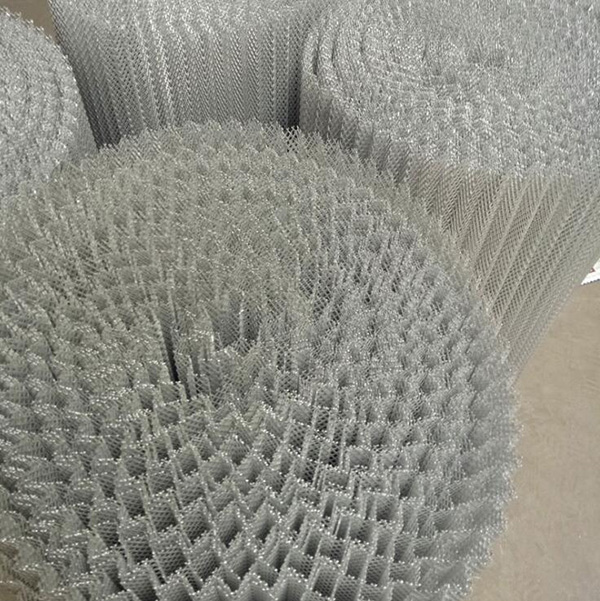
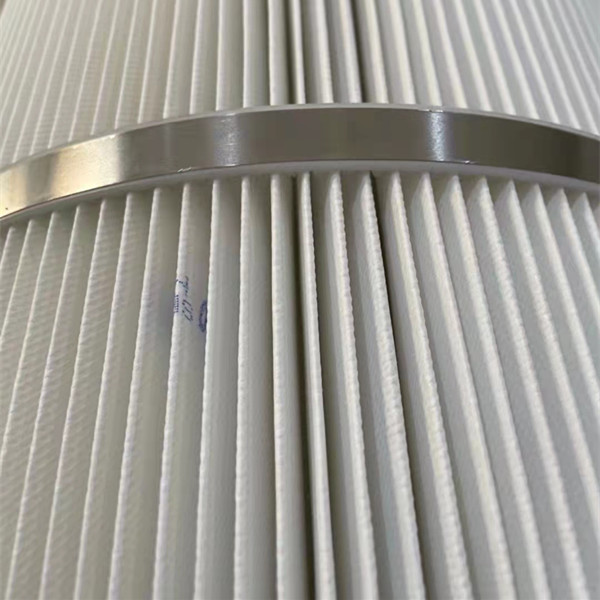
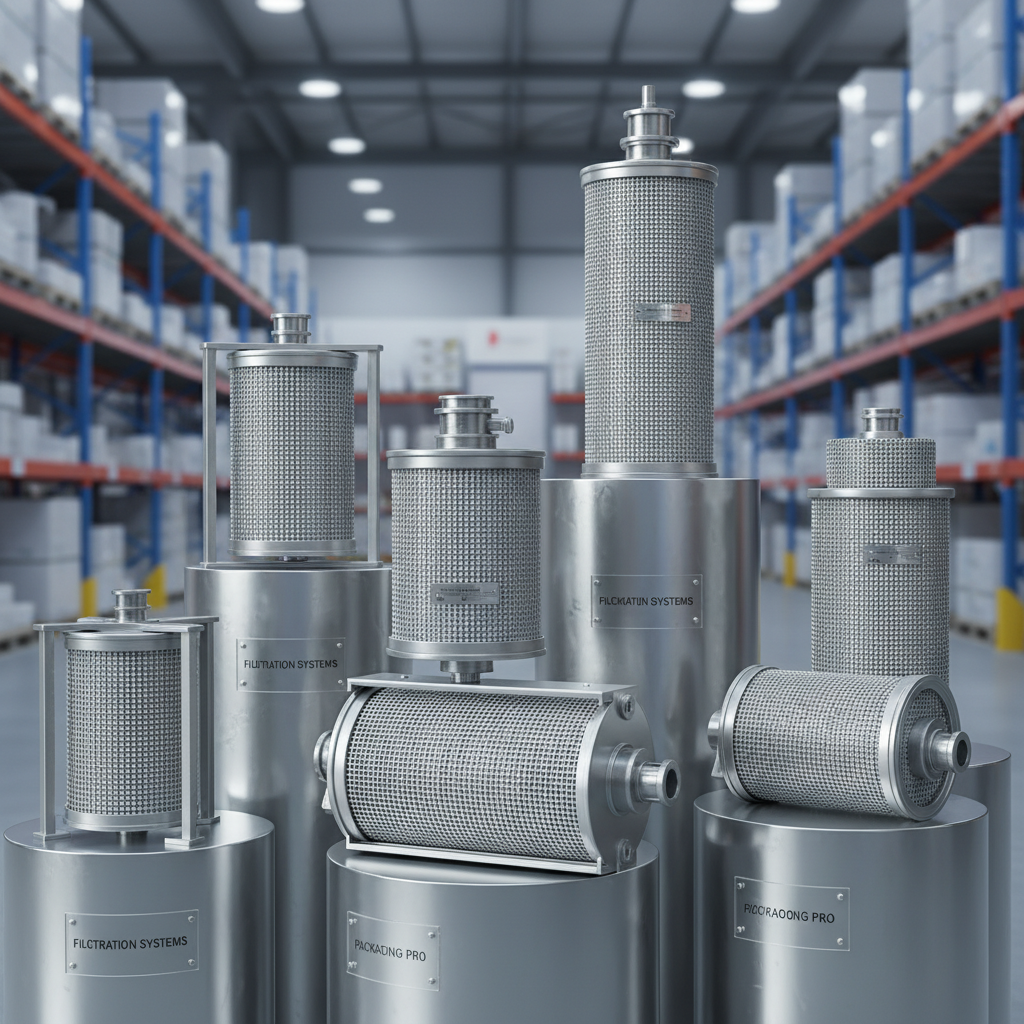
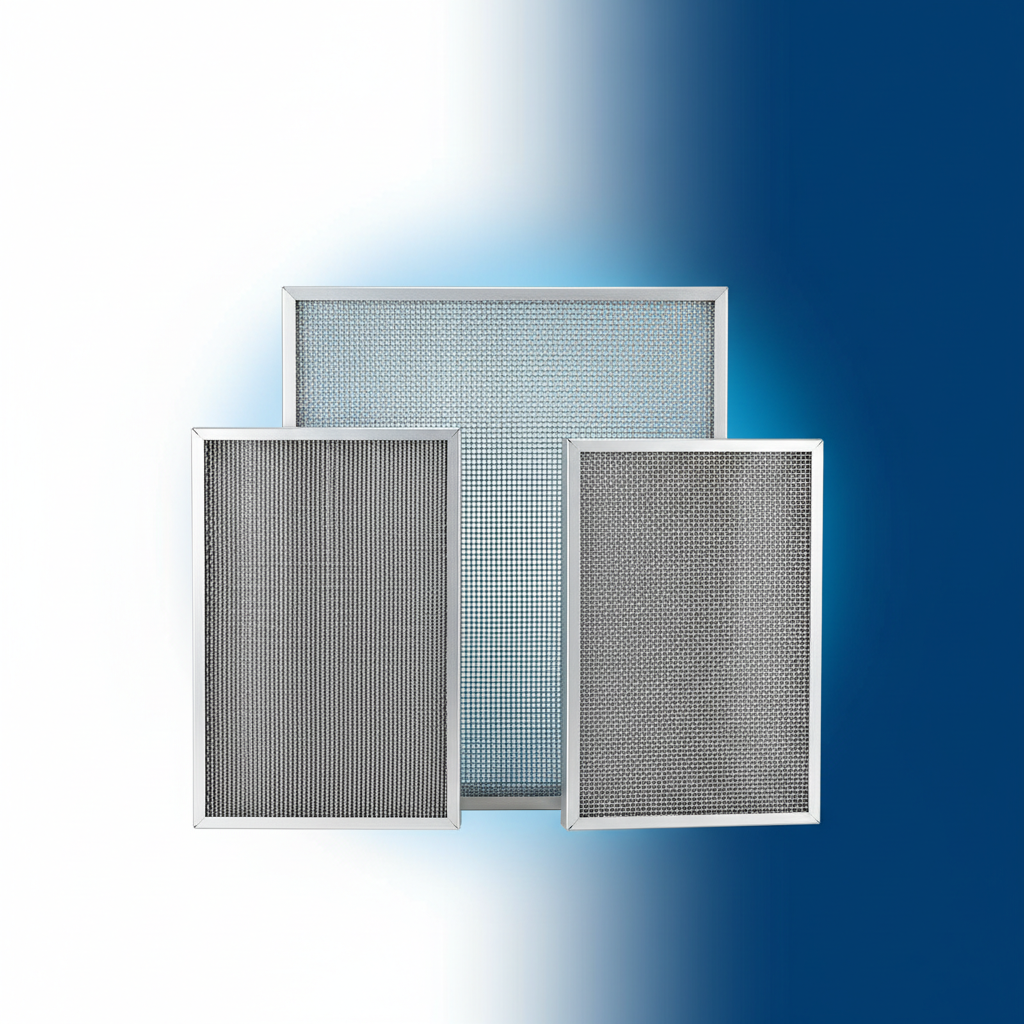
At its core, a metal mesh pre filter is a screen-like component made of woven or expanded metal strands designed to trap larger particles such as dust, lint, and debris before they reach the deeper filter layers. Think of it like the draft excluder at the door of a house: it catches the big stuff before it sneaks inside.
Beyond simple dust interception, these filters support industrial and humanitarian needs—wherever air quality is crucial, and filter efficiency affects operational reliability. For example, in harsh environments like mining or construction sites, metal mesh pre filters prevent early clogging of HEPA or carbon filters, saving downtime and money. NGOs working with disaster relief also deploy portable air filtration units equipped with metal mesh pre filters to create healthier temporary housing conditions.
Mini takeaway: Metal mesh pre filters are simple but indispensable first lines of defense across industries and emergency contexts.
Key Factors: What Makes Metal Mesh Pre Filters Tick?
Durability and Robustness
Made mostly of stainless steel, aluminum, or galvanized metals, these filters resist corrosion and maintain structural integrity over time. This means they can be washed and reused multiple times—a rare advantage compared to synthetic filters that often get tossed after one use. Many engineers say this durability not only reduces waste but also lowers total cost of ownership.
Airflow Efficiency
The mesh’s geometry matters. Weaving patterns, strand thickness, and open area percentage influence how much air passes through with minimal pressure drop. A well-designed metal mesh pre filter balances filtration with airflow so that fans and blowers don’t overwork themselves.
Scalability and Customization
From tiny units in residential air purifiers to massive industrial ventilation systems, metal mesh filters can be tailored to fit any size, shape, or load. They are easy to cut, form, and weld to specifications, making them ideal for complex machinery or modular systems.
Cost Effectiveness
While upfront costs may be higher than disposable filters, their reusability and longevity translate into significant savings over time. Plus, when factoring in reduced downtime and extended life for primary filters, the ROI looks even better.
Environmental Sustainability
Reusable metal pre filters cut down on landfill waste from frequent filter replacements and minimize consumption of synthetic filter materials derived from petrochemicals.
Mini takeaway: The blend of longevity, airflow balance, and eco-friendliness is what makes metal mesh pre filters a practical choice for today's demanding filtration needs.
Real-World Applications Around the Globe
You’ll find these filters everywhere industries face airborne particulates and want to protect equipment or staff. Here are a few examples:
-
Industrial manufacturing: Factories producing metals, chemicals, and textiles rely on metal mesh pre filters to trap abrasive particles that can degrade sensitive machines.
-
HVAC systems: Commercial and residential air conditioning units often include these filters in their intake vents to improve air quality and reduce load on subsequent filters.
-
Disaster relief housing: In refugee camps or temporary shelters set up after natural disasters, portable air units fitted with metal mesh pre filters help minimize airborne bacterial and dust contamination.
-
Mining and construction sites: The tough, dusty environments require filters that can withstand abrasion without constant replacement.
-
Clean rooms and labs: Even here, the pre filters protect ultra-sensitive HEPA filters from being overwhelmed by larger dust particles.
Mini takeaway: Metal mesh filters have become a global staple—from dusty industrial sites in Asia to emergency shelters in Africa and healthcare systems in Europe.
Advantages That Go Beyond Simple Filtration
There’s the obvious benefit of cleaner air and better equipment function. But dig a little deeper, and you’ll see:
-
Cost savings: Less frequent replacements and maintenance downtime save money and increase productivity.
-
Sustainability: Reduced waste and lower resource usage align with corporate social responsibility goals.
-
Safety and dignity: Improved air quality means less respiratory risk—vital in healthcare, emergency, and residential contexts.
-
Innovation trust: Reliable, tested materials reassure engineers and operators that their filtration system is resilient.
I noticed that many operators remark how a sturdy metal mesh pre filter gives peace of mind—knowing the system won’t unexpectedly clog up and cause shutdowns.
Mini takeaway: Metal mesh pre filters aren’t just parts — they’re investments in safety, efficiency, and long-term value.
The Road Ahead: Emerging Trends in Metal Mesh Pre Filtration
Technology won’t stand still. Here’s what engineers and product developers are eyeing:
-
Advanced coatings: Self-cleaning or antimicrobial surface treatments that prevent fouling and kill bacteria.
-
Smart filters: Embedded sensors that monitor clogging and airflow in real-time, linking to digital maintenance logs.
-
Lightweight alloys and composites: Materials that provide strength but reduce system weight, especially for mobile or aerospace use.
-
Green manufacturing: Processes geared toward lower carbon footprints and recyclability of metal filters.
It feels like the entire filtration field is inching toward smart, sustainable, and more integrated solutions. Metal mesh pre filters will likely become even more customized and indispensable in that future.
Mini takeaway: Expect smarter, greener, more adaptable filters soon, enhancing the humble metal mesh pre filter’s role.
Challenges and How Experts Are Tackling Them
No product is perfect, right? Metal mesh pre filters have a few hiccups:
-
Potential for larger particle bypass: If mesh size isn’t tailored properly, some harmful debris might slip through.
-
Cleaning requirements: Reusable filters need regular washing—a process that can be labor-intensive or uneven if not managed well.
-
Initial cost hurdles: Some buyers hesitate at upfront pricing without clarity on long-term savings.
Fortunately, innovative designs—like multi-layer mesh stacks and self-servicing cleaning units—are addressing these. Plus, more education around lifecycle costs is helping break down purchase hesitation. Industry forums and standards committees continue improving guidance for filter specs and maintenance.
Mini takeaway: Challenges exist but are actively being overcome by design improvements and operational know-how.
Product Specification Table: Typical Metal Mesh Pre Filter
| Specification |
Typical Range |
Remarks |
| Material | Stainless Steel, Aluminum | Corrosion & heat resistant |
| Mesh Opening Size | 0.1 – 1.0 mm | Depends on application |
| Open Area Percentage | 30% – 70% | Balances flow rate & filtration |
| Thickness | 0.2 – 1.5 mm | Affects durability & airflow |
| Operating Temperature | -40°C to 300°C | Suitable for harsh environments |
| Cleaning Method | Wash, blow-off, ultrasonic | Reusable multiple times |
Vendor Comparison Table
| Vendor |
Product Range |
Customization |
Lead Time |
Pricing |
| SteelFilter Co. |
Standard & heavy-duty meshes |
High |
2-4 weeks |
Mid-range |
| MeshTech Solutions |
Advanced coatings, smart filters |
Medium |
3-5 weeks |
Premium |
| EcoFilter Industries |
Eco-friendly, recyclable options |
High |
4-6 weeks |
Competitive |
FAQ: Frequently Asked Questions About Metal Mesh Pre Filters
- Q: How often should metal mesh pre filters be cleaned?
A: Generally, cleaning frequency depends on the environment, but most industrial users recommend washing every 1-3 months. Regular inspections can help determine the right interval based on accumulated debris and airflow changes.
- Q: Can metal mesh pre filters be used in humid environments?
A: Absolutely. Stainless steel mesh is corrosion-resistant and works well in humid or even wet conditions. Aluminum options exist too but might require protective coatings for extremely moist settings.
- Q: Are metal mesh pre filters compatible with HEPA filters?
A: Yes, metal mesh pre filters act as upstream protection to HEPA filters, capturing larger particles and preserving the HEPA’s life and efficiency.
- Q: How does the choice of mesh size affect filtration?
A: Smaller mesh openings capture finer particles but can increase pressure drop. It’s a trade-off that depends on how dirty the air is and what the downstream filters require.
- Q: What disposal practices are recommended for worn-out metal mesh filters?
A: Since metal mesh filters are recyclable, many facilities send them to scrap metal recyclers. Proper cleaning before recycling helps meet environmental regulations and worker safety standards.
Wrapping It Up: The Lasting Value of Metal Mesh Pre Filters
It’s fair to say metal mesh pre filters punch above their weight in making filtration systems smarter, tougher, and more cost-effective globally. From industrial giants to humanitarian shelters, their simple steel meshes keep air clean, equipment running, and budgets happy. If you haven’t considered upgrading or switching to this type of pre filter, now might be the time — especially as pressure mounts for greener, longer-lasting filtration solutions.
For those curious to dive deeper, check out more insights on
metal mesh pre filter technologies and products. There’s plenty to gain by upgrading your understanding and your filtration systems.
---
### References
1. United Nations Environment Programme (UNEP): Air Pollution Data — https://www.unep.org
2. ISO 16890 Air Filters Standards — https://www.iso.org/standard/57940.html
3. World Bank: Health and Air Quality Statistics — https://data.worldbank.org