Metal Mesh Screen Filter: A Small Part with a Big Global Role
At first glance, a metal mesh screen filter might seem a modest, even mundane, component—some sort of grid or sieve you’d find in a machine. But if you dig a little deeper, you realize it’s quietly performing critical functions in industries and environments worldwide. From purifying water in remote villages to safeguarding delicate electronics, metal mesh screens are everywhere, keeping unwanted stuff out and letting the good stuff flow through.
The global stake? Clean water, efficient manufacturing, environmental protection, and public health depend on these filters functioning well. Around 2 billion people globally still face water shortages (UN Water, 2023), and metal mesh filters are part of the tech toolbox tackling that. Plus, with industries snarled by contamination risks and regulatory hurdles, understanding and selecting the right mesh filter can be a huge boon.
Why Should You Care About Metal Mesh Screen Filters?
Industries worldwide are increasingly under pressure to raise quality levels, cut costs, and stay green. According to ISO standards on filtration (ISO 16889, ISO 13357), efficient particle separation improves product lifespan and process integrity. Yet, contamination incidents still cause billions in losses annually.
Metal mesh screen filters help solve this by being tough, reusable, and adaptable to varying particle sizes. They’re deployed across sectors—to filter dust in mining operations of Australia, remove debris from oil pipelines in the Middle East, and even screen microplastics from rivers in Europe. These filters aren’t just passive barriers; they’re frontline defenders against costly downtime and environmental harm.
What Exactly Is a Metal Mesh Screen Filter?
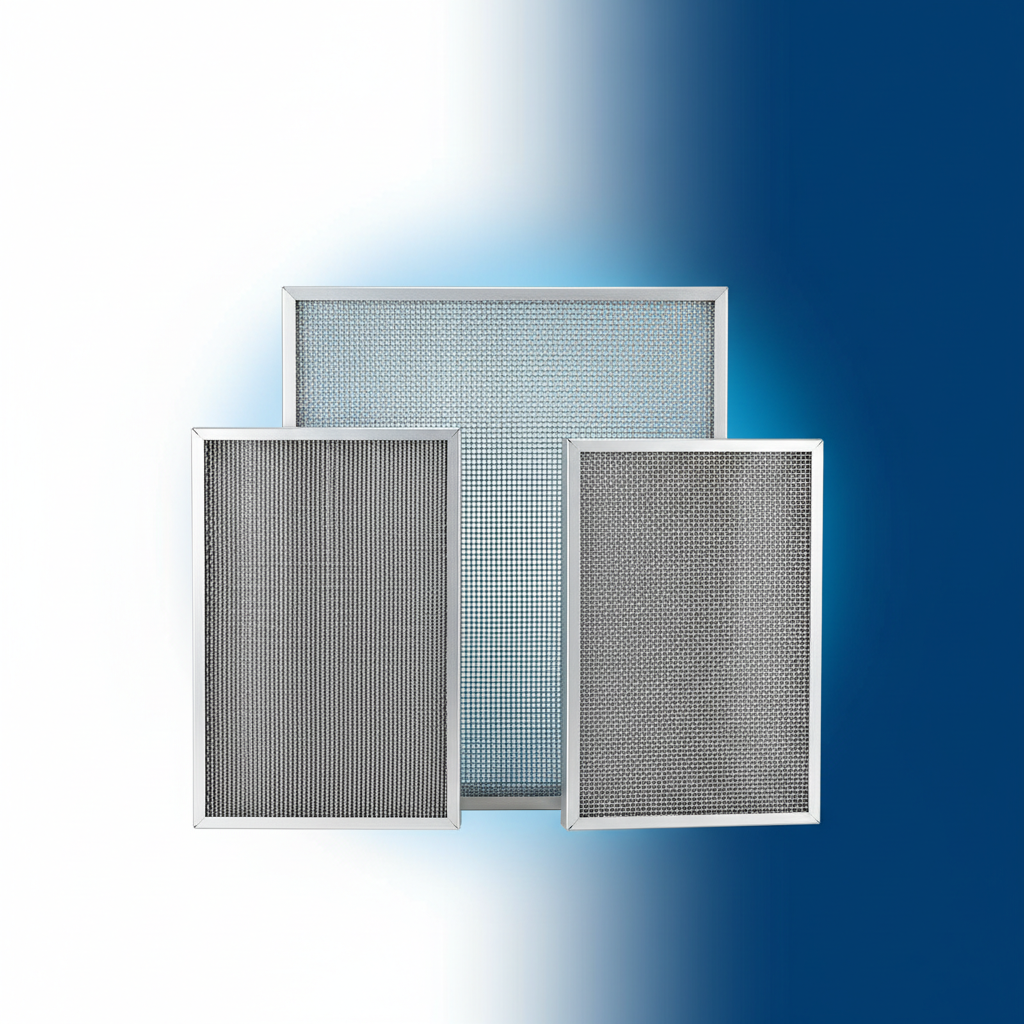
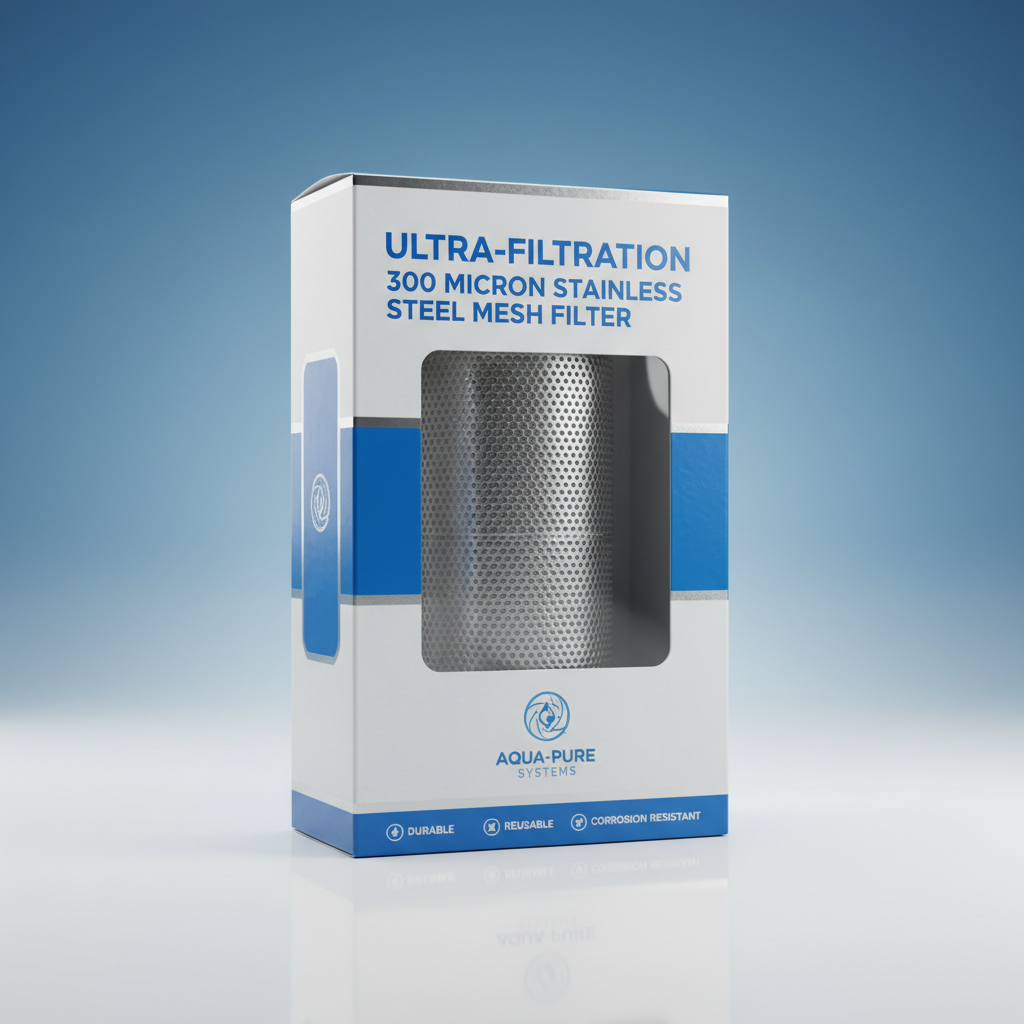
In simple terms: a metal mesh screen filter is a woven or perforated material made from metals like stainless steel, copper, or nickel designed to physically block particles while allowing fluids or gases to pass.
Think of it like a colander made of sheet metal but engineered to tight tolerances, with pore sizes ranging from microns (1/1000 millimeter) to millimeters, depending on the job. This flexibility links it to humanitarian projects—like those improving water access in sub-Saharan Africa—and high-tech setups like semiconductor fab plants where even microscopic dust is deadly.
Core Features to Know Before Picking a Metal Mesh Screen Filter
1. Durability & Corrosion Resistance
Many off-the-shelf screens fail because the metal corrodes, reducing filter life drastically. That’s why stainless steel alloys (304, 316) are kings here, especially for water or chemical exposure. Marine industries, for instance, demand extreme durability for saltwater environments.
2. Pore Size & Filtration Rating
From coarse sand-grain filtration to micron-level particle exclusion, knowing your mesh opening size is critical. Smaller pore sizes increase filtering precision but tend to require more maintenance due to clogging.
3. Mesh Weave Type
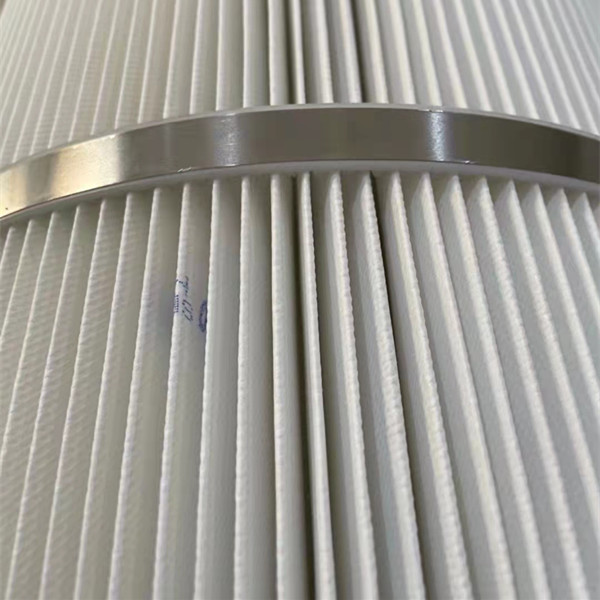
Plain weave offers uniformity, while twill or dutch weave enhances strength or flow characteristics. The choice depends on the fluid’s nature and the contamination expected.
4. Customizability & Shape
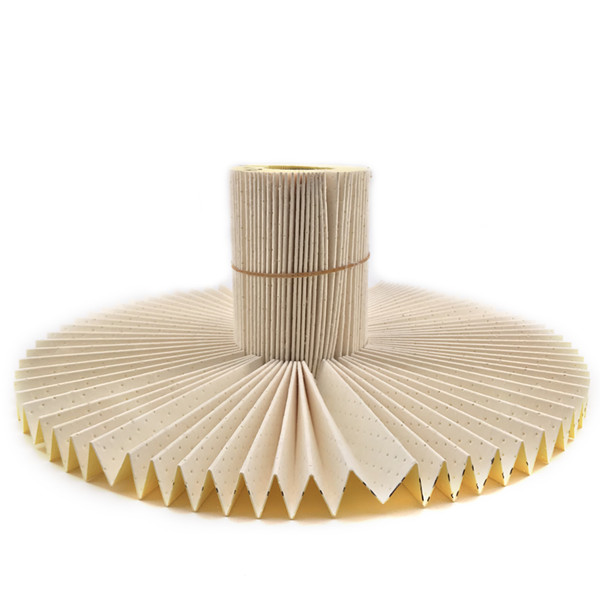
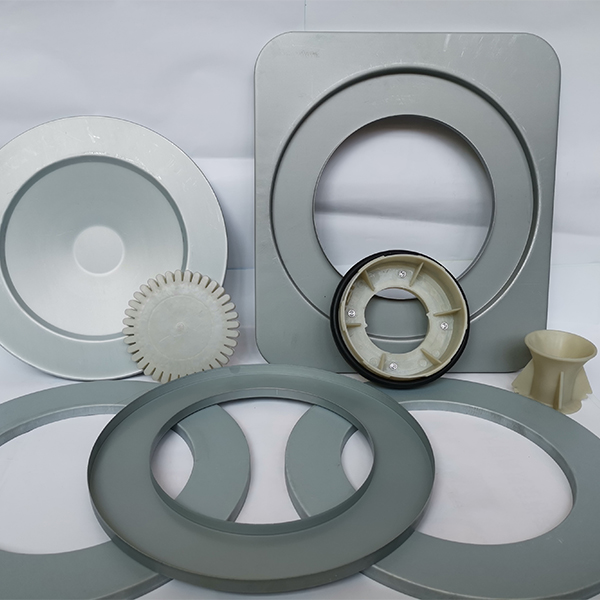
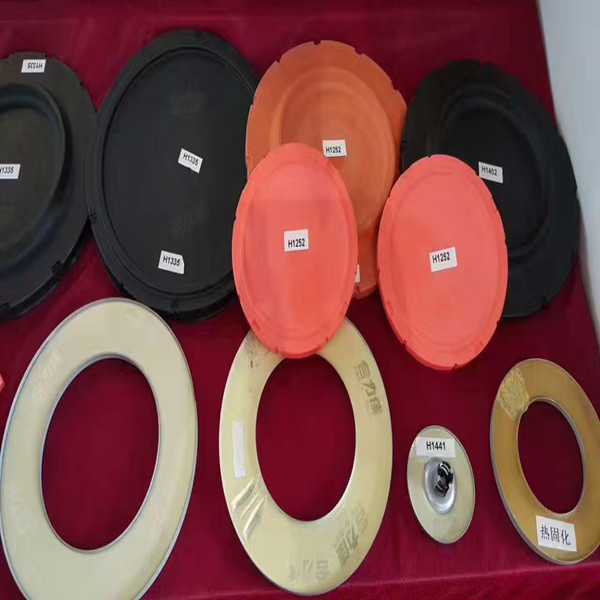
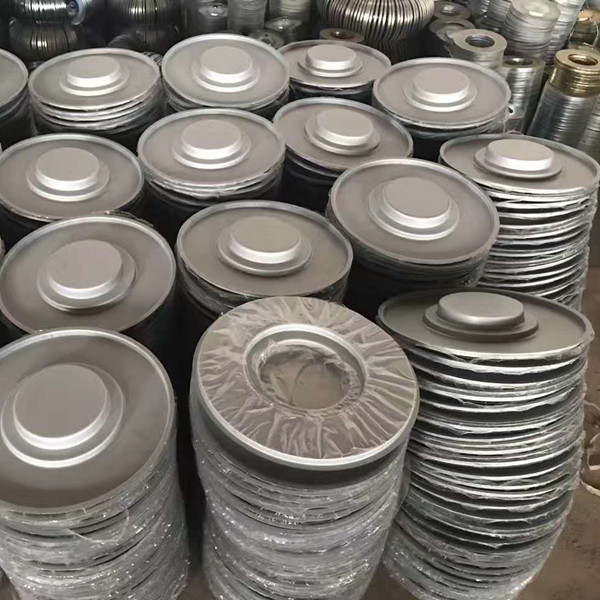
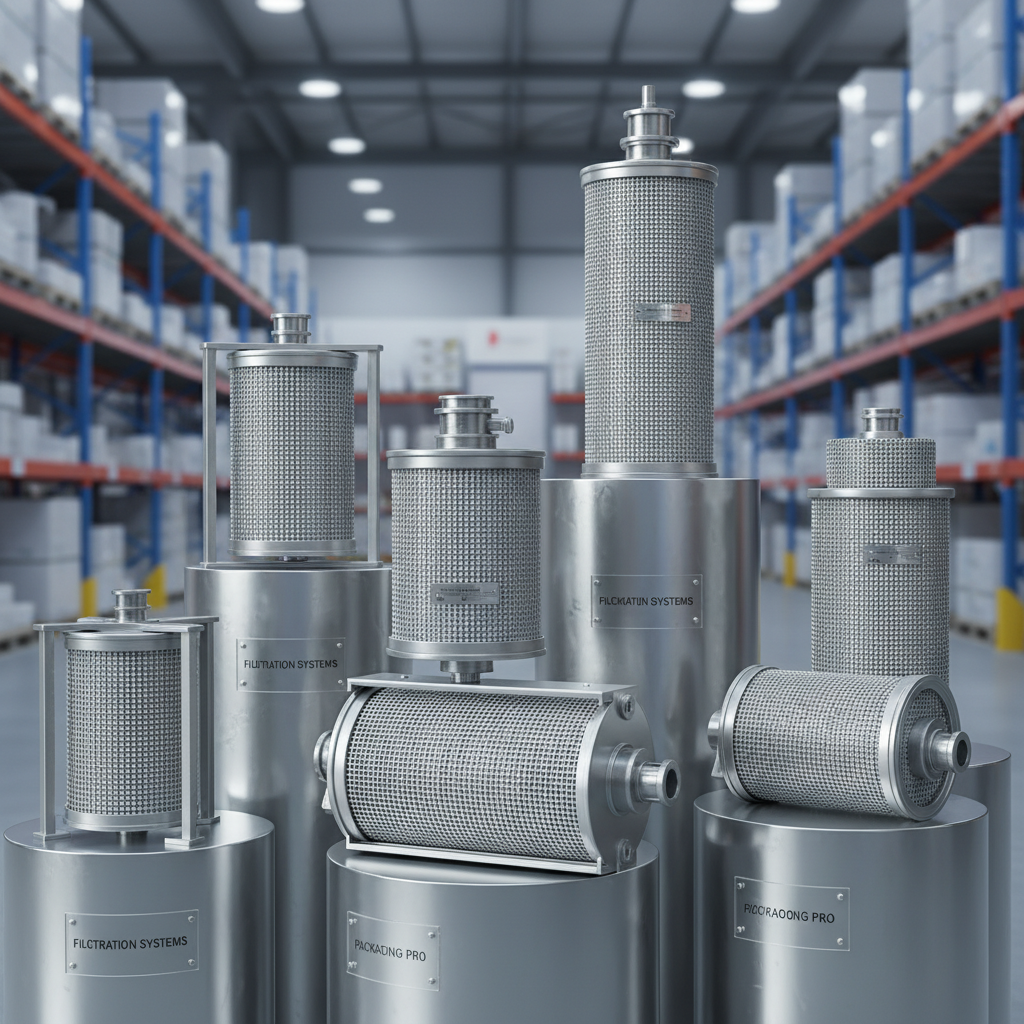
Filters come as sheets, discs, cylinders, or custom forms for unusual equipment. This flexibility means lots of industries, from automotive to food processing, can tweak them to fit specialized needs.
5. Cost Efficiency
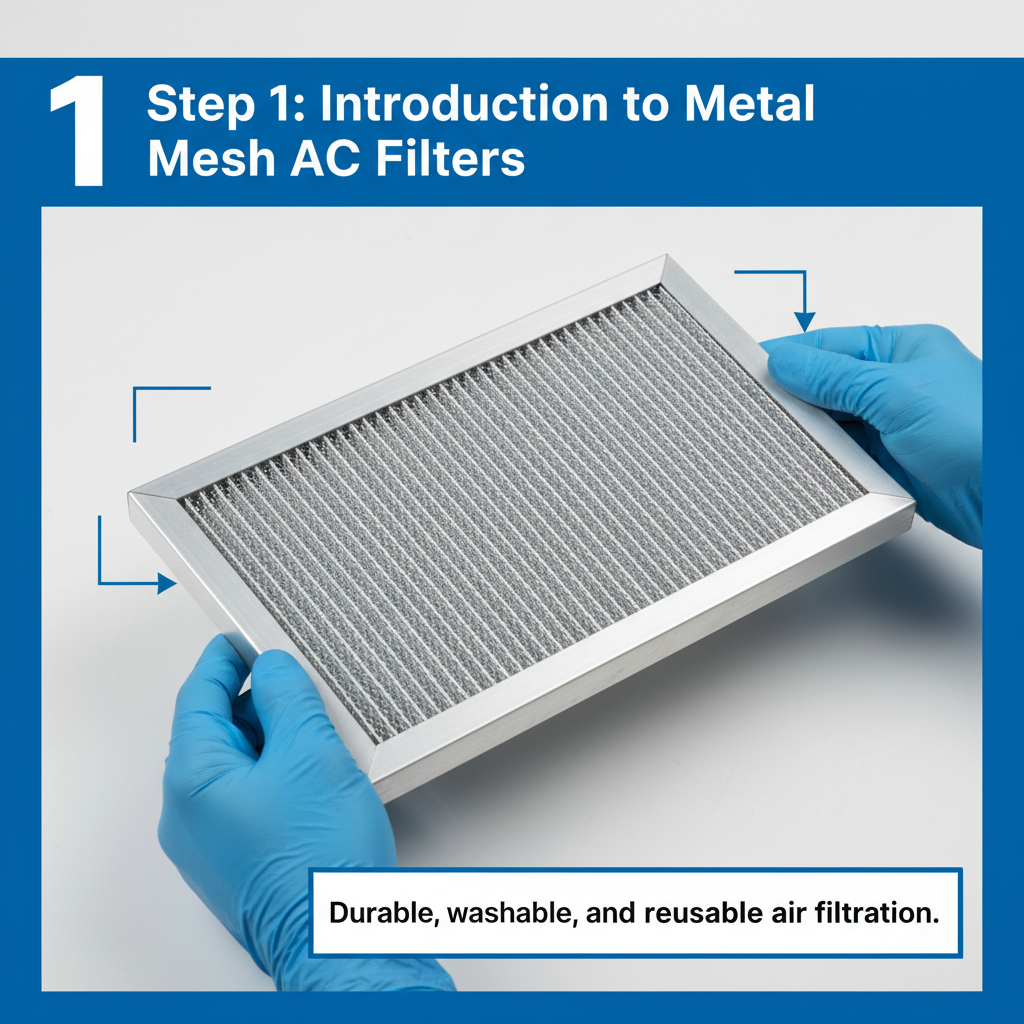
While some polymer filters cost less upfront, the reusable nature and ease of cleaning metal filters make them more economical over time.
Mini Takeaway: No magic happens without fit-for-purpose metal mesh. Its durability, aperture size, weave, and adaptability define success across uses.
How Are Metal Mesh Screen Filters Used Around the World?
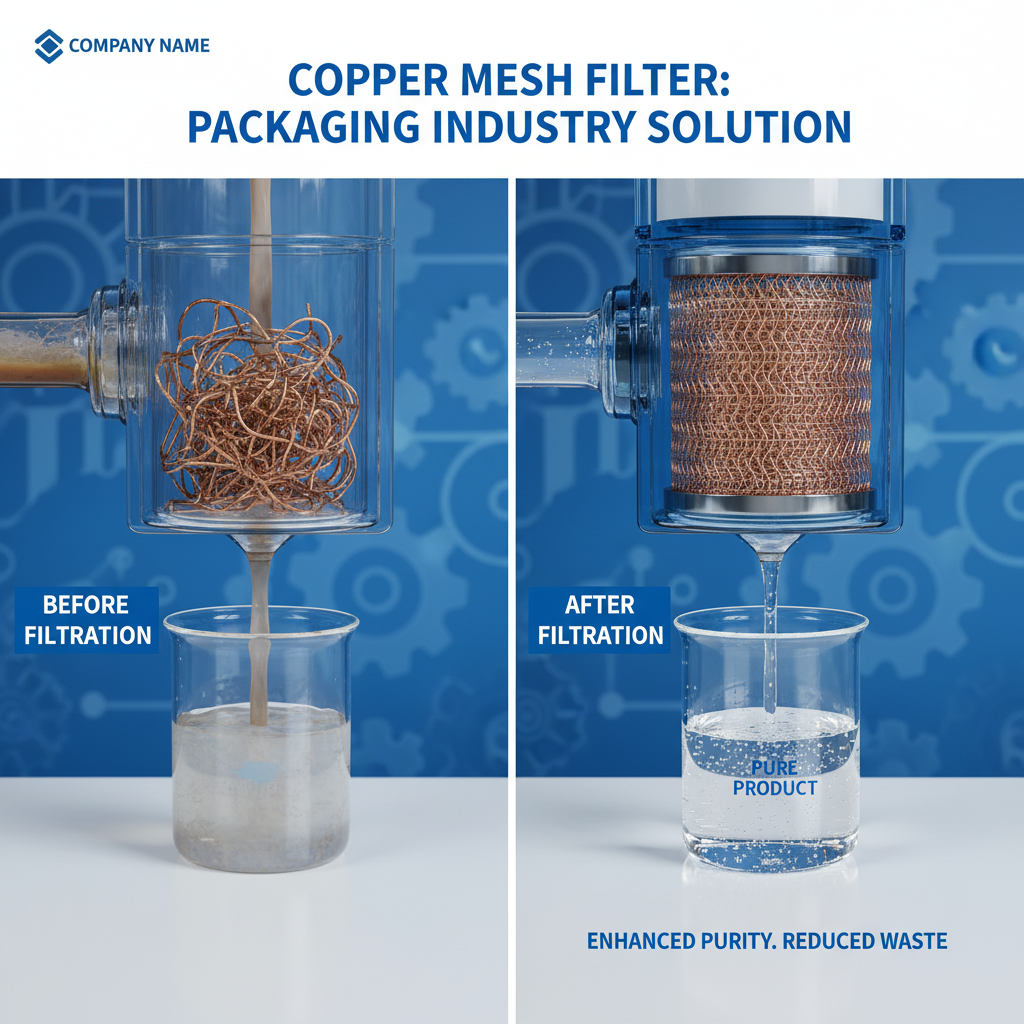
Here’s where it gets really tangible: in real-world operations, metal mesh filters show their worth. In post-disaster relief, water filtration units fitted with stainless steel mesh screens restore clean drinking water quickly, reducing illness outbreaks.
Industrial settings in Southeast Asia rely on these filters in petrochemical plants to protect sensitive catalysts from impurities. European vineyards implement mesh filters to strain grape must, maintaining wine purity.
Remote mining camps in Canada use them to ensure that heavy impurities don’t corrode machinery—extending equipment life when supply lines are stretched.
| Specification | Stainless Steel 304 | Nickel Mesh | Copper Mesh |
|---|---|---|---|
| Corrosion Resistance | High | Very High | Moderate |
| Tensile Strength | 520 MPa | 550 MPa | 320 MPa |
| Max Operating Temp | 870°C | 980°C | 400°C |
| Common Applications | Water, Petrochemicals | Aerospace, Pharma | Electronics, Antimicrobial Filters |
Why Choose a Metal Mesh Screen Filter? The Long Game
- Cost Savings: Cleaning and reusing metal screens saves replacement expenses.
- Environmental Impact: Using durable metals reduces landfill waste compared to disposable filters.
- Reliability: Robust construction ensures steady operation under varied conditions.
- Safety & Trust: Industries often face strict regulatory scrutiny — metal mesh filters pass standards with flying colors.
Emotionally, people trust products that keep them safe or their business running. Knowing your filtration is top-notch adds peace of mind. Some engineers even describe it as “the unsung hero,” because when it works silently, nobody complains — and that’s the goal.
What’s Coming Next? Trends in Metal Mesh Screen Filtration
Looking ahead, three key themes dominate:
- Green Tech: More recycled metals and eco-friendly processes are entering manufacturing.
- Digital Integration: Sensors embedded into mesh filters promise to detect clogging or wear remotely.
- Customization & Automation: 3D weaving and precise laser cutting allow bespoke solutions that exactly match use cases.
These innovations mean better performance, longer lifespan, and easier maintenance. The industry feels a shift toward smarter, more sustainable filtration solutions — a welcome change.
Challenges? Yes, But Solutions Are Within Reach
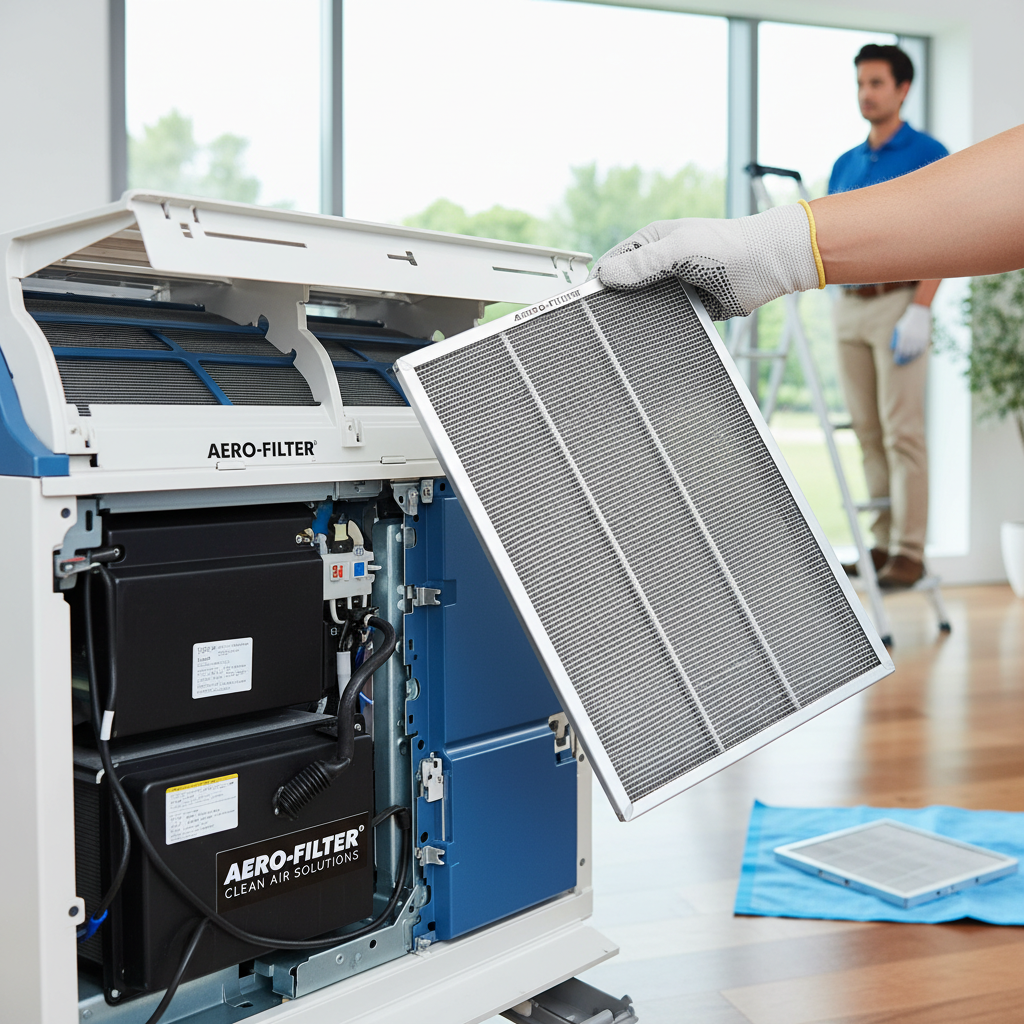
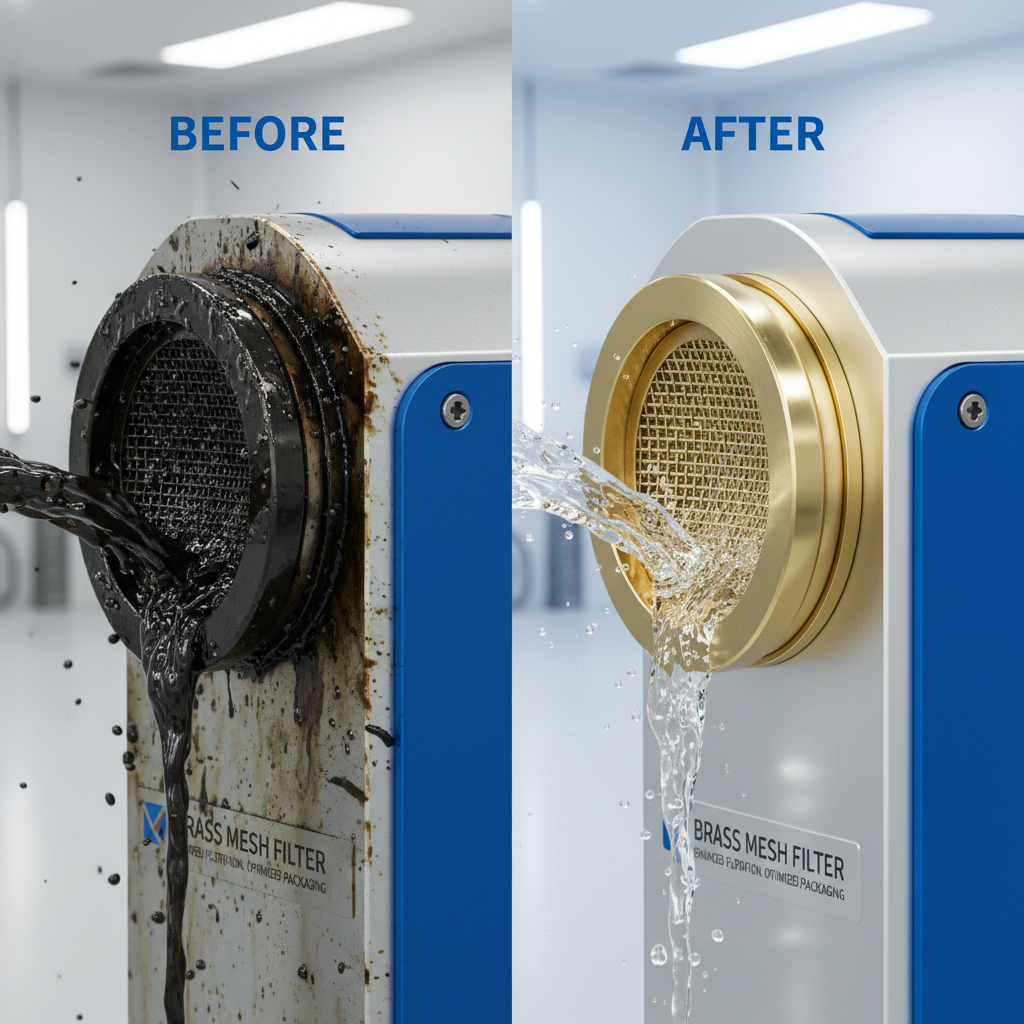
No tech is perfect. Metal mesh screens can clog if particles stick too stubbornly, or corrode if exposed to harsh chemicals beyond their rating. Also, installation mistakes can render even the best filter useless.
Experts suggest regular maintenance routines, choosing the right alloy for your environment, and investing in pre-filtration steps to extend mesh life. Some companies now offer surface coatings that resist fouling and enhance filter kinetics—adding resilience without major costs.
Vendor Comparison: Selecting the Right Metal Mesh Screen Filter Supplier
| Feature | Anyafilter Media | Global Mesh Corp. | PureMesh Solutions |
|---|---|---|---|
| Range of Alloys | Stainless steel, nickel, copper | Steel, aluminum | Stainless steel only |
| Customization Available | Yes, bespoke cuts & shapes | Limited | Moderate |
| Eco-Friendly Options | Recycled metals and coatings | No | Partial |
| Global Shipping | Yes | Yes | No |
Frequently Asked Questions About Metal Mesh Screen Filters
- How do I choose the right pore size for my metal mesh screen filter?
- Choosing pore size depends largely on what you need to filter. For large particles like sand, coarser meshes (0.5 mm or larger) suffice. For micro-filtration, focus on meshes rated under 50 microns. It's always best to consult technical specs related to your industry. At Anyafilter Media, experts can help match your needs.
- Can metal mesh filters be cleaned and reused?
- Absolutely. One major advantage of metal mesh filters is their durability and ease of cleaning. Simple methods, including backflushing or ultrasonic baths, restore performance. This reusability makes them very cost-effective, especially in continuous industrial processes.
- Are metal mesh filters suitable for corrosive chemical environments?
- Yes, but with a caveat. Selecting the appropriate alloy, like 316 stainless steel or nickel mesh, and considering protective coatings is vital. For extremely aggressive chemicals, specialized materials or hybrid solutions may be necessary.
- How can international NGOs source metal mesh screen filters quickly for emergency relief?
- Speedy procurement depends on suppliers offering global shipping and stock availability. Many providers, including Anyafilter Media, specialize in rapid delivery zones and can help NGOs meet urgent timelines through express shipping and local distribution partners.
Wrapping It Up: Why Metal Mesh Screen Filters Matter Long-Term
Metal mesh screen filters might not headline industry news, but they quietly underpin many daily essentials and major global operations. Their blend of reliability, adaptability, and environmental friendliness makes them vital today and even more so tomorrow.
If you want a dependable, customizable filtration solution with a proven track record, it pays to learn about—and invest in—the right metal mesh screen filters.
Ready to elevate your filtration game? Visit our website: Anyafilter Media.
Mini takeaway: Metal mesh screen filters are the benchtop heroes in complex filtration challenges worldwide. Choosing thoughtfully impacts cost, sustainability, and product integrity.
References
- UN Water – Water Scarcity Data
- International Organization for Standardization (ISO) – Filtration Standards
- Wikipedia – Filter (material)
Post time: Nov-28-2025