Understanding Metal Mesh HVAC Filters: What They Are and Why They Matter
If you’ve ever wondered what keeps the air clean in those giant office buildings, hospitals, or even your local shopping mall, then you’re already stepping into the world of HVAC filters—specifically, metal mesh HVAC filters. These aren't your run-of-the-mill paper filters; they’re robust, reusable, and play a critical role in air quality and system efficiency worldwide. Globally, as urban centers balloon and industries expand, the need to manage air quality and HVAC system reliability rises sharply. According to the International Organization for Standardization (ISO), proper filtration systems can reduce energy consumption by protecting HVAC components and improving airflow efficiency — which is no small deal when energy and environmental concerns are pressing on a planetary scale. Understanding metal mesh HVAC filters means grasping an essential part of how we maintain indoor air quality, safeguard equipment, and contribute to sustainable building practices. ---The Global Outlook: Why Metal Mesh HVAC Filters Are Essential Today
Across the globe, buildings account for roughly 40% of energy consumption, with HVAC systems a significant chunk of that (source: UN Environment Programme). Increasingly, industries and cities face the dual challenge of keeping indoor air clean while cutting down on energy and maintenance costs. That’s where metal mesh HVAC filters come in. These filters address serious problems. For starters: fine particles, dust, and pollutants that wear down HVAC machinery—or worse, endanger human health. The World Bank estimates outdoor air pollution causes over 4 million deaths yearly; indoor air quality, often overlooked, compounds the problem. Metal mesh filters provide a tough, durable line of defense, capturing debris before it overwrites costly system failures or harmful air circulation. But this isn’t just about the environment—it’s an economic imperative. Poor airflow means higher energy bills. Frequent filter replacements mean ongoing expenses. If your facility can use filters that clean well and last longer, you’re looking at a healthier workspace and a healthier bottom line. ---What Exactly Are Metal Mesh HVAC Filters?
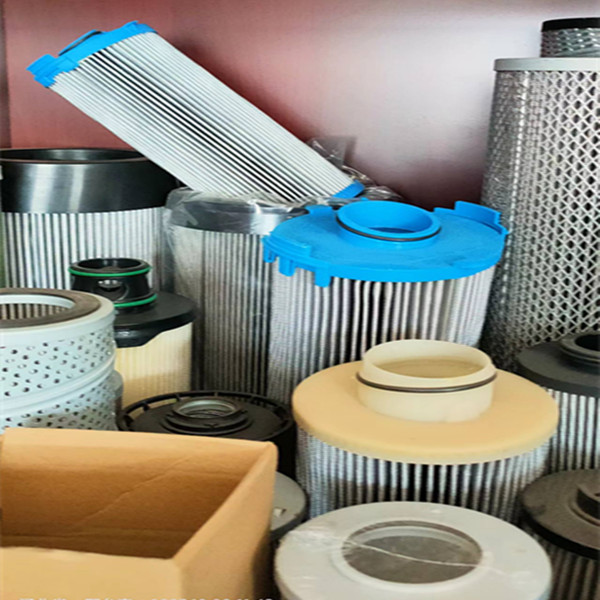
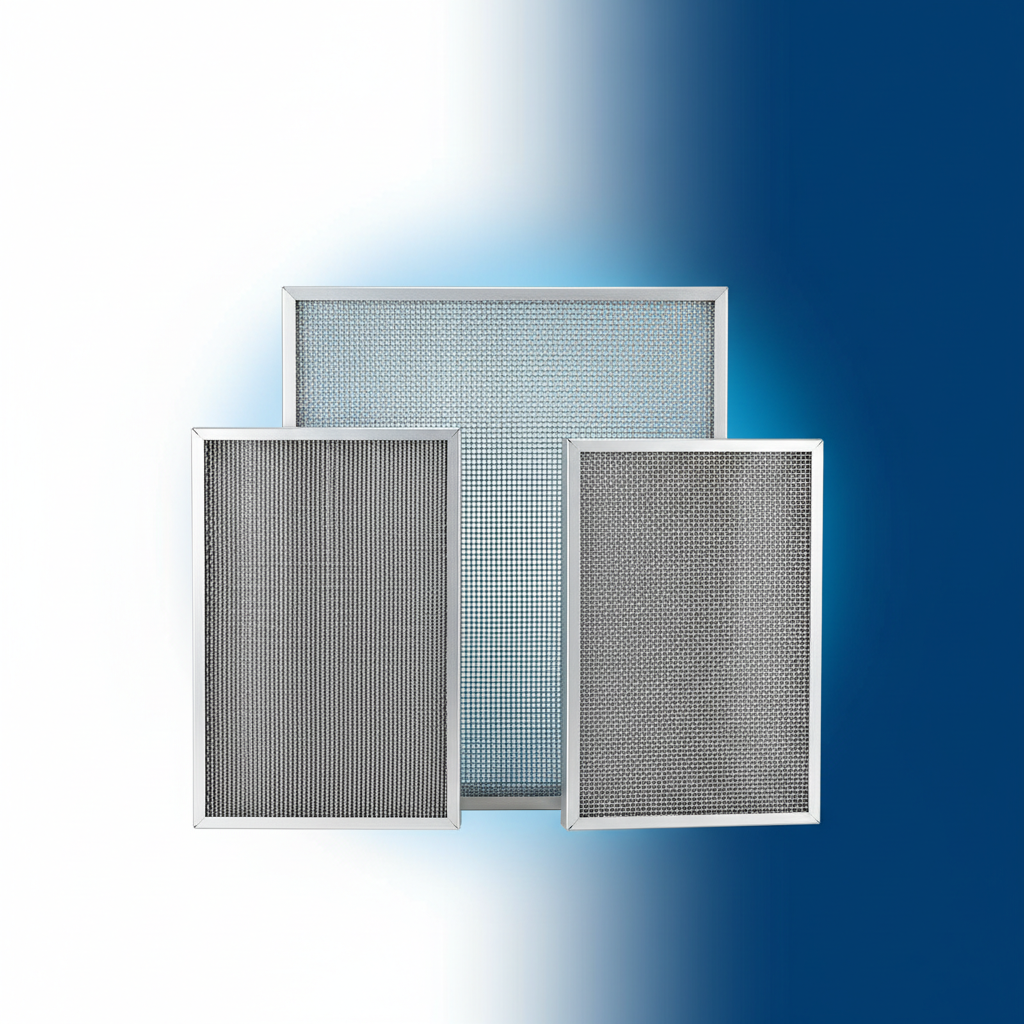
In simple terms, metal mesh HVAC filters are screens made of woven or perforated metal strands—usually aluminum or stainless steel—that trap airborne particles while allowing air to flow through. Unlike disposable filters, metal mesh filters can be removed, cleaned, and reused, often lasting years. Think of them as the muscle behind a good filtration system—sturdy, easy to maintain, and less wasteful. They’re integral in environments needing tough filtration but with minimal downtime or frequent replacements. That includes everything from clean rooms and manufacturing plants to commercial buildings and even humanitarian shelters where reliable airflow and durability are a must. ---Key Components of Metal Mesh HVAC Filters
Below are the crucial factors that define how metal mesh HVAC filters perform in the field:- Durability: Metal mesh resists tearing, warping, and the effects of moisture far better than fiberglass or paper filters. This longevity means fewer replacements and less landfill waste.
- Cleaning & Maintenance: A quick rinse or vacuum usually restores a filter’s efficiency—it’s a simple process that can be done on-site without specialized equipment.
- Filtration Efficiency: While not HEPA-grade, these filters offer excellent pre-filtration, removing large particulates to protect finer filtration stages or expensive HVAC components downstream.
- Cost Effectiveness: Initial prices may be higher than disposable competitors, but their lifespan and recyclability offer long-term savings.
- Customization: They can be manufactured in a range of shapes and sizes, tailored to specific HVAC setups or environmental challenges.
- Resistance to Harsh Conditions: Metal mesh handles humidity, chemical exposure, and temperature swings better than many alternatives.
Where Are Metal Mesh HVAC Filters Used Around the World?
Their strength and versatility make metal mesh HVAC filters popular in many sectors, notably across regions with demanding climates or industrial activity:- Industrial Facilities: Factories with high dust production use metal mesh filters in initial filtration stages to protect finer filters and expensive equipment.
- Healthcare Settings: Hospitals rely on these filters to maintain airflow integrity while pre-filtering contaminants.
- Commercial Buildings: Offices, malls, and airports utilize metal mesh to reduce filter change frequency and ensure uninterrupted airflow.
- Post-disaster Relief: In temporary shelters and rapid deployment housing, the ease of cleaning metal mesh filters reduces logistical burdens—an often overlooked benefit when infrastructure is damaged.
- Remote Installations: Mining camps or remote industrial zones where supply chains are slow appreciate reusable filters for operational resilience.
Quick Specifications: An Example Metal Mesh HVAC Filter
| Specification | Detail |
|---|---|
| Material | Aluminum Mesh, 30% open area |
| Dimensions | 24" x 24" x 1" (customizable) |
| Filtration Efficiency | Pre-filter: captures particles >10 microns |
| Weight | 0.3 kg per filter |
| Cleaning Method | Vacuum or water rinse |
| Average Lifespan | Up to 5 years with proper maintenance |
Comparing Top Metal Mesh HVAC Filter Vendors
| Vendor | Material Options | Lead Time | Customization Ability | Warranty |
|---|---|---|---|---|
| Anya Filter Media | Aluminum, Stainless Steel | 2-3 weeks | High (custom shapes, wire thickness) | 5 years |
| Global Mesh Filters | Aluminum only | 4-6 weeks | Medium | 3 years |
| Duraflow HVAC Supplies | Stainless Steel, Copper | 1-2 weeks | Low (standard sizes only) | 2 years |
The Benefits and Lasting Value of Metal Mesh HVAC Filters
Frankly, the price tag on metal mesh HVAC filters may initially cause pause. But when you factor total cost of ownership—fewer replacements, less maintenance downtime, energy savings—they quickly become the preferred choice for savvy facility managers. There’s also a sustainability angle. With climate change pushing industries toward greener operations, reusable metal mesh filters cut down waste and ruggedly serve harsh environments without replacement. The emotional satisfaction of using eco-friendly, durable products adds yet another layer to their appeal (and bragging rights). Plus, it’s about more than equipment protection; it’s about trust. Building occupants—whether patients, office workers, or shoppers—benefit from clean air and reliable HVAC conditions. That peace of mind? Priceless. ---Emerging Trends and the Future of Metal Mesh HVAC Filters
Some exciting innovations are bubbling up fast. Integration with IoT sensors to monitor filter cleanliness remotely means maintenance happens just when it’s needed—no guesswork. New metal alloys and nano-coatings aim to improve particulate capture and resist microbial growth, which could redefine “pre-filter” performance. Eco-conscious policies worldwide are pushing manufacturers towards sustainable materials and more efficient manufacturing. Automation in production lines allows highly customized designs to be delivered faster and at better prices. It's not just about metal mesh being “old tech”—on the contrary, it keeps evolving. ---Challenges and Smart Solutions in Applying Metal Mesh HVAC Filters
Of course, no solution is perfect. Metal mesh filters won’t catch fine particulates—like pollen or smoke—as well as HEPA filters. That means they typically serve as pre-filters, requiring complementary filtration downstream. Another sticking point is cleaning in some environments—dusty or oily particulates can cake filters quickly, demanding more frequent maintenance or specialized cleaning protocols. Experts recommend integrating multiple filtration stages and using real-time monitoring to balance efficiency and upkeep. Engineering teams are continually experimenting with coatings and hybrid media to extend lifespan and filtration range. ---FAQs About Metal Mesh HVAC Filters
- Q: How often should metal mesh HVAC filters be cleaned?
- A: Cleaning frequency varies depending on environment and air quality, but generally every 1-3 months keeps filters performing efficiently. Industrial or dusty settings may need more frequent attention.
- Q: Can metal mesh filters handle humid environments without rusting?
- A: Yes, if made with corrosion-resistant materials like stainless steel or properly coated aluminum. Selecting the right material is critical for longevity in humid or corrosive airflows.
- Q: Are metal mesh HVAC filters compatible with most HVAC systems?
- A: They’re often custom sized and designed to fit standard slots, making them compatible with most commercial and industrial HVAC units. Check with your vendor for specific model compatibility.
- Q: Does using metal mesh filters reduce energy consumption?
- A: Indirectly, yes. By preventing dust buildup on coils and fans, they maintain optimal system airflow, lowering energy usage compared to clogged or damaged components.
Wrapping Up: Why Metal Mesh HVAC Filters Are a Smart Investment
To sum up, metal mesh HVAC filters stand out for their durability, reusability, and cost effectiveness across numerous industries and geographies. They directly contribute to better air quality, lower maintenance costs, and reduced environmental impact—qualities becoming more critical by the day. If you’re looking to upgrade your HVAC system or want to dive deeper into metal mesh hvac filters, don’t hesitate to connect with trusted experts like those at Anya Filter Media. Your building’s air and your budget will thank you. ---References:
Post time: Nov-28-2025