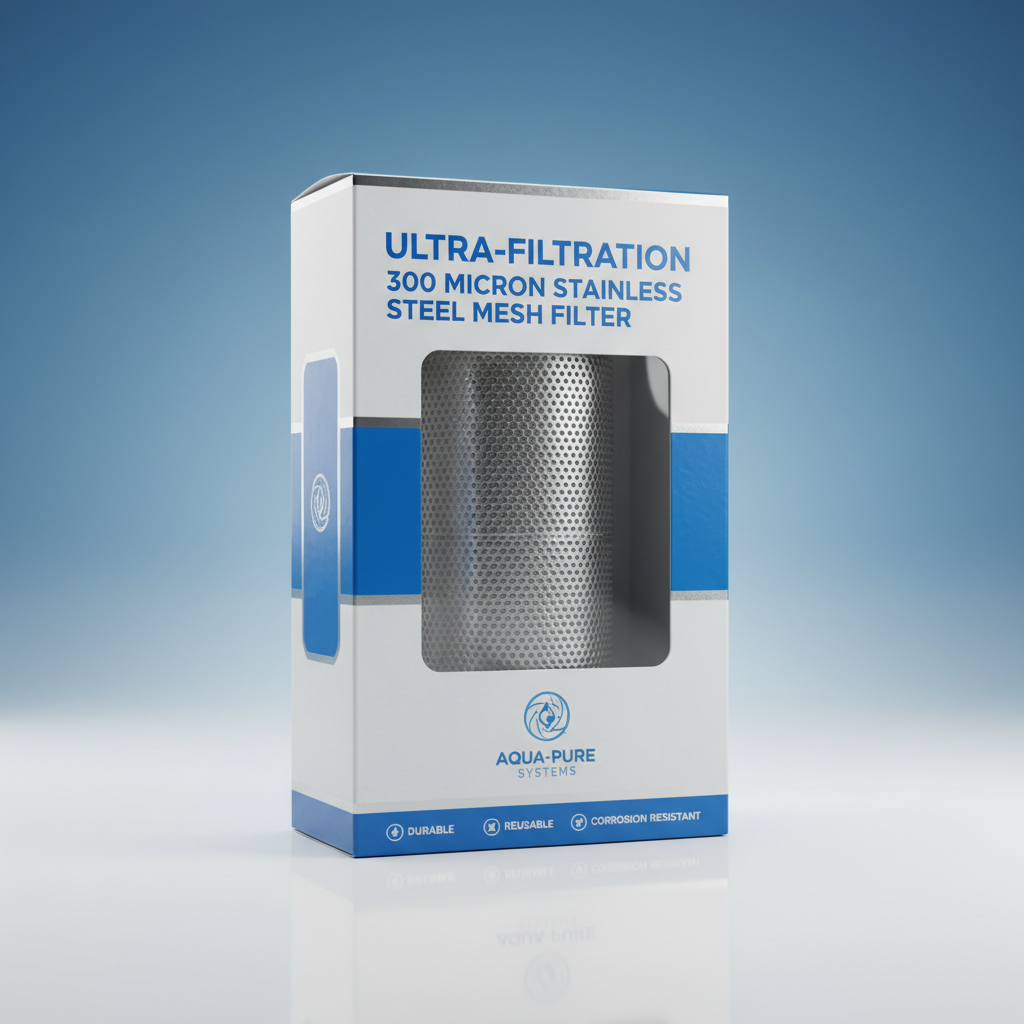
Filter Media: The Unsung Hero of Clean Air and Water Worldwide
We often take for granted the swipe of fresh air or a sip of clean water. But behind these simple pleasures lies something quite intricate: filter media. This stuff is everywhere—hiding in air purifiers, industrial plants, water treatment systems, even face masks. Globally, with growing concerns about pollution, disease control, and sustainable resource management, understanding filter media isn’t just a technical curiosity; it’s essential. From ensuring safe drinking water in remote villages to maintaining breathable air inside skyscrapers, good filter media matters more than you might imagine.
Mini takeaway: Filter media acts as a foundational technology connecting health, environment, and industrial progress all over the world.
The Global Landscape: Why Filter Media Still Matters Today
Did you know that according to the World Health Organization, nearly 3 billion people still rely on potentially unsafe water sources? Or that air pollution contributes to an estimated 7 million premature deaths annually? The demand for efficient filtration technologies is pressing in developing and developed countries alike.
Filter media plays a crucial role in addressing these problems by removing contaminants from air, water, and industrial fluids. Globally, industries like manufacturing, healthcare, and agriculture increasingly depend on sophisticated filtration to meet stringent environmental and safety regulations — regulations often set by bodies like the ISO or UN Environment Programme.
Yet, challenges like rising urban pollution and the exigencies of humanitarian crises keep pushing the envelope towards better, faster, and more affordable filtration solutions. It’s a bit like the backbone that hardly anyone talks about but can’t do without.
Mini takeaway: From policy mandates to everyday health needs, filter media isn’t just desirable; it’s critical worldwide.
Defining Filter Media: What Are We Talking About?
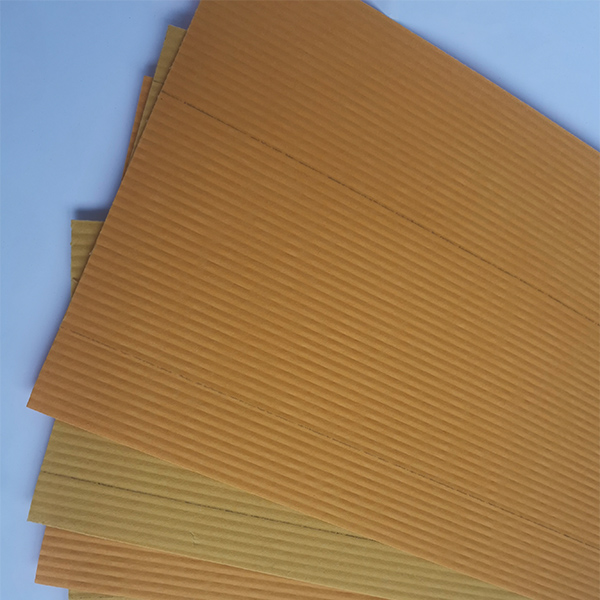
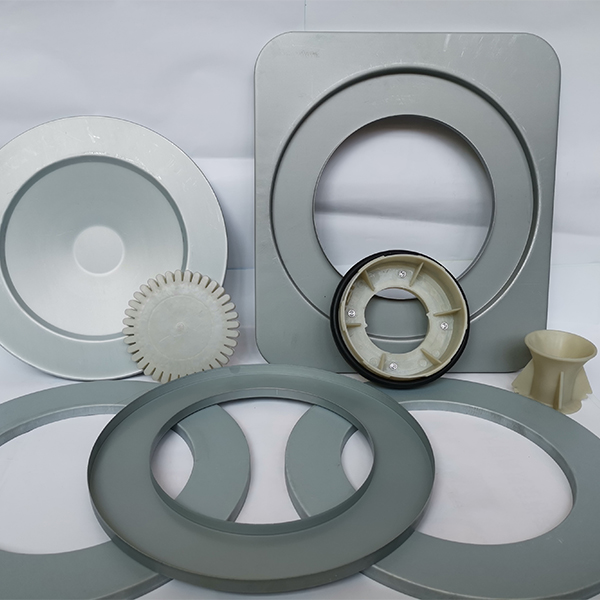
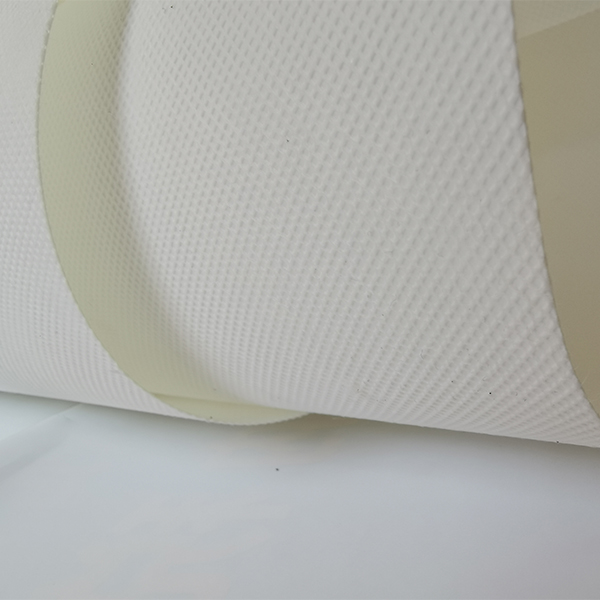
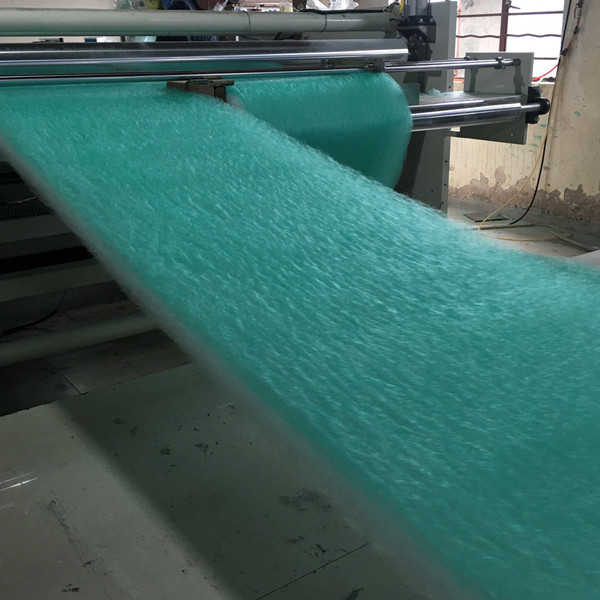
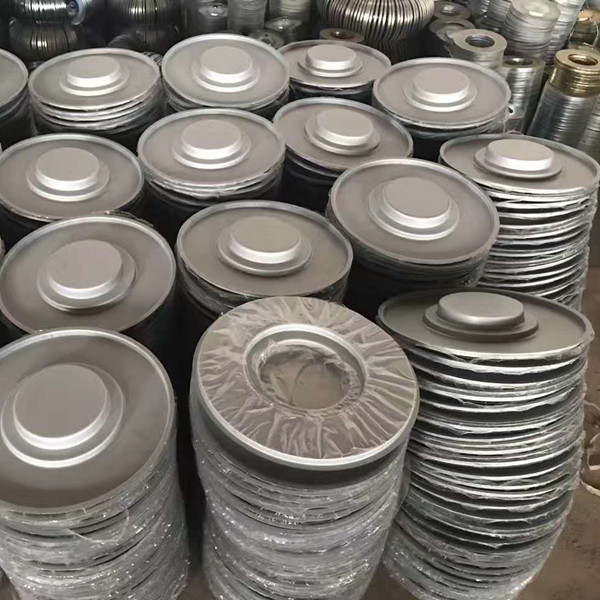
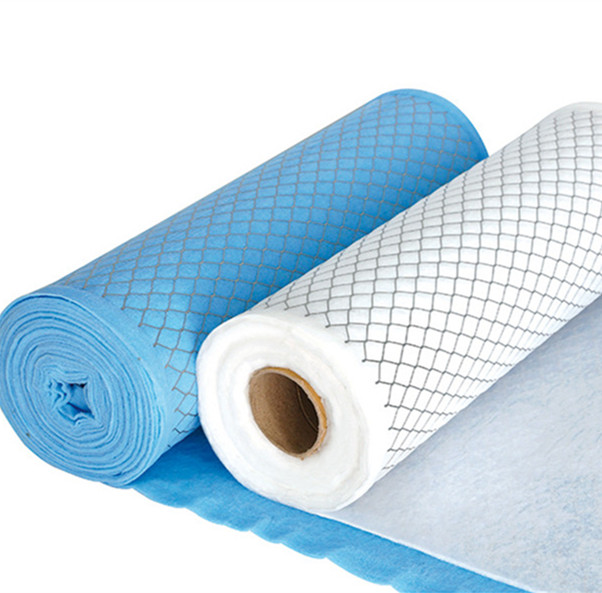
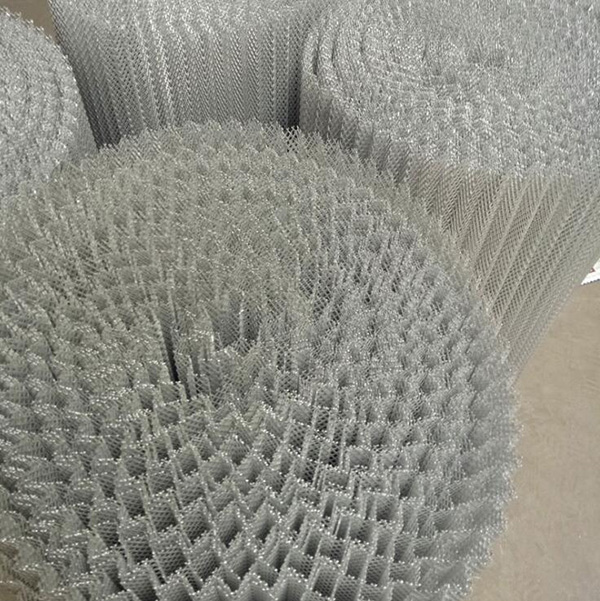
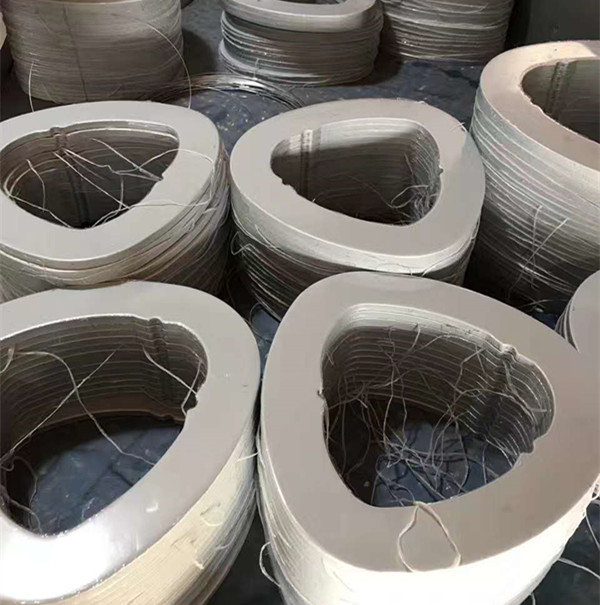
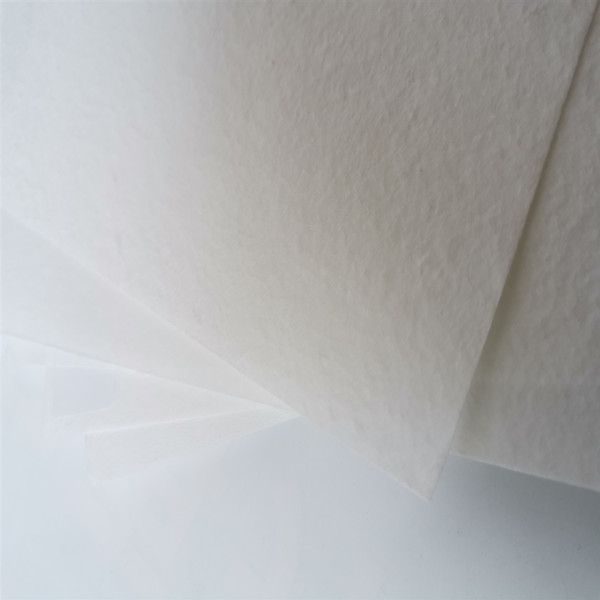
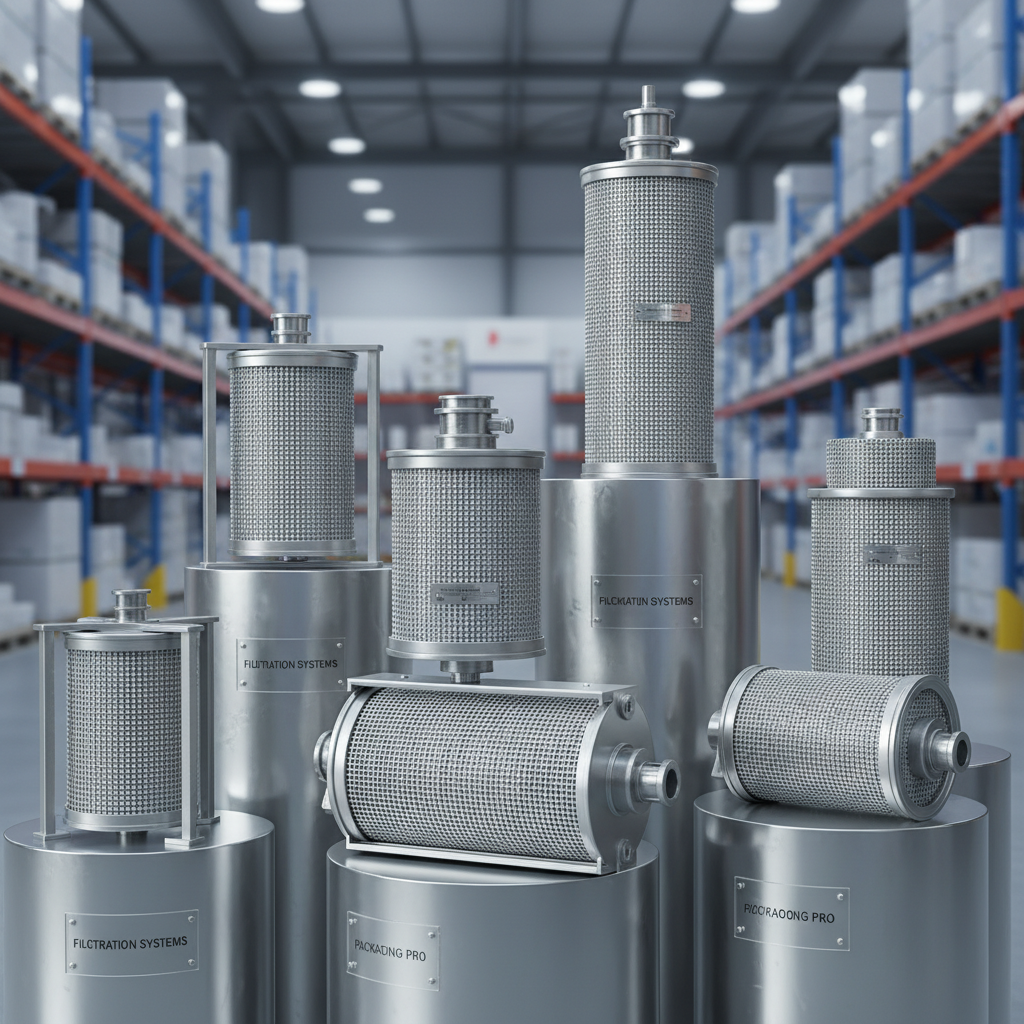
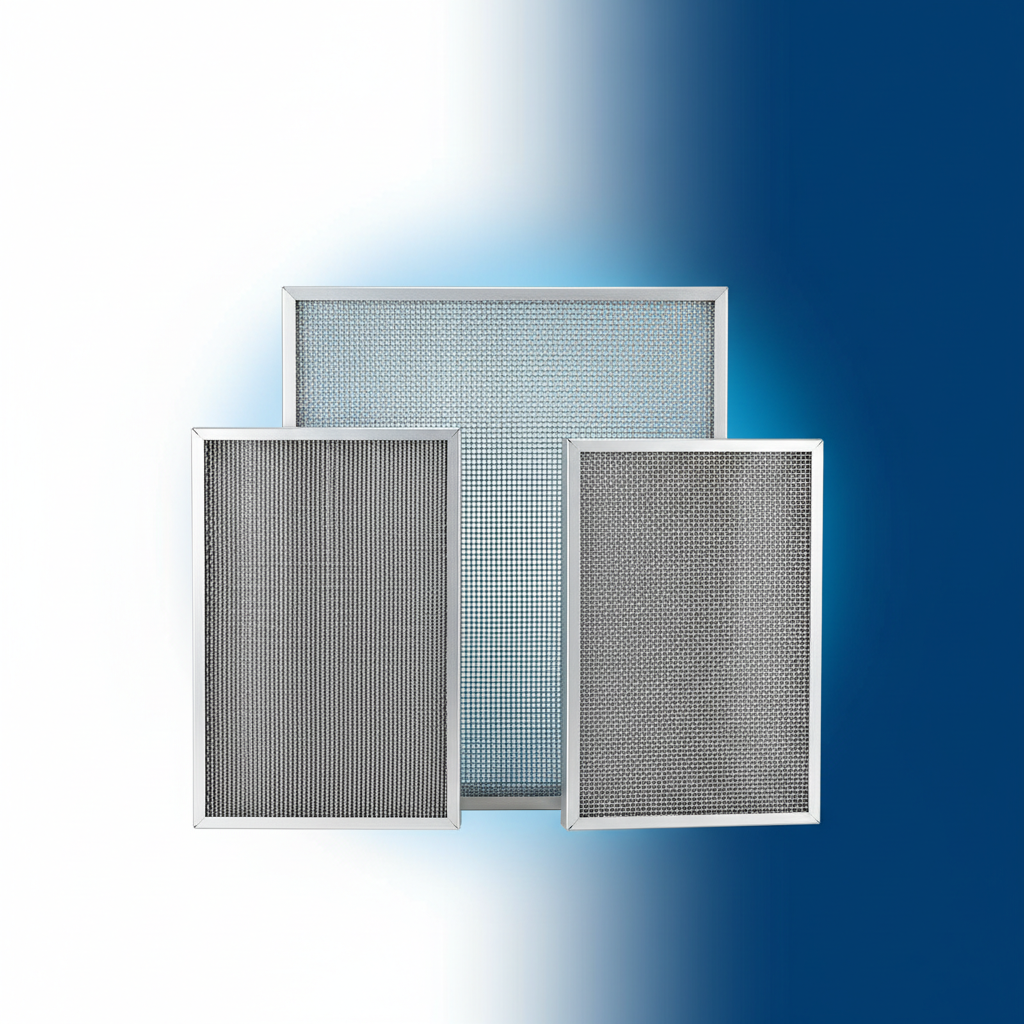
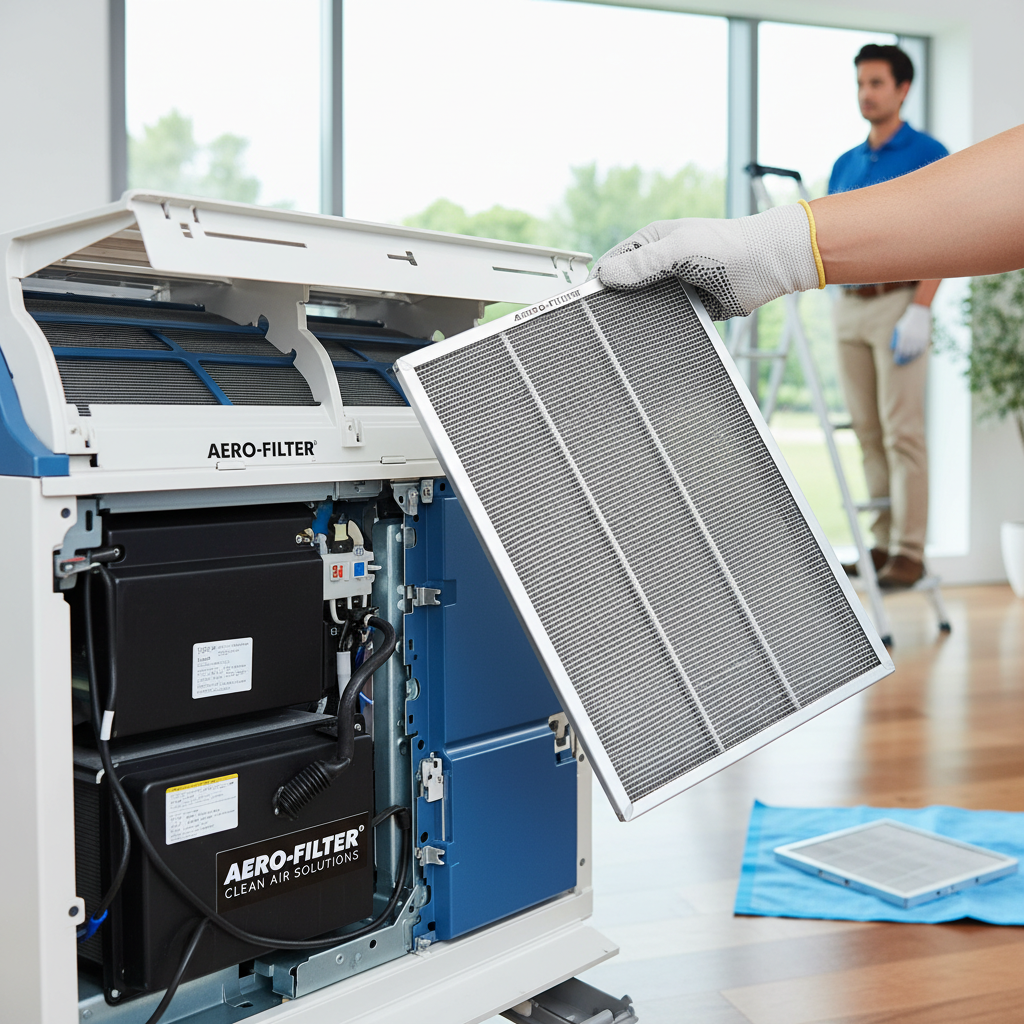
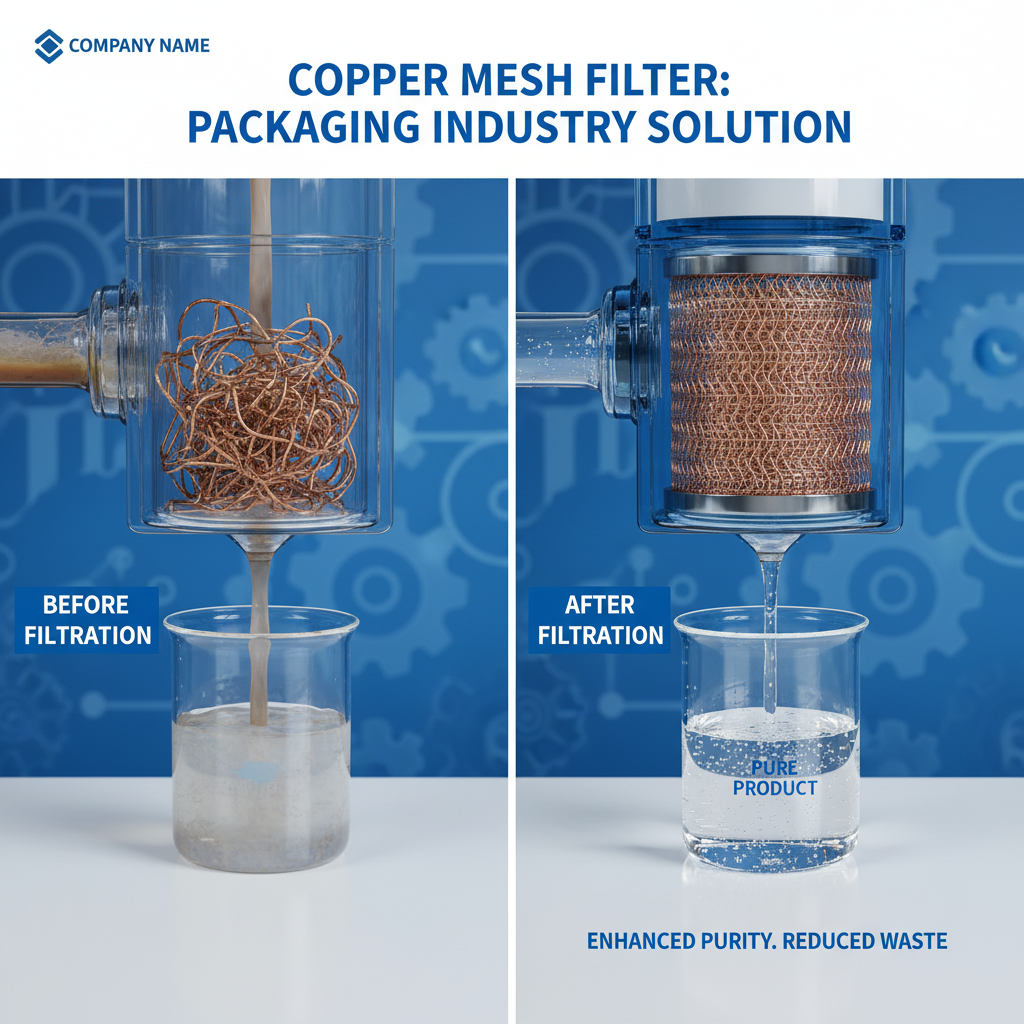
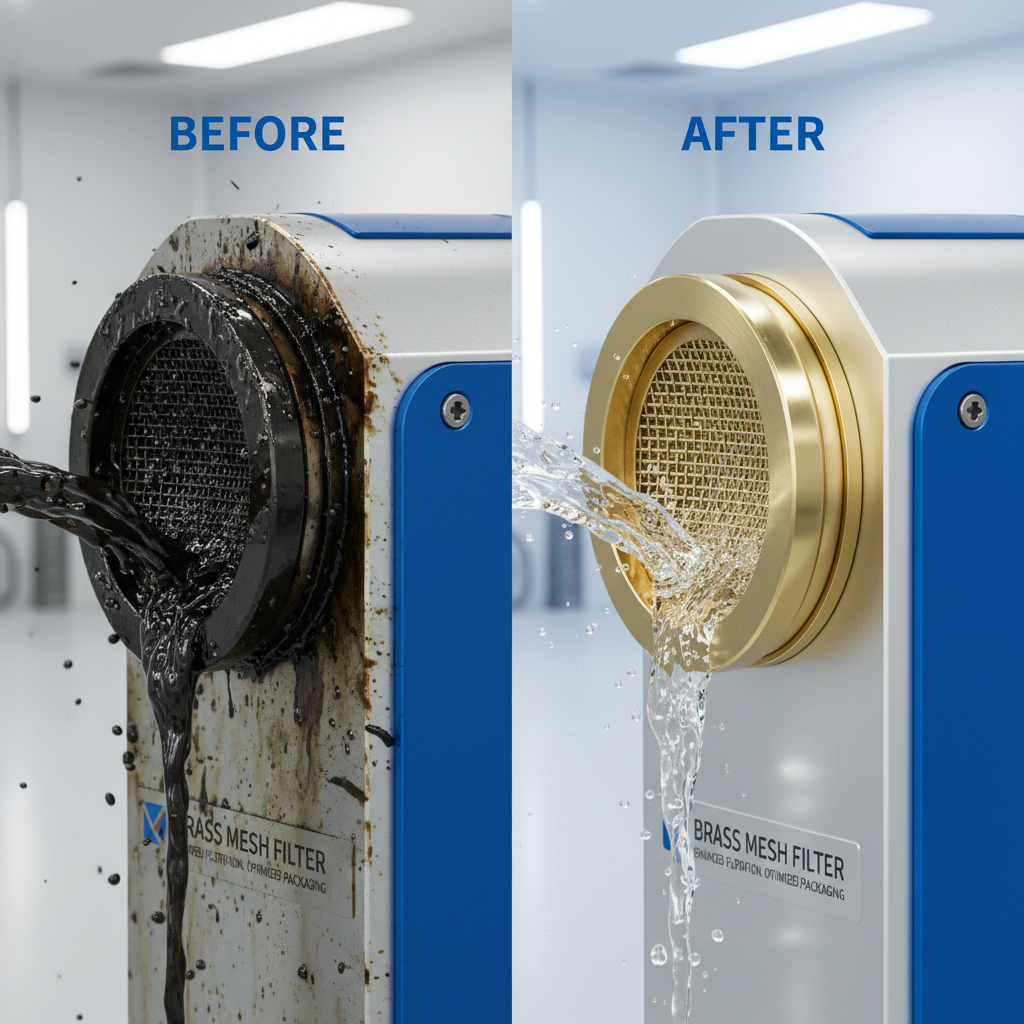
Simply put, filter media is the material used in devices to physically or chemically remove particles, impurities, or contaminants from air, liquids, or gases. It can be made from textiles, synthetic fibers, ceramics, activated carbon, or metal meshes, depending on what needs filtering.
Think of it as a sieve or net — but one that can trap microscopic dust, bacteria, oils, or chemicals. This versatility is why filter media cuts across industries: whether it’s saving lives by purifying hospital air or improving crop yields by filtering irrigation water, it’s foundational in modern life.
Mini takeaway: Filter media are the varied materials designed to separate unwanted particles, tailored for many industrial and humanitarian uses.
Core Components to Look For in Quality Filter Media
Durability
The material needs to withstand the environment it’s used in — whether extreme temperatures in industrial plants or prolonged moisture exposure in water filtration. Durable media last longer, reducing replacement needs and downtime.
Filtration Efficiency
High-efficiency filter media captures smaller particles without heavily restricting flow. This balance affects cost and performance; for example, HEPA-grade air filters capture 99.97% of particles ≥0.3 microns.
Cost Efficiency
It’s not just about the upfront price — operational costs, maintenance, and lifespan all factor into value. Economical media enable wide adoption, especially in low-resource settings.
Scalability & Flexibility
A filter media that can be produced and adapted to various sizes and flow rates suits many applications from tiny medical devices to sprawling industrial filters.
Environmental Impact
Increasingly important are biodegradability and recyclability. Low-impact media reduce ecological footprint, contributing to circular economies.
Mini takeaway: Quality filter media is a juggling act between durability, cost, efficiency, and environment—all critical for practical success.
Worldwide Applications of Filter Media: From Industry Giants to Remote Villages
- Water Treatment Plants: In Europe and Asia, granular activated carbon and ceramic filter media improve drinking water safety on municipal scales.
- Industrial Manufacturing: Factories worldwide rely on synthetic fiber filter media to handle volatile chemicals and particulates in exhaust streams.
- Disaster Relief: NGOs deploy portable filtration units with textile-based media to provide emergency water purification after floods or earthquakes.
- Agriculture: In arid regions of Africa and Australia, filter media embedded in irrigation systems help reduce sediment clogging and improve crop yields.
- Healthcare: Hospitals use multilayer fiber filters in HVAC systems to maintain sterile environments.
Oddly enough, the same filter media that purifies industrial gases can also save a child’s life in a post-hurricane shelter — it’s versatile like that.
Mini takeaway: Filter media technology scales from vast city infrastructures down to handheld purification devices, proving its universal value.
Advantages & The Long-Term Value of Using Effective Filter Media
First, you cut costs by extending equipment life and reducing downtime. Fewer contaminants reach machinery, reducing wear. Second, improved health and safety aren’t just compliance checkboxes — they mean fewer hospital visits, fewer lost workdays, and a better quality of life.
On the environmental front, using biodegradable or recyclable filter media supports sustainability goals, a priority for many corporations and governments.
Emotionally, reliable filter media fosters trust: communities count on clean water, workers on safe air, and everyone on transparent standards. This trust forms the backbone of social progress and innovation, frankly.
Mini takeaway: Investing in quality filter media pays off in health, sustainability, and economic resilience, creating benefits that ripple far beyond the obvious.
Spotlight on Filter Media Specifications
| Specification | Typical Range | Notes |
|---|---|---|
| Particle Filtration Efficiency | 85% - 99.97% | Depends on media type (e.g., HEPA vs. carbon) |
| Operating Temperature | -20°C to 150°C | Varies by material composition |
| Flow Rate | 1 - 50 m³/hr/m² | Influences pressure drop and efficiency |
| Lifespan (Typical) | 3–12 months | Depending on use and maintenance |
| Cost Range | $10 - $300/unit | Volume and type dependent |
Comparing Leading Filter Media Vendors: What Sets Them Apart?
| Vendor | Product Range | Sustainability Initiatives | Global Reach | Price Tier |
|---|---|---|---|---|
| PureFlow Industries | Comprehensive liquid & gas filters | Biodegradable media lines | North America, Europe, Asia | Mid to High |
| EcoFilter Solutions | Eco-friendly air & water filters | Focus on recycled materials | Europe and Africa | Mid |
| Global Filtration Tech | Industrial heavy-duty filters | Energy-efficient manufacturing | Worldwide | High |
Looking Forward: Innovations and Trends in Filter Media
Technology never sleeps. We’re seeing a surge in nano-engineered filter media, capable of trapping particles at the molecular level. Add to that smart filters with embedded sensors monitoring clogging and wear in real-time — a kind of digital transformation for an old-school technology.
Sustainability is also front and center; companies now experiment with biodegradable polymers and bio-based activated carbon. Regulatory pressure nudges manufacturers to develop “green” filters that don’t trade off performance. Oddly enough, automation in manufacturing is making customized filter shapes and densities more accessible than ever, even for smaller clients.
Mini takeaway: The next decade promises filter media that are smarter, more sustainable, and better tailored — all at improving costs.
The Challenges Filter Media Faces—and How Experts Tackle Them
No tech is perfect. Common issues with filter media include clogging (leading to pressure drop), limited lifespan, and performance degradation in harsh environments.
Experts counter these by innovating multi-layer constructions, self-cleaning coatings, and hybrid materials combining synthetic and natural fibers for robustness. Maintenance routines, such as periodic back-flushing for water filters, also extend life. In real terms, the key is balancing upfront investment with operational savings—a trade-off many engineers wrestle with daily.
Mini takeaway: Despite its limitations, continuous R&D and smart maintenance practices keep filter media fit for purpose and future-ready.
FAQs About Filter Media
- What types of contaminants can filter media capture?
- Filter media can target particles like dust, bacteria, viruses, chemicals, oils, and sediment — depending on material and design. From microscopic pathogens in medical masks to heavy metals in water filters, the right media choice is crucial.
- How long does filter media typically last before replacement?
- Lifespan varies widely — generally from 3 months to over a year. Factors include contaminant load, environment, and filtration technology. Regular inspection and maintenance prolong effectiveness.
- Can filter media be recycled or composted?
- Some newer filter media use biodegradable polymers or natural fibers suited for composting, while others can be recycled, depending on local facilities. This trend is growing as eco-consciousness increases.
- What industries benefit most from advanced filter media?
- Healthcare, manufacturing, water treatment, food & beverage, and agriculture heavily rely on advanced filter media to meet safety and productivity standards.
- Is it possible to customize filter media for unique applications?
- Absolutely. Many manufacturers offer custom sizing, filtration ratings, and material compositions to tailor filters for specific industrial or environmental needs.
In Conclusion: Why Filter Media Deserves Your Attention
From humble fibers to high-tech nano materials, filter media quietly safeguards health, industry, and the planet every day. It’s a perfect example of how technical innovation underpins essential services worldwide. Whether your concern is clean air, pure water, or operational efficiency, investing in quality filter media pays dividends—sometimes in ways that matter most: safety, dignity, and trust.
Curious to discover more or find tailored solutions? Visit our website for comprehensive resources and product lines: https://www.anyafiltermedia.com.
After all, it’s the little things filtering invisibly that keep our world running smoothly.
References:
Post time: Nov-29-2025