Why Filter Material Matters Globally and What It Does
Filter material might sound mundane at first—just some plain fabric or mesh, right? But in reality, these materials play an outsized role in safeguarding health, improving industrial efficiency, and even responding to emergencies. The finer points of filter material design can affect water quality, air purity, or even fuel system performance at an industrial scale. With growing concerns over pollution, pandemic preparedness, and clean technology, understanding filter materials is more relevant than ever.
This article takes a deep dive into filter material — what it is, why it’s so indispensable across sectors, the core qualities that determine performance, and the trends shaping its future. Plus, there’s a quick peek at the main vendors in the field and how they compare.
The Global Importance of Filter Material in Today’s World
Globally, air and water pollution cost the world trillions annually, according to the World Bank’s environmental reports. The United Nations also stresses water sanitation as a key sustainable development goal — and filter materials are at the heart of those solutions. Industrial emissions demand ever-better particulate capture, especially with air quality becoming a public health crisis in cities worldwide. Meanwhile, remote communities and disaster zones rely on portable filtration systems to ensure basic safety.
Despite all this, many industries face challenges in sourcing filter media that is both cost-effective and dependable under harsh conditions. This dilemma pushes innovation in material science and manufacturing.
What Exactly Is Filter Material?
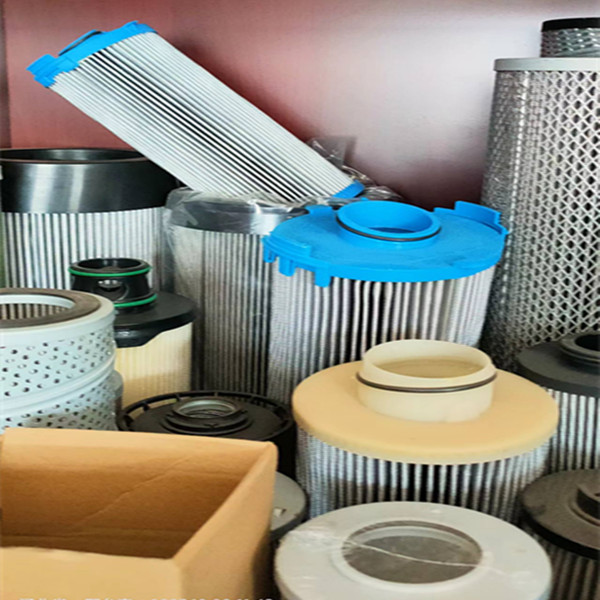
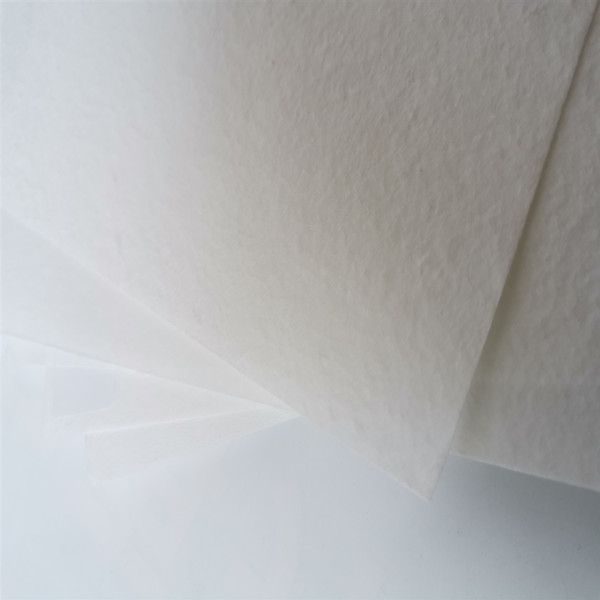
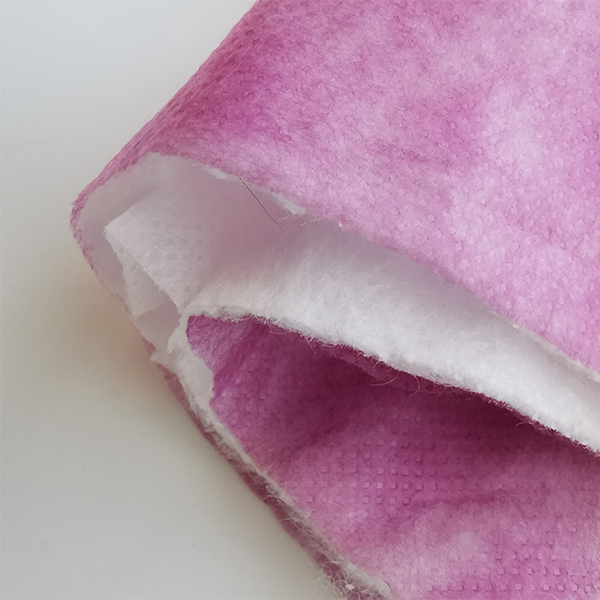
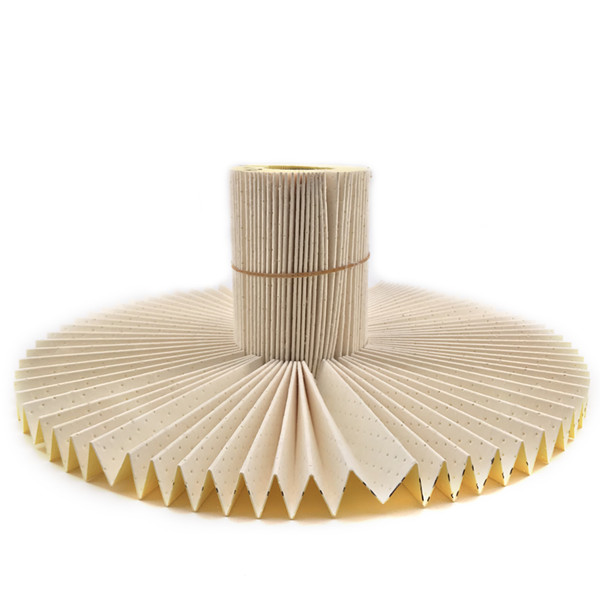
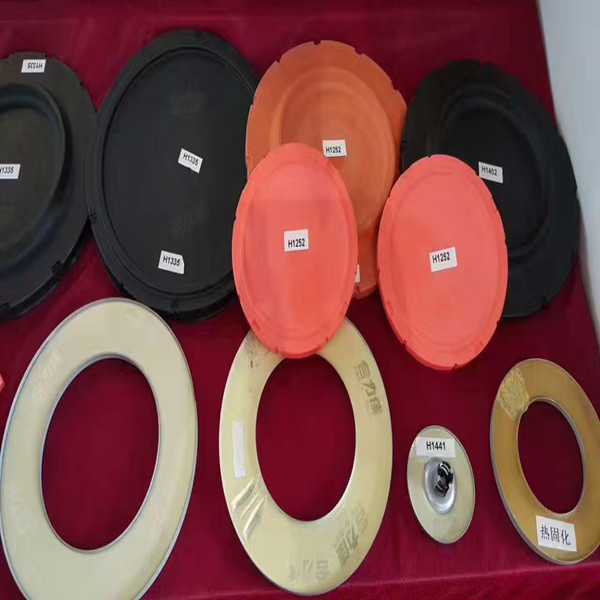
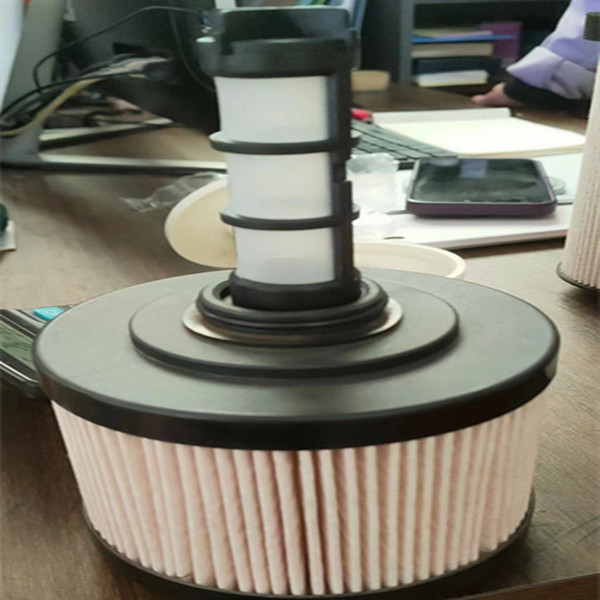
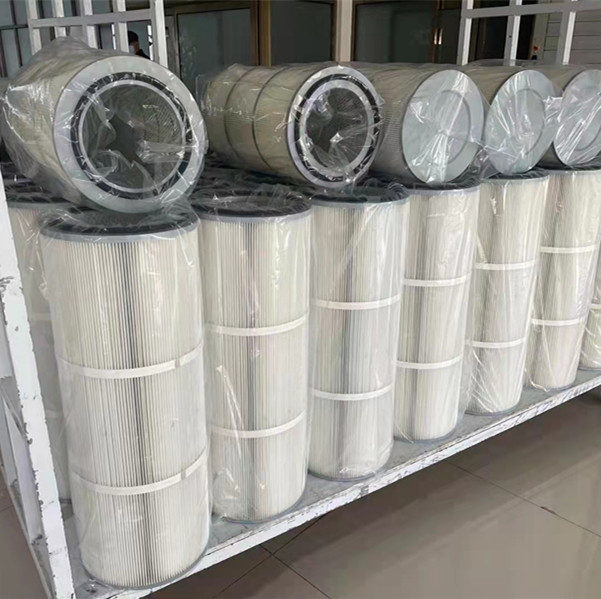
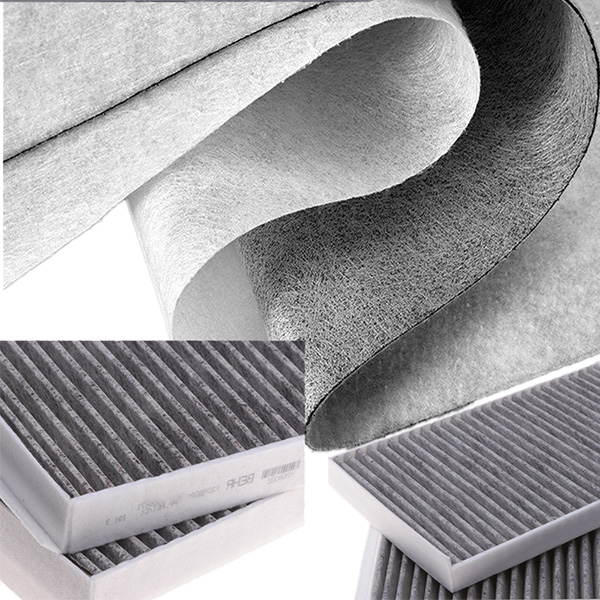
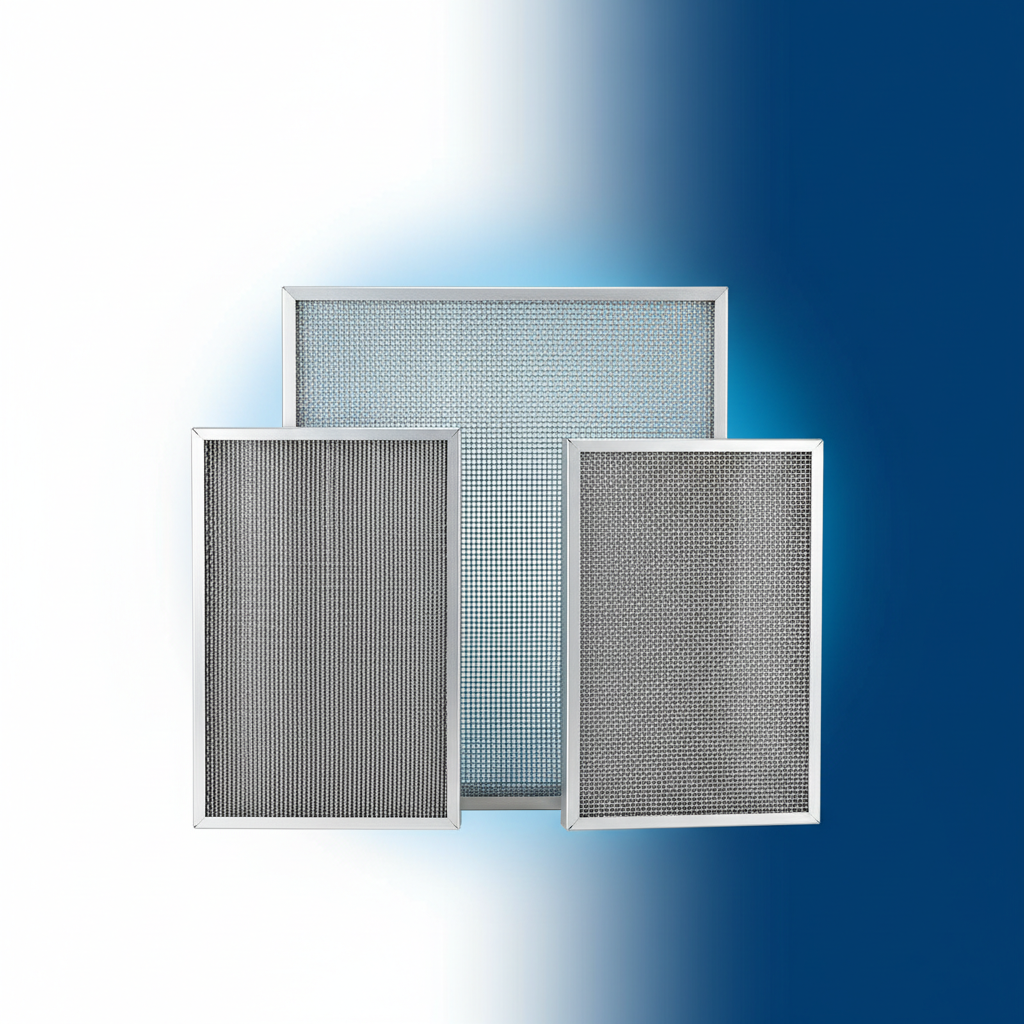
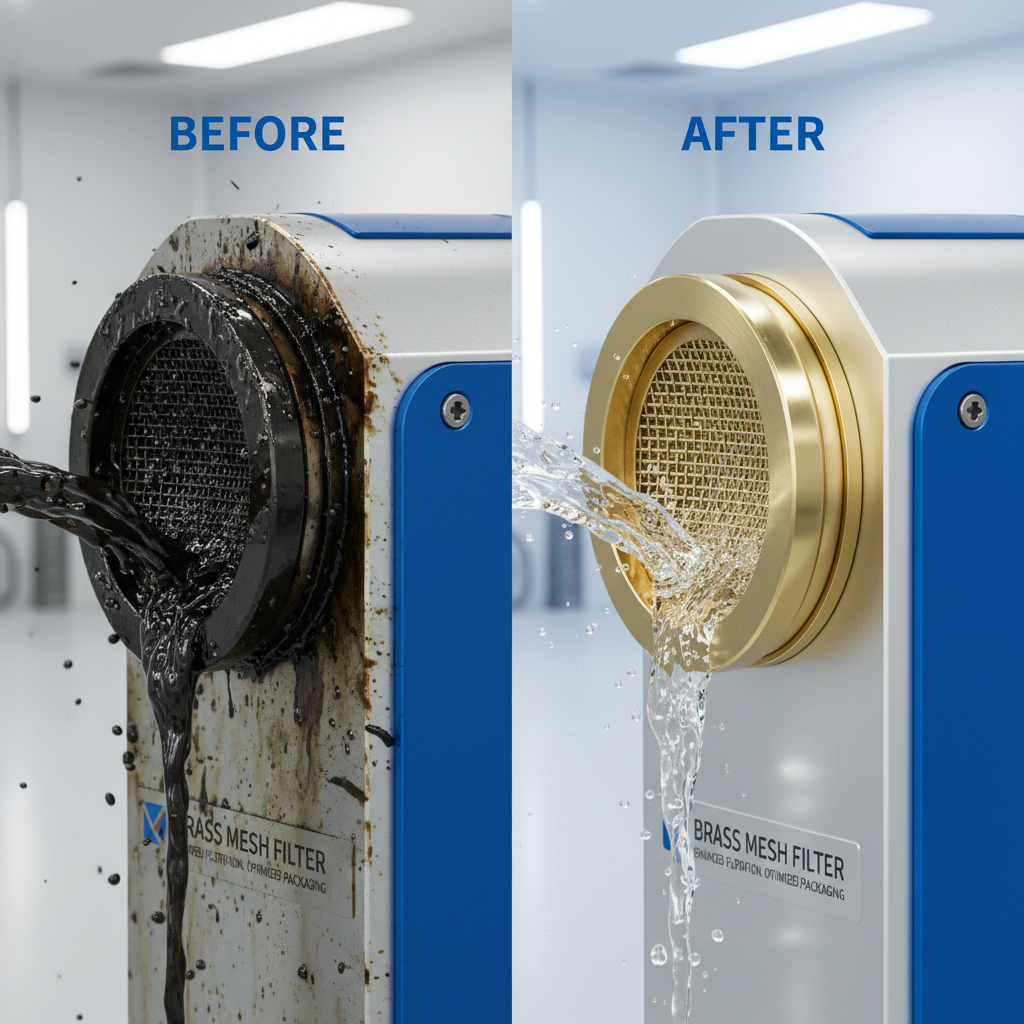
Simply put, filter material refers to any substance — typically fibrous or porous — designed to trap unwanted particles or contaminants from liquids or gases. Think of it as the “catcher’s mitt” inside water purifiers, HVAC systems, or even masks. Depending on the use, it can range from woven fabrics and synthetic fibers to specialized polymers engineered for fine particulate interception.
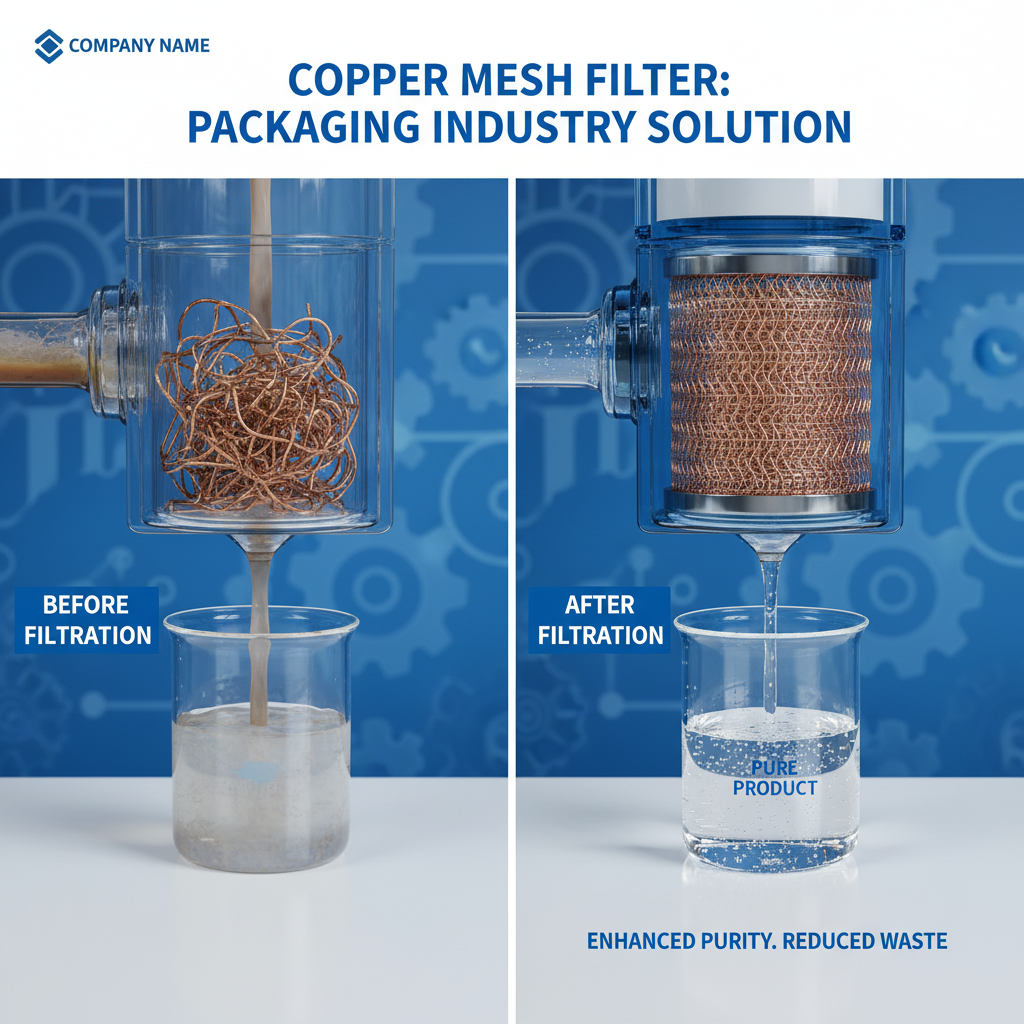
Beyond just trapping dirt or sediments, modern filter media often serve multifunctional roles, such as chemical adsorption, microbial kill, or fluid flow regulation — making them invaluable across both industry and humanitarian efforts.
Key Characteristics of Filter Materials and Why They Matter
1. Durability
Filter media must withstand physical stress, chemical exposure, or temperature variations without breaking down too quickly. For example, industrial filters in refineries face corrosive gases, so durability isn’t just a bonus—it’s a necessity.
2. Filtration Efficiency
How well a filter traps contaminants is critical. This varies depending on pore size, fiber arrangement, and material type. High-efficiency filters capture even submicron particles, which is crucial in fields like pharmaceuticals or electronics manufacturing.
3. Cost Efficiency
It’s a balancing act between quality and price. High-grade filter materials can be expensive, but if they last longer or improve system performance, they often prove cost-effective in the long run.
4. Versatility
Good filter materials adapt to different environments — from water filtration in remote areas to air purification inside massive commercial buildings. Versatility often correlates with easier maintenance and broader use cases.
Mini takeaway: When evaluating filter materials, those four pillars—durability, efficiency, cost, and versatility—always come up. Each application weighs these differently depending on priorities.
Where Filter Material Makes a Real Impact
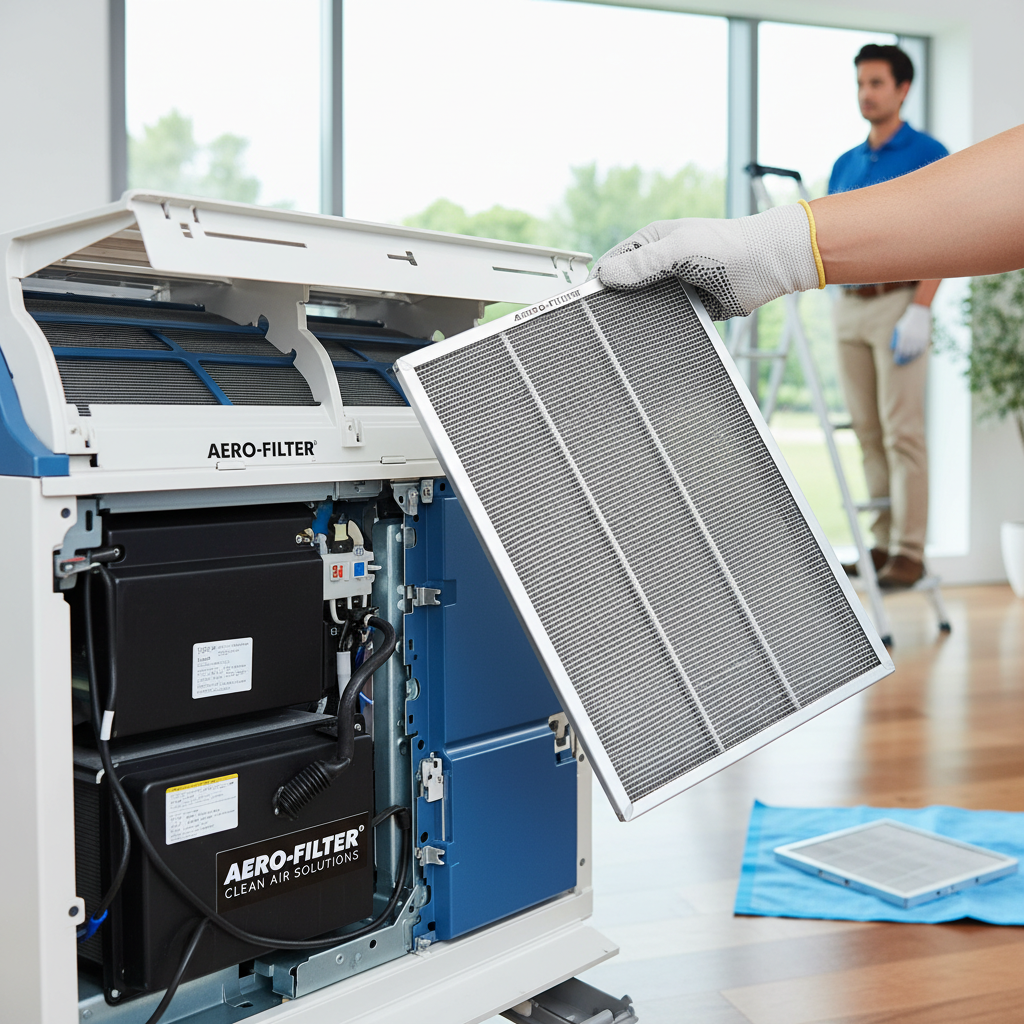
Filter materials are everywhere. In developed countries, HVAC filters in urban buildings reduce airborne pollutants, improving workplace health. In agriculture-heavy regions, water filters prevent contamination in irrigation systems, safeguarding crops. During post-disaster relief, portable filtration units deployed rapidly rely on high-performance filter media to turn unsafe water into drinkable supplies.
For example, in Southeast Asia, NGOs have distributed novel filter materials embedded with silver nanoparticles providing antimicrobial properties — a clever fusion of innovation and practical humanitarian impact. Meanwhile, in remote mining operations, dust-capturing filter fabrics protect workers and equipment alike.
The Advantages of Investing in Quality Filter Materials
The benefits extend beyond simple cleanliness. Reliable filter materials contribute to sustainability by reducing waste and improving equipment life. They often offer improved safety, protecting public health in ways that feel intuitive but are grounded in rigorous engineering. And, frankly, in many communities, they contribute dignity — clean water and air go hand-in-hand with better quality of life.
Because of these advantages, many industries trust premium filter materials to maintain operational reliability and gain consumer confidence. It’s that blend of technical precision and human benefit that makes the field so interesting.
What’s Next? Future Trends in Filter Materials
Innovation is hot in disposable filters designed for green energy and circular economy goals. New composite materials that are biodegradable or recyclable are on the rise. Plus, digital transformation touches this space too: imagine “smart filters” that monitor blockage or contamination levels in real-time via embedded sensors.
Automation is another promising angle — from robotic filter maintenance to AI-assisted quality control. For anyone keeping an eye on sustainability, this means filter materials will become smarter, not just tougher.
Challenges and Solutions Facing Filter Material Usage
A classic challenge is balancing cost with performance—low-cost filters sometimes fail prematurely causing downtime or even health risks. Another issue is disposal: synthetic filters are often not recyclable, adding to environmental burden.
Experts suggest solutions like hybrid materials and better end-of-life recycling programs. Some startups are developing filter materials from bio-based fibers, aiming to reduce ecological footprint without sacrificing effectiveness.
Common Questions About Filter Material
Q1: What types of filter materials are best for water purification?
For water, activated carbon and woven polymer fibers are widely used. Activated carbon helps remove chemicals and odors, while polymer fibers handle sediment and microorganisms effectively. Selecting depends on water source and contaminants.
Q2: How do industrial filters differ from consumer-grade filters?
Industrial filters are designed for much harsher environments with heavier contaminants, requiring greater durability and efficiency. Consumer filters focus more on ease of replacement, cost, and specific residential needs.
Q3: Can filter materials be reused or cleaned?
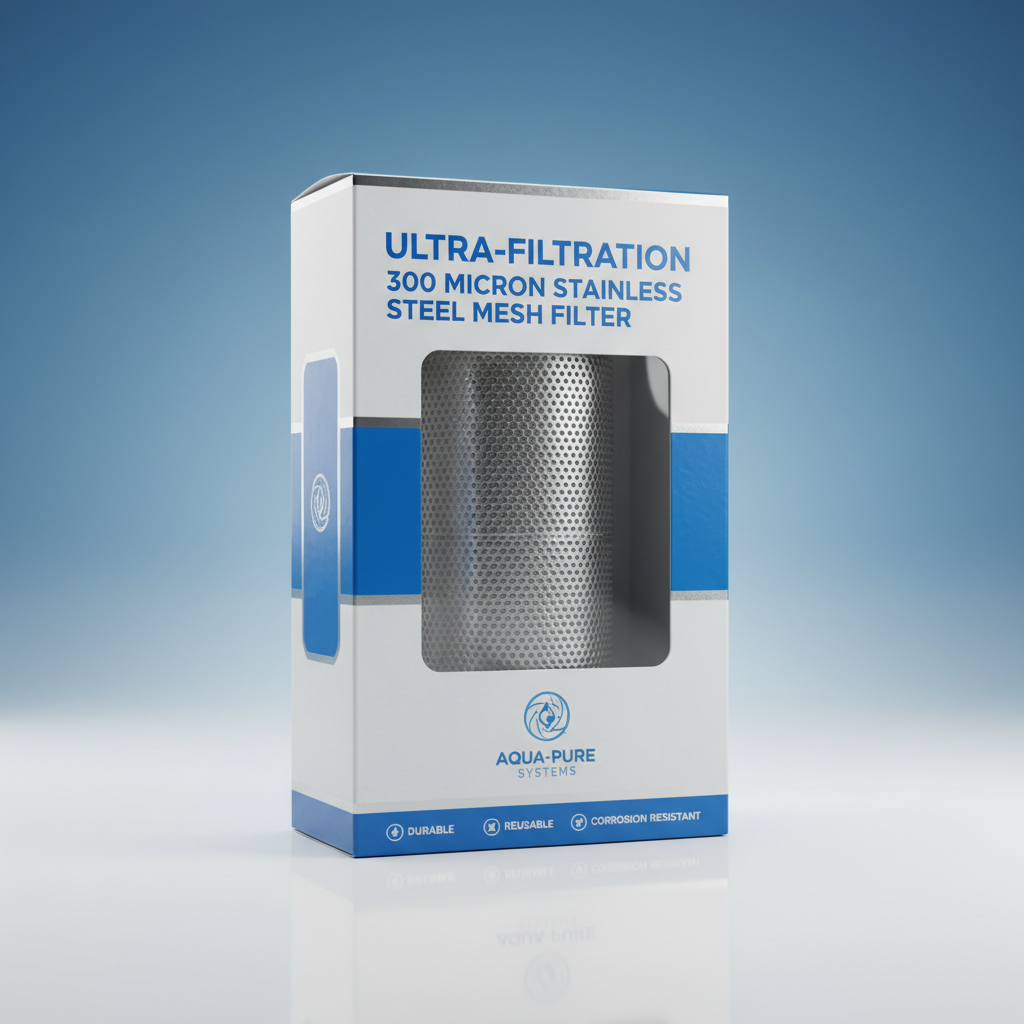
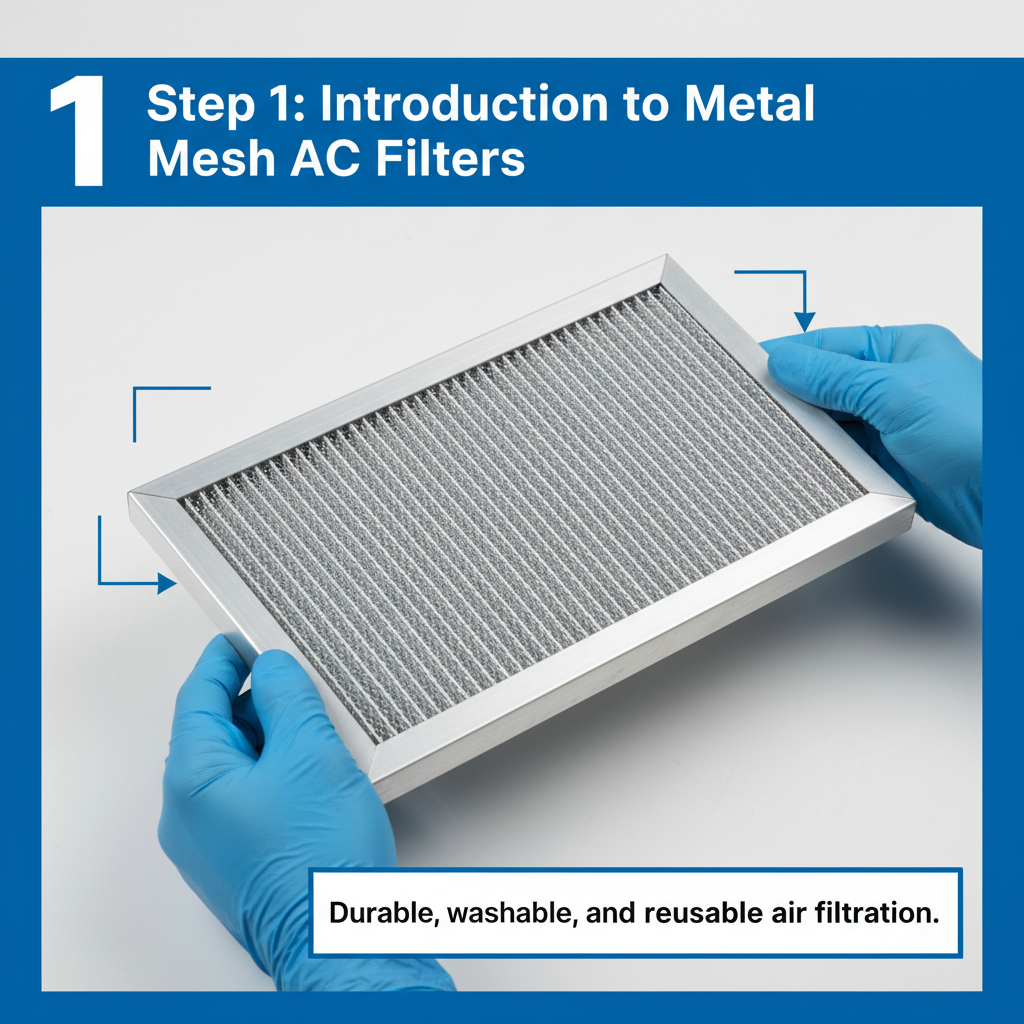
Some filter materials, particularly metal or synthetic mesh, can be cleaned and reused multiple times. Others, like fine paper or activated carbon filters, are usually disposable to maintain effectiveness.
Q4: Are there environmentally-friendly filter materials available?
Yes. Innovations like biodegradable polymers, natural fibers, and recyclable composites are entering the market. Their performance is improving rapidly, closing gaps with traditional synthetic filters.
Q5: How should I choose a filter material for harsh industrial conditions?
Look for materials rated for temperature, chemical exposure, and particulate sizes you expect. It’s also good to consult vendors about custom engineering options tailored to your specific applications.
Filter Material Specification Table
| Type | Filtration Efficiency | Max Temperature (°C) | Typical Applications | Cost Range |
|---|---|---|---|---|
| Polypropylene Fiber | 85-95% | 80 | Water filters, air filters | $ - $$ |
| Activated Carbon | >95% | 120 | Water purification, odor removal | $$$ |
| Glass Fiber | 90-99% | 300 | Industrial air filters, HVAC | $$$ |
| Nanofiber Membranes | >99% | 60 | Electronics, medical filters | $$$$ |
Top Vendors of Filter Materials: A Quick Comparison
| Vendor | Specialty | Lead Times | Sustainability Focus | Price Tier |
|---|---|---|---|---|
| CleanFiber Corp | Custom nanofiber membranes | 4-6 weeks | High | Premium |
| FilterTech Solutions | Standard industrial fibers | 2 weeks | Moderate | Mid |
| GreenFlow Systems | Eco-friendly biofibers | 3-4 weeks | Very High | Mid-High |
| AquaPure Tech | Activated carbon filters | 1 week | Low | Budget |
As you can see, the filter material landscape ranges from budget-friendly traditional media to high-tech, eco-conscious innovations. Matching your project’s needs with the right vendor can make all the difference.
For more insights on filter material types and applications, check out our filter material resources page.
Wrapping It Up: Why Filter Material Deserves Your Attention
At first glance, filter materials might not win any awards for excitement. But zoom out and the picture changes: these unsung heroes impact everything from safe drinking water, clean air in factories, to disaster relief — and the future points toward smarter, greener designs. Investing a little time in understanding filter materials can pay off greatly, whether you’re an engineer, buyer, or policy maker.
So, if you’re ready to explore more or need tailored solutions, don’t hesitate to visit us at www.anyafiltermedia.com.
References:
1. World Bank Environmental Data, 2023
2. United Nations Sustainable Development Goals (SDG 6: Clean Water and Sanitation)
3. ISO 16890 Air Filter Testing Standard
Post time: Nov-29-2025