Understanding Automobile Filter Paper: Why It Matters Worldwide
Automobile filter paper — it’s not the first thing that jumps to mind when you think about cars, but honestly, it's one of those unsung heroes of the automotive world. This specialized paper serves as the backbone of filtration in countless vehicles worldwide, keeping engines clean, improving fuel efficiency, and reducing emissions. As we cruise deeper into an era demanding cleaner air and sustainable mobility, understanding the role and benefits of automobile filter paper becomes, well, pretty important.
Globally, car production topped over 95 million vehicles in 2023 according to the International Organization of Motor Vehicle Manufacturers (OICA). Every single one relies on some form of filter media to ensure peak and prolonged performance. With growing awareness of environmental regulations and the shift toward efficient drivetrain systems, the filtration industry faces new challenges — and opportunities. That’s why a deeper dive into automobile filter paper isn’t just a nitty-gritty technical detail; it's central to how the automotive industry meets tomorrow’s standards.
Automobile Filter Paper: What Is It and Why Should You Care?
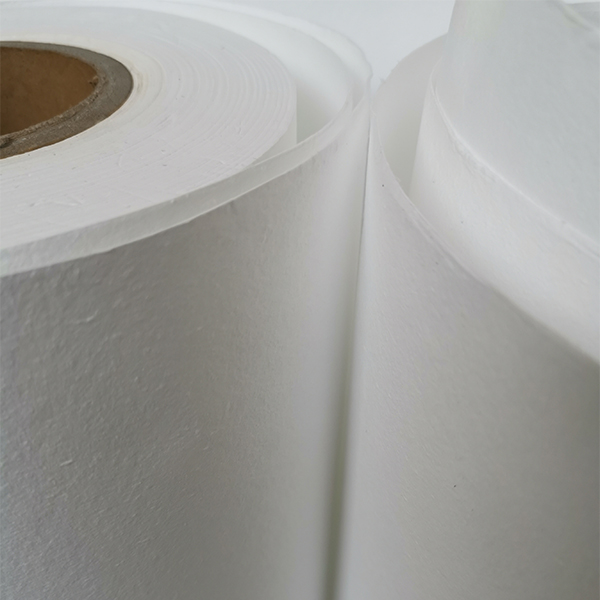
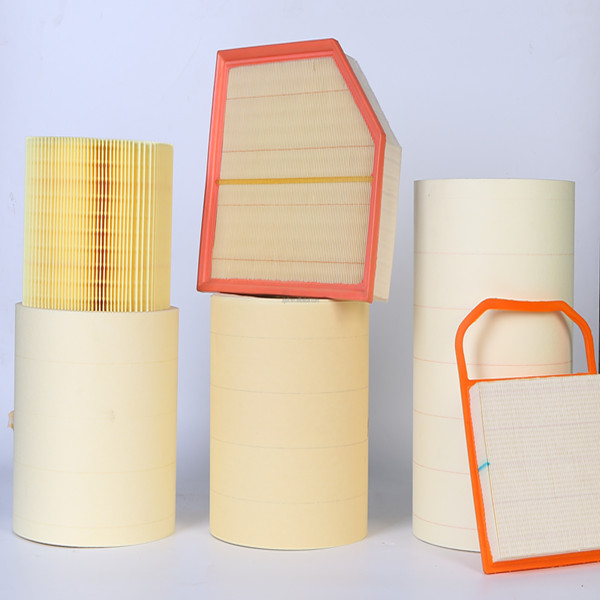
In simplest terms, automobile filter paper is a specially engineered cellulose- or synthetic-based sheet designed to trap contaminants such as dirt, dust, oil, and metal particles from oil, fuel, and air systems inside a car. Think of it like the lungs’ alveoli, but for an engine: it must capture the bad stuff while letting the good stuff flow freely.
Why does it matter beyond just “keeping cars clean”? Well, the quality of filter paper directly affects engine longevity, fuel efficiency, and emissions. Poor filtration means more wear and tear, higher fuel consumption, and ultimately, greater environmental footprint — all big concerns for manufacturers, drivers, and policymakers alike.
Core Features of Automobile Filter Paper You Should Know
1. Filtration Efficiency
The primary attribute — how well the filter paper traps particles, often rated by micrometer size. High-efficiency papers can catch particles down to 1-5 microns, essential for modern engines which operate with very tight tolerances.
2. Durability and Oil Resistance
Filters in automotive applications often deal with harsh chemicals like engine oil and fuel additives. The paper must resist breakdown or clogging over thousands of kilometers. Many premium filter papers incorporate synthetic fibers or special coatings to enhance lifespan.
3. Permeability and Flow Rate
It’s a balancing act. The media needs to allow smooth air, oil, or fuel flow without causing significant pressure drops, which can harm performance or increase fuel usage.
4. Environmental Sustainability
Increasingly, filter papers are made from renewable or recyclable materials. The industry is moving toward eco-friendly manufacturing processes — critical as millions of filters reach landfills annually.
5. Cost Efficiency
Cheap filter papers lead to frequent replacements and lower protection, but over-engineering adds cost. The best products hit a practical balance between price and long-term value.
Mini Takeaway:
In essence, automobile filter paper is a complex material optimized for capturing microscopic debris while enduring extreme conditions — a subtle yet vital factor for automotive reliability and eco-friendliness.
Real-World Applications Across the Globe
These paper filters are everywhere — not just fuel and oil filters but also cabin air filters, some even embedded in hybrid and electric vehicle components to keep cooling systems pristine. In industrial hotspots like Germany’s automotive hubs, Japan’s tech-heavy factories, or emerging vehicle markets in India and Brazil, high-quality filter papers are a must-have.
Take disaster relief operations for example: transport vehicles run constantly in dusty environments, meaning robust filtration extends vehicle uptime and safety. Or consider remote mining sites, where vehicles work 24/7 under punishing conditions — top-tier filter media is indispensable.
Advantages and Long-Term Value of Quality Filter Paper
- Cost Savings: Longer filter life reduces maintenance frequency and downtime.
- Environmental Impact: Effective filtration means cleaner emissions and less waste.
- Safety: Engines perform more reliably, reducing breakdown risks on busy roads.
- Customer Trust: Brands that invest in better filtration see happier customers and stronger reputations.
Personally, many engineers I’ve spoken to say that the subtle improvements in filtration design often translate into noticeable performance boosts. In a market crowded with options, the filter paper technology behind a product sometimes tells the story of how thoughtful a manufacturer really is.
Looking Ahead: Trends and Innovations in Automobile Filter Paper
The future? It’s shiny and green. Bio-based and biodegradable fibers are making their way into new filter media, aligning with global decarbonization goals. Nanotechnology is becoming a tool to create super-efficient filters with enhanced dirt-holding capacity and self-cleaning properties. Plus, digital monitoring embedded in filters could soon tell drivers exactly when replacements are needed — smart cars deserve smart filters, right?
Common Challenges and How Experts Are Tackling Them
Despite advances, there are hurdles. Balancing filtration efficiency with airflow remains tricky; clogging under heavy pollutant loads still shortens filter life unpredictably. Yet companies are innovating with multi-layer composites and improved synthetic blends. Some are even exploring modular filter units that can be serviced rather than swapped out wholesale, reducing waste.
The key seems to be collaboration — filter manufacturers working closely with automakers and regulatory bodies to align on standards and practical realities.
Product Specification Table for Typical Automobile Filter Paper
| Specification | Typical Value | Unit |
|---|---|---|
| Particle Filtration Efficiency | ≥ 99 | % |
| Maximum Operating Temperature | 120 | °C |
| Oil Resistance | High | - |
| Airflow Rate | 20–35 | L/min |
| Thickness | 0.6–1.2 | mm |
Comparing Top Vendors of Automobile Filter Paper
| Vendor | Material Type | Eco-Friendliness | Customization | Global Reach |
|---|---|---|---|---|
| Filtec Global | Synthetic Blends | Medium | High | 50+ Countries |
| EcoFilter Papers Ltd | Bio-based Fibers | High | Medium | 30+ Countries |
| AutoPure Media | Cellulose & Synthetic Mix | Medium | High | Worldwide |
FAQ: Your Practical Questions About Automobile Filter Paper Answered
Q1: How often should automobile filter paper be replaced?
A: Replacement intervals vary by vehicle and filter type but generally should be checked every 10,000 to 15,000 kilometers. Severe driving conditions like dusty roads may require earlier changes to avoid engine damage. Always consult your car’s manual or trusted mechanic.
Q2: Can low-quality filter paper harm my vehicle?
A: Definitely. Low-grade filters may allow contaminants to bypass, leading to engine wear, clogged injectors, and reduced fuel economy. Investing in reputable filter media often saves repair costs down the road.
Q3: Are there environmentally friendly options available?
A: Yes. Many manufacturers now offer bio-based and biodegradable filter papers that reduce landfill waste. These options meet stringent filtration standards while lowering ecological footprints.
Q4: Is synthetic filter paper better than cellulose?
A: Not necessarily “better”—both have pros and cons. Synthetic fibers often resist chemicals and last longer, while cellulose is usually cheaper and biodegradable. Often, blends are used to balance price and performance.
Q5: How do automobile filter papers affect vehicle emissions?
A: Proper filtration ensures that engines run cleanly and efficiently, reducing harmful emissions. Faulty or clogged filters can increase pollutants released into the atmosphere.
Wrapping It Up: The Road Ahead for Automobile Filter Paper
It’s easy to underestimate the role of something as unassuming as filter paper in a car’s engine. But in real terms, these fine sheets pack a powerful punch — they protect vital engine components, prolong vehicle life, curb emissions, and support sustainability efforts worldwide.
If you’re involved in automotive manufacturing, maintenance, or just a curious driver, knowing the why and how of automobile filter paper helps you appreciate an essential piece of the puzzle. Curious to see the latest filter papers or find custom solutions? Visit our website for more insights and products: automobile filter paper.
References
Post time: Nov-29-2025