Understanding Stainless Mesh Filters: A Crucial Tech for Clean Industry
Stainless mesh filters might sound like a niche industrial component, but their significance stretches far beyond factories and machines. They’re quietly pivotal across a globe increasingly focused on clean manufacturing processes, environmental protection, and food safety. Grasping how these filters work — and why they're becoming a go-to solution — offers insights into improving product quality, operational efficiency, and even public health. So, what exactly makes them vital, and why now?
As industries worldwide grapple with stricter regulations and sustainability demands, stainless mesh filters answer the call by enabling precise particulate separation while resisting harsh environments. For businesses, this spells fewer downtime hours and longer-lasting equipment. For communities, better filtration processes mean cleaner water, air, and food supplies.
Global Context: Why Stainless Mesh Filters Are More Relevant Than Ever
The World Health Organization estimates that air pollution causes 7 million premature deaths annually, largely due to particulate matter inhalation. Meanwhile, the United Nations emphasizes safe drinking water and sanitation as a sustainable development goal. Stainless mesh filters play a subtle yet essential role here, filtering out impurities in both air and water treatment setups.
In manufacturing, stainless mesh filters are the unsung heroes behind dozens of quality assurance standards upheld by global bodies like ISO — ensure contaminant-free raw materials, for example. Plus, rising industrialization in Asia and Africa has increased demand for reliable filtration methods that survive rugged conditions.
But here’s the kicker: many traditional filters rust or degrade, limiting their lifespan or contaminating products. Enter the stainless steel mesh — combining resistance, precision, and durability in one tidy package.
What Are Stainless Mesh Filters?
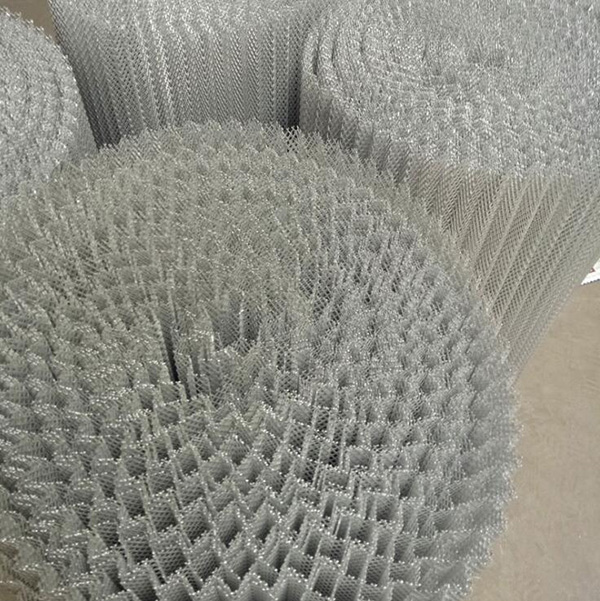
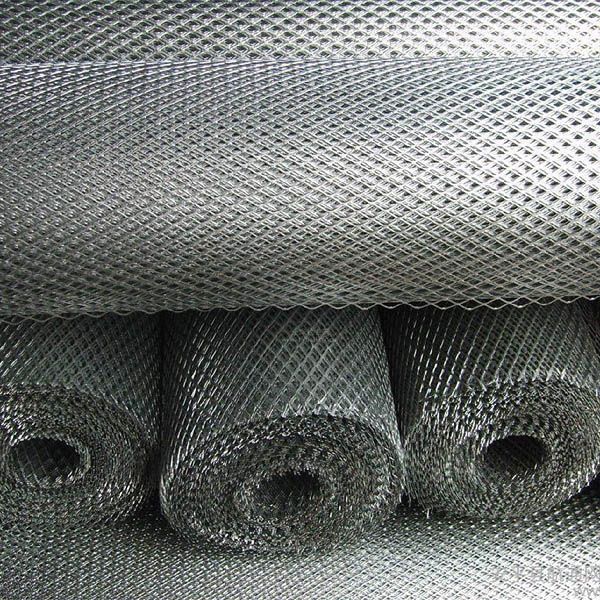
Simply put, stainless mesh filters are finely woven meshes crafted from stainless steel wires. Their purpose? To separate particles by size in gases or liquids flowing through them. Think of them as sieves, but made from corrosion-resistant metal that withstands demanding industrial conditions.
Because of stainless steel's inherent qualities — rust resistance, strength, and heat endurance — these filters fit naturally into environments from chemical processing to food production, even life-saving humanitarian water purification systems during crises. Oddly enough, they also play a quiet role in tech devices, preventing dust build-up in sensitive hardware.
Core Components and Key Factors
1. Durability and Corrosion Resistance
Stainless steel resists rust and corrosion, meaning these filters won’t degrade when exposed to moisture, acids, or industrial chemicals. This is a huge win for industries that can’t risk contamination or system failures.
2. Precision Filtration
The mesh’s pore sizes vary, allowing tailored filtration from coarse debris to microscopic particles. You get consistent, reliable particle separation suited exactly to your application.
3. Scalability and Customization
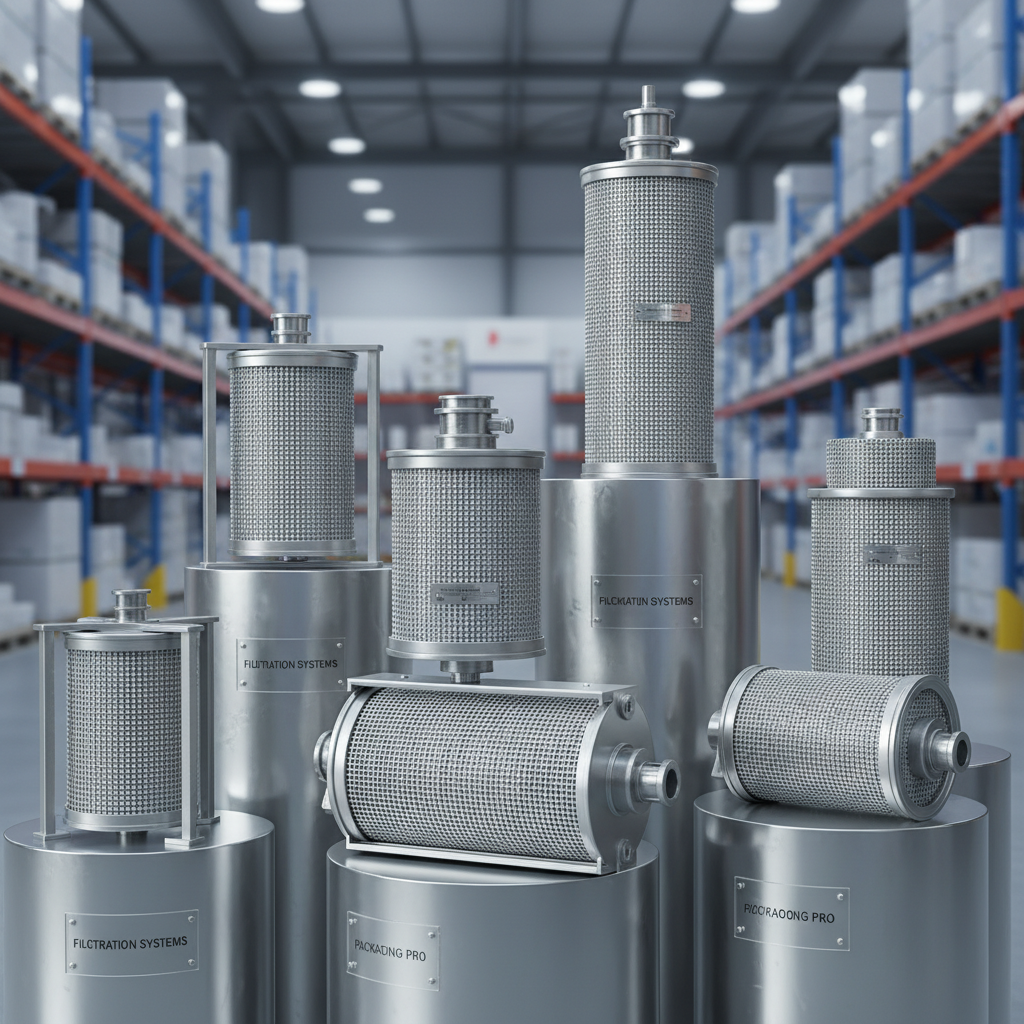
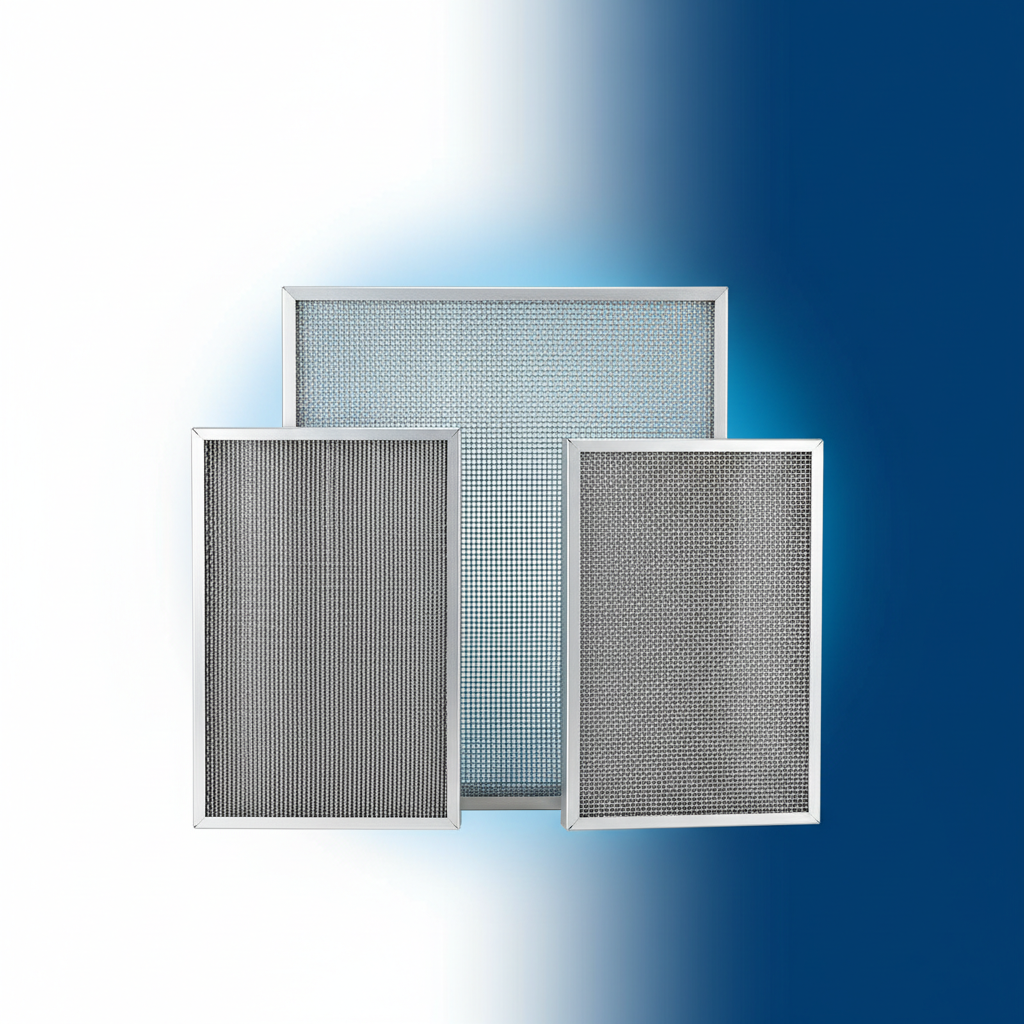
From small cartridge-sized filters to massive panels, stainless mesh filter sizes and weave patterns can be customized to fit everything from home purification units to industrial-scale refinery needs.
4. Cost Efficiency
Though initial costs are slightly higher versus plastic or fabric filters, their longevity and reusability drive down total expense over time. Maintenance and downtime costs plummet too.
5. Ease of Cleaning and Maintenance
They tolerate harsh cleaning processes (like ultrasonic or chemical cleaning). Many can be reused multiple times, making them environmentally and economically sensible.
Mini Takeaway:
Stainless mesh filters marry strength with precision, serving as a robust filtration backbone in industries where both reliability and purity matter.
Global Applications & Use Cases
Where aren’t stainless mesh filters used nowadays? Well, that’s almost easier to say. Their flexibility means they touch many sectors and regions, each with its own twist on usage.
- Water Treatment Plants: In regions demanding clean water—whether major cities in Europe or remote communities in Sub-Saharan Africa—these filters remove debris and bacteria precursors.
- Food and Beverage Industry: From breweries in Germany to dairy plants in New Zealand, stainless mesh ensures product safety by filtering unwanted solids without chemical contamination.
- Pharmaceutical Manufacturing: The industry demands ultra-clean processes. Stainless mesh filters meet stringent purity standards, often certified by ISO and other regulatory bodies.
- Environmental Monitoring: Used in air quality stations globally, these filters catch particulate matter from urban pollution or industrial emissions—essential data for health policy.
- Disaster Relief and Humanitarian Aid: In post-disaster zones — say, following floods in South Asia — portable water filters equipped with stainless mesh help supply safe drinking water quickly.
Mini Takeaway:
The true beauty of stainless mesh filters lies in their versatility, spanning continents and industries, enhancing public health and product quality on a massive scale.
Advantages & Long-Term Value of Stainless Mesh Filters
Imagine a filter that doesn’t need frequent replacement, can handle tough chemical environments, delivers precise filtration, and comes from a recyclable material. That’s more than a luxury — it’s operational peace of mind.
With stainless mesh filters, cost savings emerge through reduced downtime, less frequent procurement cycles, and minimized risk of contamination disasters. Socially, communities receive safer water and cleaner air, building trust and well-being indirectly. Emotionally, engineers and operators know their filtration systems won’t crack under pressure — a relief often underestimated.
Product Specification Table
| Specification | Details |
|---|---|
| Material | 304 or 316 Stainless Steel |
| Mesh Range | 10 to 500 mesh (approx. 2 mm to 25 microns pore size) |
| Max Temperature | Up to 800°C (depending on alloy) |
| Max Pressure | Up to 20 bar (varies by size/configuration) |
| Cleaning Methods | Ultrasonic, chemical, high-pressure water jet |
| Typical Lifespan | 5+ years with proper maintenance |
Vendor Comparison: Key Players in Stainless Mesh Filters
| Vendor | Material Quality | Customization | Lead Time | Typical Clients |
|---|---|---|---|---|
| MeshCo International | 316 Stainless Steel | Highly customizable | 4-6 weeks | Pharma, Food & Beverage |
| SteelMesh Solutions | 304 Stainless Steel | Standard options | 2-3 weeks | Manufacturing, Water Plants |
| Puritech Filters | Custom alloys available | Tailored to spec | 6-8 weeks | Environmental Monitoring, Industrial |
Emerging Trends & Innovations in Stainless Mesh Filters
The push toward greener, more automated manufacturing is touching stainless mesh filter design too. We’re seeing development in nanocoatings that repel biofilms and contaminants, which means filters stay effective longer without clogging.
Digital filtration systems incorporating smart sensors can now monitor clogging levels in real-time, optimizing cleaning cycles and preventing surprise failures. Those innovations not only save money but enhance environmental footprints by minimizing waste.
Also, additive manufacturing (3D printing) techniques are being explored for creating complex mesh geometries previously impossible with traditional weaving — offering ultra-precise filtration tuned for futuristic industrial fluids.
Challenges & Practical Solutions
Let’s get real: stainless mesh filters aren’t a silver bullet. For very fine or sticky particles, clogging can still occur faster than desired. Plus, initial procurement costs can be a bump for smaller firms.
But engineers address these with hybrid filtration setups using multiple media, or innovative cleaning methods like backflushing and ultrasonic baths. Plus, many companies offer leasing or modular packages to lower upfront investment.
Some regional markets face import restrictions or compliance issues, but increasingly, international standards and certifications (like ISO 9001) ease global access to quality filters.
FAQ: Stainless Mesh Filters Demystified
- Q: How do stainless mesh filters differ from plastic filters?
A: Stainless mesh filters are more durable, heat-resistant, and reusable compared to plastic. They withstand harsh chemicals and higher pressures, making them suitable for heavy-duty applications where plastic would fail. - Q: Can these filters be cleaned and reused?
A: Absolutely. Stainless steel tolerance to ultrasonic and chemical cleaning means filters can often be sanitized and reused multiple times, reducing waste and cost. - Q: Are stainless mesh filters eco-friendly?
A: Yes. Their longevity and reusability minimize plastic waste and excessive resource use. Plus, stainless steel is recyclable at end-of-life. - Q: What industries benefit most from using stainless mesh filters?
A: Industries such as water treatment, food and beverage, pharmaceuticals, environmental monitoring, and chemical processing rely heavily on these filters for quality and safety. - Q: Where can I find high-quality stainless mesh filters?
A: Trusted suppliers like stainless mesh filters specialists offer customizable options and certifications for diverse industrial needs.
Conclusion: A Filter That Lasts a Lifetime
So, for anyone wanting to push industrial cleanliness, environmental safety, or product quality forward, stainless mesh filters stand out as a wise investment. They combine resilience, precision, and eco-conscious design to help industries run smoother today—and into the future.
If you’re interested in exploring the best stainless mesh filters available, do visit our website for expert advice and proven solutions.
References & Further Reading
Post time: Nov-26-2025