Stainless Mesh Air Filters: A Simple Tech Solving Complex Global Problems
If you’ve ever wondered how industries manage to keep the air clean—or how hospitals and manufacturing plants prevent airborne contaminants—then stainless mesh air filters probably play a quiet but crucial role. These filters may sound like a niche, but they have global implications. From reducing pollution to improving indoor air quality in hospitals, their impact touches countless areas.
Understanding stainless mesh air filters means grasping a vital tool in environmental control and industrial safety. Plus, with rising concerns about air pollution highlighted in United Nations reports stating millions suffer due to poor air quality worldwide, using effective filtration isn't just smart—it's necessary. Let’s unpack why these filters matter and how they’re quietly shaping industries.
Why Stainless Mesh Air Filters Are More Relevant Than Ever
Air pollution is a silent killer, hitting cities, factories, and even remote areas. The World Health Organization estimates 7 million premature deaths yearly are linked to ambient (outdoor) and indoor air pollution. So, interventions that improve air filtration are critical.
Enter stainless mesh air filters—a durable, reusable, and efficient option helping industries manage particulate matter. Their strength lies in their global adaptability, spanning across manufacturing plants in Asia, cleanrooms in Europe, and even humanitarian projects in disaster-stricken zones where makeshift air filtration is needed.
But there’s a catch: traditional filters can clog quickly or degrade, increasing waste and cost. Stainless steel mesh filters withstand harsh environments, are washable, and can last for years, offering sustainable solutions to a stubborn problem.
Mini takeaway:
- Global air quality is a key health and environmental concern.
- Stainless mesh filters provide durable, reusable filtration solutions.
- They serve a wide range of industries, highlighting versatility.
Defining the Stainless Mesh Air Filter
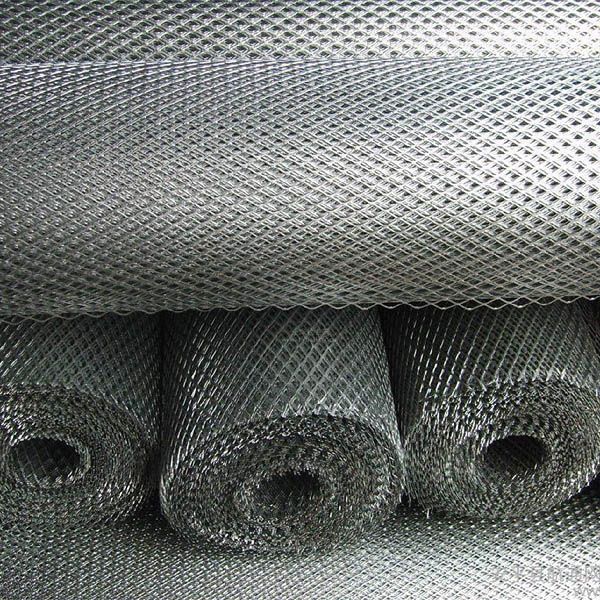
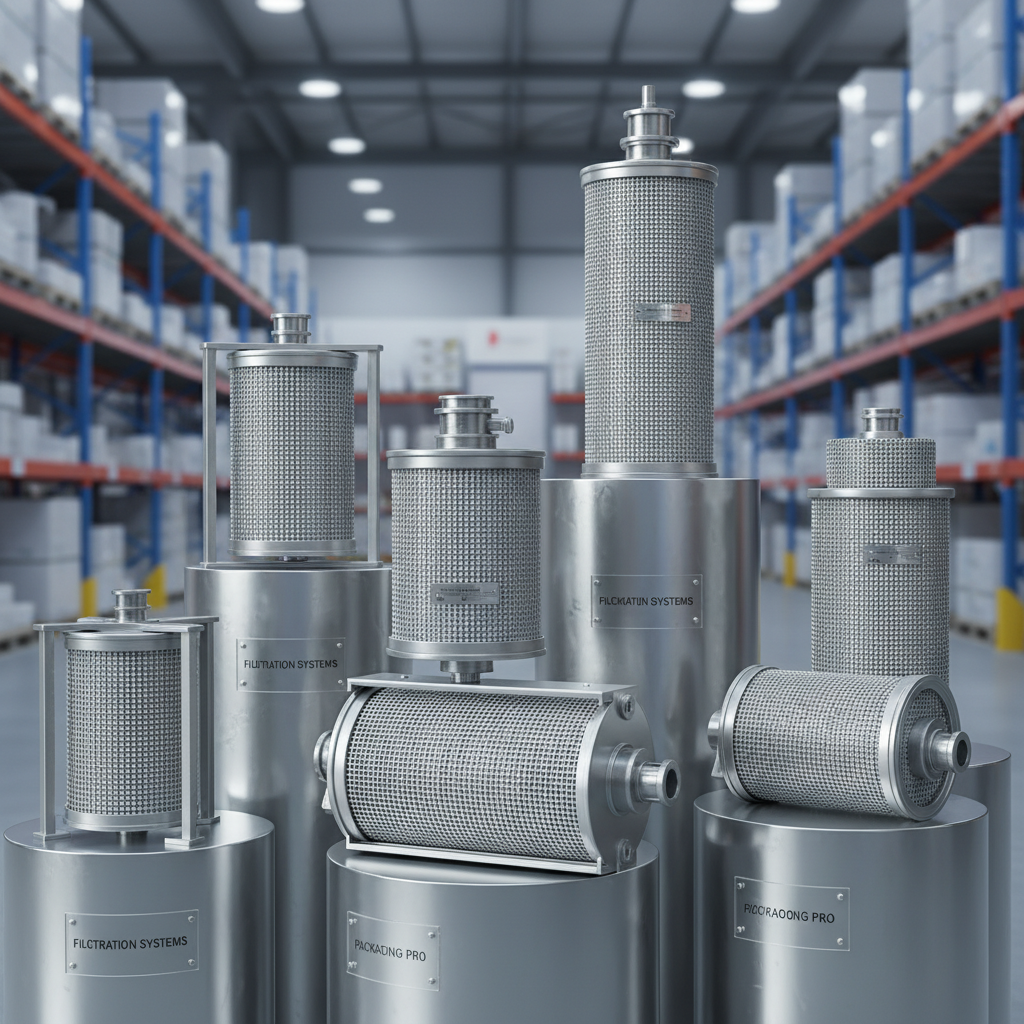
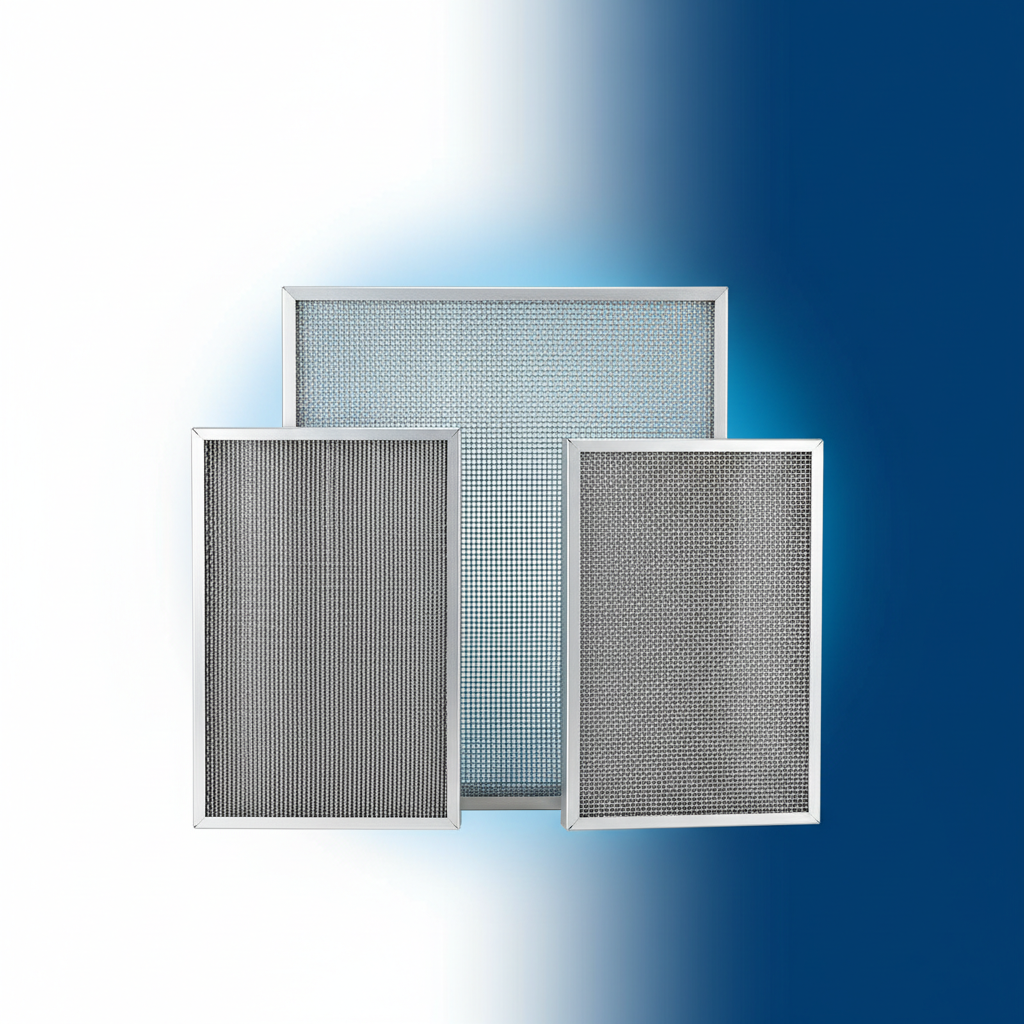
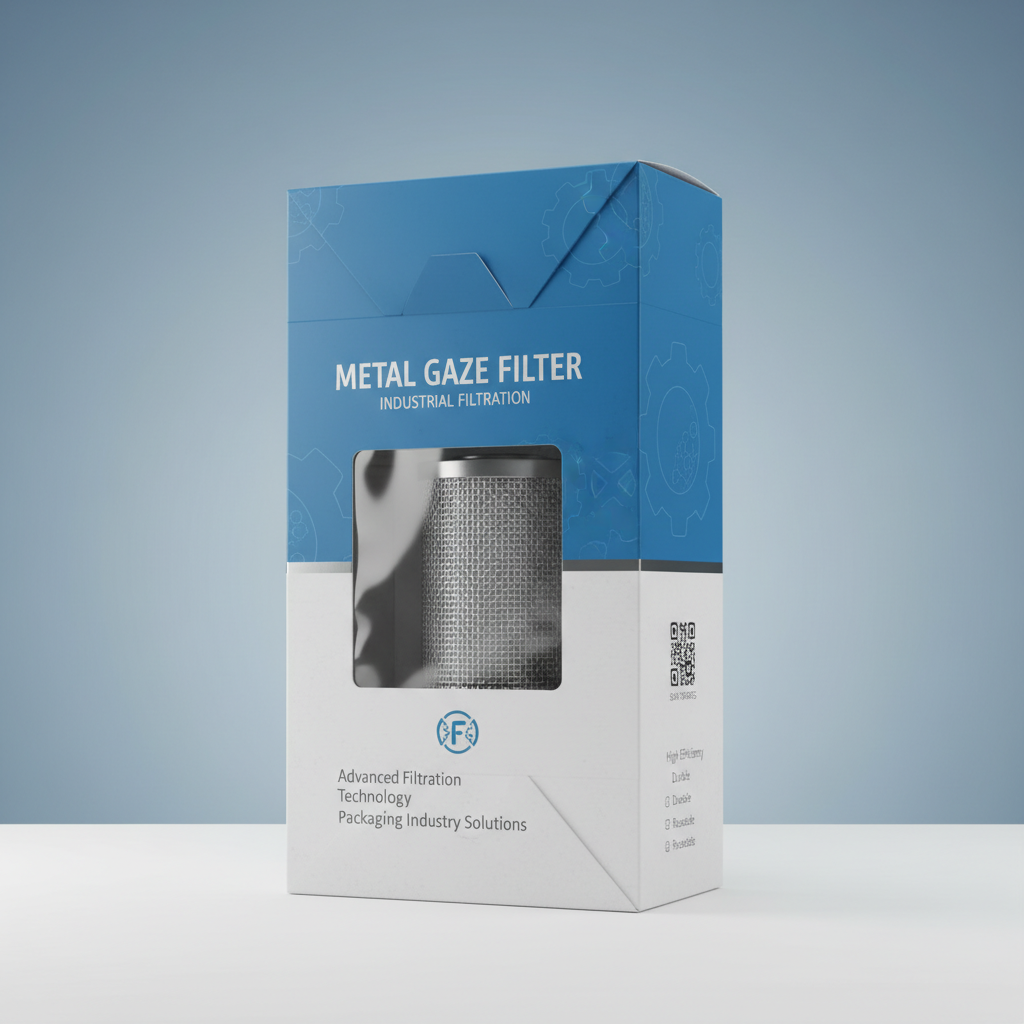
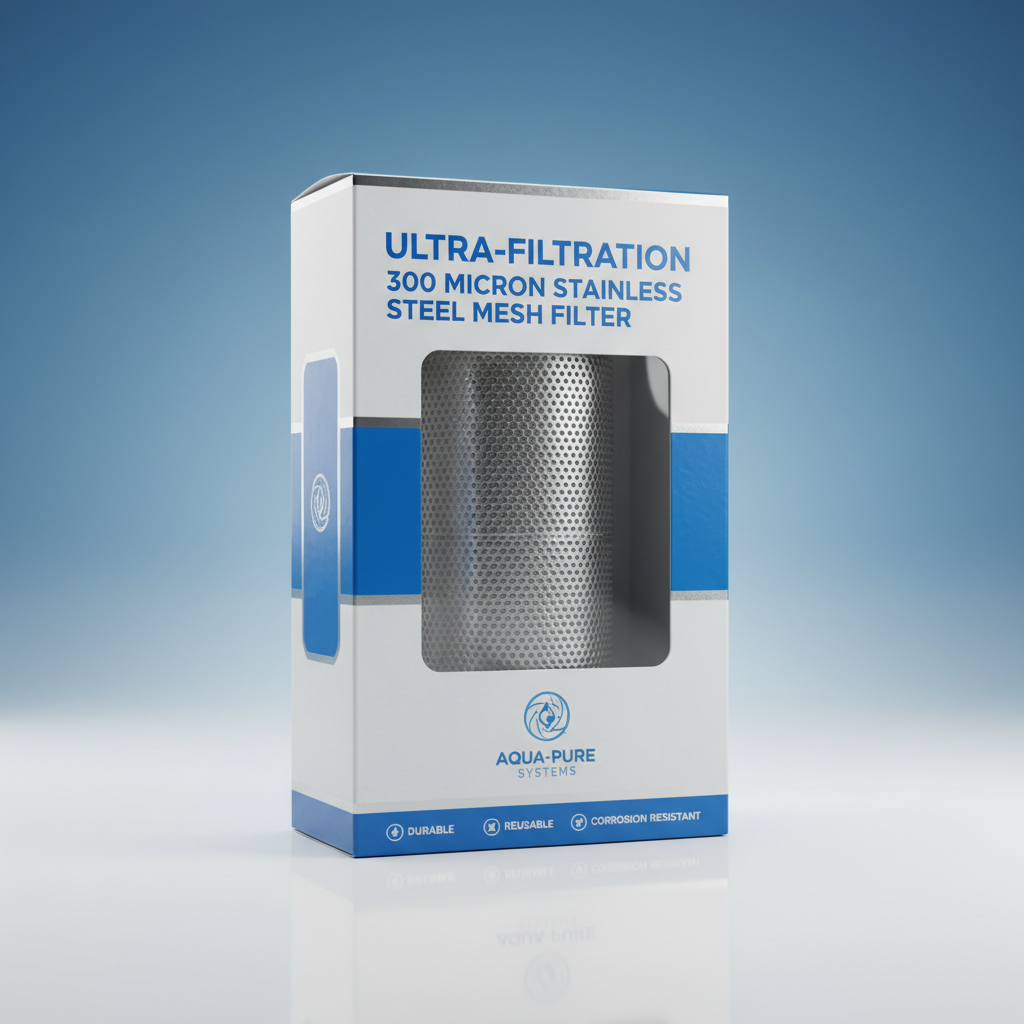
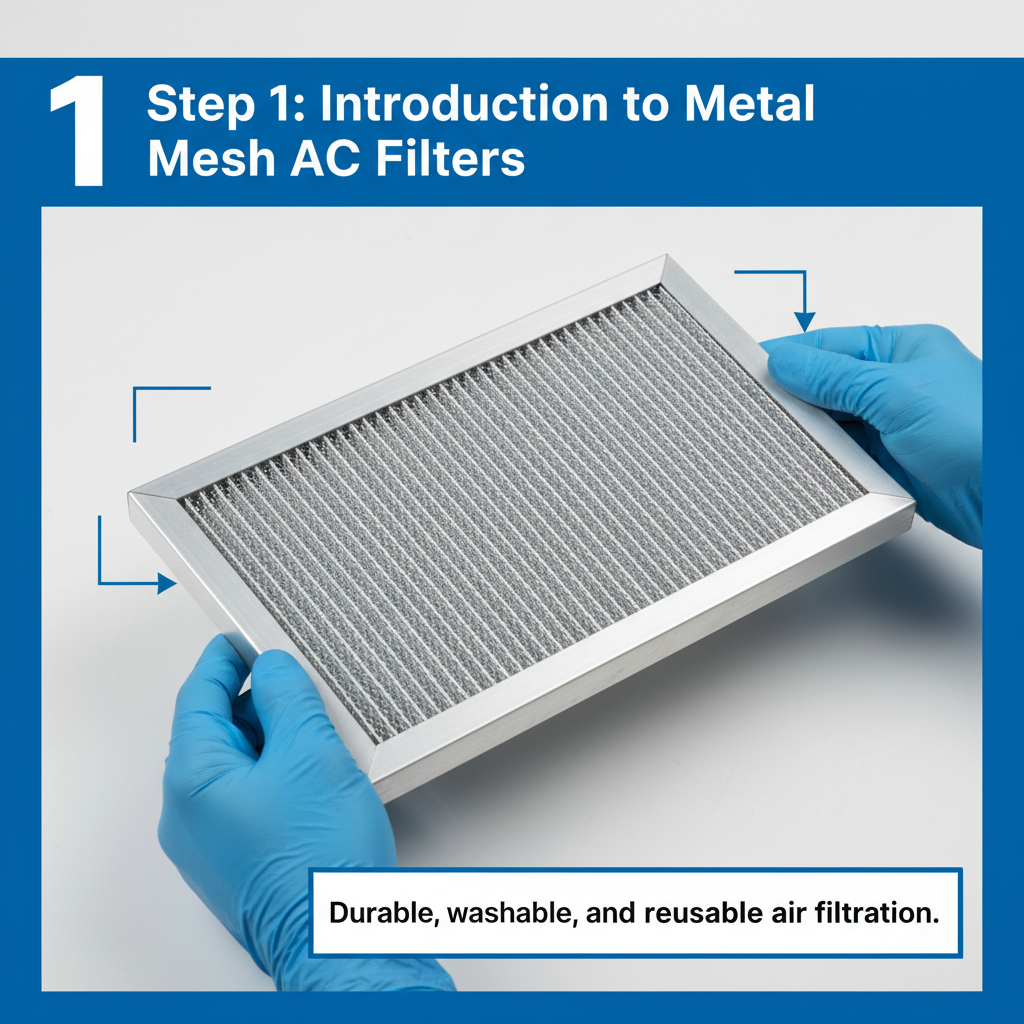
At its core, a stainless mesh air filter is exactly what it sounds like: a filter made from fine stainless steel wire mesh, structured to trap airborne particles while allowing air or gas to flow through. Unlike disposable paper or fabric filters, these metal mesh filters can be cleaned and reused multiple times. They act as physical barriers, capturing dust, pollutants, and sometimes biological contaminants.
Technically, these filters fall under rigid filtration media, often customized for pore size and mesh thickness to suit specific industrial needs—whether filtering exhaust fumes or protecting delicate equipment in labs.
In humanitarian terms, their robustness and reusability make them invaluable where supply chains aren’t always reliable. Stainless mesh filters can handle varied conditions without losing effectiveness, a huge boon in places where fresh filters might not always be on hand.
Mini takeaway:
- Stainless mesh filters are reusable metal mesh barriers for air purification.
- They combine industrial-grade strength with fine particulate trapping.
- Useful both in high-tech and rugged, off-grid environments.
Key Features That Make Stainless Mesh Filters Stand Out
Durability
Unlike paper or synthetic filters, stainless mesh resists corrosion, high temperatures, and chemical exposure. Many engineers I've spoken to say that this durability translates to fewer replacements and long-term savings—a crucial factor in heavy industrial applications.
Customizable Pore Size
Depending on the need, mesh sizes ranging from coarse to ultra-fine let you filter out everything from large particulates to micro dust or oil mist. This customization means they’re dependable whether you’re filtering ambient air or exhaust gases.
Cost Efficiency
Though stainless steel mesh filters can be pricier upfront, their reusability means, in real terms, less waste, fewer replacements, and reduced ongoing costs. Many industries have calculated their total cost of ownership and found these filters remarkably cost-effective over time.
Environmental Sustainability
Being washable and reusable, stainless mesh filters reduce landfill waste significantly compared to disposable filters. This aligns perfectly with global sustainability goals laid out by ISO standards on environmental management.
Maintenance & Cleanability
Cleaning these filters is straightforward—usually with water, ultrasound, or mild solvents—meaning less downtime. In fields where equipment uptime is money, this is a game-changer.
Resistance to High Temperature & Harsh Chemicals
From chemical plants to power stations, the ability to resist degradation expands applicability beyond what common filters can achieve.
Mini takeaway:
- Performance hinges on durability and customizable design.
- Long-term cost savings through reusability and less frequent replacements.
- Supports green and sustainable industrial practices.
How Stainless Mesh Air Filters Are Putting Theory Into Practice Globally
Industries across the world leverage stainless mesh air filters for different applications:
- Manufacturing sectors in Germany and Japan use these filters in paint spray booths to capture minute paint droplets and fumes.
- Healthcare facilities in the US rely on stainless mesh filtration for cleanroom air management, ensuring sterile environments.
- Mining operations in Australia use these filters to scrub dust-laden air, protecting worker health.
- Disaster relief efforts often deploy portable systems equipped with stainless mesh filters to provide breathable air in post-event shelters, for example, after wildfires or floods.
- HVAC systems in commercial buildings globally are increasingly fitted with stainless mesh filters for longevity and improved air quality.
Oddly enough, some rural communities in developing regions have successfully integrated these filters into simple air purification devices to combat indoor cooking fumes—a poignant reminder of the widespread utility.
Mini takeaway:
- Widely adopted across industries and geographical zones.
- Important for both high-tech environments and grassroots applications.
- Play crucial roles in worker safety and environmental health.
Advantages & Lasting Value of Stainless Mesh Air Filters
Besides the expected—durability and filtration efficiency—these filters deliver longer-term benefits that often fly under the radar:
- Cost-effectiveness: Reduced replacement cycles and maintenance downtime cut operational budgets.
- Environmental impact: Less waste and energy consumption in filter production lessen carbon footprints, supporting corporate responsibility goals.
- Safety and trust: Providing consistent clean air helps protect worker health, boosting morale, and trust in the workplace.
- Innovation catalyst: Their adaptable nature allows easy integration with automated systems, IoT sensors, and digital air quality monitoring setups.
In real terms, companies have shared how switching to stainless mesh filters saved millions in healthcare-related costs by reducing exposure-related illnesses. It’s not just a filter—it’s an investment in human dignity and operational excellence.
Specifications at a Glance: Example Stainless Mesh Air Filter
| Specification | Details |
|---|---|
| Material | 304/316 Stainless Steel Wire Mesh |
| Mesh Sizes | 20 - 400 mesh (0.84 mm to 0.038 mm wire diameter) |
| Operating Temp. | Up to 800°C (1472°F) |
| Max Airflow Rate | Varies by application; up to 2000 CFM |
| Cleaning Method | Water wash, Ultrasonic cleaning |
| Average Lifespan | 5–10 years with proper maintenance |
Vendor Comparison: What to Watch For
| Feature | AnyaFilterMedia | Competitor A | Competitor B |
|---|---|---|---|
| Material Quality | 304/316 Stainless, ISO certified | Standard 304 SS | Mixed Stainless Grades |
| Customization Options | Wide mesh range, shapes, sizes | Limited to standard sizes | Mesh size only |
| Lead Time | 2-3 weeks | 4-6 weeks | 2 weeks |
| Customer Support | 24/7 technical support | Business hours only | Email support |
| Pricing | Competitive, volume discounts | Higher than average | Lower quality for low price |
Emerging Trends & Innovations in Stainless Mesh Air Filters
Recently, the filter world is embracing digital transformation. Smart sensors embedded in filtration units monitor airflow, filter clogging, and particulate capture in real-time. This kind of IoT integration means maintenance becomes predictive rather than reactive, saving time and money.
Also, there’s a growing push toward eco-friendly alloys and manufacturing techniques reducing the environmental footprint even before the filter leaves the factory. Meanwhile, hybrid filters combining stainless mesh with nanofibers or activated carbon layers are showing promise in capturing ultra-fine and chemical pollutants.
Green energy facilities, in particular, gravitate toward such advanced filtration systems to ensure emissions standards while maintaining operational efficiency.
Facing Challenges with Practical Solutions
No technology is without its quirks. For stainless mesh filters, challenges like initial cost, potential for metal fatigue in harsh chemicals, and slight pressure drops compared to ultra-light filters can emerge.
But... there are clever workarounds. Expert engineering teams customize filter thickness and mesh design to balance airflow and durability. Advanced cleaning regimes extend lifespan, and combining stainless mesh filters with pre-filters can reduce clogging dramatically.
All in all, these solutions are making what was once a trade-off into a clear win.
Frequently Asked Questions About Stainless Mesh Air Filters
- How do stainless mesh air filters compare to traditional paper filters?
- Stainless mesh filters are reusable, more durable, and resist harsh conditions better. While paper filters are cheaper upfront, they clog faster and need frequent replacement, increasing cost and waste.
- Are stainless mesh air filters suitable for residential use?
- They can be, especially in homes with high filtration demands or harsh environments, but their typically industrial-grade strength often makes them more cost-effective in commercial settings.
- How often should stainless mesh filters be cleaned?
- Cleaning frequency depends on application; however, a monthly inspection and cleaning cycle is common in industrial contexts to maintain optimal airflow and filtration efficiency.
- Can stainless mesh filters capture viruses or bacteria?
- While stainless mesh filters trap larger particulates, their pore size often isn’t small enough to capture viruses directly. However, they work well combined with other filtration media designed for microbial capture.
- Is installation complex for stainless mesh filters?
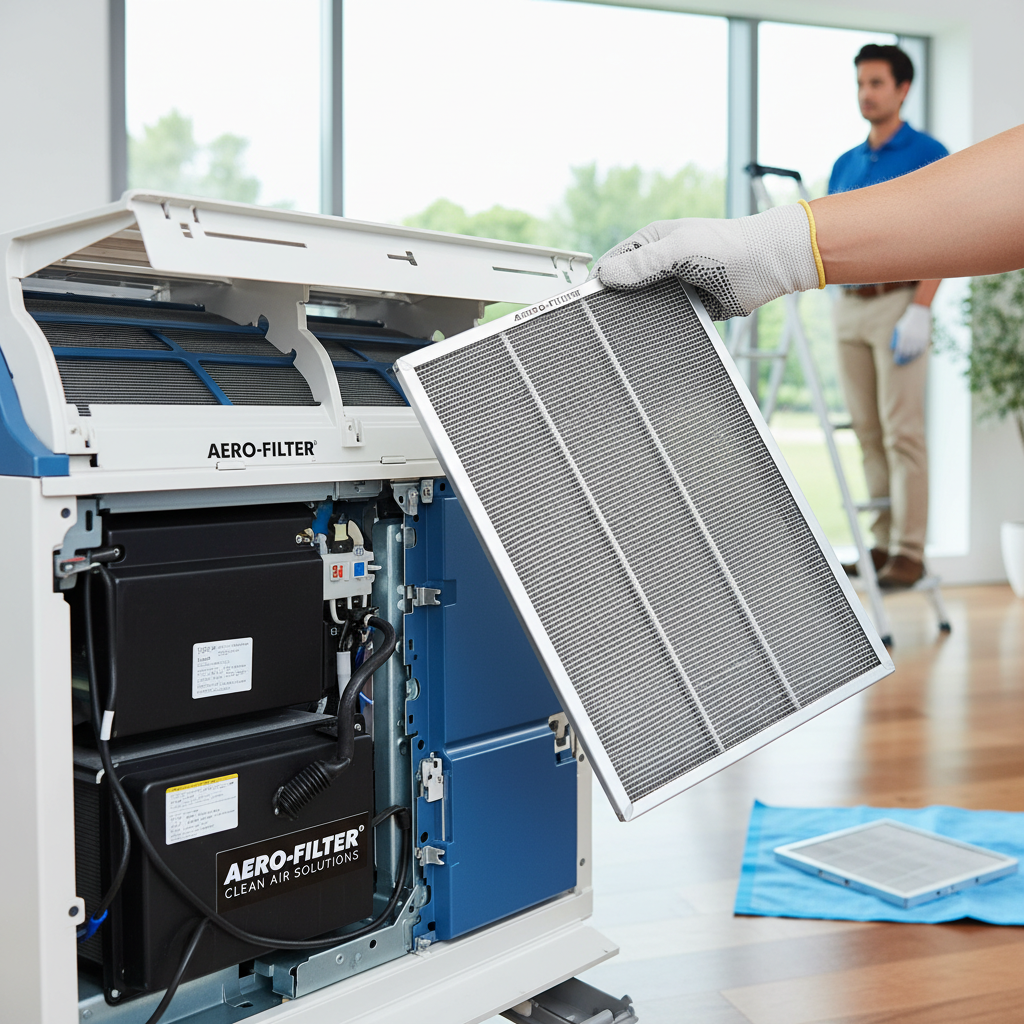
- Installation is usually straightforward and compatible with most HVAC and industrial filtration units, but professional assessment is recommended to ensure optimal fit and function.
Wrapping Up: Why the Stainless Mesh Air Filter Is Worth Your Attention
It’s fascinating how a simple metal mesh matrix plays such a big role in making air safer and cleaner worldwide. Stainless mesh air filters aren’t just industrial paraphernalia—they’re a reliable, sustainable, and adaptable solution uniquely suited to today’s environmental, economic, and social challenges.
If you want to explore how stainless mesh filters can fit into your industry’s air quality goals or upgrade your facility’s filtration system, visit our website: stainless mesh air filter.
After all, breathing well is something we all share, no matter where we are.
References
Post time: Nov-25-2025