Why Stainless Steel Mesh Screen Filters Matter in Today’s World
If you pause for a moment and think about the last time you trusted clean water, pure air, or a smooth-running machine, you’ve already benefited from a stainless steel mesh screen filter. These hefty little heroes are everywhere, silently keeping impurities at bay, filtering out unwanted particles, and ensuring systems run smoothly. Their global importance cannot be overstated – from industrial manufacturing plants to humanitarian water projects in remote regions, stainless steel mesh filters are a backbone technology.
Understanding their core benefits — durability, efficiency, versatility — can make a huge difference when choosing the right filtration solution. Plus, as industries move towards sustainability and automation, these filters are evolving, too.
The Global Landscape: Why Stainless Steel Mesh Screen Filters Are in Demand
The world is pushing hard for cleaner, safer, and more sustainable industrial processes. According to the International Organization for Standardization (ISO), hundreds of manufacturing and environmental standards rely heavily on robust filtration technologies. The global water treatment market alone, a key user of metal mesh filters, was valued at over $45 billion in 2023 and is expected to grow steadily.1 Meanwhile, air quality challenges in megacities and industrial zones have raised demand for precise particulate filtration.
Which raises the problem these filters solve: How do you reliably separate microscopic debris from liquids or gases, often in harsh or fluctuating environments? Enter stainless steel mesh screen filters—providing a solution that balances strength, chemical resistance, and precision.
Getting to the Point: What Is a Stainless Steel Mesh Screen Filter?
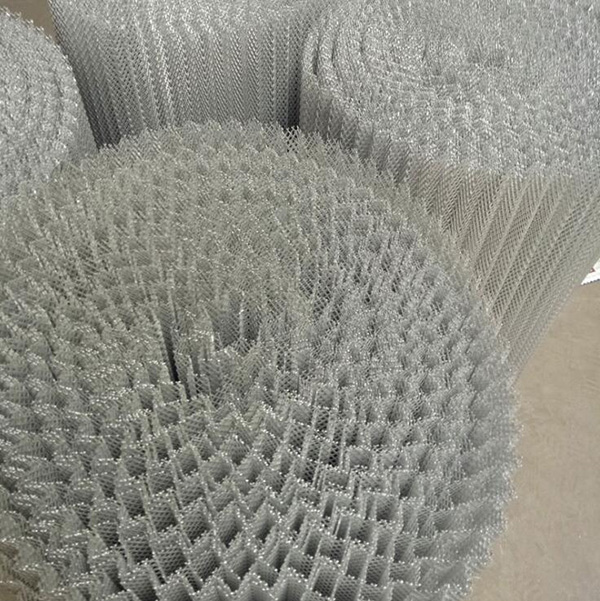
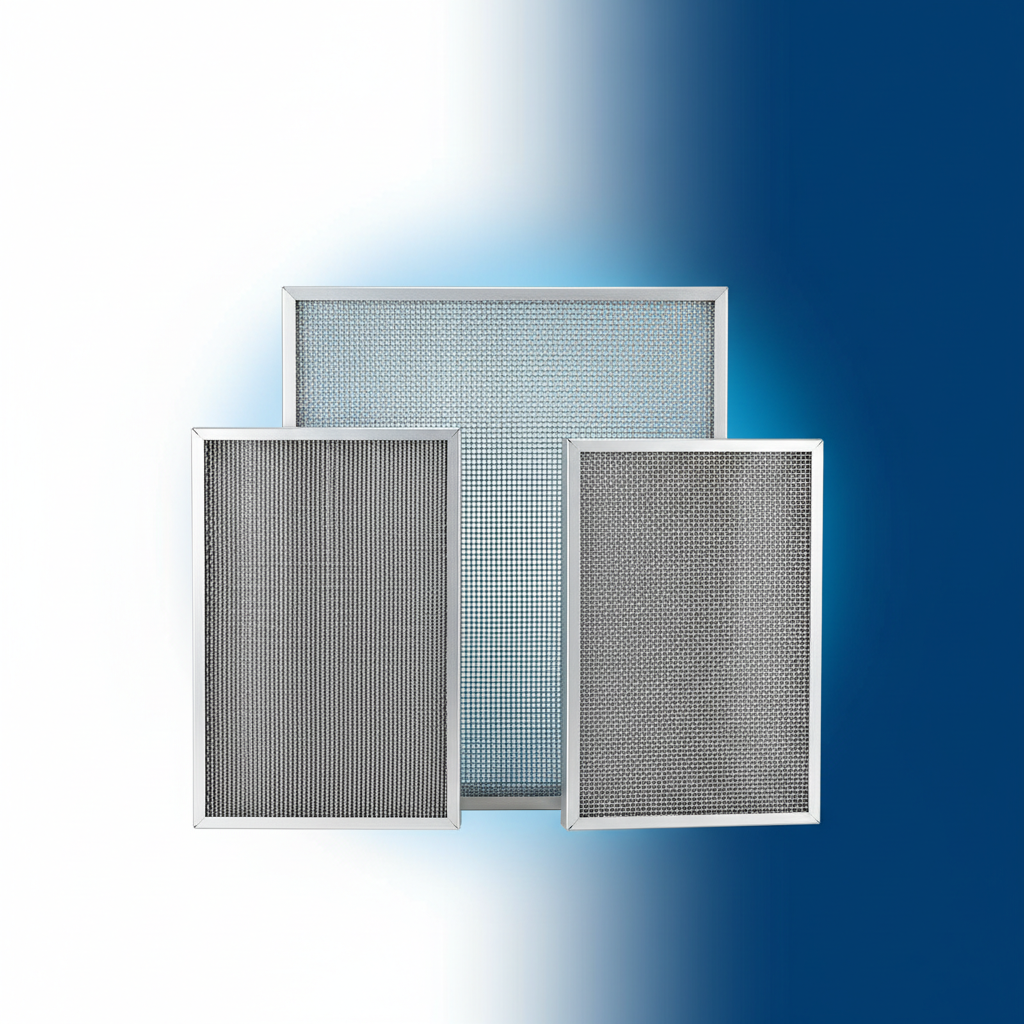
Simply put, a stainless steel mesh screen filter is a woven or perforated metal sheet made from stainless steel, designed to sieve or screen out particles from liquids or gases passing through it. Think of it as a high-tech sieve, engineered for heavy-duty and repetitive use. It's much more than your typical kitchen strainer — these are tailored to meet exacting industrial standards, often customized by wire diameter, mesh count, and weave style.
Its value spans from filtering contaminants in drinking water, petroleum, and food processing plants to protecting sensitive machinery or HVAC systems by trapping dust and debris. In humanitarian contexts, portable water filters using stainless steel mesh improve access to safe drinking water, particularly in post-disaster zones.stainless steel mesh screen filter
Key Qualities That Make Stainless Steel Mesh Filters Indispensable
1. Durability and Corrosion Resistance
Stainless steel, due to its alloy composition with chromium, offers excellent resistance to rust and chemical attacks. This means filters last longer even in acidic, saline, or high-moisture environments. I noticed in oil refineries how often plain metal filters get replaced compared to stainless mesh, which hold up, saving downtime and costs.
2. Precision and Customizability
You can tailor these meshes with wire diameters from microns to millimeters and adjust mesh counts for filtering everything from sand to bacteria-sized particles. The adaptability ensures the filter meets exact specifications required by a project or equipment.
3. Heat and Pressure Tolerance
Whether it’s a high-temperature gas stream or pressurized fluid, these filters maintain integrity without warping or degradation. Frankly, many engineers say this is why stainless steel mesh outperforms plastic or fabric filters when robustness is key.
4. Easy Maintenance and Cleanability
Meshes can often be back-flushed or cleaned with simple processes, extending use life — a vital feature in industries where filter replacement is costly or disruptive. This also supports sustainability goals by reducing waste.
5. Cost Efficiency Over Time
Initial costs may be higher than some alternatives, but their longevity, reusability, and performance deliver real savings over extended use.
Mini Takeaway: Durability, precision, and adaptability combined make stainless steel mesh screen filters a go-to choice for demanding applications.
Where in the World Are These Filters Changing the Game?
Their reach is vast and diverse. In Europe and North America, they're heavily used in petrochemical refineries and automotive industries, ensuring cleanliness in fuel lines and air intake systems. Meanwhile, in developing regions — say, Southeast Asia or Sub-Saharan Africa — these filters help NGOs build reliable safe water systems, contributing to public health and environmental resilience.2
In mining regions of Australia and Canada, stainless steel mesh filters prevent abrasive particles from stripping machinery, reducing costly repairs. Oddly enough, even in space exploration, mesh screens made from stainless steel alloys are employed in filtering fuels and gases.
Post-natural disasters like floods or earthquakes, portable filtration units with stainless steel meshes have provided local communities with dependable clean water sources. These use cases highlight the filter’s importance beyond pure industry — touching human survival.
Examining the Advantages and Long-Term Benefits
- Cost Savings: Prolonged lifespan reduces frequent replacements.
- Environmental Sustainability: Reusable metal reduces landfill waste vs disposable media filters.
- Safety and Trust: Reliable filtering improves health outcomes and industrial safety.
- Innovation Ready: Compatible with next-gen smart filtration systems that monitor flow and clogging digitally.
- Operational Reliability: Consistent performance = fewer shutdowns and maintenance headaches.
Above all, it’s about providing dignity and security — whether to factory workers or disaster survivors — by ensuring clean air and water. I think we often overlook these emotional elements when talking tech, but they’re just as real.
Product Specifications: A Typical Stainless Steel Mesh Screen Filter
| Specification | Typical Range / Value | Notes |
|---|---|---|
| Material Grade | 304, 316, 316L Stainless Steel | 316/316L recommended for corrosive environments |
| Mesh Count | 20 – 400 mesh (microns to mm scale) | Higher mesh = finer filtering |
| Wire Diameter | 0.02 – 1 mm | Affects strength and flow rate |
| Operating Temperature | -200°C to 800°C | Suitable for extreme industrial conditions |
| Pressure Rating | Up to 40 bar (600 psi) | Depends on filter housing |
Comparing Leading Stainless Steel Mesh Screen Filter Vendors
| Vendor | Specialty | Global Reach | Customization | Average Lead Time |
|---|---|---|---|---|
| Anyafilter Media | High precision nano to macro meshes | Global (30+ countries) | Full design support & bespoke sizes | 3-4 weeks |
| SteelMesh Solutions | Industrial-scale bulk orders | Primarily Europe & NA | Standardized products, limited variants | 2-3 weeks |
| Global Filter Corp | Hybrid media filters (plastic+metal) | Worldwide | Moderate customization options | 4-6 weeks |
Looking Ahead: Innovations on the Horizon
Future trends are exciting. Nanotechnology is enabling extremely fine stainless steel meshes that filter virus-sized particles — potentially revolutionizing air purification in hospitals and public buildings. Automation is getting smarter, with embedded sensors that track clogging and degradation in real time, reducing maintenance downtime. Also, green manufacturing processes are cutting the carbon footprint of producing these filters.
Materials science is even working on hybrid stainless steel meshes that resist biofilm formation or self-clean with minimal intervention. This means lower costs and safer environments. And I suspect regulatory pressures around environmental safety will continue pushing innovation to meet ever-tighter filtration standards.
Common Challenges and How Industry Is Solving Them
No tech is flawless. Stainless steel mesh filters do face challenges such as:
- Initial Cost: Higher upfront price compared to polymer or fabric filters.
- Clogging Risk: Fine meshes can get blocked in dusty or oily conditions.
- Weight and Rigidity: Less flexible compared to other filter media.
Industry experts recommend combining stainless steel mesh with pre-filtration stages or self-cleaning mechanisms. For cost, manufacturers provide tailored leasing or maintenance contracts to ease capital expenditure. I’ve seen onsite training programs reduce improper handling, extending filter life significantly.
FAQ: Stainless Steel Mesh Screen Filter Essentials
- What distinguishes stainless steel mesh filters from plastic alternatives?
- They offer superior chemical resistance, heat tolerance, and longevity, making them ideal for heavy-duty industrial use. Plastic filters might degrade faster under harsh conditions.
- How often should these filters be cleaned or replaced?
- Cleaning frequency depends on application and environment. Industrial setups often clean weekly or monthly by back-flushing, with replacements every 3–5 years if maintained properly.
- Can stainless steel mesh filters handle very fine particles like viruses?
- Advanced meshes with very high mesh counts can filter down to sub-micron levels, suitable for bacteria and some viruses. For complete virus filtration, they are often paired with other filtration techniques such as HEPA filters.
- Are these filters eco-friendly?
- Yes, their reusability means less waste compared to disposable filters. Plus, stainless steel is recyclable, so environmental impact is lower across the filter’s life cycle.
- How can companies source custom stainless steel mesh screen filters internationally?
- Many vendors, like Anyafilter Media, offer global shipping and customization services. It’s best to consult vendors early to specify requirements and lead times.
Wrapping It Up: The Long-Term Value of Stainless Steel Mesh Screen Filters
All things considered, investing in quality stainless steel mesh screen filters is a solid move for anyone aiming to optimize filtration systems, lower life-cycle costs, or improve environmental and social outcomes. Their proven durability combined with cutting-edge innovation keeps them a relevant and smart choice worldwide.
Whether you're upgrading an industrial plant, designing a water purification system for rural communities, or working to meet stricter environmental standards, these filters deliver performance and peace of mind.
Curious to learn more or shop for the right stainless steel mesh screen filter? Visit our website today: https://www.anyafiltermedia.com.
References
Post time: Nov-26-2025