Fire Retardant Paper Sheets: What They Are and Why They Matter Globally
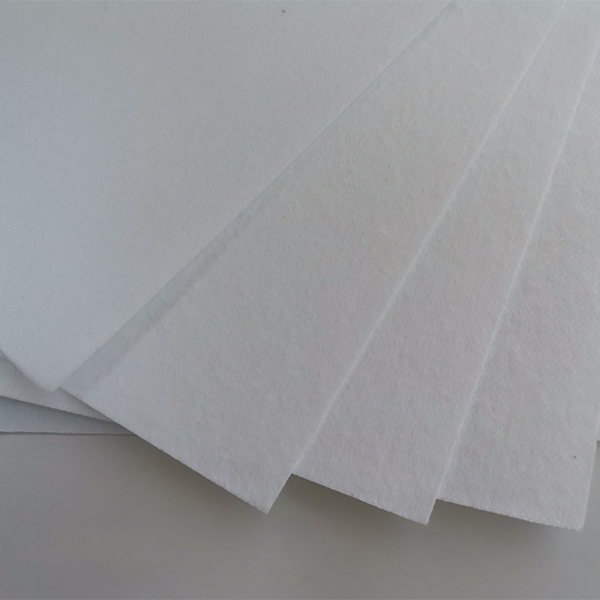
Imagine a lightweight material that can help save lives by preventing the rapid spread of fire in shelters, packaging, and even industrial settings. Fire retardant paper sheets are exactly that—paper treated or engineered to resist ignition and slow down flames. Oddly enough, despite sounding like a simple product, they play a crucial role worldwide, especially in regions prone to disasters or where safety codes are increasingly stringent.
Globally, fire safety is not just about preventing property damage; it’s about protecting vulnerable populations, preserving resources, and supporting sustainable manufacturing. Understanding how these sheets work and where they are used opens a window into combining traditional materials like paper with modern fire engineering—an intersection more important than many realize.
Why Fire Retardant Paper Sheets Are So Relevant Today
Statistically, fire causes millions of casualties and billions of dollars worth of damage every year. The United Nations estimates that climate change and urban sprawl increase fire risks globally, making fire retardant materials increasingly vital.
Plus, rising sustainability standards mean industries want fire-resistant materials without adding heavy synthetics or plastics. This is where fire retardant paper sheets become an attractive option—they combine biodegradability with safety.
What Are Fire Retardant Paper Sheets?
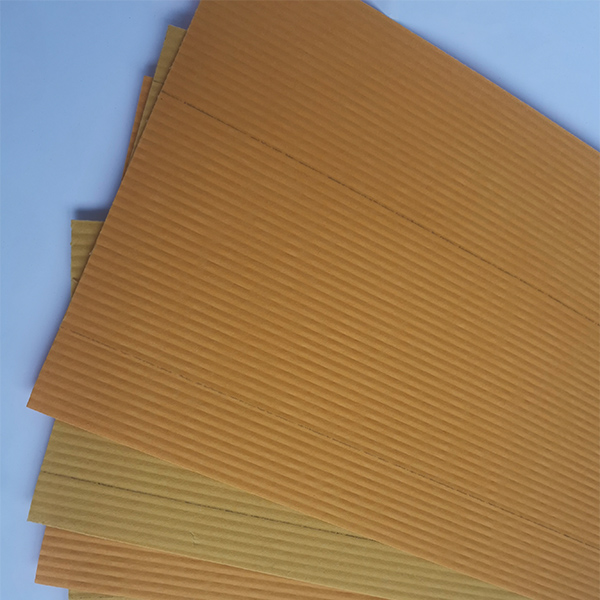
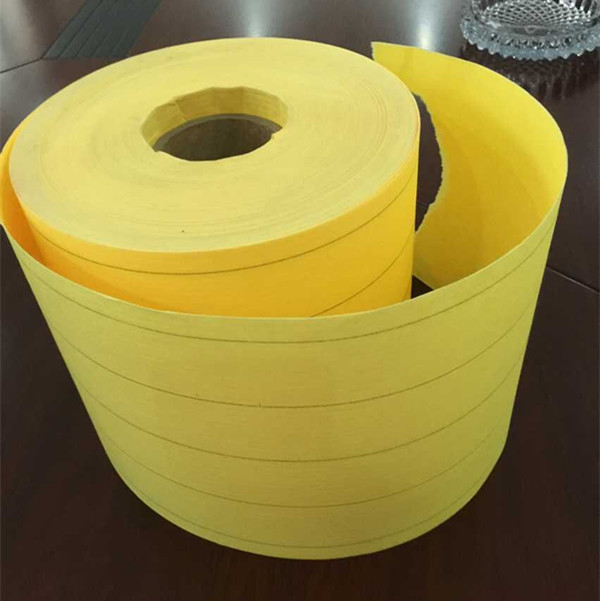
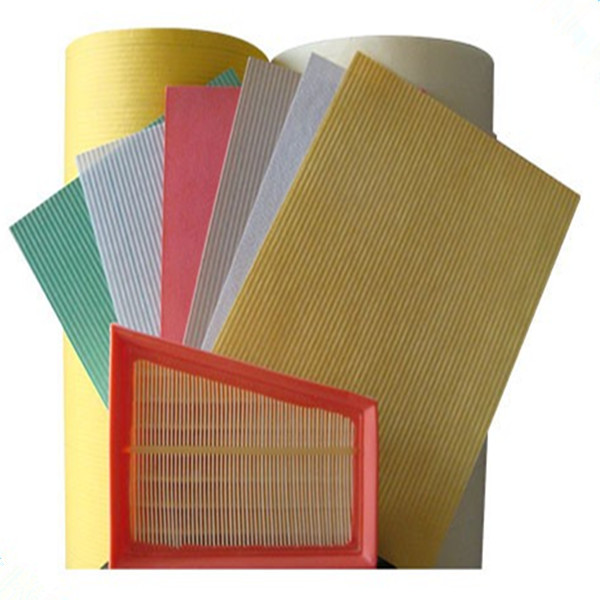
At its simplest, these sheets are paper products specifically treated or manufactured with additives that resist ignition and flame spread. You won’t find typical office paper working for this purpose. Instead, these sheets often incorporate chemicals like ammonium polyphosphate or specialized coatings that make them less likely to catch fire or spread flames quickly.
They’re a bridge between old-school paper technology and modern fire-safety demands in construction, packaging, and humanitarian sectors.
Key Components Driving Functionality
- Durability: These sheets are designed to stay intact in humid or challenging environments while resisting combustion.
- Scalability: Manufacturers can produce them in large volumes, enabling use in everything from temporary shelters to industrial packaging.
- Cost Efficiency: When compared to composite fireproof boards or metals, fire retardant paper is often more affordable.
- Eco-friendliness: Many versions use recyclable or biodegradable fibers plus non-toxic flame retardants.
- Compliance: They meet global safety standards such as ISO 5660 or ASTM E84, ensuring they’re legitimate fire barrier materials.
Mini Takeaway:
Fire retardant paper sheets provide a surprisingly strong yet lightweight defense against fire, with versatility and sustainability baked in.
Global Applications & Real-World Use Cases
Realistically, these sheets aren’t just a niche product. In post-disaster relief operations—think earthquake or wildfire zones—quick-deploy shelters often use fire retardant paper as walls or roofing material. It buys precious time during accidents and prevents spread in cramped living conditions.
Industrial zones in remote areas deploy packaging made from these sheets to protect sensitive materials from fire hazards, enhancing worker safety.
Additionally, countries with stringent fire codes in construction, like Japan and parts of Europe, increasingly specify fire retardant paper panels in interior walls, decorative elements, and insulation.
Mini Takeaway:
The widespread application right across industries and continents shows how these sheets have become a global fire safety solution.
Advantages and Long-Term Value
The tangible benefits speak volumes. For starters, they improve safety without adding bulk—a key for transport and installation logistics. From an emotional standpoint, they help protect lives and property, providing a sense of trust among end users, especially in vulnerable communities.
In terms of sustainability, these sheets reduce reliance on heavy metals or plastics traditionally used for fire protection, aligning with global moves toward greener economies.
And because they’re comparatively cost-effective, businesses and humanitarian organizations can scale up their use without breaking budgets.
Product Specification Table
| Specification | Details |
|---|---|
| Base Material | Recycled cellulose fibers |
| Flame Retardant Additive | Ammonium polyphosphate (APP) |
| Thickness | 0.3 - 0.6 mm |
| Fire Rating | Class B1 (as per DIN 4102) |
| Moisture Resistance | Up to 70% relative humidity |
| Eco Compliance | 100% recyclable & non-toxic |
Vendor Comparison: Top Fire Retardant Paper Sheet Suppliers
| Vendor | Fire Rating | Eco Credentials | Typical Use | Price Range (per m²) |
|---|---|---|---|---|
| SafePaper Inc. | Class B1 | 100% recyclable | Industrial & packaging | $12 - $18 |
| EcoFlame Papers | Class B2 | Biodegradable | Temporary shelters | $10 - $15 |
| FlameGuard Materials | Class A | Low-VOC certified | Construction panels | $20 - $25 |
Looking Ahead: Innovations in Fire Retardant Paper Sheets
- Bio-based Flame Retardants: Using plant-derived chemicals to replace synthetic additives, enhancing biodegradability.
- Smart Coatings: Incorporating temperature-sensitive materials that activate additional fire protection when heat rises.
- Digital Integration: Embedding sensors in sheets for early fire detection in industrial or shelter setups.
- Regulatory Advances: New international standards tighten requirements, pushing vendors to improve product performance and safety.
Mini Takeaway:
The future’s bright for fire retardant paper sheets, particularly with greener materials and smarter functionalities.
Challenges and Practical Solutions
Despite their upsides, fire retardant paper sheets face issues like:
- Durability Limits: Some sheets struggle under extreme moisture or mechanical stress.
- Cost Barriers: Higher-grade fire retardant papers sometimes cost more than conventional options.
- Regulatory Variation: Different countries have varying compliance requirements, complicating global use.
Experts suggest tailored blends of fibers and multilayer approaches can boost robustness. Also, working with specialized suppliers to customize sheets helps meet diverse needs. Fire retardant paper sheets made with adaptability in mind often deliver the best performance.
FAQ: Your Questions About Fire Retardant Paper Sheets Answered
- Q: How do fire retardant paper sheets differ from regular paper?
- A: They include special additives or coatings that reduce flammability and slow flame spread, making them much safer under fire conditions.
- Q: Can these sheets be recycled or composted?
- A: Many fire retardant papers use non-toxic components, allowing recycling and, in some cases, composting—always check product specs.
- Q: Are these sheets suitable for long-term construction use?
- A: Yes, especially grades with high fire ratings and moisture resistance. However, environmental exposure should be considered.
- Q: How do I ensure compliance with local fire safety standards?
- A: Consult local building codes and request certification documentation from suppliers. Many vendors list ISO or ASTM certifications.
- Q: Where can I buy fire retardant paper sheets in bulk?
- A: Suppliers like SafePaper Inc. or EcoFlame Papers offer bulk orders. Contact them directly or visit our site for sourcing advice.
Final Thoughts and Call to Action
Fire retardant paper sheets represent a smart, practical blend of safety, sustainability, and affordability. Whether for quick-deploy shelters, industrial packaging, or innovative construction materials, their role in enhancing fire safety worldwide is undeniable.
If you’re interested in learning more, sourcing these materials, or seeing how they might fit your projects, don’t hesitate—visit https://www.anyafiltermedia.com today. There's no better time to explore safer, greener options.
It feels like fire retardant paper sheets are quietly becoming heroes of modern fire safety—light but powerful shields in an unpredictable world.
References
Post time: Dec-05-2025