Flame Resistant Paper: A Practical Perspective From the Industrial Trenches
Having spent well over a decade in the industrial equipment sector, I’ve come across quite a few materials that promise the world and then some. Flame resistant paper is one of those niche products that sounds almost contradictory at first—paper, yet flame resistant? Yet, for those of us who deal with demanding environments where fire risks are more than just theoretical, this stuff is surprisingly vital.
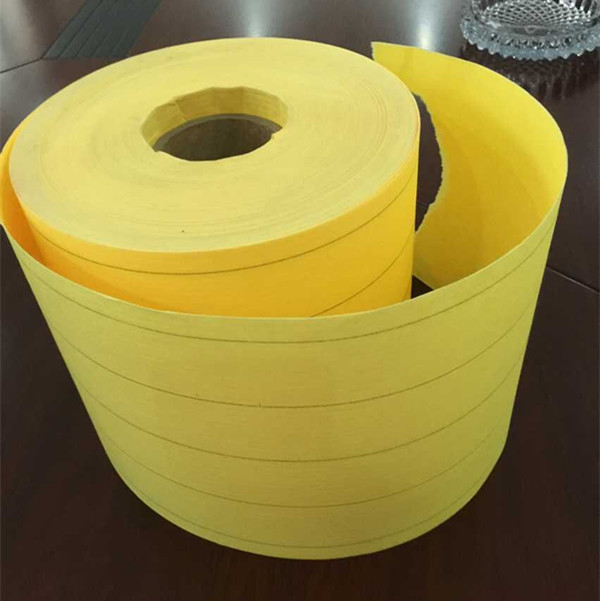
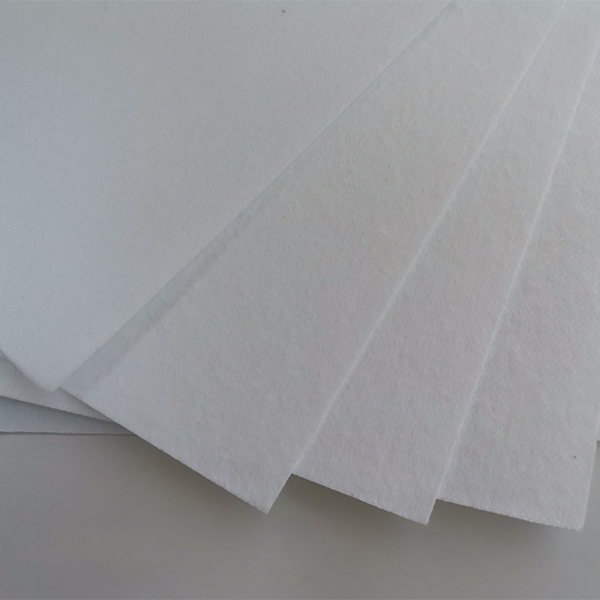
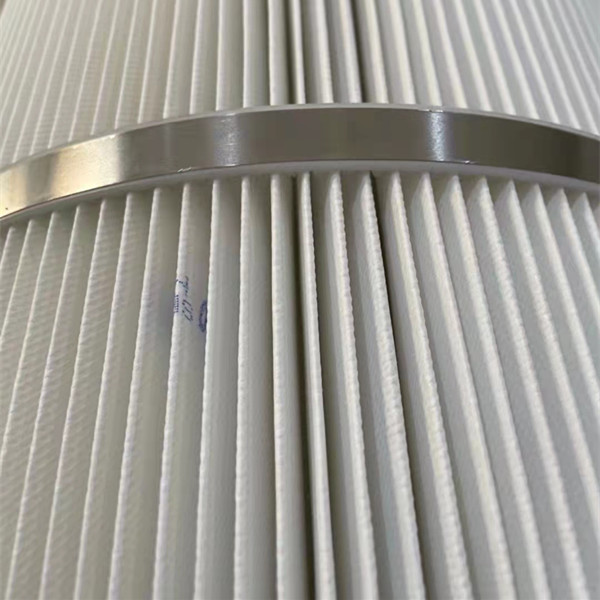
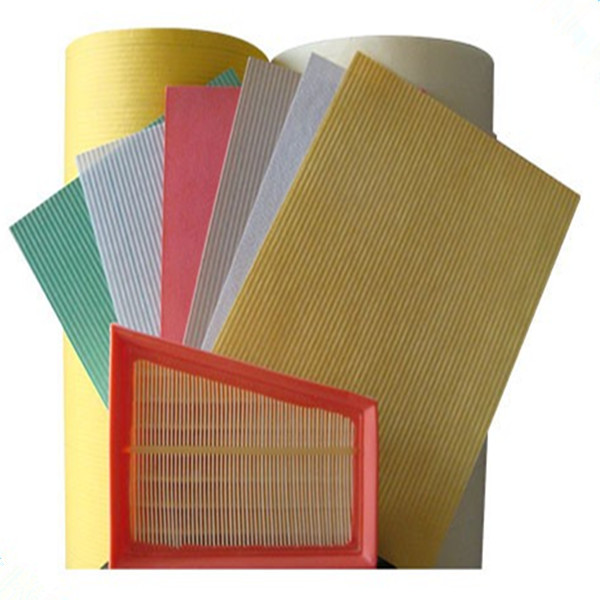
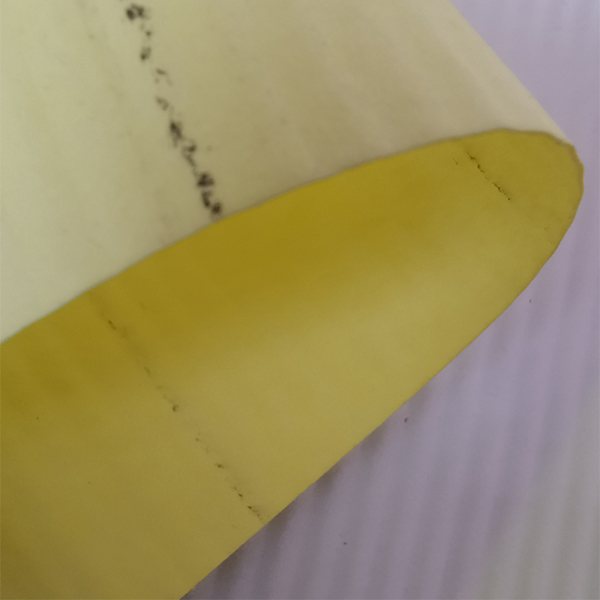
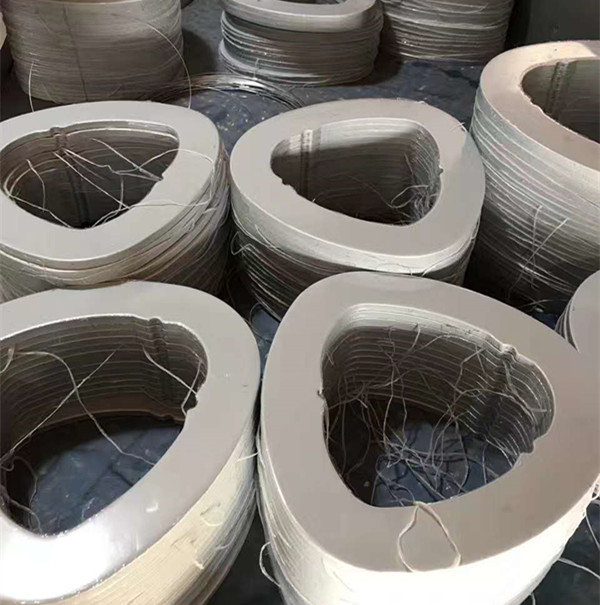
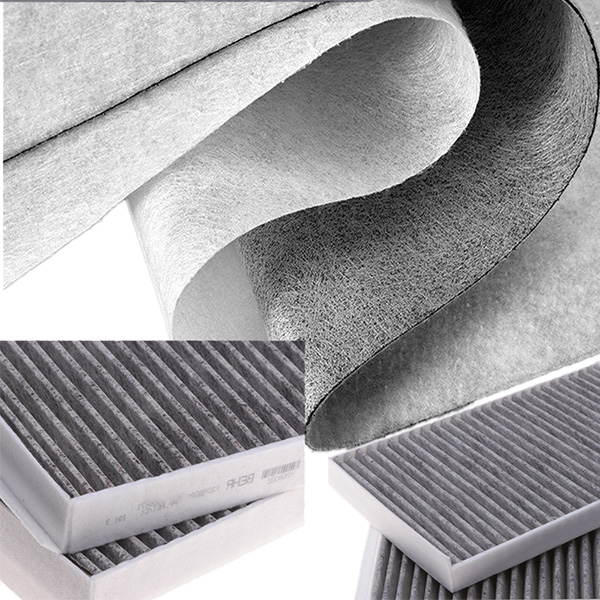
Oddly enough, flame resistant paper isn’t your everyday office stationery. Instead, it’s a highly specialized material engineered to maintain its physical integrity and resist ignition under specific thermal conditions. It’s commonly used in insulation, filtration, and protective packaging for sensitive equipment where sparks or short bursts of heat could cause damage—or worse, a disaster.
In real terms, what makes flame resistant paper different from regular paper is not just a coating or a single treatment. It’s often a blend of carefully selected natural and synthetic fibers, sometimes combined with minerals or chemicals like boric acid or ammonium phosphate, which suppress flames and prevent easy burning. I’ve noticed that this combination leads to a product that performs well, even under tough industrial testing.
Key Specs of Typical Flame Resistant Paper
| Property | Typical Specification |
|---|---|
| Basis Weight | 70 - 150 gsm |
| Flame Retardancy Rating | UL 94 V-0 or equivalent |
| Temperature Resistance | Up to 200°C continuous |
| Thickness | 0.07 - 0.2 mm |
| Chemical Resistance | Moderate (depends on formulation) |
| Customization Options | Coating, color, density, sheet size |
I remember the first time I saw flame resistant paper in action – it was at a large-scale power plant upgrade. The engineers were worried about fiberglass filters catching fire during a surge event. The swap to this special paper was simple in concept but effective: it helped reduce downtime, ensured safety, and frankly, cut costs associated with fire damage repairs.
Testing protocols like UL 94 and ASTM E84 are the usual yardsticks to measure flame resistance. The paper passes these by self-extinguishing quickly after a flame source is removed, which is crucial. Many engineers I’ve worked with either trust these certifications blindly or scrutinize the lab results carefully before specifying the paper for critical jobs. I tend to fall somewhere in the middle — trust but verify, especially considering the severe conditions where these materials must perform.
Comparing Flame Resistant Paper Vendors
| Feature | Anya Filter Media | Vendor B | Vendor C |
|---|---|---|---|
| Flame Resistance Certification | UL 94 V-0 | UL 94 HB | ASTM E84 Class A |
| Customization | Wide (coatings, thickness, color) | Limited | Standard options only |
| Typical Lead Time | 2-3 weeks | 4-5 weeks | 2-4 weeks |
| Bulk Pricing Options | Yes, tiered discounts | No | Limited |
| Support & Consultation | Dedicated technical support | Basic | None |
One thing I've come to appreciate over the years is the value of good vendor support. It’s not just about the specs on paper (pardon the pun) but the partner who backs it up. I’ve found Anya Filter Media particularly solid—responsive, willing to customize, and transparent about test results. When you’re ordering flame resistant paper for safety-critical applications, that kind of trust matters more than a dollar saved on the purchase price.
To sum it up, flame resistant paper might initially seem like an oddball product in your industrial materials list, but its role is crucial. It’s one of those under-the-radar components that quietly keeps plants safer, equipment protected, and compliance ticking along without a hitch. Of course, always remember to confirm your supplier’s certifications and trial the product in your actual conditions where you can. What worked on paper might still surprise you—but in a good way, hopefully.
If you’re looking for flame resistant paper that strikes a balance between performance and service, give the linked supplier a look. I suppose everyone should have a product like this in their back pocket—just in case the sparks start to fly.
References:
- UL 94 Standard for Safety of Flammability of Plastic Materials
- ASTM E84 – Standard Test Method for Surface Burning Characteristics
- Industry anecdotal records and site visits 2010-2023
Post time: Dec-04-2025