Fire Retardant Wrapping Paper: Behind the Scenes in Industrial Safety
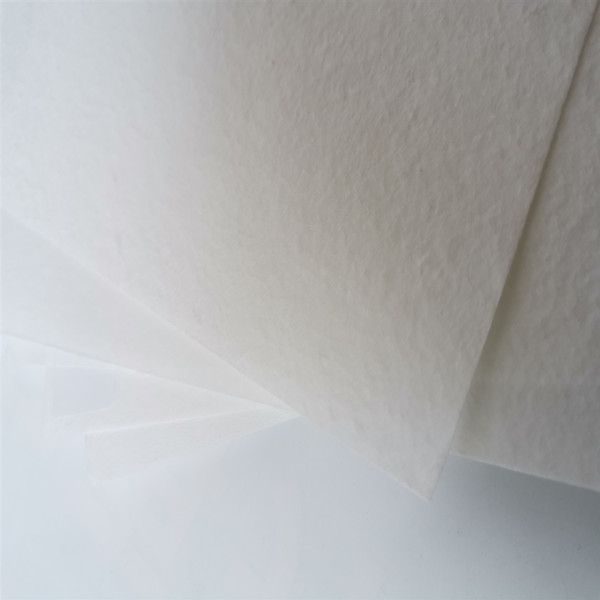
After spending over a decade working alongside engineers and safety officers in heavy industry, I’ve seen firsthand just how crucial every small detail is when it comes to fire safety. Among those details, fire retardant wrapping paper often flies under the radar — yet it plays a surprisingly vital role in protecting equipment, materials, and sometimes even people.
Now, I know what you’re thinking. Wrapping paper? Sounds a bit delicate for hardcore industrial environments, right? Oddly enough, these papers are engineered with fire resistance qualities that make them perfect for wrapping sensitive items in warehouses, during transport, and even inside manufacturing plants. I suppose it feels counterintuitive until you see one in action.
These papers are usually treated or impregnated with chemicals that slow down ignition or stop flames from spreading quickly — think of them as the silent guardians wrapped around components. Their fire-retardant nature is certified by rigorous testing protocols, which often include ASTM E84 or UL 723 standards, commonly used in industrial specs.
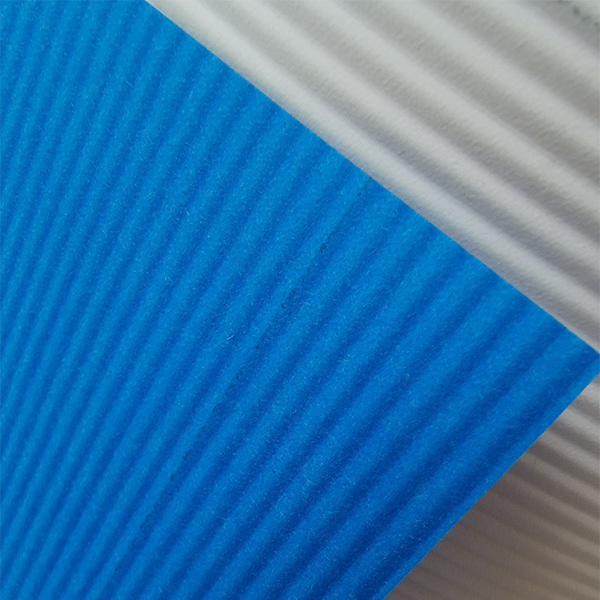
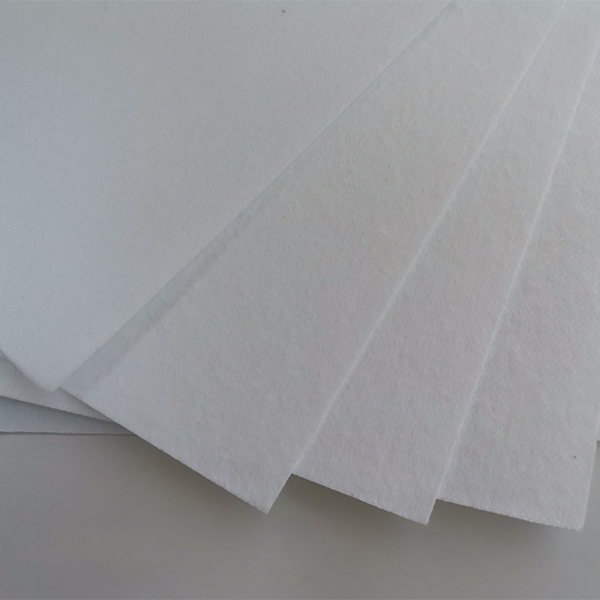
Material-wise, fire retardant wrapping papers often use cellulose fibers blended with additives like phosphorus or boron compounds, and sometimes even mineral-based treatments. The challenge — from my experience — is balancing fire resistance with flexibility and tensile strength. You want wrapping paper that doesn’t tear easily but also doesn’t combust readily under heat stress. It’s not an easy engineering feat.
Customization options abound, too. Many manufacturers offer thicknesses ranging from 40 to 120 gsm (grams per square meter) and can add water-resistant coatings or anti-static treatments depending on your industry needs — electronics, chemical, or food packaging sectors each have slightly different requirements.
And here’s a fun little story: a client I worked with in the petrochemical sector was struggling with regular packaging fires caused by accidental spark exposure during nighttime loading shifts. They switched to a thicker fire retardant wrapping paper with a special boron treatment — suddenly those minor flare-ups reduced drastically. Safety officers sent back a note saying it was “a simple fix, but worth its weight in gold.” Makes you appreciate the small stuff.
| Property | Value |
|---|---|
| Material | Cellulose fiber + boron/phosphorus treatment |
| Thickness | 40 – 120 gsm |
| Fire Safety Rating | Complies with ASTM E84 Class A |
| Tensile Strength | Up to 45 N/cm MD (Machine Direction) |
| Moisture Resistance | Optional water-resistant coatings available |
| Roll Width | 0.5 – 1.5 meters |
In terms of market options, I’ve worked with a handful of suppliers ranging from large multinational producers to regional specialty manufacturers. To give you a clearer picture, here’s a quick rundown comparing three notable vendors:
| Vendor | Materials Used | Customization | Typical Applications | Price Range |
|---|---|---|---|---|
| AnyFilter Media | Cellulose + boron-based treatment | Thickness, coating, roll size | Industrial packaging, electronics | $$$ (mid-range) |
| FlameSafe Corp | Mineral-based, inorganic | Limited customization | Chemical, petrochemical industries | $$$$ (premium) |
| SafeWrap Industries | Cellulose + phosphorus additives | Coatings and roll widths | General industrial packaging | $ - $$ (budget) |
One last thought: before selecting a fire retardant wrapping paper, check your operational environment’s exact needs, including temperature ranges, chemical exposures, and regulatory requirements. It’s a mini science — matching paper to purpose, if you will.
Frankly, though, trusting vendors with strong testing documentation alongside flexible customization can save you a lot of headaches. I noticed companies that skimp on this often end up with wasted material or worse — fires. So the extra effort upfront pays off.
All in all, fire retardant wrapping paper might sound like a niche product, but in real terms, it’s a quietly effective part of industrial safety — a detail worth remembering when you’re juggling compliance, cost, and onsite risk.
Stay safe out there!
References:
- ASTM E84 - Standard Test Method for Surface Burning Characteristics of Building Materials
- UL 723 - Test for Surface Burning Characteristics of Building Materials
- Fire Safety Journal, Vol. 120, 2022 – Advances in Fire Retardant Materials
Post time: Dec-05-2025