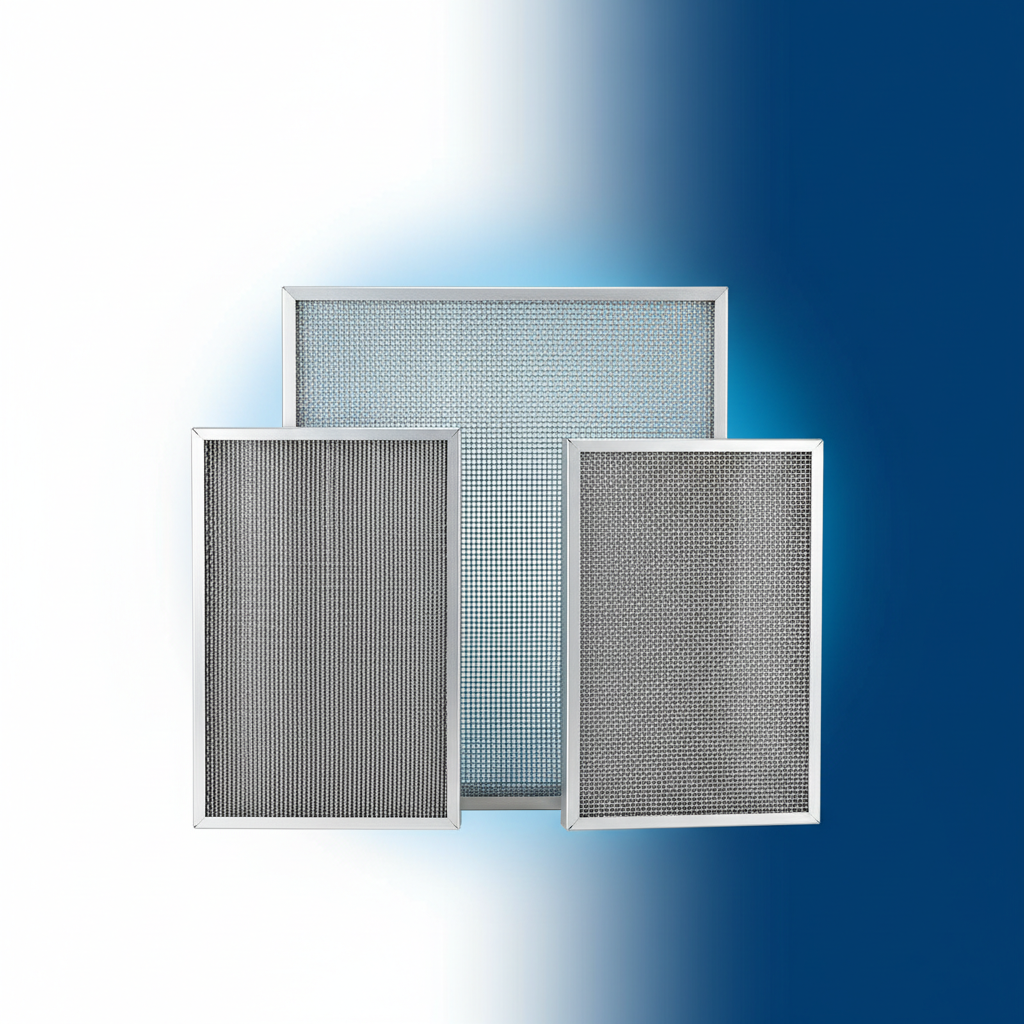
An Introduction to Filter Accessory: Why It Matters Today
When we talk about filter accessory, it might initially sound like a niche component in some industrial setup. But in reality, these tiny parts pack a punch—touching industries from water purification to air filtration, automotive engines, and beyond. Globally, clean air and water are becoming paramount concerns. According to the World Health Organization, over 4 million premature deaths each year are linked to indoor air pollution alone. Filter accessories, though less glamorously discussed, underpin technologies fighting this crisis.
Understanding the types, applications, and benefits of filter accessories helps industries innovate and save resources while contributing to public health and sustainability. So stick around, because what seems like a small piece might stir some big ideas.
Filter Accessory in a Global Context: Tackling Pollution and Resource Scarcity
To get a sense of scale: the United Nations has flagged water and air quality as critical Sustainable Development Goals. Industrialization, urban sprawl, and climate change continuously strain natural resources. Filter accessories—think seals, gaskets, adapter fittings, and monitoring sensors—enable filtration systems to operate safely and efficiently worldwide.
Here’s a fun stat: the global filtration industry is projected to surpass $90 billion by 2025 (source: Markets and Markets). The mounting environmental regulations and public demand for cleaner air and water form the core drivers—makes you realize how a seemingly small filter accessory is a vital cog in a vast global machine.
Yet, despite the demand, challenges abound: lack of standardization, material degradation under harsh conditions, and costs related to maintenance. That’s where intelligent accessory design comes in.
What Exactly Is a Filter Accessory?
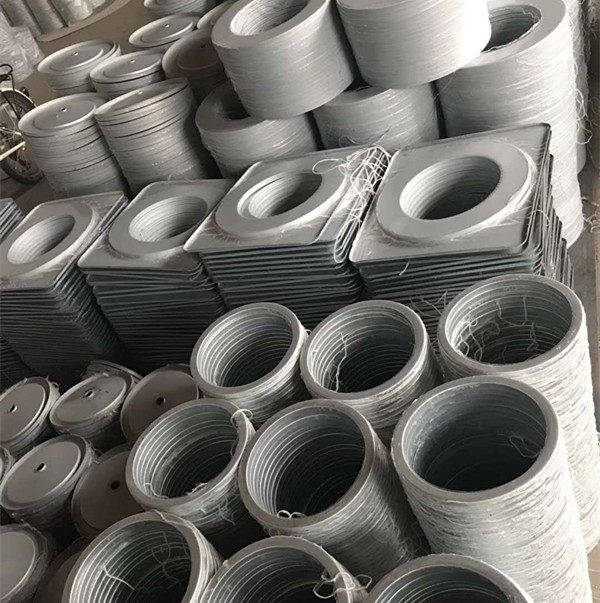
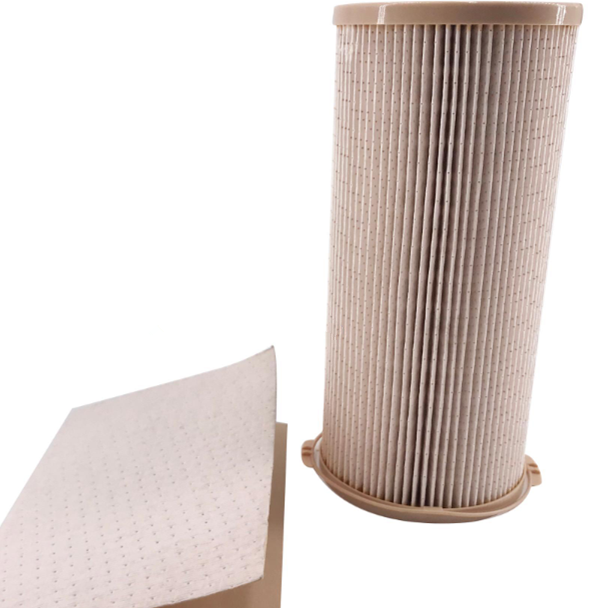
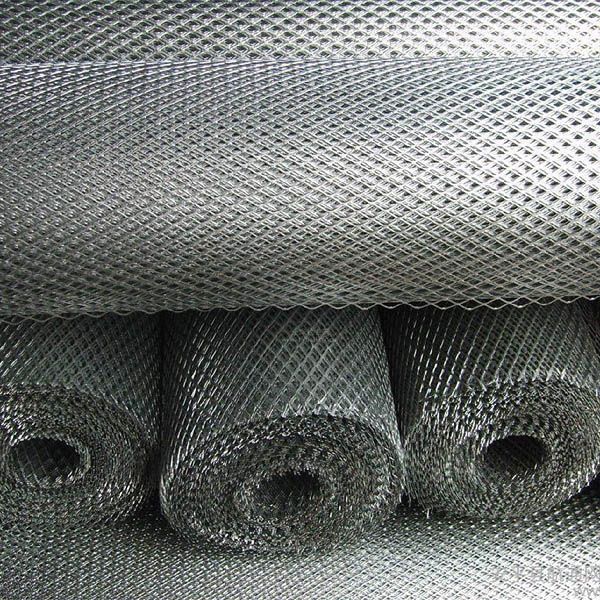
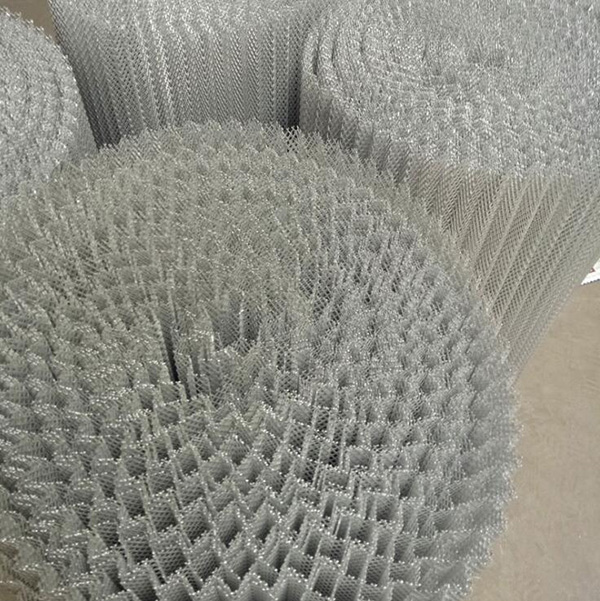
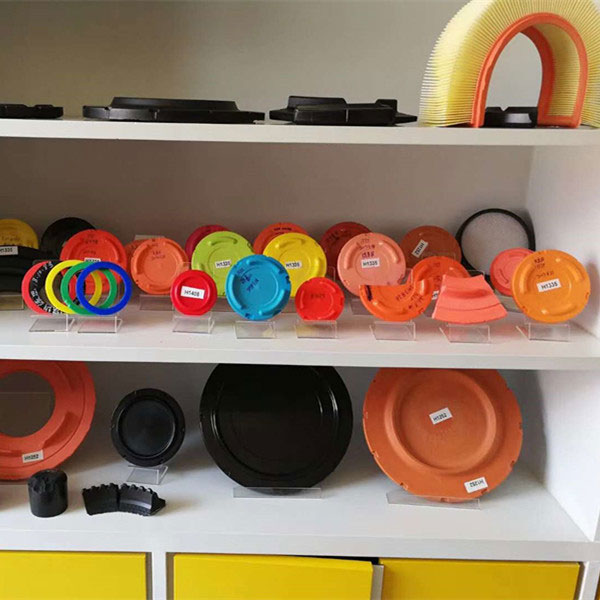
In plain terms, a filter accessory is any supplementary component that supports or enhances the function of a filtration unit but isn’t the filter media itself. Picture a car’s oil filter: the filter media traps particles, but the seal that keeps contaminants out? That’s an accessory. Or imagine industrial air filters—things like housings, clamps, valves, and pressure sensors belong here.
These parts, often overlooked, are essential for maintaining filter integrity, efficiency, and lifespan. In sectors ranging from healthcare and manufacturing to humanitarian aid—for instance, when delivering clean water in disaster zones—the right accessories prevent failures and ensure safe, continuous operation.
Core Aspects of Filter Accessories that Matter
1. Durability
Filter accessories must endure exposure to chemicals, temperature swings, and physical wear. Materials like stainless steel, silicone, and certain polymers are common, balancing strength with flexibility. Frankly, some failures I’ve seen could’ve been avoided if the right materials were selected upfront.
2. Scalability and Compatibility
From tiny lab filters to massive industrial units, accessories should fit diverse models and sizes without requiring expensive retrofits. Modular designs help extend system lifespans and reduce downtime.
3. Cost Efficiency
While it’s tempting to skimp on accessories—thinking “it’s just a gasket”—this can lead to costly leaks or early replacements. Many engineers I’ve spoken to swear by investing in higher-quality accessories: saving money in the long run.
4. Ease of Maintenance
Quick-release clamps or washable seals make routine service less of a headache, especially in remote or high-demand environments like oil rigs or emergency water filtration stations.
5. Smart Monitoring Integration
Some advanced accessories now come with sensors measuring pressure drops or contamination levels—feeding data to maintenance teams in real time. This digital transformation improves reliability and prevents failures before they disrupt operations.
Mini takeaway: It’s not just the filter itself; the accessories often define how well and how long your filtration system runs.
Filter Accessories in Action: Global Use Cases
Across continents and industries, filter accessories play pivotal roles:
- Post-disaster water purification: NGOs installing portable filtration units depend on durable seals and quick-connect fittings to rapidly deploy clean water supplies in refugee camps.
- Industrial manufacturing: Chemical factories often rely on heavy-duty flange fittings and gasket materials resistant to corrosive fluids.
- Automotive sector: Oil and air filter accessories ensure engines run smoothly and meet emission regulations.
- Healthcare facilities: HEPA filter housings and sensor-equipped accessories maintain sterile environments crucial for patient safety.
- Urban air quality control: Smart sensor accessories integrated into building ventilation help track pollution and adjust filtration dynamically.
These examples highlight how filter accessories aren’t just parts; they form the backbone of modern filtration solutions across varied, critical use cases.
Advantages and Long-Term Value of Quality Filter Accessories
Choosing the right accessories yields:
- Cost savings via extended filter life and reduced unplanned maintenance
- Sustainability by minimizing waste—fewer replacements mean less landfill and resource consumption
- Safety and trust as reliable accessories prevent leaks and contamination
- Innovation adoption through smart accessory integration enabling predictive maintenance and automation
On a personal note, I often think about the dignity that clean water and air provide to vulnerable populations. Filter accessories help uphold that dignity by ensuring filtering systems keep working when it matters most.
Future Trends Shaping Filter Accessory Design
Innovation isn’t slowing down. Here’s a glance at what’s up next:
- Eco-friendly materials: Bio-based polymers and recycled metals are entering accessory manufacturing, reducing carbon footprints.
- Digital sensors and IoT: Real-time monitoring accessories enable smarter filtration management, with AI-driven alerts.
- Automation-ready fittings: Designed for rapid assembly and disassembly with minimal manual labor—ideal for remote or hazardous environments.
- Customized 3D-printed components: Rapid prototyping for bespoke accessories matches unique industrial needs faster than ever.
These trends will, I believe, make filter accessories more adaptable, sustainable, and predictive in operation—possibly revolutionizing how filtration is maintained globally.
Common Challenges and How They're Tackled
Some sticking points remain:
- Material degradation: Continuous exposure to harsh chemicals can erode accessories. Solutions involve tougher composites or protective coatings.
- Standardization issues: A lack of universal sizes/standards causes compatibility headaches. Industry groups like ISO are pushing for harmonization.
- Cost pressures: Budget constraints lead to cheaper parts that fail prematurely. Educating buyers on total cost of ownership helps.
With collaboration between manufacturers and users, plus advances in material science, most challenges are steadily surmountable.
Filter Accessory FAQ
Q1: How do I know which filter accessory is right for my industrial application?
A1: Start with your filter type, operating temperatures, and chemical exposure. Consult product specs—like those in the table below—and consider vendor recommendations to match durability and compatibility.
Q2: Can upgrading my filter accessories improve system performance?
A2: Absolutely. Newer accessories with better seals or integrated sensors can reduce leaks and help detect clogging early—saving downtime and costs.
Q3: Are filter accessories standardized?
A3: Not completely. Some parts follow industry standards (ISO, ANSI), but many are proprietary. Verify compatibility before purchase.
Q4: What maintenance do filter accessories require?
A4: Regular inspection, cleaning, and replacing worn parts—as per manufacturer guidelines—are key. Tools like quick-release clamps simplify this.
Example Product Specifications Table
| Accessory Type | Material | Temperature Range | Chemical Resistance | Typical Use |
|---|---|---|---|---|
| Sealing Gasket | Silicone Rubber | -50°C to 230°C | Good (acids, alkalis) | Water Filters, HVAC |
| Quick-Connect Coupling | Stainless Steel 316 | -196°C to 400°C | Excellent (corrosive fluids) | Industrial, Medical |
| Pressure Sensor Module | Polycarbonate housing | -20°C to 85°C | Moderate (depends on enclosure) | Smart Filtration Systems |
Vendor Comparison Table
| Vendor | Product Range | Material Innovation | Pricing | Support & Customization |
|---|---|---|---|---|
| PureFlow Inc. | Extensive—wide filters & accessories | High (silicone & bio-polymers) | Mid-range | Strong, custom options available |
| EcoSeal Solutions | Focused on sustainable materials | Very high (recycled & compostable) | Premium price | Consultative, project-based |
| BudgetFilters Ltd. | Basic inventory, popular models | Standard polymers | Low-cost | Minimal |
Final Thoughts and Call to Action
To wrap it up, filter accessories might seem like small helpers, but they anchor the success and sustainability of filtration systems worldwide. Choosing durable, compatible, and smart accessories makes a world of difference—not just in cost but in health, innovation, and trustworthiness. If you’re serious about filtration, give these components the attention they deserve.
Ready to explore the best filter accessories for your needs? Visit our range of products and expert insights at https://www.anyafiltermedia.com and get filtering with confidence.
References
Post time: Dec-01-2025