The Mini Pleating Machine: A Small Device Making a Global Impact
When you hear the term mini pleating machine, you might picture some tiny device tucked away in a factory corner, quietly folding fabric or paper. But this seemingly simple tool plays a surprisingly large role in global supply chains, medical equipment manufacturing, and even humanitarian aid. Understanding its capabilities and importance can unlock insights into how efficient production and innovation meet pressing needs—from crafting protective gear to enabling lightweight filtration systems.
In this article, we’ll explore why the mini pleating machine matters — not just to manufacturers but to industries worldwide struggling with demands for speed, quality, and customization.
Why Mini Pleating Machines Hold Global Relevance Today
Across industries, the demand for pleated materials has surged, especially in health and environmental sectors. Factories must harness space-efficient, quick-turnaround solutions to keep up with growing populations and their needs.
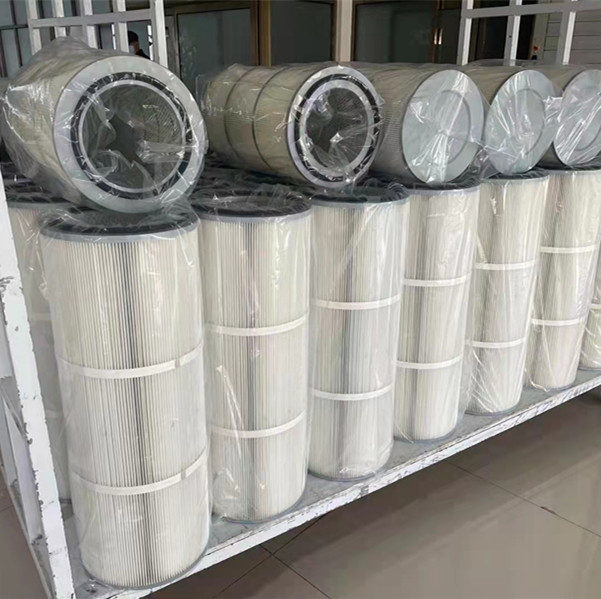
According to ISO standards on pleated filters, the global filter market is projected to reach over $35 billion by 2027, driven largely by increased pollution control efforts and healthcare demands. The mini pleating machine—engineered for agility and compactness—is central to producing pleated elements used in air and liquid filters, masks, HVAC systems, and more.
However, challenges lurk. Large industrial pleating lines are capital-intensive and often unsuitable for smaller batches or experimental materials. This is where mini pleating machines shine—they provide a flexible middle ground allowing manufacturers and even small enterprises to innovate without investing millions upfront.
Mini Takeaway:
- The mini pleating machine addresses the global need for adaptable, cost-effective pleated material production.
- It's particularly critical where speed and precision matter in smaller scale or specialized manufacturing.
What Exactly Is a Mini Pleating Machine?
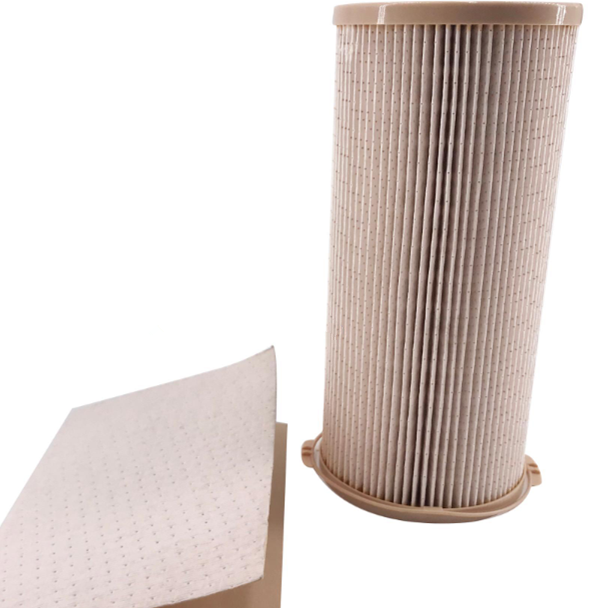
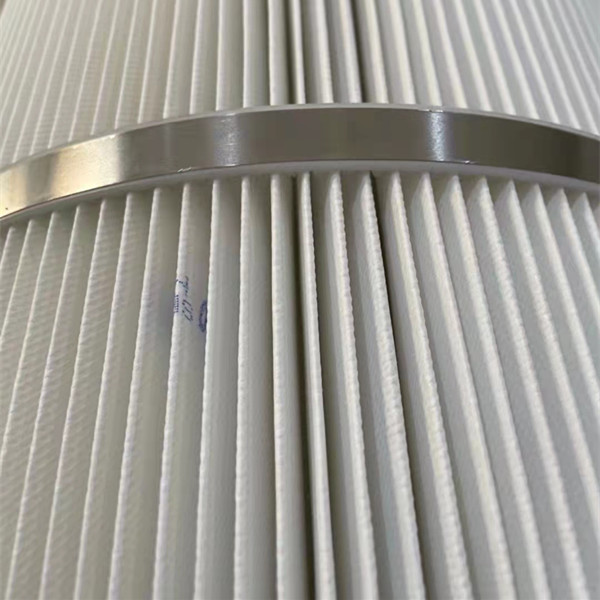
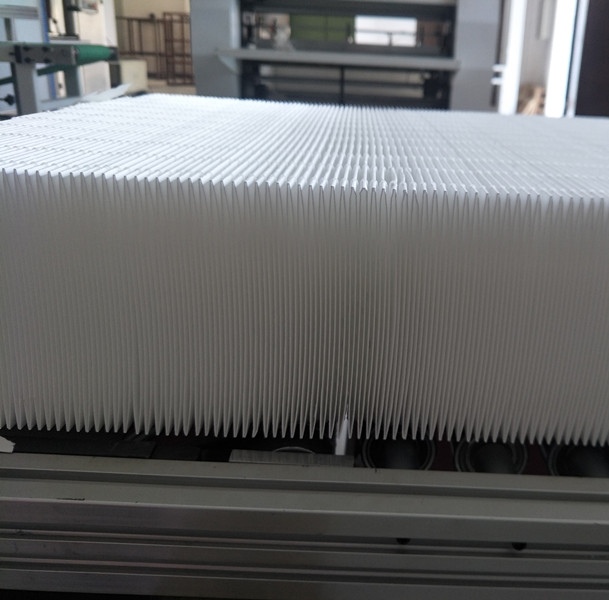
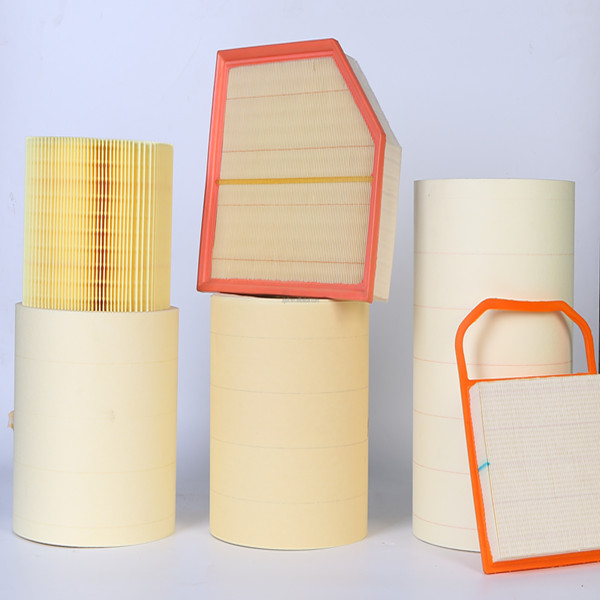
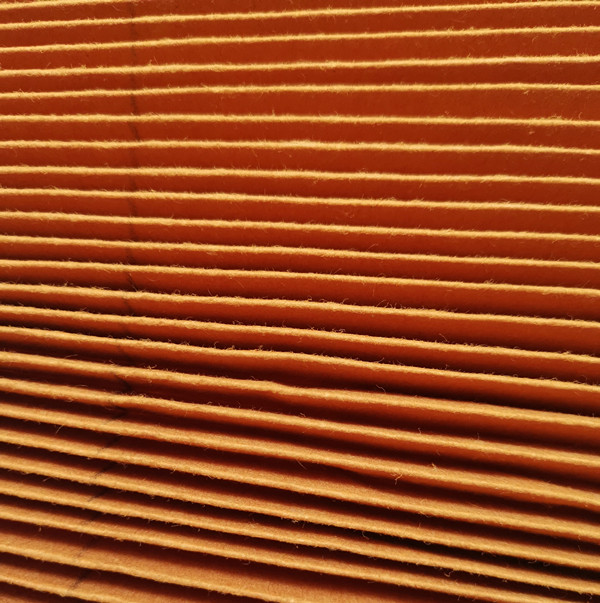
In plain terms, a mini pleating machine is a compact mechanical device designed to fold flexible sheet materials—like fabric, paper, or nonwoven membranes—into multiple parallel pleats. Think of those neat accordion folds you see in air filters or surgical masks; this machine produces them consistently and efficiently.
These machines generally incorporate rotating rollers, pleating plates, or automated clamps, running on electric or pneumatic power. While larger pleating equipment dominates mass production, mini pleating machines serve the niche of high-precision, low-volume, or space-constrained operations.
Their significance extends beyond traditional industries. For example, during the COVID-19 pandemic, local manufacturers rapidly shifted to producing pleated masks and filter components, using mini pleating machines to meet urgent demands. Such adaptability highlights the device's humanitarian value.
Mini Takeaway:
- Mini pleating machines fold materials into accordion-like pleats used in filters and protective gear.
- They enable small-scale manufacturers to meet specific or emergency production needs.
Core Features of Mini Pleating Machines You Should Know
1. Compactness and Portability
Unlike bulkier industrial machines, most mini pleating machines fit on a tabletop or small workstation. This not only saves floor space but also facilitates mobility—manufacturers can relocate or reconfigure layouts quickly. Portable models allow on-site pleating, handy for fieldwork situations.
2. Material Versatility
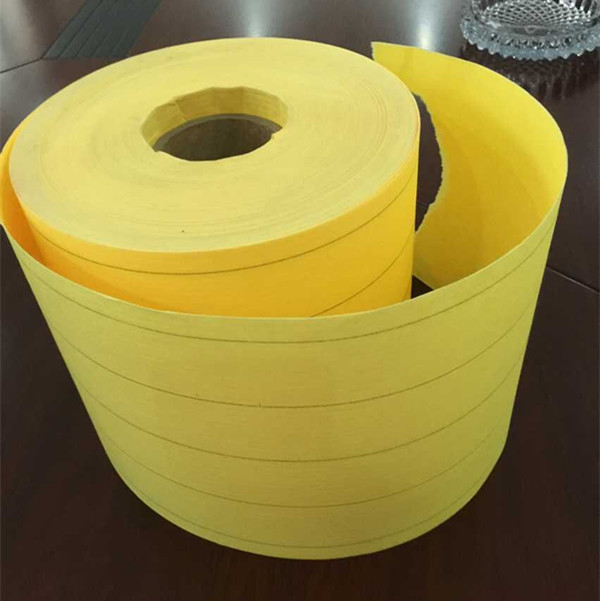
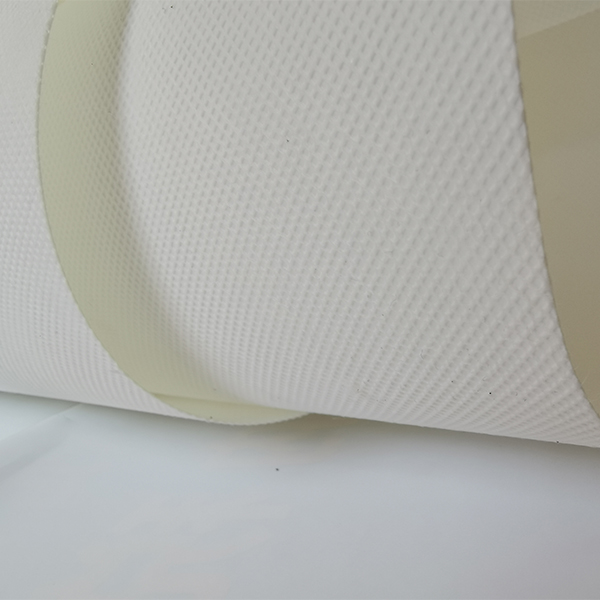
High-grade mini pleating machines accommodate a wide range of materials from polyester and polypropylene fabrics to specialty filter media. This flexibility means they support industries spanning from automotive filtration to medical device fabrication.
3. Precision Control
Many machines feature adjustable pleat height, depth, and spacing—allowing technical teams to fine-tune the folding for performance optimization. Auto-calibration options boost repeatability, which is critical when aiming for consistent filter efficiency.
4. User-Friendly Operation
Usually designed for ease of use, these devices often include simple control panels and safety features suitable even for semi-skilled operators, shortening training time.
5. Energy Efficiency
Mini pleating machines generally consume less power compared to large automated lines, contributing to greener manufacturing workflows. Some models integrate energy-saving motors or smart standby modes.
Mini Takeaway:
- Key benefits include versatility in materials, portability, precise pleat control, and user-friendliness.
- Energy efficiency adds value in cost savings and sustainability.
Mini Pleating Machine Specifications at a Glance
| Specification | Typical Range | Notes |
|---|---|---|
| Pleat Width | 5 to 25 mm | Adjustable for filter efficiency |
| Material Thickness | 0.1 to 1.5 mm | Nonwovens, fabrics, paper |
| Max Working Speed | Up to 20 m/min | Varies based on material type |
| Power Supply | 110-240 V AC or pneumatic | Flexible power options |
| Dimensions (LxWxH) | 60 x 40 x 50 cm | Tabletop size |
| Weight | 15-25 kg | Portable but sturdy |
Comparing Leading Mini Pleating Machine Vendors
| Vendor | Price Range | Key Strengths | Ideal For |
|---|---|---|---|
| PleoTech Systems | $12,000–$18,000 | High precision, easy customization | Medical & filter industries |
| CompactFold Inc. | $9,000–$15,000 | Robust build, energy-efficient motor | Small businesses, prototyping |
| FlexiFold Solutions | $14,500–$21,000 | Smart automation & digital control | Mid-sized manufacturers |
Global Applications: Where Mini Pleating Machines Really Count
It feels a bit odd that such a small machine can impact so many industries worldwide, but the facts back it up. From the automotive world—think cabin air filters made with super-fine pleats—to emergency relief efforts requiring rapid mask production, mini pleating machines carve out their useful niche everywhere.
For instance, in Southeast Asia, local manufacturers are leveraging mini pleating machines to produce high-efficiency particulate air (HEPA) filters, crucial in combating severe air pollution. Similarly, NGOs have deployed portable mini pleating machines in disaster zones to locally produce pleated filtration components for water purifiers, reducing reliance on imported supplies.
Even research institutions rely on these machines to prototype pleated membranes for biotechnology applications.
Mini Takeaway:
- Mini pleating machines empower decentralized and localized manufacturing.
- They support environmental health, emergency aid, and technological innovation.
The Long-Term Value and Advantages of Using Mini Pleating Machines
There is a practical magic to mini pleating machines: they balance cost and quality in ways large machines struggle to match. Reduced initial investment lowers barriers to entry for startups or small operations. Plus, the ability to tweak pleat parameters means end products can meet precise specifications—think better filter efficiency or more comfortable mask fit.
Socially, the machines help sustain local economies by enabling small-batch production and innovation. On an emotional level, imagine the satisfaction of a small community quickly crafting their own protective gear during a crisis. That kind of self-reliance fosters trust and dignity.
And let’s not forget sustainability: using energy-efficient mini machines can cut down greenhouse emissions compared to heavy industrial lines.
What’s Next? Future Trends in Mini Pleating Machines
Looking ahead, several exciting innovations are shaping the future. Digital controls paired with IoT connectivity allow remote monitoring and adaptive pleat adjustment, minimizing human error. Automated material feeding systems reduce downtime. Eco-conscious manufacturers push for machines designed with recyclable components and lower energy draw.
Green energy integration is also on the rise, like solar-powered mini pleating stations in off-grid locations, cutting fossil fuel dependencies. Plus, developments in biodegradable pleatable fabrics open new paths for disposable medical products, merging sustainably with automation.
Challenges Still to Overcome (And How Experts Tackle Them)
No machine is perfect. Mini pleating devices can struggle with very thick or rigid materials and sometimes require manual adjustments for new media types, slowing output. Achieving uniform pleat consistency at higher speeds can be tricky.
Engineers are solving these issues by incorporating advanced sensor arrays verifying pleat quality in real-time, and modular machine heads that swap swiftly between media types. Training operators remains key—software-driven tutorials simplify learning curves.
FAQ: What You Want to Know About Mini Pleating Machines
Q1: How much training does an operator need to run a mini pleating machine?A: Generally, 1–3 days of hands-on training suffice. These machines have user-friendly interfaces and safety features, allowing semi-skilled operators to achieve consistent results quickly. Q2: Can mini pleating machines handle all types of filter media?
A: Most can work with nonwoven fabrics, spunbond, meltblown, and paper, but very thick or coated materials may need specialized attachments or slower speeds. Q3: What is the typical throughput of a mini pleating machine?
A: Output varies by material and pleat size but typically ranges from 10 to 20 meters per minute of pleated material, suitable for small to medium batch runs. Q4: Are mini pleating machines suitable for mask production?
A: Absolutely, many mask manufacturers rely on these for folding media layers that improve filtration and breathability, especially in emergency setups. Q5: How can small manufacturers import these machines internationally?
A: Vendors often provide shipping, installation support, and remote training. Check local customs regulations and consider consulting specialized import brokers.
In Conclusion: A Small Machine with Huge Potential
Wrapping it up, the mini pleating machine emerges as a nimble hero in manufacturing—bridging gaps between large industrial operations and small-scale innovators. Its adaptability, precision, and growing integration with modern tech find its place in industries striving for efficiency, sustainability, and social impact.
To explore models, customizations, and expert insights, visit mini pleating machine specialists and make your next project fold just right.
References
Post time: Dec-01-2025