The Quiet Revolution of the Filter Cap: Why It Matters Worldwide
In a world increasingly conscious of environmental sustainability and industrial safety, the humble filter cap has emerged as a small but mighty innovation. Though it might sound niche, this simple device plays a crucial role in filtering impurities, protecting machinery, and ensuring air and liquid quality in countless applications — from heavy manufacturing plants to remote humanitarian aid sites. Understanding how filter caps work and their benefits is more important than ever when facing global challenges around pollution control, equipment longevity, and health safety standards.
Setting the Stage: Why Filter Caps Matter Globally
Globally, industrial pollution costs trillions, while nearly 90% of the world’s population breathes air with unsafe levels of pollutants, according to WHO data. Filter caps, used extensively in filtration systems, act as frontline defenders against contaminants entering critical industrial or environmental processes.
Beyond pollution, the machinery that powers everything from food production to water treatment often relies on well-designed filters capped tightly to keep out dust, chemicals, and microbes — a simple key to uptime and efficiency. Yet, many companies underestimate their filter caps, missing cost savings and risking compliance failures.
In short, these small components have huge implications — and that’s why understanding them matters.
What Exactly Is a Filter Cap?
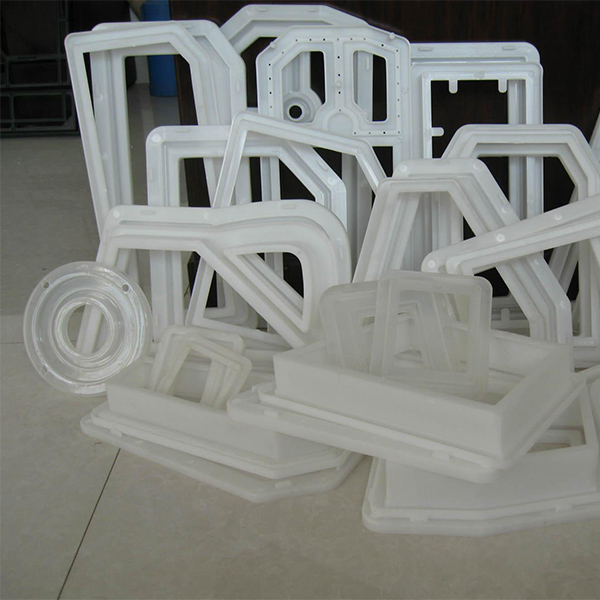
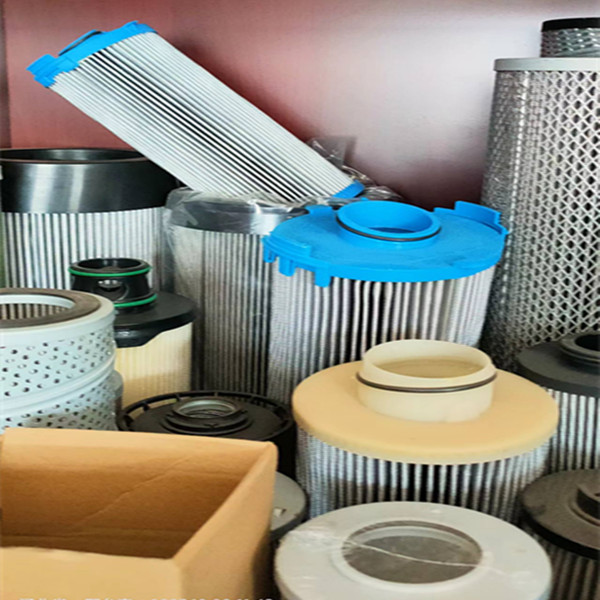
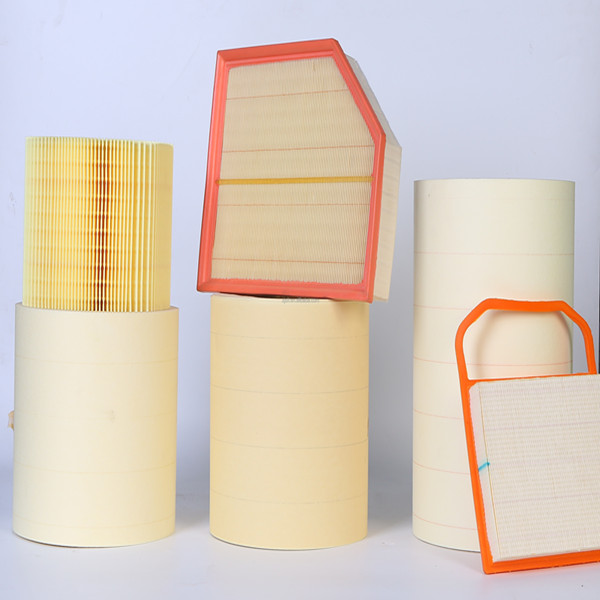
Put simply, a filter cap is the protective cover or housing element that encloses a filter media or filter cartridge, sealing it properly to ensure only the desired substances (air, water, oil) pass through cleansed. It prevents leaks, contamination, and mechanical damage — think of it as the guardian seal that makes filtration feasible and effective.
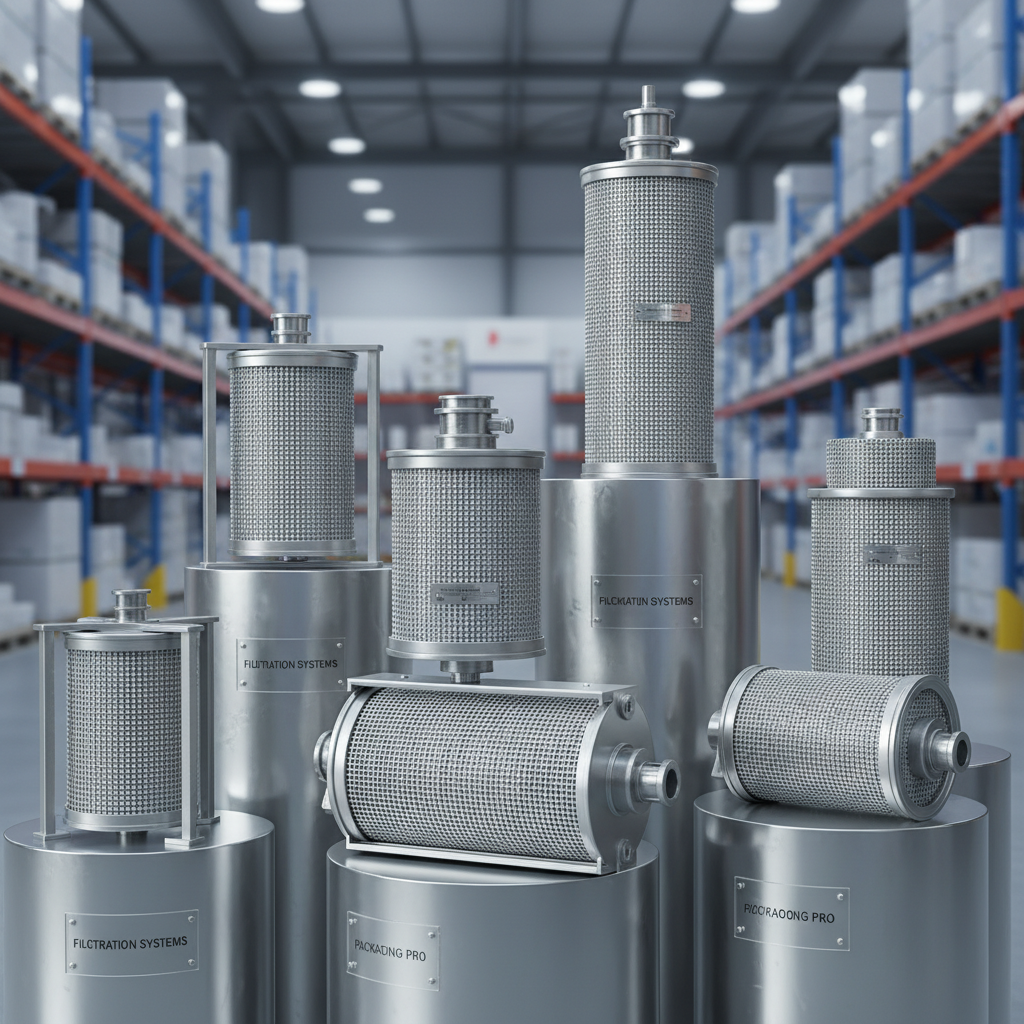
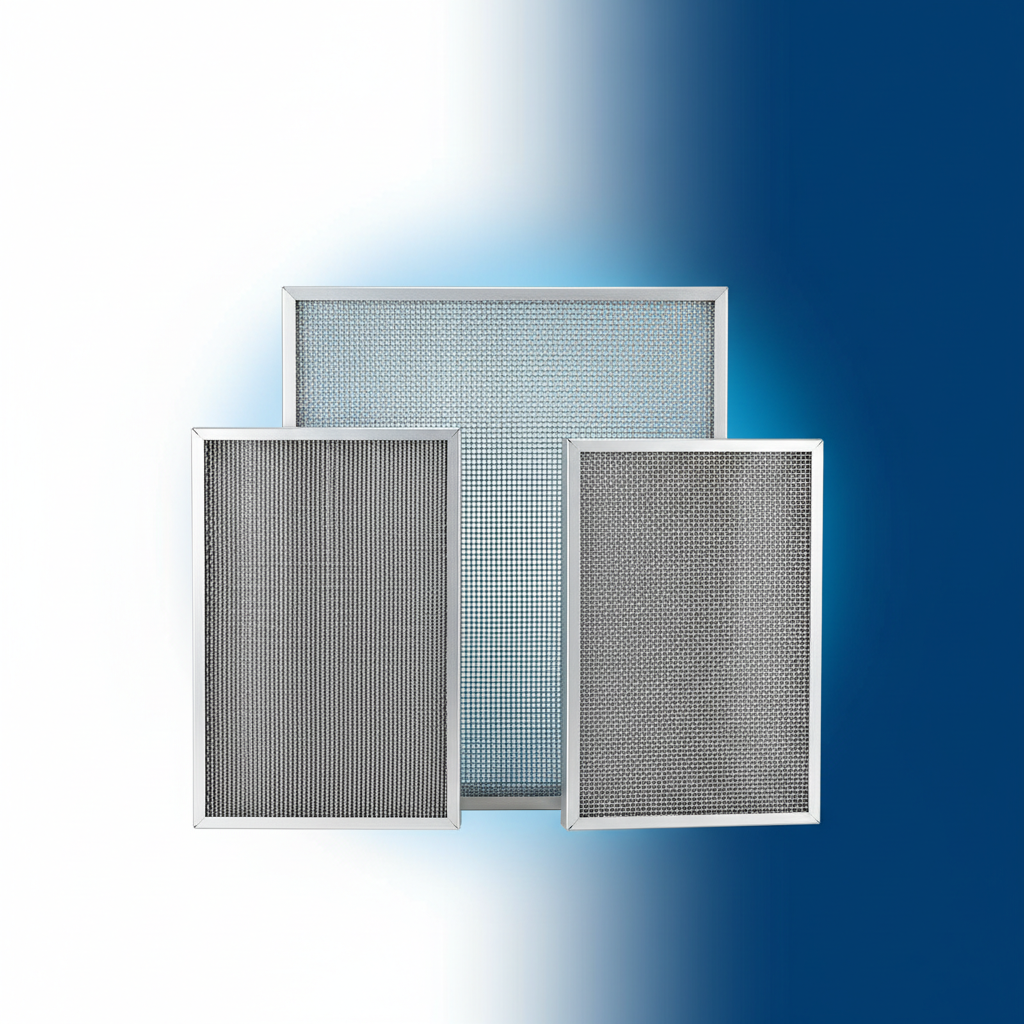
In modern industries, filter caps connect to systems filtering anything from engine oil in heavy machinery, HVAC air filters in office buildings, to clean drinking water in disaster zones. Their design, material, and sealing technology directly impact filter performance.
Mini Takeaway
A filter cap is more than just a cover; it’s an integral element that ensures filtration works as intended, improving safety and extending equipment life.
Key Components That Make Filter Caps Effective
1. Durability and Material Quality
Whether it’s stainless steel, reinforced plastic, or biodegradable composites, the filter cap’s material must withstand chemical exposure, extreme temperatures, and mechanical stress. For instance, chemical plants usually opt for corrosion-resistant metals, while consumer water filters may use food-grade plastics.
2. Sealing and Leak Prevention
The cap’s seal determines if contaminants bypass the filter or not. Advanced gasket materials and precision engineering reduce leaks remarkably. In some critical applications, double seals provide extra safety — no chance for rogue particles to sneak through.
3. Scalability and Compatibility
Filter caps must fit across a range of filter sizes and specifications. Standardized thread designs, easy-to-remove caps, and modular features make filter maintenance more manageable, especially for industrial operators juggling multiple systems.
4. Cost Efficiency and Lifecycle
An ideal filter cap balances upfront cost with longevity. Cheaper caps might fail prematurely, leading to maintenance headaches and downtime — ironically increasing overall expenses.
5. Environmental Impact
Newer filter caps are designed with recyclability and reduced carbon footprint in mind. For example, some use UV-resistant bioplastics that degrade responsibly or are designed to be reused multiple times.
Mini Takeaway
A high-quality filter cap combines robust materials, tight seals, and user-friendly design, all while minimizing environmental impact and operational costs.
Real-World Uses: Where Filter Caps Shine Globally
Filter caps aren’t just factory floor players. Oddly enough, their role extends into humanitarian settings where safe water and clean air matter most.
- Industrial manufacturing zones in Asia and Europe depend heavily on filter caps to protect hydraulic oils and ensure smooth machine operation.
- Disaster relief operations in Africa and South Asia use portable filtration devices sealed by specialized caps to provide safe drinking water quickly.
- Remote mining installations in Latin America deploy advanced air filtration units to protect workers from dust and toxic gases — all sealed tight by precision-engineered caps.
- Even filter cap designs are critical for aerospace applications, offering contamination control in tight, high-pressure environments.
Mini Takeaway
In vastly different contexts, from factories to emergency tents, filter caps provide safety and reliability where it counts most.
Filter Cap Specifications At a Glance
| Feature | Description | Typical Values |
|---|---|---|
| Material | Stainless steel, ABS plastic, Biodegradable composite | 316L Steel, FDA grade plastic |
| Seal Type | Single O-ring, double gasket | Nitrile, silicone |
| Temperature Range | Operational tolerance | -40°C to 150°C |
| Dimensions | Diameter and height variants | 50-200 mm diameter |
| Lifespan | Typical expected usage cycles | Up to 2 years (industrial) |
Comparing Leading Filter Cap Vendors
| Vendor | Material Options | Custom Design | Price Range | Industries Served |
|---|---|---|---|---|
| CapTech Solutions | Metal, plastic | Yes, modular | $$ | Industrial, Automotive |
| EcoSeal Filters | Biodegradable composites | Limited | $$$ | Water Purification, Food Industry |
| GlobalFilter Corp. | Plastic, metal, high-temp alloys | Yes, full custom | $$$ | Aerospace, Mining, Energy |
The Advantages and Long-Term Value of Filter Caps
Okay, so why invest in a quality filter cap? Well, here’s the thing: good caps reduce downtime because they keep contaminants out and extend the life of filters and machinery. That means lower maintenance costs and more production hours. Industrial operators swear by it for saving unexpected repair costs.
Emotionally, they deliver peace of mind. When your water filtration system passes that fresh, safe water sealed tightly by its filter cap, it's selling you safety and dignity, especially in humanitarian contexts. Reliability builds trust.
Environmentally, reusable or recyclable caps contribute to a circular economy, which feels essential in an era focused squarely on sustainability and green innovation.
Future Trends to Watch in Filter Cap Technology
- Smart Caps: Sensors embedded to monitor filter integrity and alert users before failure.
- Eco-materials: More biodegradable and bio-derived polymers reducing landfill waste.
- Automation-friendly designs: Caps tailored for fast replacement by robots in automated plants.
- Regulatory-compliant innovations: New ISO standards pushing for leak-tight seals and sustainable production.
Overcoming Common Challenges in Filter Cap Usage
Even the best filter caps face challenges like fitment issues in inconsistent manufacturing lines or degradation in harsh chemical environments. Engineers often have to innovate with hybrid materials or add secondary sealing systems to prevent leaks.
On the logistics side, sourcing custom caps worldwide can be tricky, but many vendors now offer modular designs adaptable on-site, reducing wait times.
Frequently Asked Questions About Filter Caps
Q1: How do I know if my filter cap is causing leaks in my system?
A: Look for signs such as unexpected pressure drops, contamination bypass, or wear around the cap seal. A visual inspection for cracks or gasket damage helps too. Regular testing or sensor monitoring can identify leaks early.
Q2: Can filter caps be customized for unusual filter sizes?
A: Yes, many manufacturers offer tailor-made caps. Modular designs can accommodate varying diameters and threads. It’s best to consult the vendor about your system specs to get an optimal fit.
Q3: Are filter caps reusable, or should they be replaced each time?
A: It depends on material and application. Industrial metal caps are built for long reuse, while some disposable plastic caps meant for sanitary water systems may be single-use. Always follow manufacturer guidelines.
Q4: How does the sealing material affect filter cap performance?
A: The gasket or O-ring material must resist the specific chemicals or temperatures in your system. For example, silicone seals perform well at high temperatures, while nitrile is great against oils. Wrong choices cause leaks or early failures.
Wrapping Up: The Small Component with Enormous Impact
Filter caps may lack the spotlight compared to other filtration components, but their role is undeniable. Investing time in understanding their materials, sealing tech, and applications pays off in operational efficiency, environmental gains, and safety worldwide. Curious to see what a top-quality filter cap can do for your system? Explore our offerings and join a smarter, cleaner future.
References
Post time: Dec-01-2025