Understanding Wire Mesh Cylinder Filters: Why They Matter Worldwide
In an era of increasing environmental concerns and industrial demands, the wire mesh cylinder filter emerges as a quietly indispensable component. While it might not grab headlines, its role in purifying liquids and gases, safeguarding machinery, and contributing to cleaner processes is pivotal. Global industries, from water treatment plants to manufacturing lines, rely on these filters to keep operations sustainable and efficient.
For anyone involved in engineering, manufacturing, or environmental management, understanding the nuances of these filters isn’t just useful — it’s almost essential. They offer a blend of durability, cost-efficiency, and adaptability that few other filtration technologies can match. Plus, as the world pushes harder for sustainability and lower emissions, the importance of high-quality filtration using wire mesh cylinders only grows.
Mini takeaway: Wire mesh cylinder filters are quietly supporting global sustainability efforts by enabling cleaner industrial processes and resource-efficient filtering solutions.
The Global Context: Why Wire Mesh Cylinder Filters Are More Relevant Than Ever
Globally, manufacturing output has surged over recent decades — the UN Industrial Development Organization estimates a consistent 3-4% annual growth in industrial production worldwide. Naturally, increased production means more contaminated wastewater, airborne particulates, and manufacturing byproducts. Enter the wire mesh cylinder filter. Because these filters are often made of rugged stainless steel mesh, they last longer and handle demanding conditions better than conventional paper or cloth filters.
In developing countries, where infrastructure for advanced filtration may be limited, wire mesh filters provide an affordable, easily maintainable solution. According to WHO, an estimated 2 billion people lack access to safely managed drinking water services, a gap partially addressable with better filtration tech—sometimes relying on reliable components like wire mesh cylinder filters for pre-filtration in water treatment systems.
Yet challenges remain: harsh industrial chemicals, scaling in production lines, or unpredictable contamination loads can threaten filter longevity and performance.
Mini takeaway: Wire mesh cylinder filters act as a practical bridge — balancing cost, durability, and efficiency — to meet filtration needs across diverse, growing global industries.
What Exactly Is a Wire Mesh Cylinder Filter?
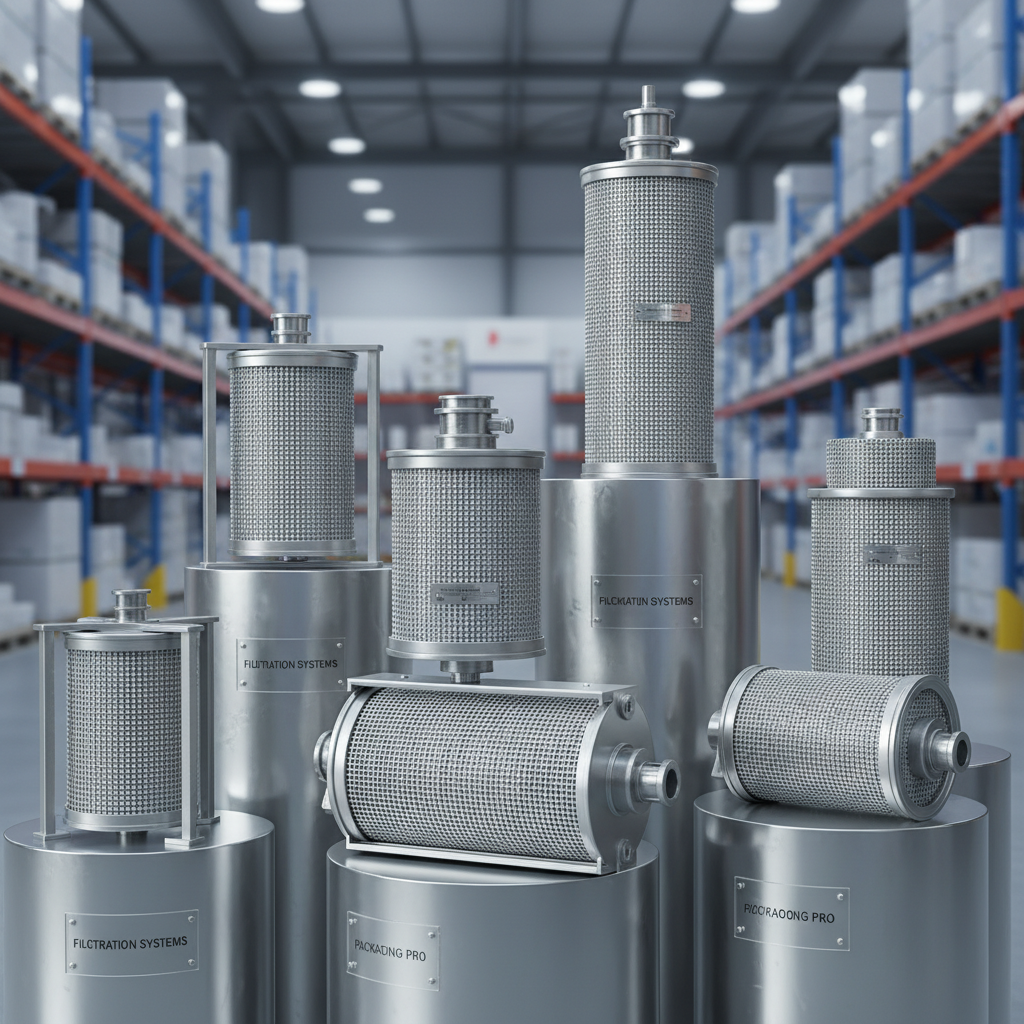
Simply put, a wire mesh cylinder filter is a hollow, cylindrical structure constructed from woven wire meshes. The mesh acts as a barrier that traps particles while allowing liquids or gases to pass through. You can think of it as a filter sock or cage that’s strong, reusable, and customizable to various micron ratings.
In many ways, these filters are the workhorses behind filtration because they combine mechanical strength with fine mesh openings — perfect for removing sediment, debris, and particulate matter in industrial fluids or even air. Their cylindrical shape helps distribute pressure evenly, which means they rarely collapse under high loads.
From modern machinery to humanitarian efforts—say, portable water purification units—these filters find a cozy niche where reliability and endurance matter.
Mini takeaway: At its core, a wire mesh cylinder filter is a tough, fine-mesh metal tube that filters particles while staying rugged enough for industrial or field use.
The Four Core Features that Make Wire Mesh Cylinder Filters Stand Out
1. Durability
Many engineers swear by these filters’ life span. Made often from stainless steel or specialty alloys, they resist corrosion, high temperatures, and abrasion. This means fewer replacements and less downtime — giving operators a clear ROI advantage.
2. Scalability and Customization
Need a micron rating from 5 to 500? Wire mesh cylinder filters come in all shapes and sizes. They can be tailored for flow rates, pressure ratings, and media types, which explains their popularity from small-scale water filtration to massive petrochemical plants.
3. Cost-Effectiveness
Because the mesh is reusable and cleanable, you’re not tossing filters weekly like disposable cartridges. Maintenance tends to involve backflushing or mild cleaning, keeping operational costs down.
4. Ease of Integration
The cylindrical shape aligns well with standard housings and inline systems, meaning quick installation and compatibility with existing infrastructure — a big thing in older plants upgrading their filtration.
Mini takeaway: Wire mesh cylinder filters blend toughness, customizability, affordability, and compatibility — qualities that industrial operators appreciate daily.
Real-World Applications of Wire Mesh Cylinder Filters
Their versatility means wire mesh cylinder filters pop up everywhere:
- Wastewater Treatment Plants: Pre-filtering solids to protect sensitive membranes or UV treatment stages.
- Food & Beverage Industry: Filtering raw liquids like syrups, juices, or oils without affecting taste or qualities.
- Oil & Gas Sector: Protecting valves and pumps by filtering abrasive particles in crude oil streams.
- Agriculture & Irrigation: Preventing clogging in drip irrigation systems by catching fine sediment and rust.
- Disaster Relief Operations: Portable water filtration units often incorporate wire mesh filters to ensure basic particulate removal before more advanced purification.
For instance, in remote industrial zones like parts of Africa or Southeast Asia, these filters are often the most accessible and reliable solution when complex filtration cartridges or membranes are impractical or expensive to maintain.
Mini takeaway: Whether in remote fields or sophisticated factories, wire mesh cylinder filters keep critical processes running smoothly — protecting equipment, health, and environment.
Why Investing in Wire Mesh Cylinder Filters Makes Sense for the Long Term
- Lower Lifecycle Costs: Durable materials and cleanability reduce replacement frequency.
- Sustainability: Less waste from disposables and lower energy to produce compared to synthetic cartridge filters.
- Social Impact: Reliable filtration improves quality of life by supporting clean water and safer manufacturing.
- Reliability & Safety: Reduced downtime safeguards worker safety and plant output, crucial for tight production schedules.
I often hear facility managers praise the peace of mind these filters bring — they just work, often overlooked because they don’t break or fail spectacularly. In a lot of ways, that quiet consistency equals trust.
Mini takeaway: Wire mesh cylinder filters offer tangible economy, eco-friendliness, and safety benefits that add up — making them wise long-term choices.
Product Specification Table
| Specification | Value |
|---|---|
| Material | 304/316 Stainless Steel |
| Micron Rating Range | 5 - 500 µm |
| Diameter | 50 mm - 500 mm (custom sizes available) |
| Length | 100 mm - 1500 mm |
| Operating Temp | -20°C to +400°C |
| Max Pressure | Up to 25 bar |
Vendor Comparison: Choosing the Right Wire Mesh Cylinder Filter Supplier
| Feature | Vendor A | Vendor B | Vendor C |
|---|---|---|---|
| Customization Options | Extensive | Limited to standard sizes | Moderate |
| Lead Time | 2-3 weeks | 1 week (stock items) | 4-6 weeks |
| Material Grade | 304/316 Stainless Steel | 304 Stainless Steel | 316 Stainless Steel only |
| Price Range | $$$ | $ | $$ |
| Warranty | 3 years | 1 year | 2 years |
Emerging Trends and Innovations in Wire Mesh Cylinder Filters
We’re starting to see some interesting innovations. For example, advanced coatings that repel fouling or biofilms are making filters more self-cleaning. Plus, additive manufacturing (aka 3D printing) enables really complex woven mesh geometries not possible before. This could improve flow dynamics and filtration efficiency substantially.
In terms of sustainability, some vendors are experimenting with hybrid filters that combine metal mesh with bio-based materials, aiming to reduce their carbon footprint without compromising durability. Industries adopting smart sensors for real-time clogging detection also increase filter uptime and predictive maintenance. It’s a small but meaningful digital transformation in filtration tech.
Mini takeaway: The wire mesh cylinder filter market is quietly embracing high-tech coatings, 3D printed structures, and smart monitoring — opening new doors for performance and sustainability.
Common Challenges & How Industry Experts Tackle Them
People often cite clogging and cleaning difficulty as issues with mesh filters. But you know, with regular maintenance schedules and backflush systems, these can be minimized. Another challenge is corrosion in harsh chemical environments — which is why material selection is critical. Staying with stainless steel or specialty alloys really pays off.
Some plants hesitate to switch from disposable filters fearing upfront costs — but lifecycle cost modeling generally shows mesh filters end up cheaper over time. I guess it boils down to education and trust, which is gradually improving via better case studies and standards.
Frequently Asked Questions About Wire Mesh Cylinder Filters
- What sizes of wire mesh cylinder filters are available?
- Sizes vary widely, from small diameters (~50 mm) suitable for lab or pilot applications, to large industrial sizes exceeding 500 mm in diameter and over a meter long. Custom sizes are common to suit flow and pressure requirements.
- How often should wire mesh cylinder filters be cleaned?
- Cleaning frequency depends on application but typically ranges from weekly to monthly. Many systems use backflushing for automated cleaning, significantly extending service periods.
- Can these filters handle harsh chemicals?
- Yes, when made from corrosion-resistant materials like 316 stainless steel or Inconel. For very aggressive environments, specialized coatings or alloys may be necessary.
- Are wire mesh cylinder filters reusable?
- Absolutely. Their primary advantage is reusability through cleaning—be it ultrasonic, acid baths, or simply backflushing—making them more sustainable and cost-effective than disposable options.
- How do I select the right micron rating?
- Determine particle size you want to remove and consider flow rate and pressure drop. Consulting with suppliers or filtration experts helps fine-tune the right specification.
Final Thoughts and Next Steps
If there’s one quiet hero of industrial and environmental filtration, it’s the wire mesh cylinder filter. It’s not flash, but it’s reliable, adaptable, and getting smarter with time. From boosting global water safety to optimizing complex manufacturing, these filters offer measurable benefits that stack up over time — sustainability, cost savings, and operational peace of mind.
For those ready to explore options or get expert advice on implementation, visit our website and discover how quality wire mesh cylinder filters can elevate your filtering systems today.
References:
1. United Nations Industrial Development Organization (UNIDO), www.unido.org
2. World Health Organization (WHO) Water Sanitation Statistics, www.who.int
3. ISO 9001 Quality Management Systems, www.iso.org
Post time: Nov-27-2025