Dust Filter Material Roll: A Veteran’s Take on Choosing the Right Media
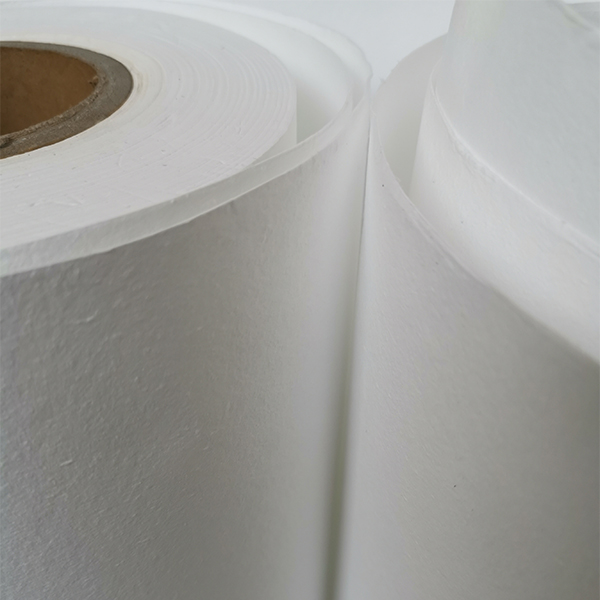
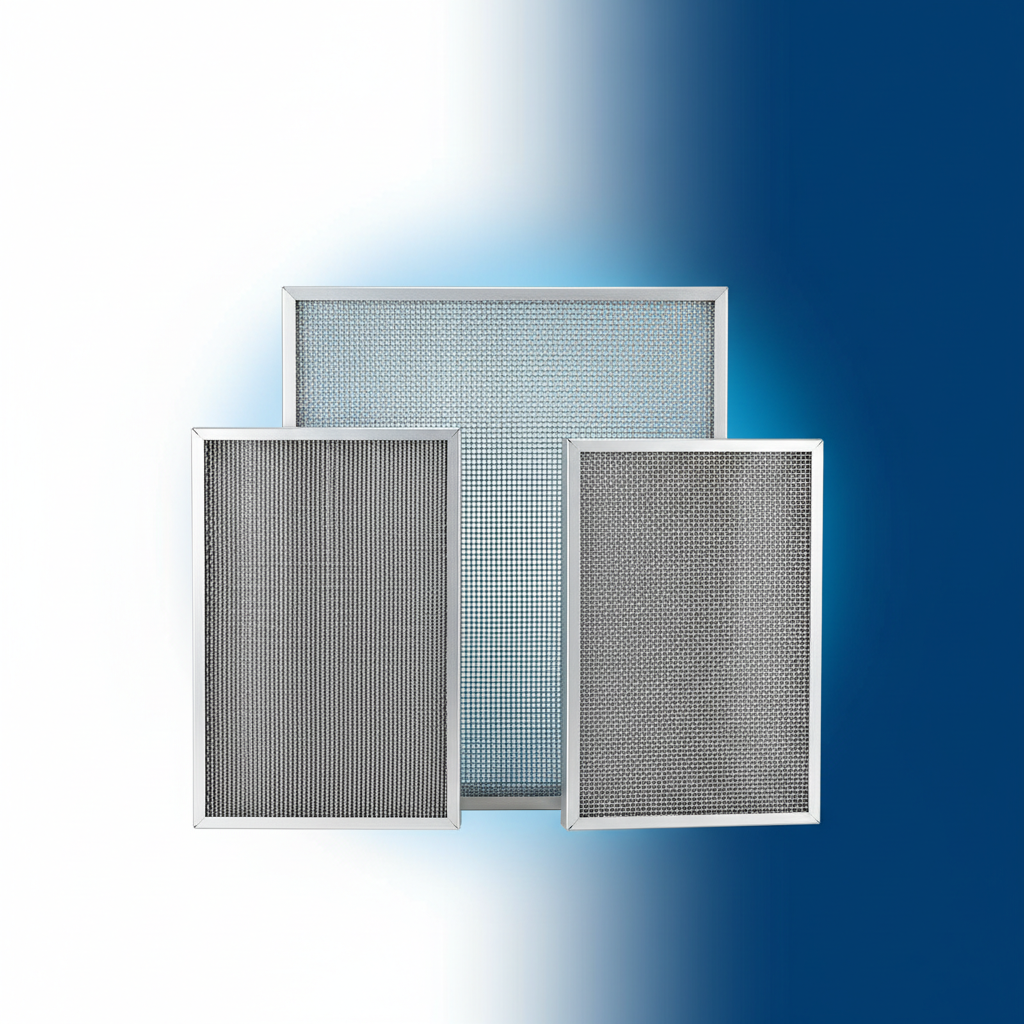
If you’ve spent any time in the industrial equipment sector—as I have—you know that dust filter material roll isn’t just some bland component; it’s often the unsung hero behind efficient, reliable dust collection systems. Over the years, I’ve seen how a seemingly simple roll of filter media can make or break operations, especially in industries dealing with airborne particulates like woodworking, cement, or metal fabrication.
Oddly enough, people tend to overlook the critical role the filter material plays. It’s not just a piece of fabric. It’s a carefully engineered product designed to resist abrasion, handle wide temperature ranges, and trap the right particle sizes without choking airflow. Frankly, that balance between filtration efficiency and air permeability is tricky to get right.
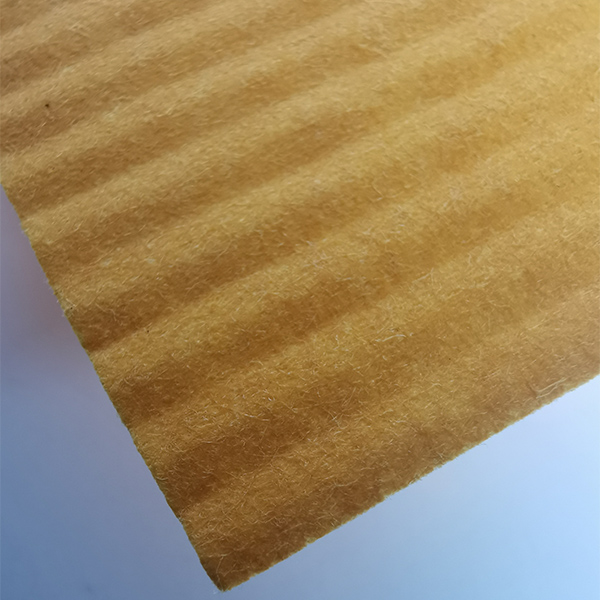
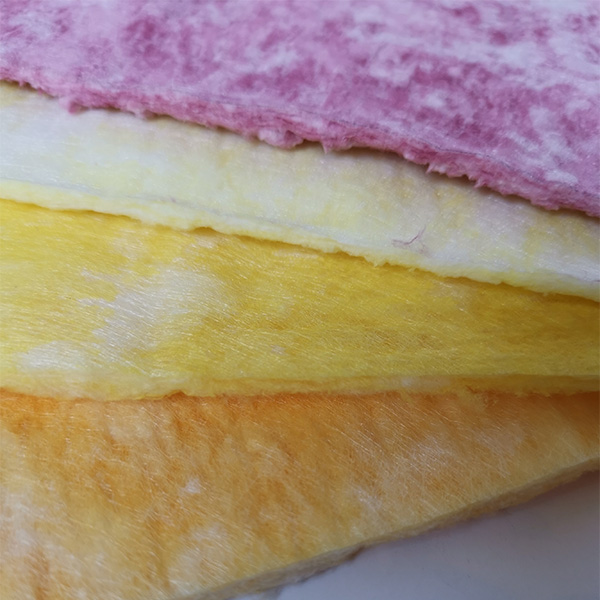
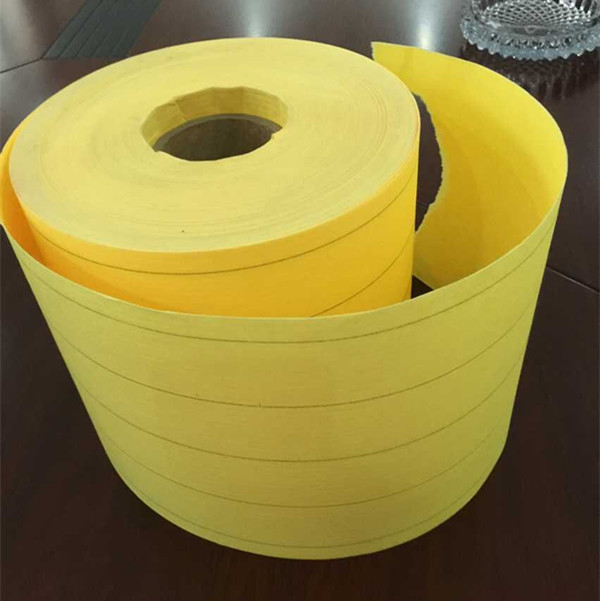
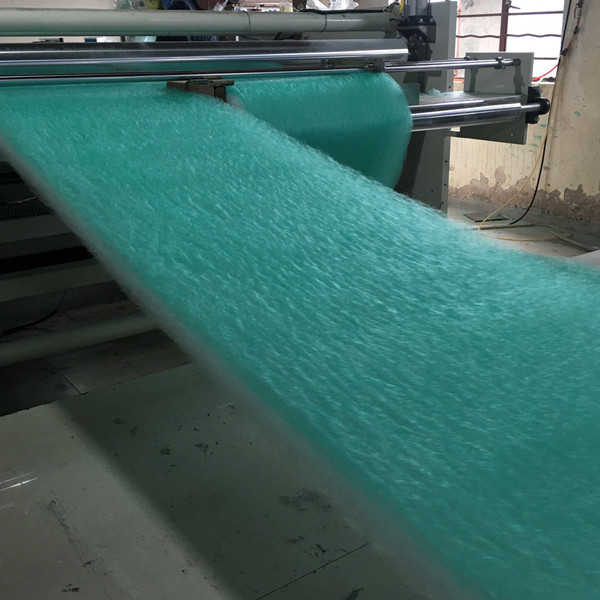
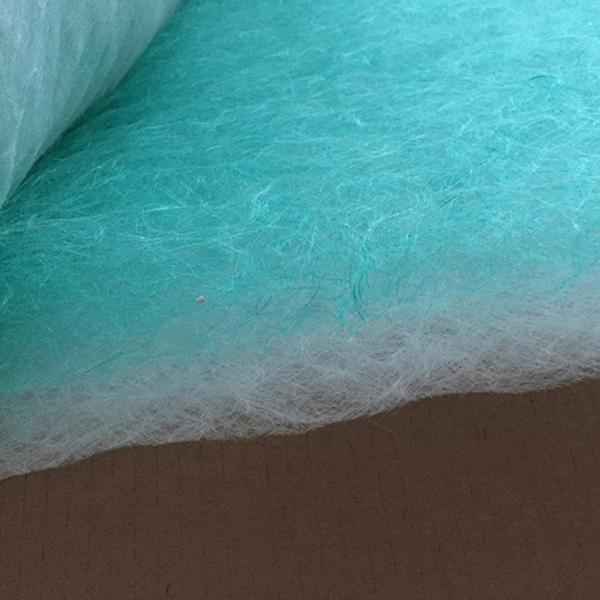
Many manufacturers offer a range of materials, like polyester, cellulose blends, or aramid fibers, each with strengths and limits. Polyester is common thanks to its durability and resistance to moisture, while aramid (think Nomex®) shines when heat resistance is a priority. You’ll often see these materials supplied in rolls so they fit various custom filter designs—a boon for bespoke dust collectors or maintenance teams who retrofit their systems.
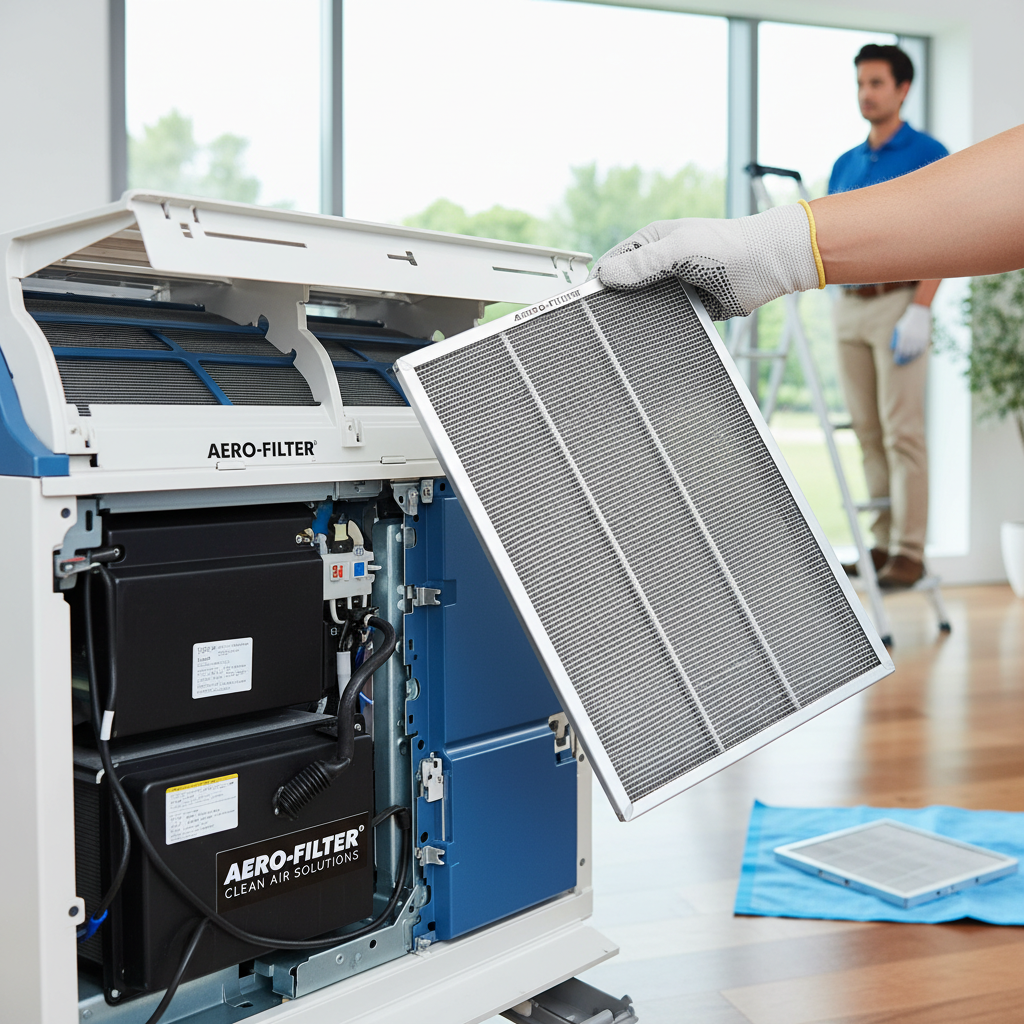
I recall one particular job site where we switched from a standard cellulose filter media to a high-quality polyester roll. The difference was palpable: the dust collector maintained steady airflow longer, and filter replacement intervals stretched by nearly 30%. It felt like a small upgrade but saved countless man-hours and downtime.
Testing and certification also matter a lot. It’s common to look for filter media certified by recognized bodies that measure parameters like particle retention efficiency and burst strength. If a vendor can’t provide solid test reports, I’d be wary. After all, trust but verify, right?
| Feature | Specification | Notes |
|---|---|---|
| Material Type | Polyester / Aramid / Blend | Customized per application |
| Temperature Resistance | Up to 180°C (356°F) | Aramid variants handle higher temp |
| Thickness | 0.8 - 2.5 mm | Varies with fiber density |
| Roll Width | 0.5 - 2 meters | Fits most collector housings |
| Air Permeability | 100 - 400 CFM/ft² | Depends on layer construction |
Now, if you’re sourcing dust filter rolls, comparing suppliers can get overwhelming fast. There’s price, delivery time, certifications, and sometimes custom finishing like calendaring or PTFE membrane lamination for enhanced performance. I suppose this is where knowing your vendor matters most.
| Vendor | Material Variety | Custom Options | Typical Lead Time | Certifications |
|---|---|---|---|---|
| Anya Filter Media | Polyester, Aramid, Blends | Yes, membrane lamination & calendering | 2-3 weeks | ISO, UL, SGS |
| FiltraTech Corp | Mostly Polyester | Limited customization | 1-2 weeks | ISO 9001 |
| DustGuard Supplies | Wide range, includes cellulose | Yes, plus special coatings | 3-4 weeks | ASTM tested |
From my experience, Anya Filter Media strikes a solid balance. Their rolls come with consistent quality, and their willingness to work on customizations matters a lot when you face unique dust challenges. Plus, they provide detailed test reports, which, frankly, you just want to see before investing your budget.
In real terms, the right dust filter material roll helps maintain clean workplace environments, complies with stricter emission norms, and extends equipment life. All worth thinking about when you next order stock.
To close, I suppose the takeaway is this: don’t treat your filter media as a commodity. Look at specs, vendor reliability, and how the material design fits your specific dust collection needs. It can feel like a small detail, but it often saves you big headaches down the line.
References:
- “Industrial Dust Collection Handbook,” Filtration Solutions Inc., 2021.
- “The Role of Filter Media in Air Quality,” Journal of Environmental Equipment, 2019.
- Interview with John S., Plant Maintenance Manager, MetalFab Co., 2023.
Post time: Jan-04-2026