Dust Collector Filter Cloth: Durable Solutions for Cleaner Air
If you've spent any time around industrial dust collection systems, you know the dust collector filter cloth is the unsung hero in keeping the air cleaner and equipment running smooth. Frankly, in my years working directly with factories and bulk material handlers, the filter cloth is where material science meets practical durability. It's a bit of a balancing act: capture the dust effectively without clogging, withstand tough environments, and last long enough to keep maintenance manageable.
One thing I noticed early on is that not all filter cloths are created equal — the weave, fabric type, and finishing treatments can make or break performance. Many plants end up cycling through “cheap” bags or panels that look fine on paper but wear down quickly, leading to downtime and higher costs. You know, it's not just about filtering; it's about toughness under pressure, literally.
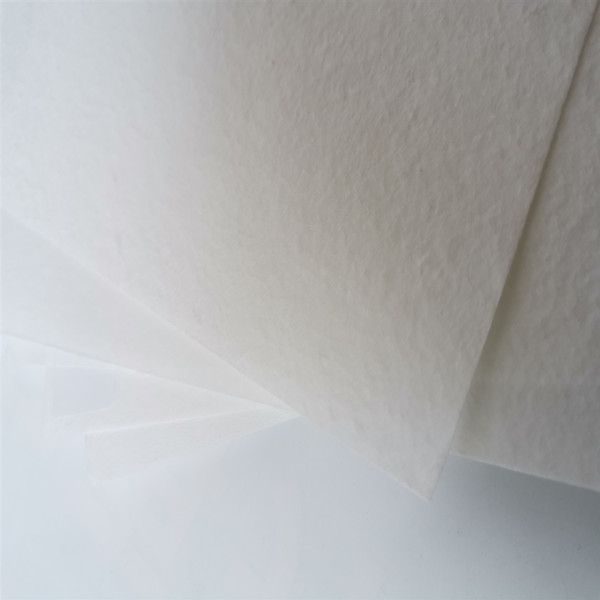
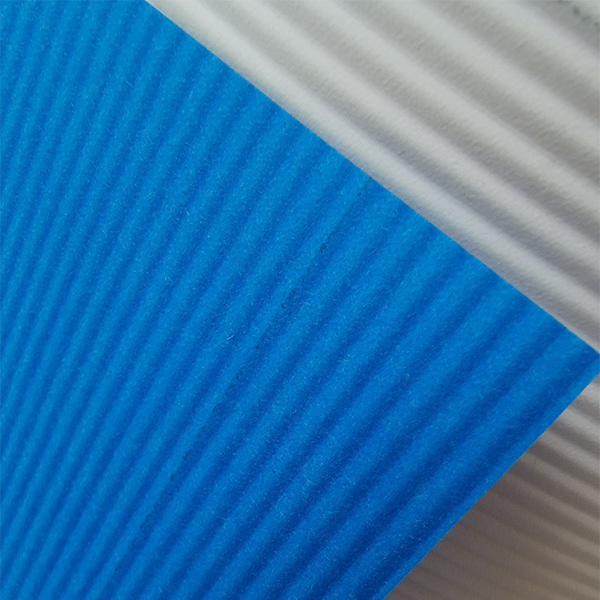
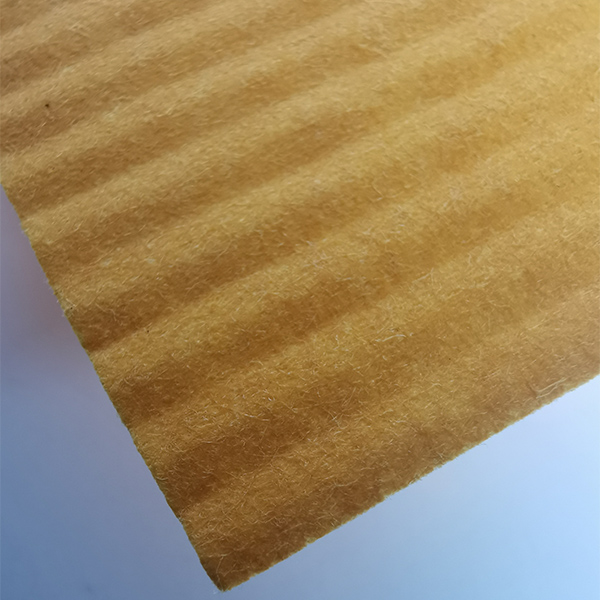
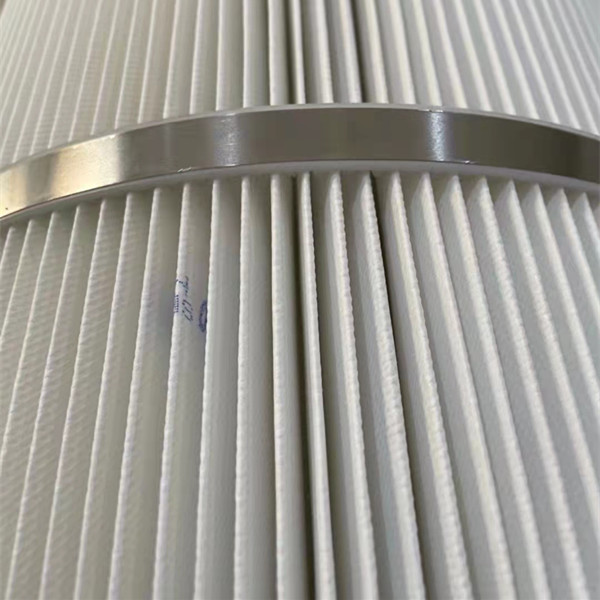
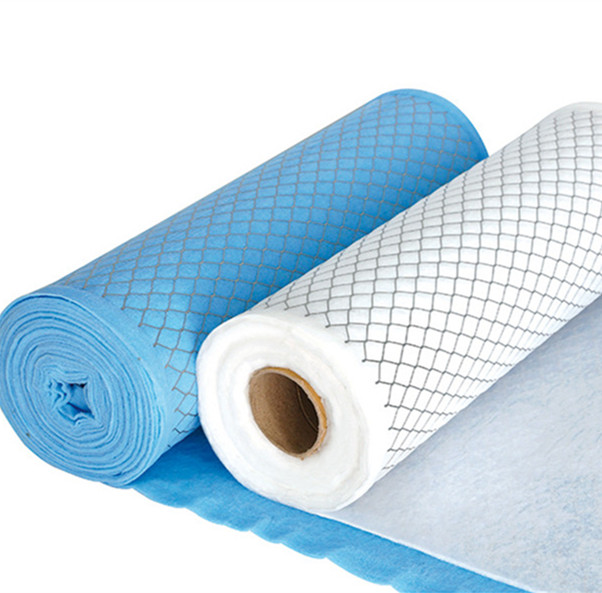
Materials vary, but typically, polyester, fiberglass, and polyphenylene sulfide (PPS) fabrics dominate the scene. Polyester’s versatility is a big plus, especially with high-performance finishes like PTFE coatings. They’re great for capturing fine particulates without sacrificing airflow. Fiberglass handles higher temps nicely, but can feel brittle if handled roughly. PPS is the high-end choice for chemical resistance and heat stability, though it commands a premium.
Oddly enough, many engineers I’ve spoken with prioritize surface treatments more than fabric basics. Treatments like calendaring, singeing, or PTFE lamination drastically improve filtration efficiency and cleaning, especially on pulse-jet collectors. In real terms, that means higher throughput and less frequent maintenance cycles — a nice win for operations managers.
Let me share a quick story: A client in cement manufacturing was struggling with frequent filter failures and pressure drops. After switching to a custom-ordered PTFE-coated polyester filter cloth, they saw not only longer filter life (doubling their expected runtime) but also noticeably better dust emissions. They attributed much of this success to the cloth’s tight weave and smooth finish, which prevented clogging from sticky cement dust.
Dust Collector Filter Cloth: Key Product Specifications
| Specification | Typical Values |
|---|---|
| Fabric Types | Polyester, Fiberglass, PPS |
| Weave | Plain, Twill, Satin |
| Temperature Range | 100°F – 450°F (varies by fabric) |
| Finishes | PTFE Coated, Silicone Treated, Calendared |
| Air Permeability | 100-500 CFM/ft² (depends on weave) |
| Abrasion Resistance | High (varies by material and treatment) |
Comparing Dust Collector Filter Cloth Vendors
| Vendor | Material Options | Customization | Typical Lead Time | Pricing |
|---|---|---|---|---|
| FilterMedia Pro | Polyester, Fiberglass, PPS | Yes - various coatings & sizes | 2-3 weeks | Mid-Range |
| DustCloth Solutions | Mostly Polyester, some Fiberglass | Limited - standard sizes only | 1-2 weeks | Budget-Friendly |
| Anya Filter Media | Comprehensive range incl. PTFE coated | Highly customizable, small batch orders | 1-2 weeks (usually fast) | Competitive |
For those managing dust collection, it’s not just about buying filtering fabric — it’s about understanding the wear patterns and environment. My advice? Keep an eye on finish types and always check samples under real conditions. Many companies underestimate how much the fabric’s surface affects cleaning pulses and dust cake release.
To wrap up, investing in quality dust collector filter cloth pays off in cleaner air, fewer disruptions, and a longer equipment life span. It's the fabric that connects technology with operational success, and in an industry where every grain counts, that connection is vital.
Thanks for reading, and if you’re curious about specific fabrics or treatments, feel free to dig deeper or reach out to suppliers who really know their stuff.
— Experienced in the field, sharing what truly works.
Quick Reflection: It’s fascinating how something as “simple” as fabric turns out to be an art and a science—reminding me that in industrial work, details matter profoundly.
- The Fabric Society, “Filter Cloth Materials Overview,” 2023.
- Industrial Dust Control Handbook, 2022 Edition.
- Interview with veteran Dust Collector Engineer, March 2024.
Post time: Jan-04-2026