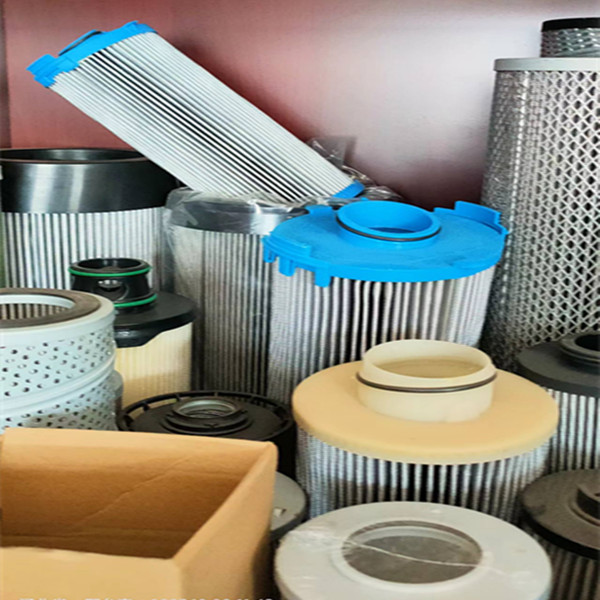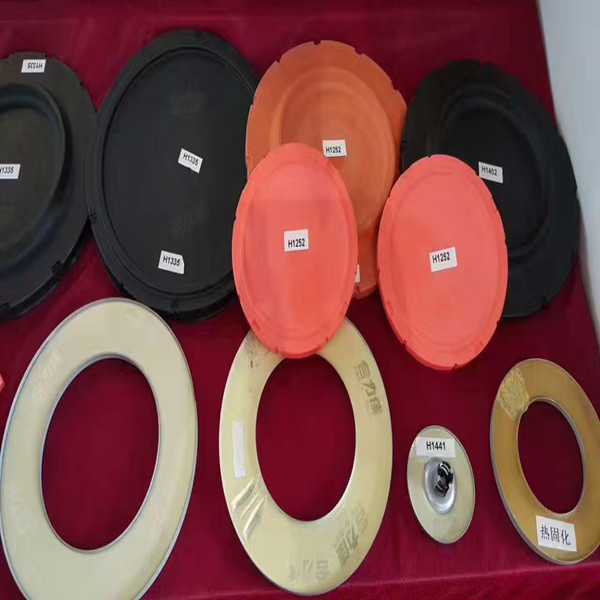
Dust Filter Media: A Veteran’s Look at What Really Works
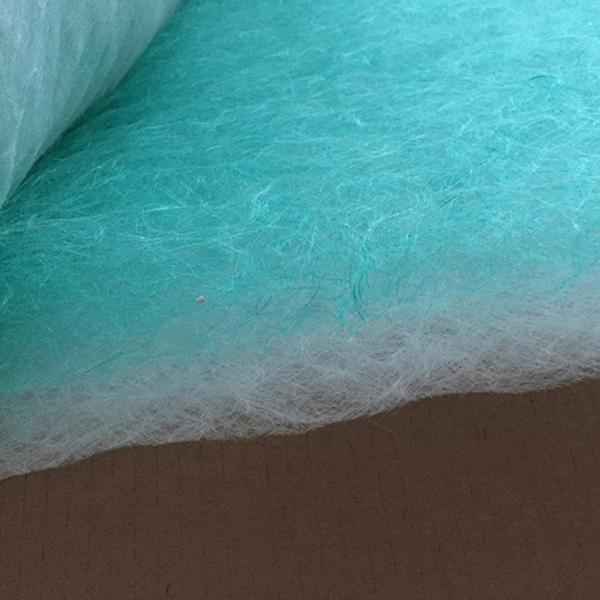
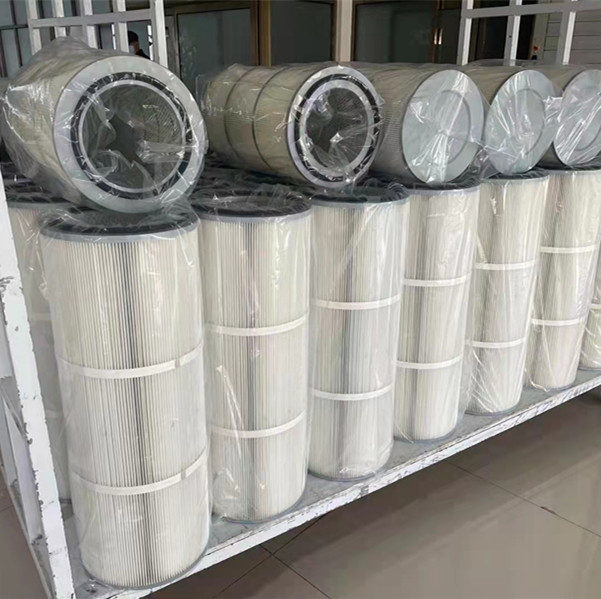
If you’ve toiled in the industrial equipment sector as long as I have, you know that dust filter media isn’t just some commodity you pick off the shelf. It’s the unsung hero that keeps plants humming and compliance boxes checked. Oddly enough, it’s often overlooked until a system clogs up or a regulatory visit sends everyone scrambling.
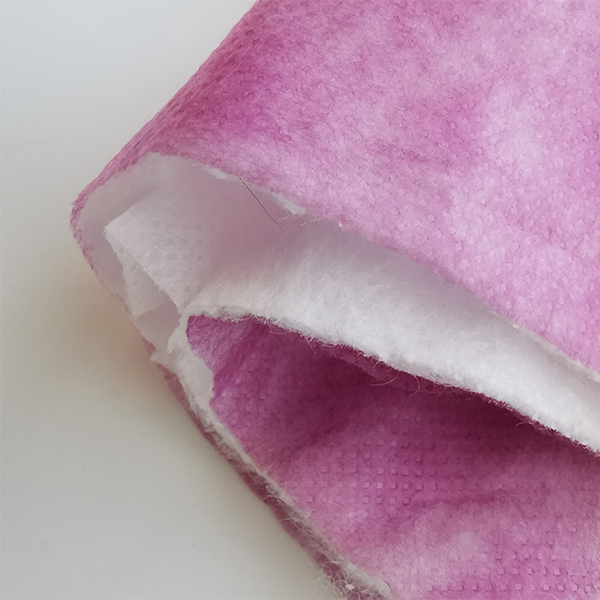
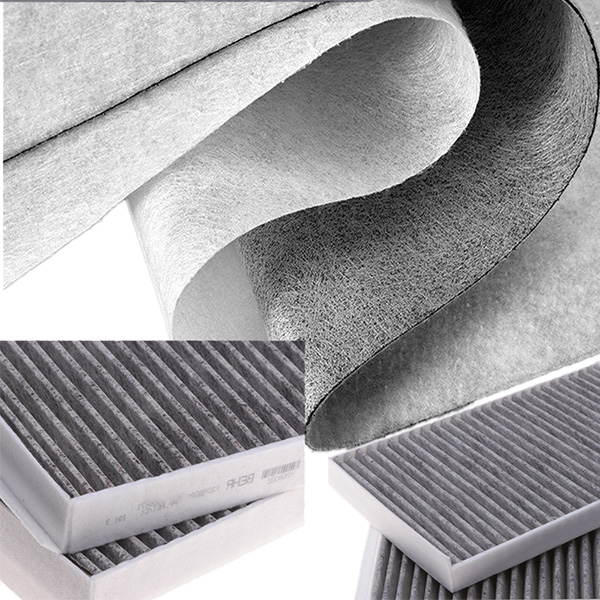
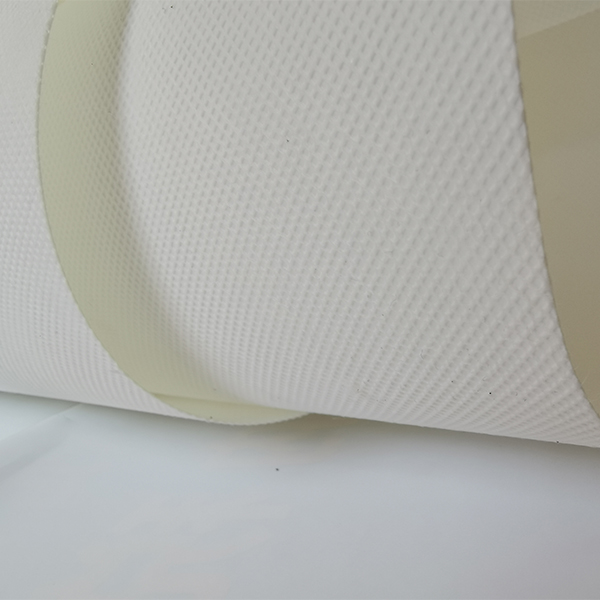
Over the years, I noticed how much the quality of filter media can make or break the whole dust collection process. It’s not just the fabric – it’s the weave, the treatments, and even how it holds up in tough conditions. I remember a biomass plant we worked with that switched from a cheaper polyester media to a more advanced needle-punched polyester. The difference? Less frequent bag replacements and way more uptime. You don’t always find those kinds of straightforward wins.
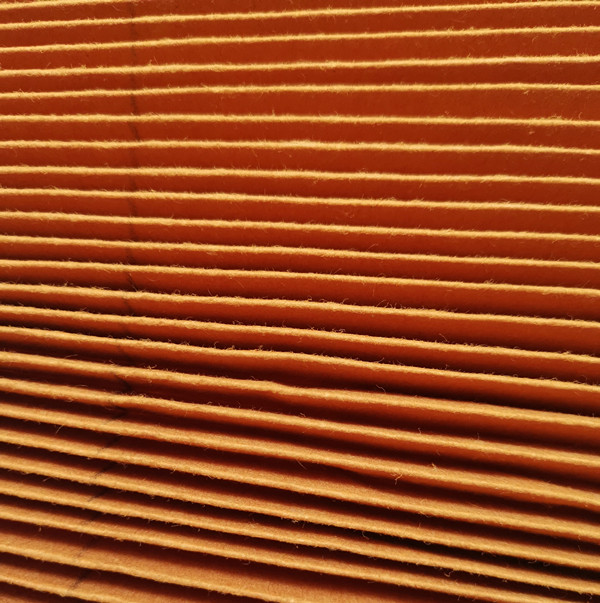
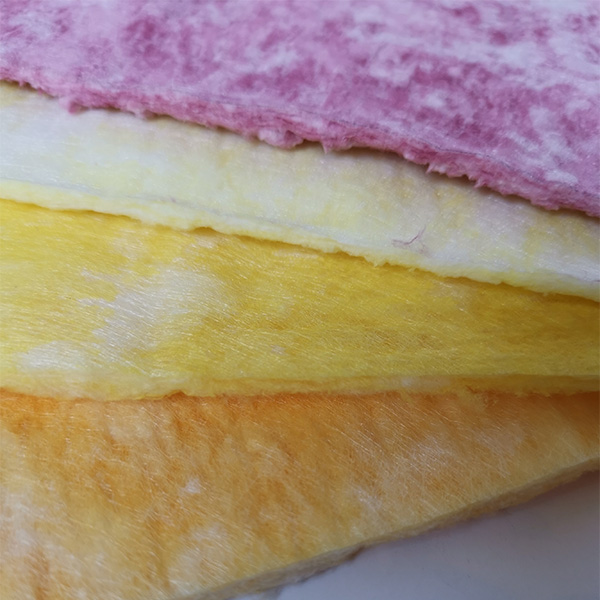
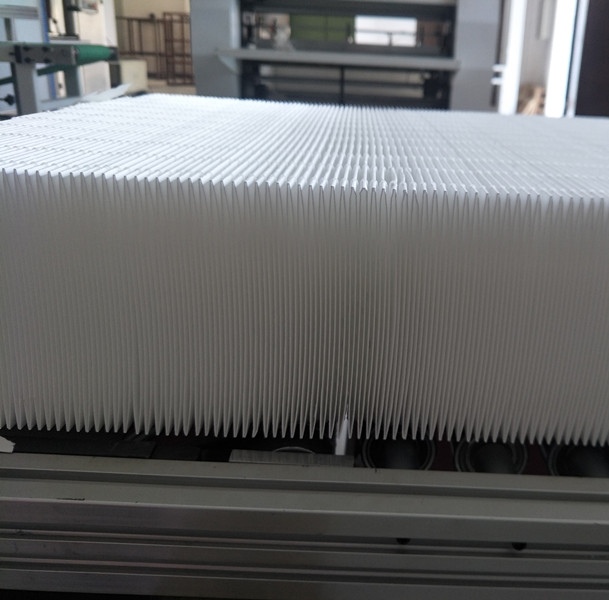
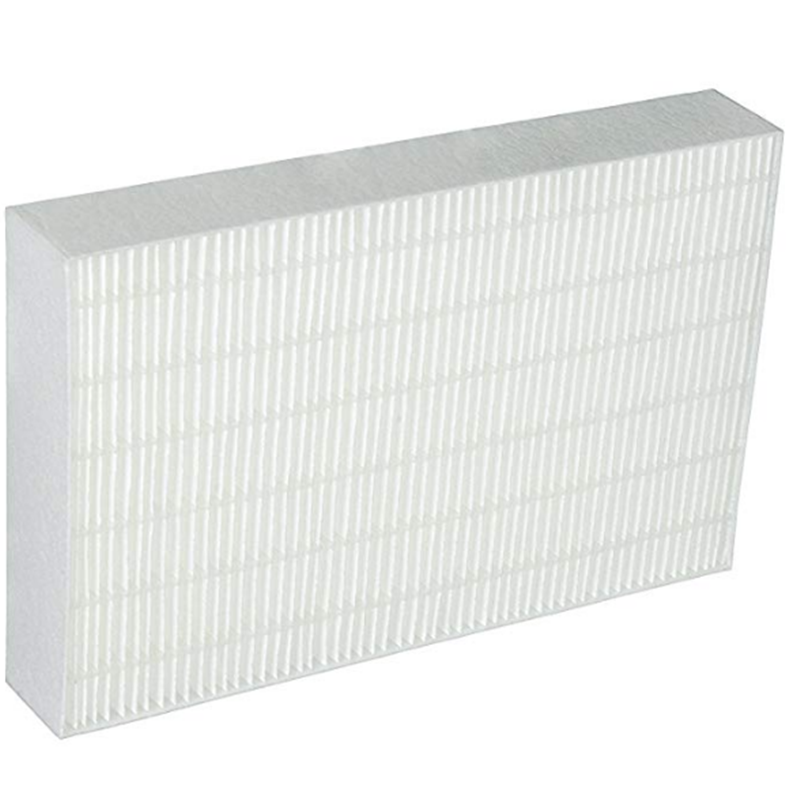
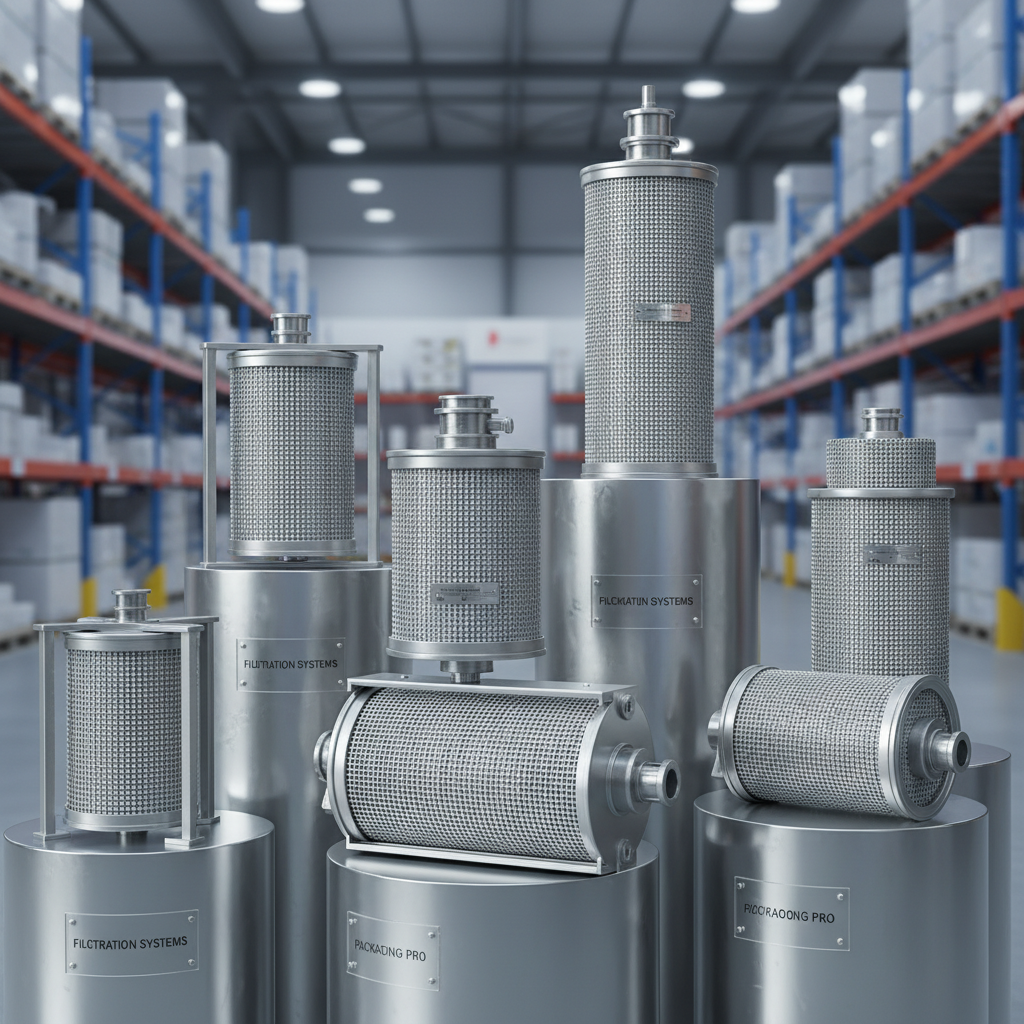
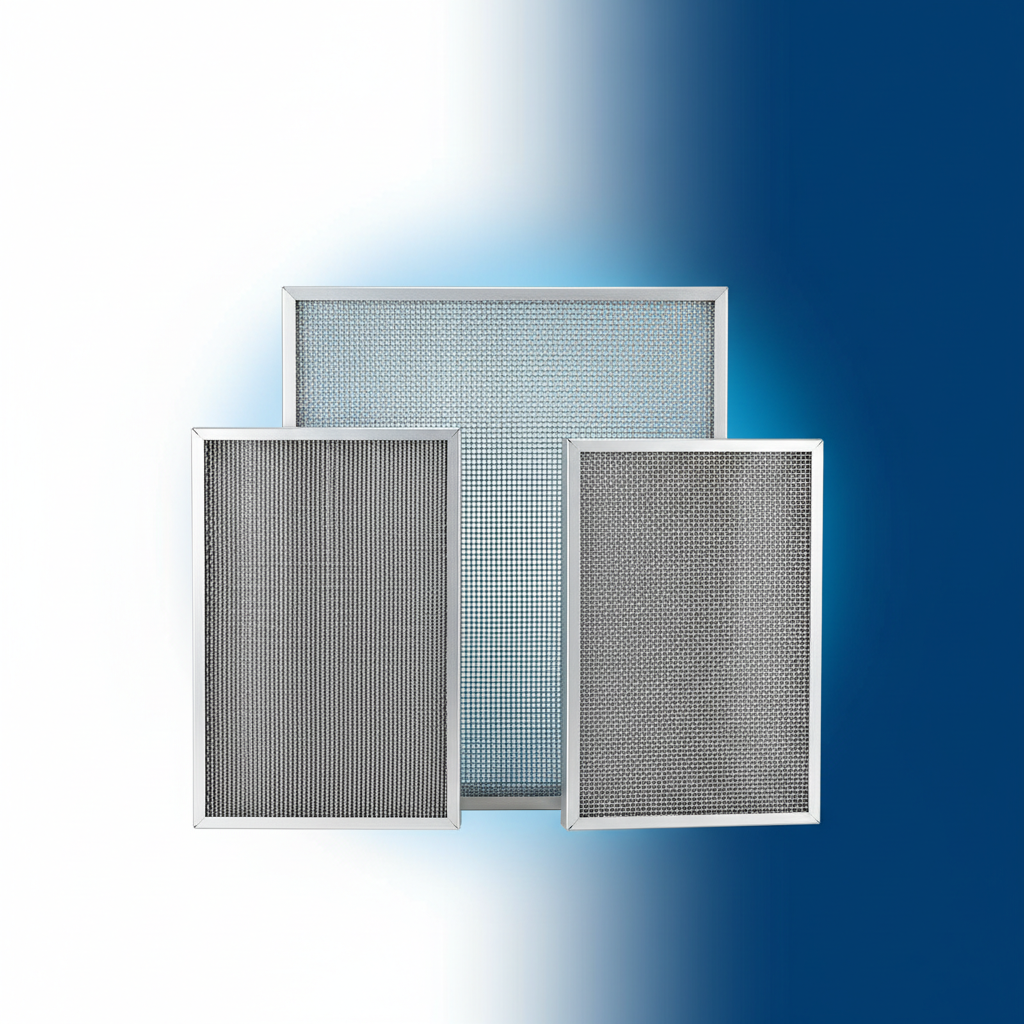
In real terms, dust filter media needs to balance filtration efficiency, abrasion resistance, and airflow. Too tight a weave and you lose airflow, which chokes your process. Too loose, and you’re coughing out fines. Many engineers I’ve chatted with swear by media made from polyester blends with PTFE membranes, because they offer a nice middle ground: durability and filtration. While PTFE-coated fabrics cost more upfront, they tend to reduce maintenance headaches over time.
That said, materials are only half the story. How the media is manufactured and tested is crucial. Quality vendors run rigorous lab tests simulating harsh environments—high temps, chemical exposure, moisture—you name it. The specs matter, but field validation often reveals how a product performs day-to-day. I suppose that’s why choosing a dust filter media supplier is part science, part relationship building.
| Property | Value | Units |
|---|---|---|
| Material | Polyester Needle-punched | - |
| Fabric Weight | 450-600 | g/m² |
| Air Permeability | 300-500 | l/m²/s |
| Temperature Resistance | 130 | °C |
| Surface Treatment | PTFE membrane coating | - |
When selecting filter media, it’s smart to compare vendors beyond just price. I’ve worked with suppliers that tout “industry-leading” specs but struggle with shipment consistency or technical support. Meanwhile, others might have modest specifications but stellar service and custom engineering capabilities — which frankly, in many cases, matters more.
| Vendor | Material Options | Customization | Technical Support | Lead Times | Pricing |
|---|---|---|---|---|---|
| Anya Filter Media | Polyester, Nomex, PTFE | High | Excellent | 2-4 weeks | Competitive |
| Generic Supplier A | Polyester only | Low | Limited | 1-2 weeks | Low |
| Premium Media Co. | Wide range, including silica and PTFE | Medium | Good | 3-5 weeks | Premium |
Here’s a little nugget I’ve seen play out time and again: investing a bit more in quality media upfront almost always pays dividends down the line. When one client of mine switched to a tailor-made PTFE-coated polyester media from a vendor who understood their process, their dust collection system’s longevity increased by nearly 30%. And that’s not trivial when you consider lost production hours.
All in all, whether you’re new to dust collection or a seasoned pro, choosing the right dust filter media means balancing specs, service, and real-world experience. It’s no mere fabric—it’s the backbone of clean air and smooth operations.
My takeaway? Never underestimate what your filter media can tell you about your operations — if you listen closely enough.
References:
- Industry Dust Collection Handbook, 2022.
- Filtration Media Testing Standards, ASTM F795-16.
- Case Studies in Biomass Plant Dust Control, 2023.
Post time: Jan-03-2026