Understanding Pet Filter Media: Why It Matters Globally
At first glance, pet filter media might not sound like the headline topic of the year — but its global importance is hard to ignore. Simply put, this material is the unsung hero behind cleaner water, better air, and efficient industrial filtration, touching everything from municipal water treatment plants to critical manufacturing hubs worldwide. With growing concerns about environmental pollution and resource scarcity, knowing how pet filter media works, and why it’s so vital, means understanding a key piece of modern sustainability puzzles.
The key benefits? Enhanced filtration efficiency, durability, and environmental friendliness. Put that together and you’ve got technology that helps industries reduce waste and pollution — quite a thing, considering the environmental strains we’re seeing globally.
The Global Context: How Pet Filter Media Fits into Modern Challenges
Globally, clean water access is a persistent challenge — according to the United Nations, over two billion people lack safely managed drinking water services. Industrial pollution plays a hefty part in that. Pet filter media, typically made from polyethylene terephthalate (PET), is a key component in filtration systems that clean wastewater or purify air in factories and municipal plants alike. Oddly enough, these seemingly simple fibers and sheets form the frontline defense against dirty water and contaminated air.
The World Bank reports roughly 80% of wastewater globally is released untreated. This grim fact makes innovations in filtration materials like pet filter media not just interesting but necessary.
What Exactly Is Pet Filter Media?
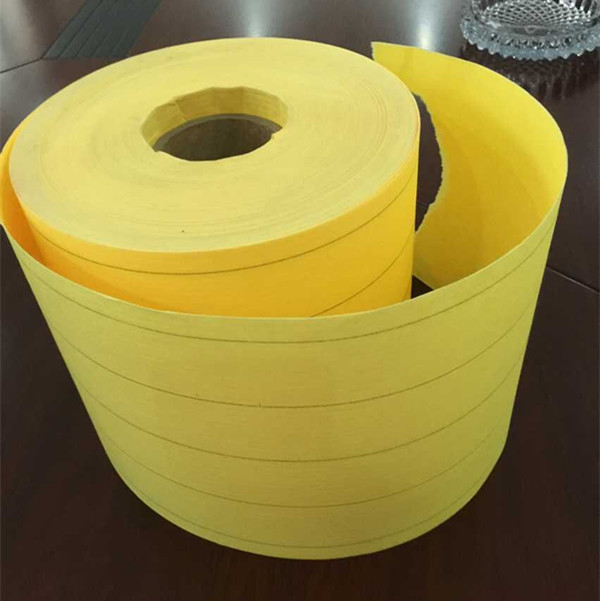
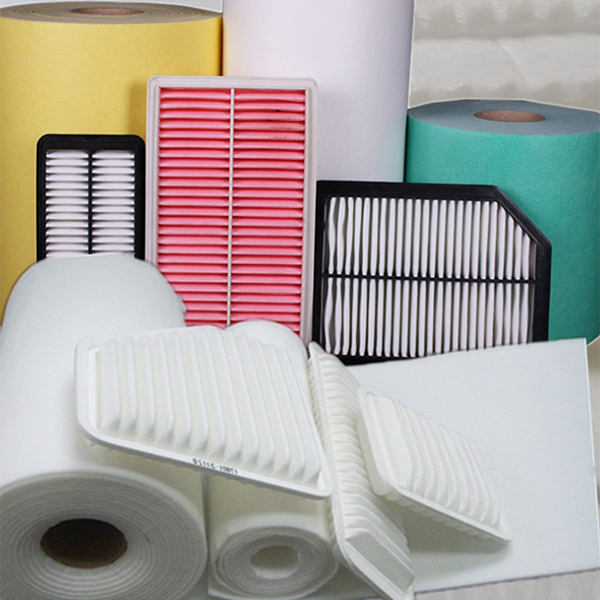
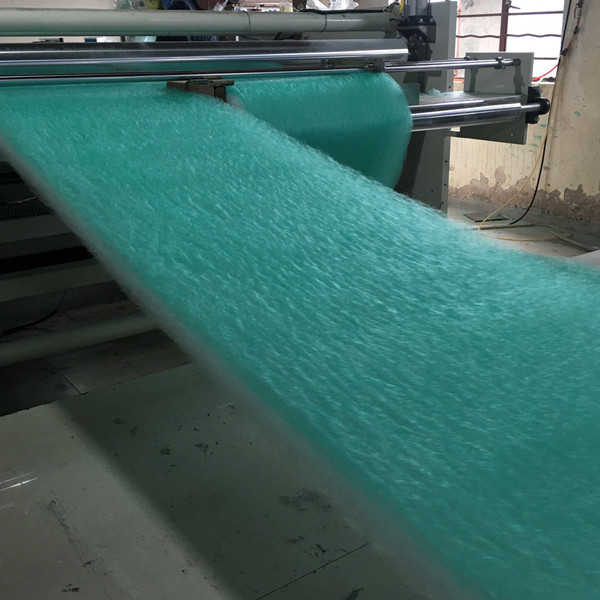
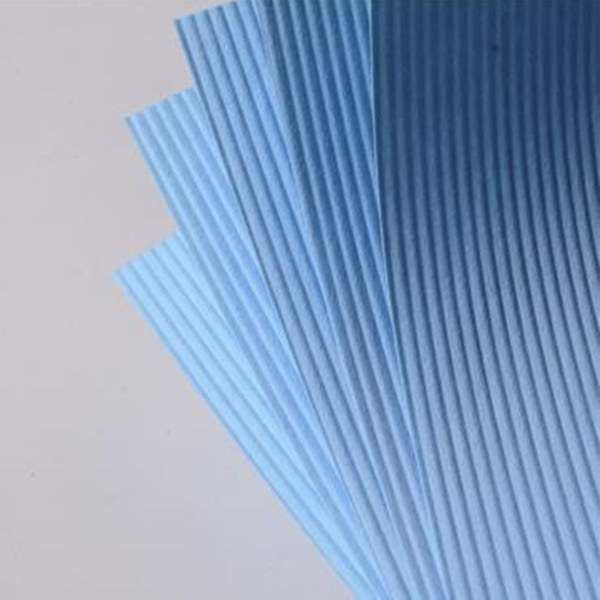
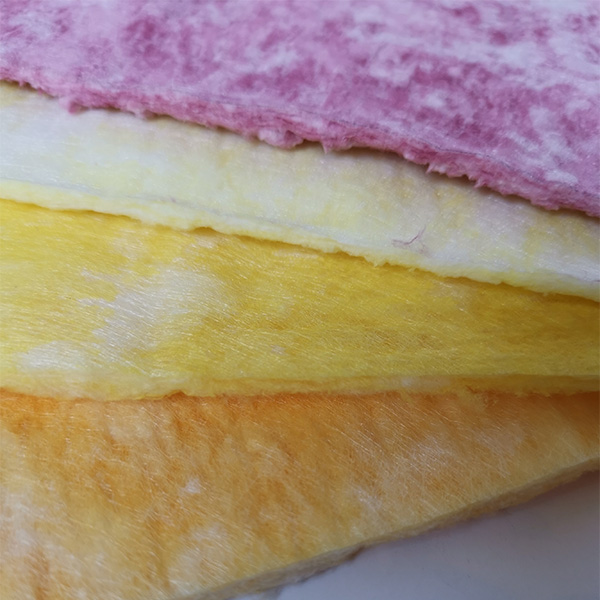
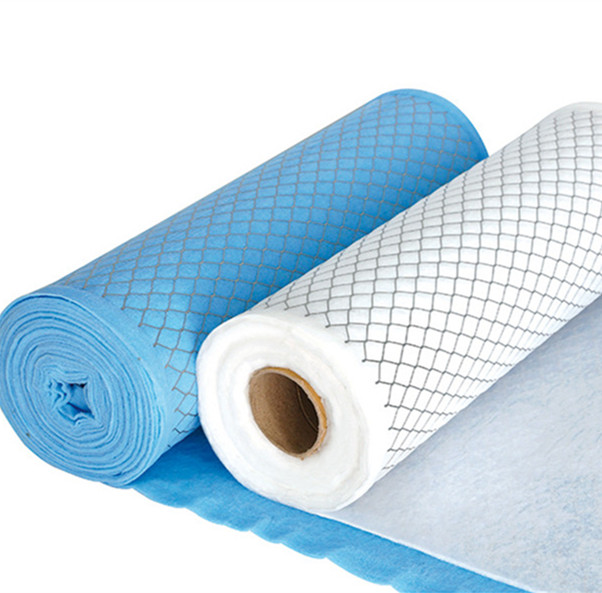
Simply put, pet filter media is a synthetic filtration material derived mostly from PET polymer (yes, the same kind used in plastic bottles). It’s engineered to trap particles, sediments, and microscopic contaminants when water or air passes through. It operates like a customizable sieve — but far more advanced.
In humanitarian terms, this kind of media is crucial in emergency water purification systems or mobile filtration units. Its lightweight nature and durability mean it’s deployable even under the toughest conditions. It intersects the needs of industry, environment, and people — a fascinating overlap that embodies modern filtration technology’s potential.
Key Factors That Define Great Pet Filter Media
Durability: Standing Up to Harsh Environments
One of the standout characteristics of pet filter media is its durability — resistance to chemicals, heat, and mechanical stress. This means fewer replacements and less downtime, which industries love given costly production halts.
Filtration Efficiency: Capturing the Nitty-Gritty
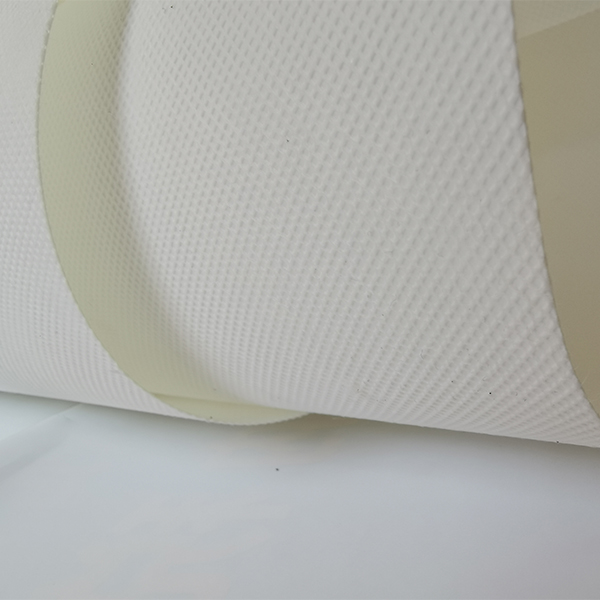
The media’s fine fiber structure allows it to trap tiny contaminants down to a few microns. In practice, this means cleaner water and air, fewer health hazards, and regulatory compliance — which, frankly, can be a headache otherwise.
Environmental Impact: Recyclability and Sustainability
Interestingly, pet filter media is often made from recycled PET bottles, closing the loop on plastic waste. This makes it an eco-friendly filtration choice, proactively reducing landfill burden.
Cost Efficiency: Balancing Price and Performance
Though advanced, pet filter media is often competitively priced compared to alternatives. Many engineers I’ve talked to highlight its long lifespan and reusable nature, which reduce lifecycle costs dramatically.
Adaptability: Customized Solutions Across Industries
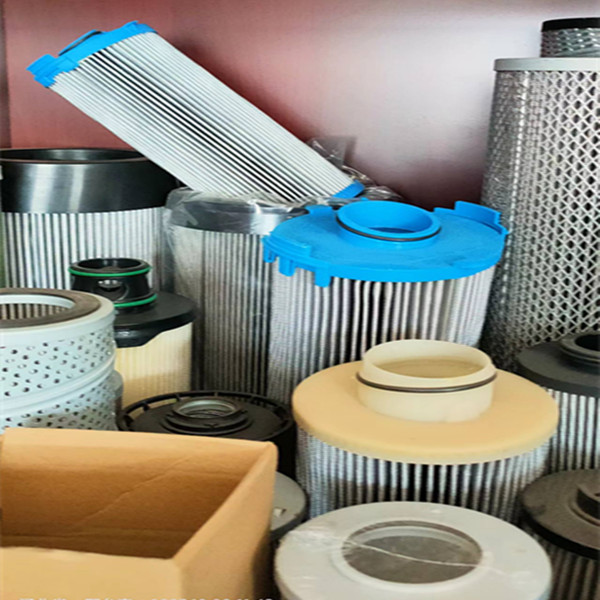
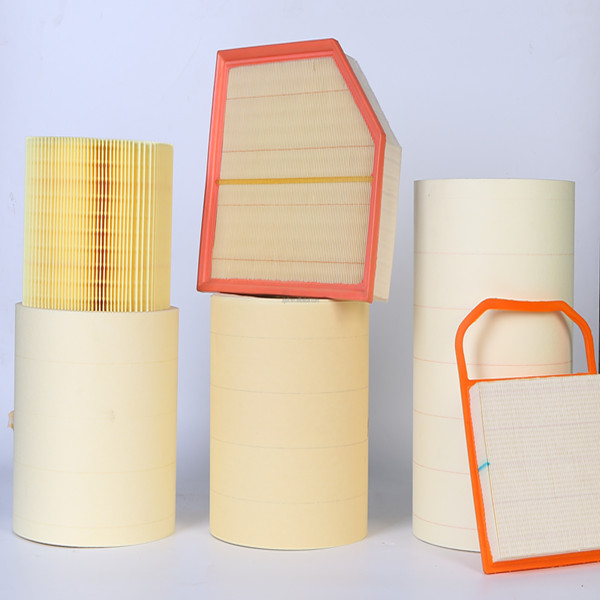
The media’s flexible manufacturing process lets it be tailored for specific needs — whether in industrial dust collection, water purification, or HVAC systems.
Mini takeaway: The magic of pet filter media lies in its blend of durability, efficiency, and sustainability — a winning trifecta for filtration challenges worldwide.
Applications: Where You’ll Find Pet Filter Media in Action
Interestingly, pet filter media is everywhere — you just might not realize it. From sprawling industrial zones in Southeast Asia to emergency water setups in earthquake-ravaged regions, this material pulls its weight.
- Municipal water treatment: Cleaning urban wastewater before release or reuse.
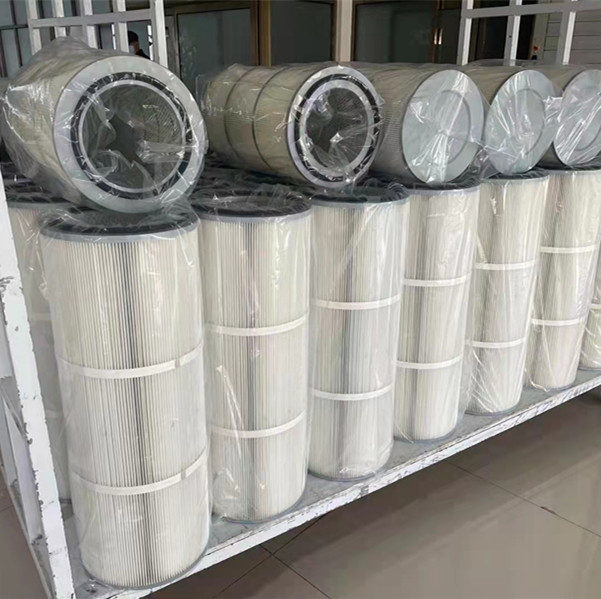
- Industrial filtration: Capturing airborne dust or liquids contaminants in factories, especially in automotive or electronics manufacturing.
- Disaster relief: Portable filtration units using pet media purify water in remote or crisis-hit areas rapidly.
- Agricultural uses: Filtering irrigation water to protect crops and soil health.
For example, a non-profit working in disaster zones in Nepal used PET-based filters to provide safe drinking water after floods knocked out local infrastructure. That’s a direct human impact—pretty powerful stuff.
Advantages & The Long-Term Value of Pet Filter Media
Beyond just “doing the job,” pet filter media offers:
- Reliability & Safety: High filtration consistency means fewer health risks.
- Economic Savings: Less frequent replacements and maintenance reduce operational costs.
- Environmental Benefits: Use of recycled materials and lower waste output.
- Social Impact: Safer water and air improve community wellbeing and industrial worker safety.
I find the emotional angle important here — the idea that better filters mean cleaner resources and a little more peace of mind. Sometimes, innovation is about trust in everyday life.
Spotlight on Specifications: Typical Pet Filter Media Properties
| Specification | Details |
|---|---|
| Material | Recycled PET polyester fibers |
| Micron Rating | 0.5 to 10 microns (customizable) |
| Thickness | 1.5 mm to 15 mm |
| Temperature Resistance | Up to 120°C (248°F) |
| Chemical Resistance | Good resistance to acids, alkalis, and solvents |
| Lifespan | 6 months to 2 years (depending on application) |
Comparing Leading Pet Filter Media Vendors
| Vendor | Material Source | Customization Options | Price Range | Lead Time |
|---|---|---|---|---|
| EcoFilter Co. | 100% recycled PET | Micron, thickness, shape | $$$ | 2-3 weeks |
| ClearStream Filtration | Recycled + virgin PET blend | Standard sizes & micron ratings | $$ | 1-2 weeks |
| PolyTech Filters | Virgin PET with proprietary treatment | Chemical resistance, shape, size customization | $$$$ | 3-4 weeks |
Emerging Trends & Where Pet Filter Media Is Headed
It’s not just about filtering particles anymore. The future of pet filter media is wrapped up in sustainability and smart technology. Companies are developing bio-based PET blends, combining filtration with photocatalytic surfaces that degrade pollutants actively. Automation in filter maintenance and IoT-enabled monitoring systems ensure quicker responses to clogging and damage.
There’s a clear push towards greener production and lifecycle management, driven by new global policies and environmental pledges. I noticed several startups partnering with software companies to integrate sensor data into filtration performance analytics — promising for industries looking to optimize costs.
Common Challenges & How Industry Innovates Solutions
No tech is perfect, and pet filter media faces hurdles. For instance, clogging in high-pollutant environments reduces lifespan — especially if not maintained properly. The fine fibers can also sometimes pose recycling challenges themselves.
Industry experts recommend combining pet filter media with pre-filters or backwashing technologies to extend service life. There’s also promising research in coatings that resist fouling or microbial growth to keep filters fresh longer.
FAQ: Frequently Asked Questions About Pet Filter Media
- What makes pet filter media better than traditional glass fiber filters?
- Pet filter media offers higher durability, chemical resistance, and can be recycled, whereas glass fiber filters tend to be brittle and hazardous to dispose of. Plus, pet media can be engineered for tailored micron ratings.
- How long can pet filter media effectively last in industrial applications?
- Longevity varies from 6 months to 2 years depending on contaminant levels and maintenance. Regular cleaning or replacement schedules ensure optimal performance.
- Is pet filter media environmentally sustainable?
- Yes, many pet filter media products are made from recycled PET bottles, reducing plastic waste. However, end-of-life recycling must be managed carefully to maintain sustainability.
- Can pet filter media be customized for specific industries?
- Absolutely. Vendors offer customization in micron size, thickness, shape, and chemical resistance tailored to particular industrial needs such as pharmaceuticals, food processing, or wastewater treatment.
- How can smaller companies source reliable pet filter media?
- Smaller firms can request sample batches from reputable suppliers and look for certifications like ISO 14001 to ensure quality and sustainability standards are met.
Wrapping Up: The Long-Term Value of Pet Filter Media
Looking back across industries and geographies, pet filter media emerges as more than just a product — it’s a vital player in improving water and air quality, enhancing sustainability, and serving communities in critical need. Its adaptability and eco-friendly credentials make it a promising material for the future.
Curious to explore the right pet filter media for your applications? Visit our website: pet filter media and discover customized solutions tailored for you.
References:
Post time: Nov-30-2025