Understanding PP Filter Media: Why It Matters in Today’s World
It’s fascinating when you pause to think about something as simple as pp filter media — polypropylene-based filtration material — and realize how pivotal it has become globally. Why? Because clean air and water touch every aspect of life, from health and safety to industrial production and environmental protection.
These filter media are not just components; they’re the unsung heroes in countless air purification systems, water treatment plants, and industrial filters. They help reduce pollution, improve efficiency, and even support humanitarian efforts in disaster zones. So, wrapping your head around what this material is and how it works offers both an eye-opener and a roadmap to smarter infrastructure worldwide.
The Global Context: How PP Filter Media Tackles Environmental and Industrial Challenges
Globally, air and water pollution remain stubborn problems. According to the United Nations Environment Programme (UNEP), over 90% of the world’s population breathes air exceeding WHO limits of pollutants. Industrial activities, urban growth, and energy use only compound this. Meanwhile, clean water access affects billions, especially in developing regions.
PP filter media comes into focus as a vital solution. Made primarily from polypropylene fibers, these filters trap particulates, bacteria, and other pollutants efficiently. The International Organization for Standardization (ISO) sets rigorous standards on particle capture efficiency, highlighting why such high-performance media is critical for protective masks, HVAC systems, and water filtration units.
But here’s the thing: not all filters are created equal. Ordinary materials clog quickly or fail at capturing fine dust, while pp-based media offers a balance of durability and breathability — a detail more important than you might guess.
So, What Exactly Is PP Filter Media?
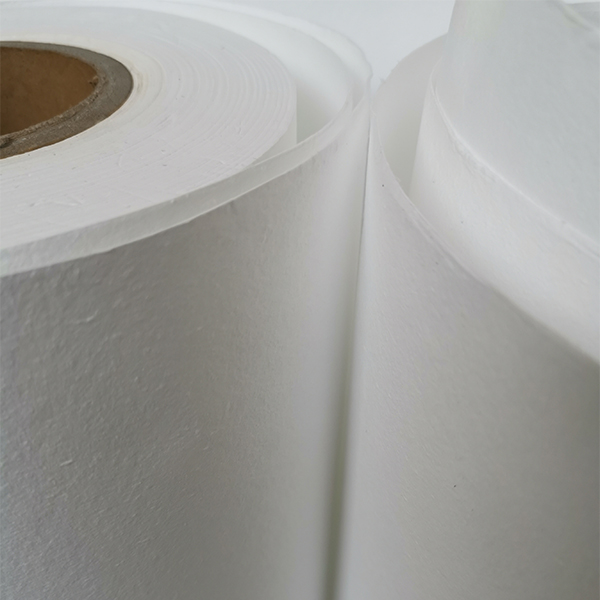
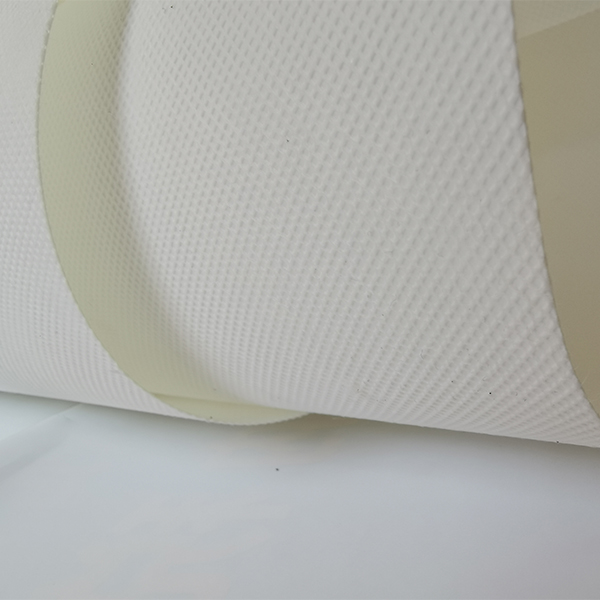
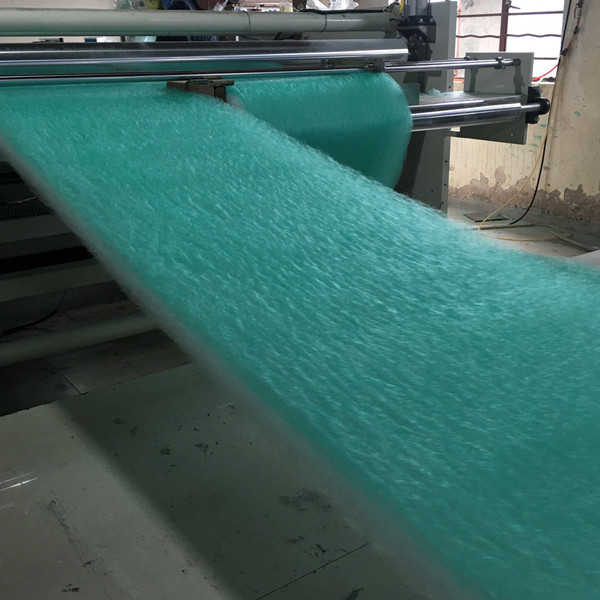
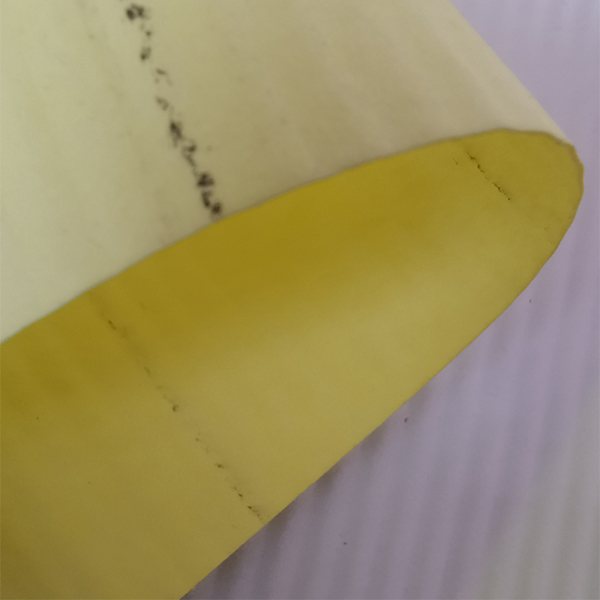
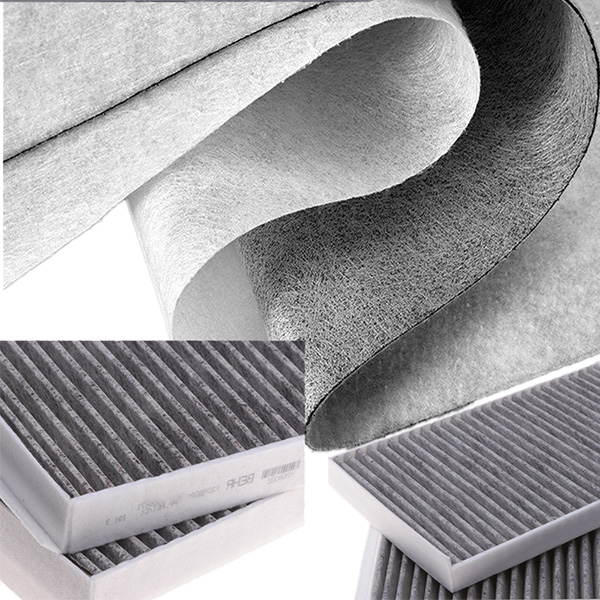
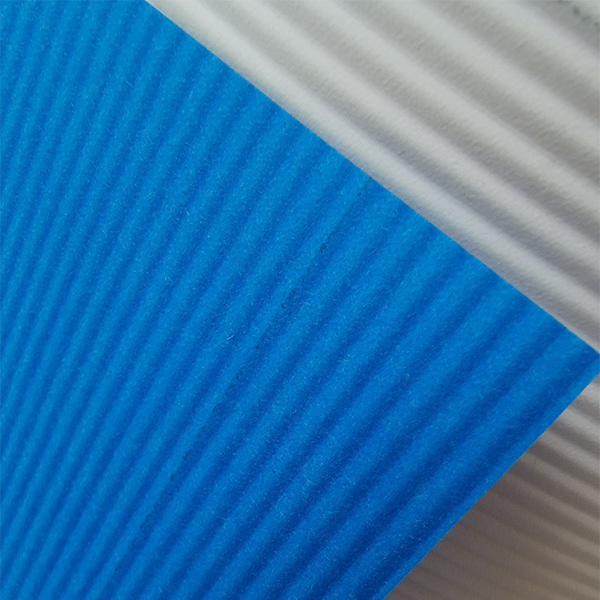
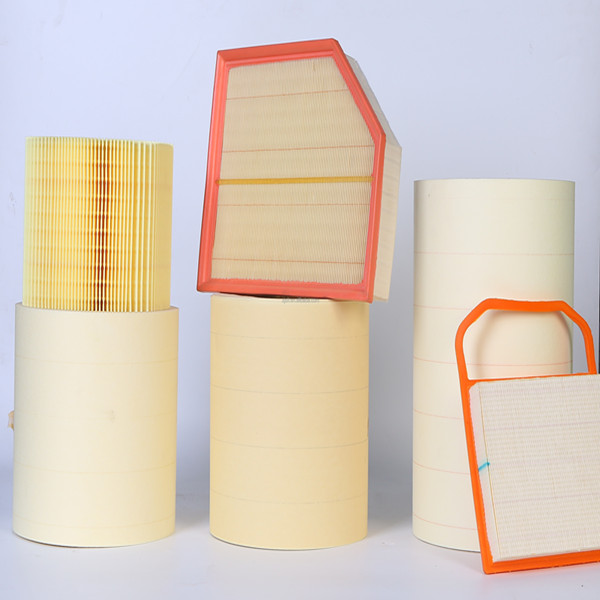
In plain terms, PP filter media is a sheet or web-like fabric made from polypropylene fibers arranged to trap particles mechanically or electrostatically. It’s lightweight, chemically resistant, and cost-effective to produce.
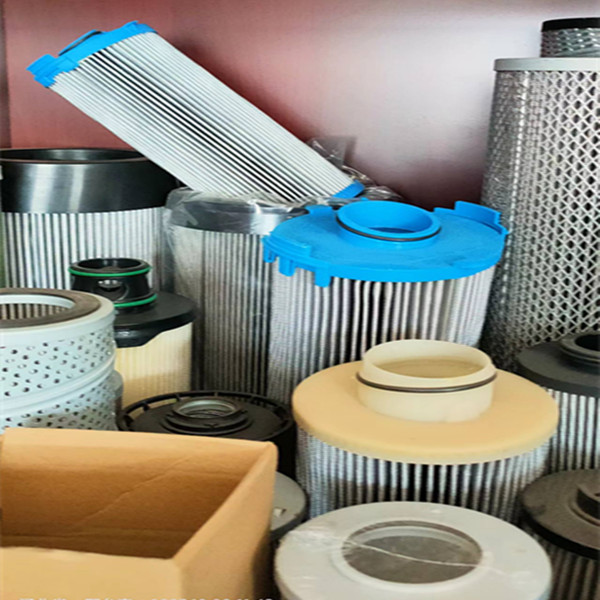
Industries from automotive and pharmaceuticals to disaster relief and agriculture rely on these filter layers to keep harmful contaminants out. Even consumer products, such as surgical masks and vacuum cleaners, use variants of this media. The beauty of pp media lies in its adaptability — you can tweak fiber diameter, density, and layering to target specific filtration goals.
Key Characteristics at a Glance:
- Nonwoven structure
- Hydrophobic and oleophobic properties
- Compatibility with electrostatic charging techniques
- Highly porous, yet strong
Core Components and Factors That Define PP Filter Media Performance
1. Durability and Chemical Resistance
Polypropylene fibers resist a wide range of chemicals and moisture, which makes pp filter media ideal in harsh industrial atmospheres or outdoor air purification systems. This longevity reduces replacement frequency — something heavy users appreciate.
2. Filtration Efficiency
Depending on fiber size and layering, pp filter media can trap particles from several microns down to submicron level, including airborne bacteria and dust. This is crucial in hospitals and manufacturing plants.
3. Breathability and Airflow
No one wants an air filter that chokes airflow. PP media balances particle capture and airflow resistance so machines or humans don’t struggle to breathe through it.
4. Scalability and Customization
Whether it’s a small-fan filter or massive industrial vent systems, polypropylene filters can be produced in different sizes, thicknesses, and configurations — helping manufacturers meet exact technical specs.
5. Cost Efficiency
Relative to other synthetic materials, polypropylene is abundant and inexpensive, making pp filter media a go-to for affordable filtration solutions with a high return on investment.
Mini Takeaway
In essence, pp filter media is a versatile material balancing toughness, efficiency, and cost — all essential as filtration demands rise globally.
How PP Filter Media Fits into Global Applications
Oddly enough, you’ll find polypropylene filter media in places as diverse as:
- Post-disaster relief operations: Lightweight filters in water purifiers and masks help affected populations breathe and drink safely.
- Industrial zones in South-East Asia: Protecting factory workers and equipment from pollution and particles.
- Healthcare: Surgical masks and respirators rely on pp media’s fine filtration and breathability.
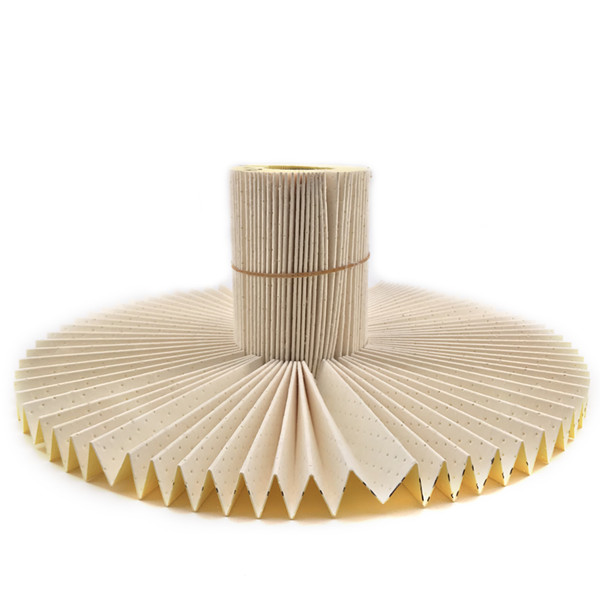
- Automotive: Cabin air filters use pp media to keep interiors clean and reduce allergens.
Even in developed countries, tighter pollution rules push innovation in HVAC system filters — and polypropylene remains a standout material. For example, factories in Germany have implemented high-grade pp filter media in exhaust systems, dramatically cutting particulate emissions.
Product Specification Table: Typical PP Filter Media Characteristics
| Specification | Typical Value | Unit | Notes |
|---|---|---|---|
| Fiber Diameter | 1.8 – 3.5 | Microns | Affects filtration capacity |
| Basis Weight | 40 – 100 | g/m² | Influences strength and thickness |
| Air Permeability | 300 – 700 | L/m²/s | Balance of airflow and filtration |
| Filtration Efficiency | >95% | % | For particulate sizes >0.3 microns |
| Max Operating Temp | 90 – 110 | °C | Depends on manufacturing process |
Comparing Leading Vendors of PP Filter Media
| Vendor | Main Strengths | Price Range | Certification | Global Reach |
|---|---|---|---|---|
| FilterTech Industries | High filtration efficiency, customized orders | $$$ | ISO 9001, ISO 14001 | North America, Europe |
| PP Solutions Ltd. | Cost-effective, fast delivery | $ - $$ | ISO 9001 | Asia, Africa |
| CleanFlow Corp. | Eco-friendly production, wide product range | $$$ | ISO 14001, Oeko-Tex | Europe, North America, Asia |
The Long-Term Value and Advantages of PP Filter Media
It’s not just about filtering particles—it’s about what those particles stand for. Cleaner air in hospitals means fewer infections and safer procedures. Better water filtration in disaster-hit areas restores dignity and health.
Such sustainability hinges on reliability and cost-efficiency, both hallmarks of pp filter media. It’s lightweight yet durable, functional yet affordable. Because it resists chemicals and moisture, it lasts longer, reducing waste and lowering carbon footprints — important for companies serious about green initiatives.
Moreover, it inspires trust. When engineers specify pp filter media for high-stakes cleanroom environments or personal protective equipment, they know there’s little margin for error.
Emerging Trends and Innovations
We’re seeing exciting advances on several fronts:
- Nanofiber integration: Adding ultra-fine nanofibers onto pp webs can boost filtration without sacrificing air flow.
- Electret charging: A process that imparts static charge to the fibers, dramatically increasing their ability to capture tiny particles.
- Bio-based polypropylene: To help tackle plastics waste, researchers explore bio-PP variants derived from renewable sources.
- Smart filters: IoT-enabled filters that monitor clogging levels and signal when replacement is needed.
Challenges Facing the PP Filter Media Sector and Possible Solutions
Of course, no miracle material comes without hurdles. PP filter media can degrade under UV exposure and high heat, and sometimes electrostatic charges dissipate after prolonged use, lowering efficiency.
Manufacturers counter these issues with specialized coatings, multi-layer designs, and embedding stabilizers. Meanwhile, recycling polypropylene filter waste remains complex but is advancing through better sorting technology.
Innovation here isn’t just technical but systemic — integrating with circular economy models and better end-of-life management.
Frequently Asked Questions About PP Filter Media
Q1: How long does pp filter media typically last in air filtration systems?
A1: Lifespan varies depending on environment and use but usually ranges from 3 to 12 months. Regular monitoring helps determine when replacement is needed to maintain efficiency.
Q2: Is polypropylene filter media recyclable?
A2: In theory, yes — PP is recyclable. However, filters often get contaminated, complicating recycling. Advances in sorting and cleaning are gradually improving feasibility.
Q3: Can pp filter media capture viruses and bacteria effectively?
A3: Yes. Especially when electrostatically charged, pp filter media can capture particulates at sizes smaller than typical bacteria and virus carriers, making it ideal for masks and hospital air systems.
Q4: What factors influence the cost of pp filter media?
A4: Key factors include fiber diameter, basis weight, treatment processes (like charging), quantity ordered, and vendor location. Customizations also raise costs but improve performance.
Q5: How is pp filter media tested for quality?
A5: Quality testing involves standards like ISO 16890 for air filters, which check particulate capture efficiency, airflow resistance, pressure drop, and durability under simulated conditions.
Conclusion: Why PP Filter Media Keeps Making the Cut
Looking ahead, pp filter media is more than a product — it’s a foundation of cleaner, safer, and more sustainable industrial and humanitarian practices. Its unique blend of affordability, adaptability, and performance ensures it will remain front and center in filtration technologies worldwide.
Curious to explore further? Visit our website for in-depth resources and product details: https://www.anyafiltermedia.com.
Quick Takeaway:
Whenever you see a mask, a water purifier, or an air filter doing its job flawlessly, there’s a good chance pp filter media is behind it — quietly filtering our world one particle at a time.
References
Post time: Nov-30-2025