Understanding Nonwoven Filter Material: A Global Essential
At first glance, "nonwoven filter material" might sound like industry jargon reserved for lab coats or factory floors, yet it's quietly shaping how we breathe, drink, and live healthier lives worldwide. Basically, these materials act as silent guardians — stopping particles, bacteria, and pollutants in their tracks without us really noticing. As global populations swell and environmental demands escalate, understanding nonwoven filter material is more than just technical trivia; it’s a step towards tackling air and water pollution, improving medical safety, and even empowering humanitarian relief efforts.
Mini takeaway: Nonwoven filter materials aren’t niche—they’re vital to clean air and water, impacting billions daily.
Nonwoven Filter Material in a Global Context
Globally, industries and governments face increasing pressure to meet strict environmental and health standards. According to the International Organization for Standardization (ISO), airborne particles and contaminated water sources remain among the top risks to public health. The UN and World Bank report rising pollution levels in emerging economies, which fuels demand for filter technologies.
Nonwoven filter materials, thanks to their efficient particle-capturing abilities, have become the backbone of protective masks, water purification systems, and HVAC filters worldwide. Yet, despite their widespread use, supply chain bottlenecks and raw material constraints challenge the scalability of these filters, especially in crisis zones or rapidly urbanizing regions.
Mini takeaway: Nonwoven filter materials are pivotal in global health and environmental efforts but face production and distribution challenges.
What Exactly Is Nonwoven Filter Material?
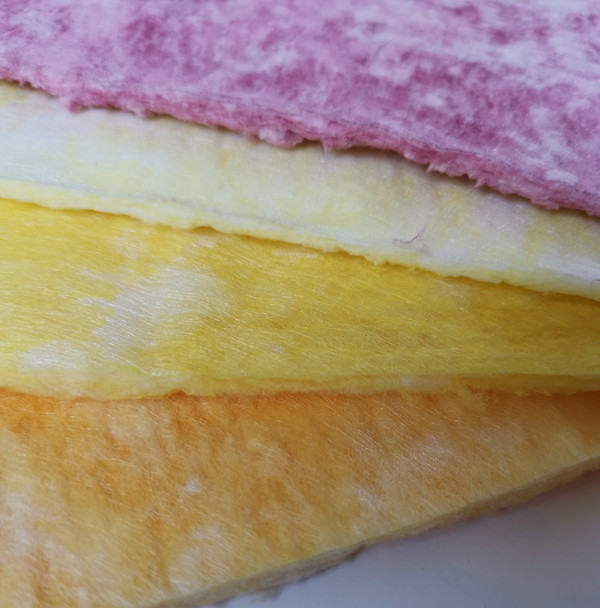
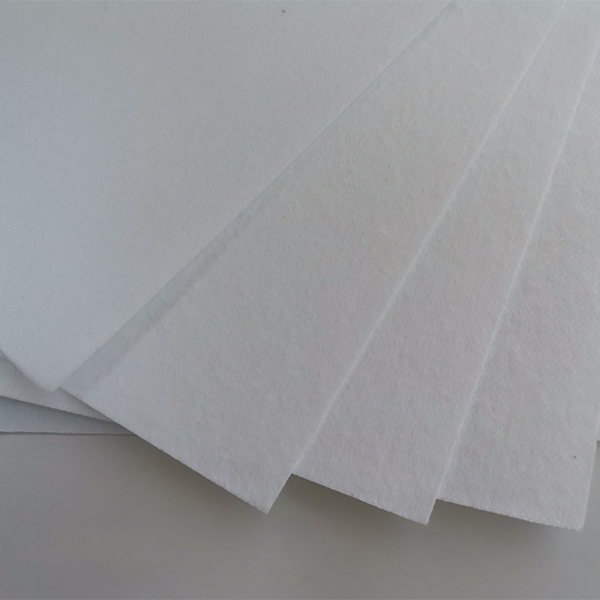
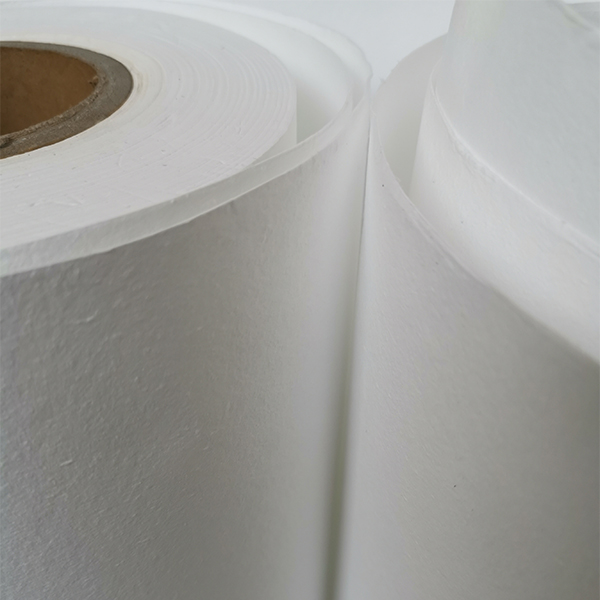
Simply put, nonwoven filter materials are sheets or webs made from fibers bonded together—not woven or knitted like traditional fabrics. This structure gives them unique traits: porosity, durability, and importantly, the ability to trap microscopic particles while allowing air or liquids through.
Think of it as a microscopic spiderweb—only the threads are engineered fibers designed for filtering, rather than nature’s silk. Such materials often consist of polyester, polypropylene, or other synthetic fibers, sometimes blended with natural fibers depending on the application.
Their roles extend beyond industry: in hospitals, nonwoven filters fend off infection in masks and gowns; in communities, they cleanse contaminated water; and in factories, they protect machinery from dust and pollutants.
Mini takeaway: Nonwoven filter materials use engineered fibers arranged to efficiently sift out contaminants from air or water.
Key Features of Nonwoven Filter Materials
1. Durability and Strength
Despite their delicate filtering role, these materials are surprisingly tough. Many are engineered to resist tearing or deformation under strain, which is essential in hospital settings or industrial environments. Durable nonwovens ensure consistent filtering over extended periods, avoiding unexpected failures.
2. Porosity and Filtration Efficiency
One big magic trick is balancing pore size—that is, letting air or fluids flow unrestricted, yet stopping harmful particles (like dust, bacteria, or microplastics). Filter grades vary widely here, from coarse filters used in HVAC systems to ultra-fine membranes in respirators.
3. Scalability and Cost Efficiency
Mass production of nonwoven filters is relatively straightforward owing to their mechanical manufacturing processes, making them affordable. This is crucial when you need millions of masks in a health emergency or affordable water filters in remote areas.
4. Chemical and Thermal Resistance
Many applications demand exposure to chemicals or high temperatures—for example, sterilization processes in hospitals. Materials like polypropylene excel here, maintaining integrity to ensure health standards are met.
5. Customizability
Nonwoven filters can be engineered with added features: antimicrobial coatings, hydrophobic or hydrophilic properties to either repel or absorb moisture, and combined layering techniques for improved safety without sacrificing breathability.
| Specification | Typical Range | Notes |
|---|---|---|
| Fiber Types | Polypropylene, polyester, blends | Depends on application: medical vs. industrial |
| Pore Size | 0.1 – 10 microns | Smaller pores = higher filtration efficiency |
| Thickness | 100 – 500 microns | Varies by layering needs |
| Weight (gsm) | 10 – 100 gsm | Higher gsm means denser fabric |
| Temperature Resistance | Up to 130°C | Sufficient for most sterilization methods |
Mini takeaway: Nonwoven filter materials are a delicate balance of strength, customizable porosity, and resilience tailored to exact needs.
Real-World Applications of Nonwoven Filter Material
Nonwoven filters touch almost every corner of modern life:
- Healthcare: Hospitals use them in surgical masks, gowns, and protective covers. The COVID-19 pandemic revealed how crucial these materials really are, making N95 and surgical masks household terms overnight.
- Water Treatment: In sub-Saharan Africa and parts of Asia, affordable nonwoven filters help remove bacteria and sediment, turning unsafe water into life-saving hydration.
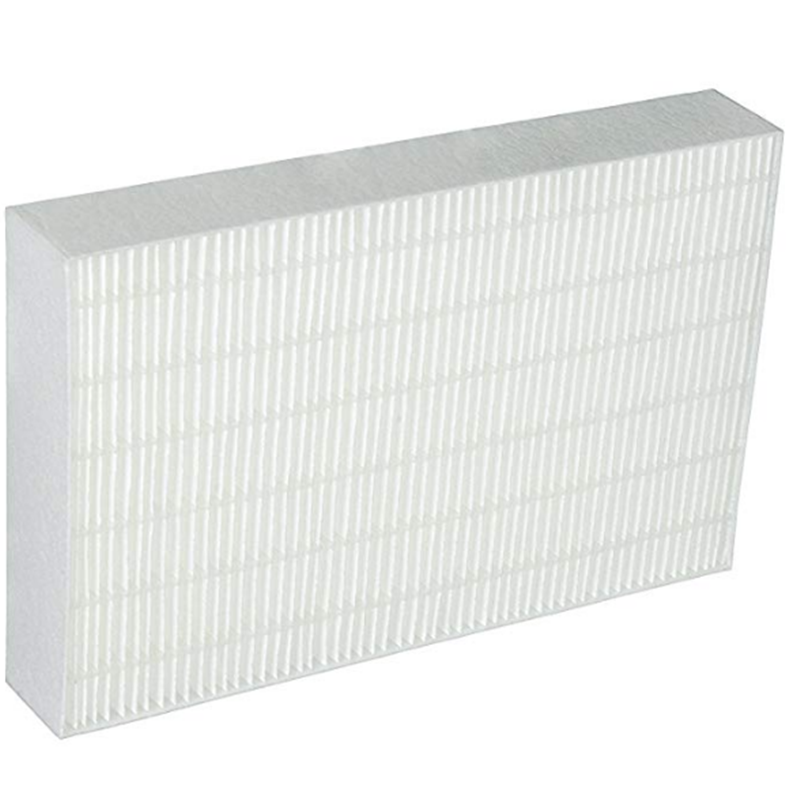
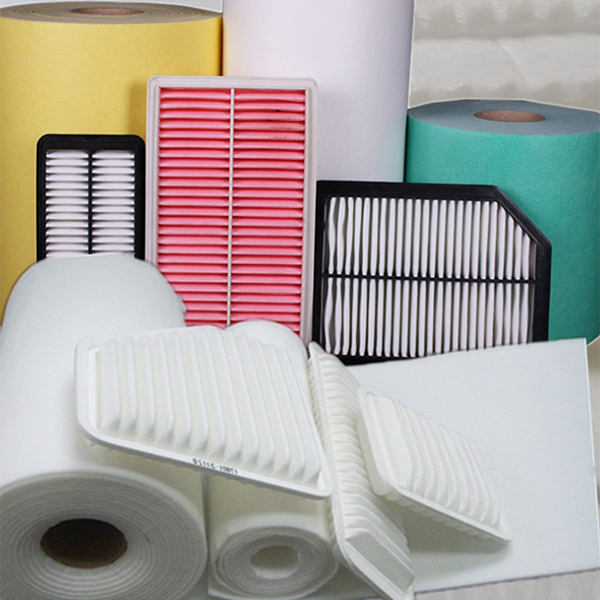
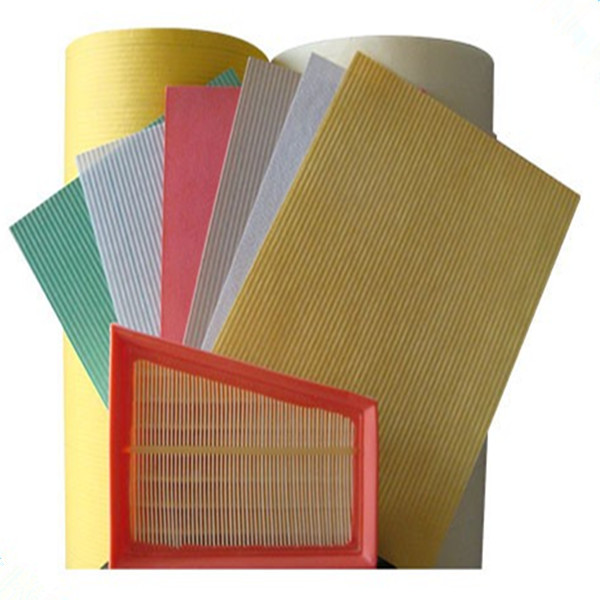
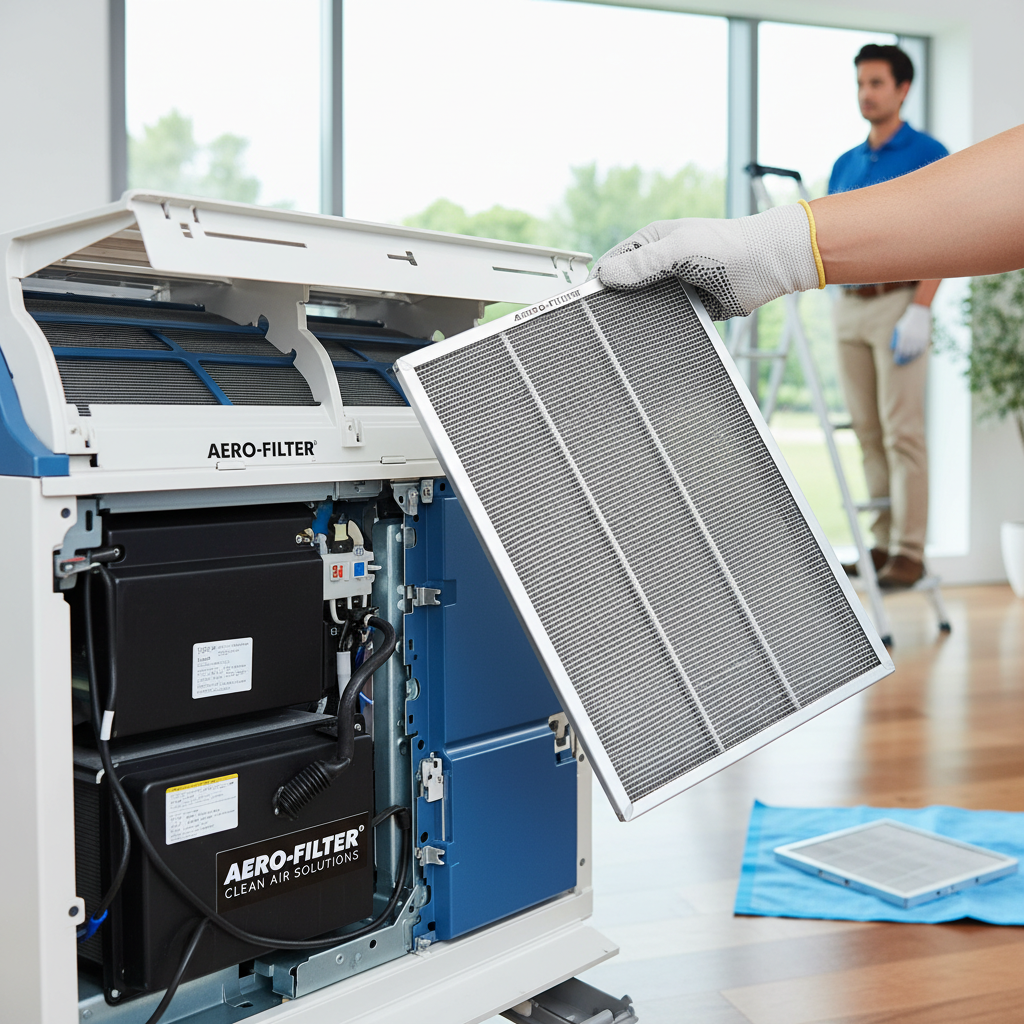
- HVAC Systems: Buildings and vehicles rely on these filters to purify air, improving indoor quality and reducing allergens.
- Industrial Uses: Factories employ nonwoven materials for dust filtration to protect machines and workers alike, especially in mining or chemical plants.
- Disaster Relief: NGOs and governments distribute portable filtration units using nonwoven membranes to provide safe drinking water quickly after floods or earthquakes.
Mini takeaway: Nonwoven filter materials are indispensable in health, water safety, industry, and emergency response globally.
Advantages & Long-Term Impact
There’s a lot to like about nonwoven filter materials beyond their core functionality:
- Cost-Effectiveness: Economies of scale lower prices, making clean air and water accessible to more people.
- Environmental Sustainability: Some manufacturers are innovating with biodegradable fibers or recycling post-use filters to reduce waste.
- Social Benefits: By enabling safer living conditions, these materials promote dignity and wellbeing, especially in underserved communities.
- Reliability: With decades of refinement, nonwoven filter technology offers trusted performance, critical in medical and security contexts.
On an emotional level, knowing the air you breathe or the water you drink has been carefully filtered through such engineered fabrics brings peace of mind. Frankly, it feels like an invisible safety net.
Mini takeaway: Nonwoven filter materials combine affordability, environmental promise, and essential social health impacts in one package.
Looking Ahead: Trends and Innovations
The future of nonwoven filter materials looks exciting. Around the corner are developments like:
- Green Materials: Bio-based fibers that degrade safely, reducing landfill impact.
- Smart Filters: Embedded sensors monitoring filter efficiency in real-time, allowing predictive maintenance.
- Nanofiber Layers: Ultra-fine layers improving filtration rates without compromising breathability.
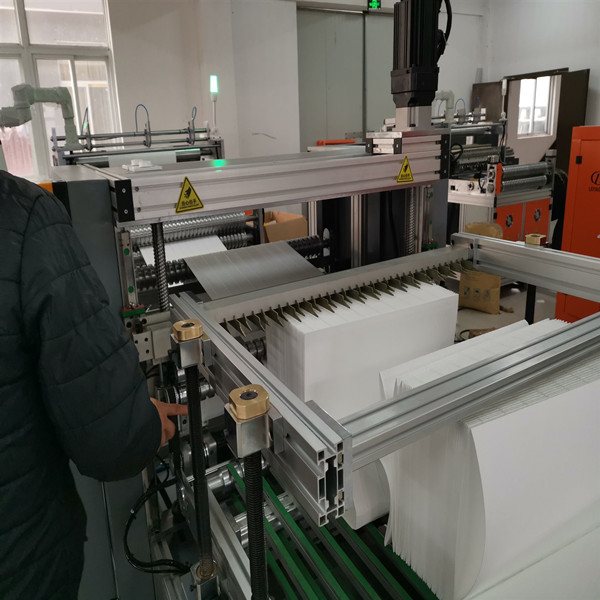
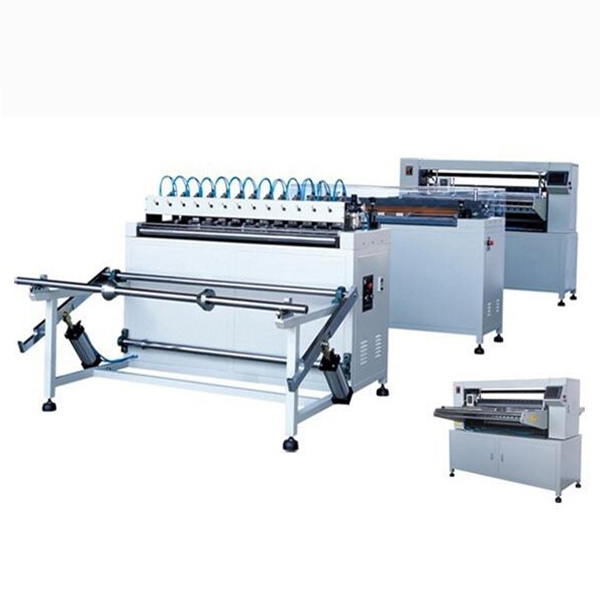
- Automation in Production: Increasing output speed and customization for urgent global needs.
These advancements could transform industries from medical to automotive, and help meet sustainability targets globally.
Mini takeaway: Innovations in bio-based fabrics, nanotechnology, and digital monitoring promise smarter, greener filters soon.
Challenges and How Industry Responds
Not everything is smooth sailing—nonwoven filter material production faces hurdles:
- Raw Material Availability: Supply chains can be fragile, especially for synthetic polymers.
- Disposal and Waste Management: Used filters can pile up; recycling solutions are still emerging.
- Balancing Efficiency vs. Breathability: Overly dense filters can restrict airflow, affecting comfort.
Experts tackle these with diversified sources (including natural fibers), investment in filter recycling technologies, and engineering multi-layer composites that maintain airflow while maximizing capture. It’s a continuous tug of war, but progress is steady.
Mini takeaway: Supply, waste, and performance tradeoffs challenge producers, yet clever material science and sustainability drives promise solutions.
FAQ: Frequently Asked Questions About Nonwoven Filter Material
- What distinguishes nonwoven filters from traditional woven fabrics?
- Nonwoven filters consist of fibers bonded irregularly rather than woven or knitted, giving them unique porosity and filtration properties that woven fabrics can't match.
- How long do nonwoven filters typically last in medical masks?
- Usually, single-use medical masks last a few hours of continuous wear; however, material durability depends on the type, with some industrial filters designed for weeks or months.
- Are nonwoven water filters safe for household use?
- Yes, many household water filters use certified nonwoven materials that remove bacteria and sediment safely, as validated by organizations like NSF International.
- Can nonwoven filter materials be recycled?
- Recycling is possible but complex; some manufacturers are developing processes to convert used filters back into raw fibers, easing environmental impact.
- How do I select the right nonwoven filter for my industry?
- Consider your specific needs: particle size to filter, airflow requirements, chemical exposure, and durability. Suppliers typically provide technical datasheets to guide this choice.
Conclusion
Nonwoven filter material plays a quietly powerful role in ensuring healthier environments, safer workplaces, and cleaner water—and it’s only going to become more essential as the world changes. From hospital wards to disaster zones, and from industrial plants to home water filters, the ongoing innovation in these fabrics promises not just smarter filtration but a better future for all of us.
If you want to explore nonwoven filter materials tailored for your needs, or learn more about cutting-edge solutions in the field, visit our website: https://www.anyafiltermedia.com.
Thanks for stopping by—every filter counts.
| Vendor | Product Range | Innovation Highlights | Global Reach |
|---|---|---|---|
| FiberTech Solutions | Medical, HVAC, industrial | Nanofiber layering, smart sensing | Europe, Asia, Americas |
| PureFlow Filters | Water purification, masks | Biodegradable fiber blends | Africa, Middle East, Asia |
| SafeAir Technologies | HVAC, personal protective equipment | Automated quality control | North America, Europe |
References:
Post time: Nov-30-2025