Understanding Oil-Water Separator Media: Why It Matters Globally
In today’s industrial landscape and environmental consciousness, the term oil-water separator media keeps popping up with good reason. It might sound dry and technical at first, but this humble media acts as a battleground where oil and water part ways, protecting ecosystems, industries, and even public health worldwide. Frankly, with oil pollution threatening oceans, rivers, and soil everywhere, the technologies and media that clean up these messes carry serious global importance.
From refining industries in the Middle East to small communities fighting surface water pollution in Southeast Asia, oil-water separator media is the silent hero we don’t always notice. The global market reflects this urgency: according to recent UN environmental reports, oil spills and oily waste affect over 5 million tons of water annually, and treating this effectively demands better, smarter filter media. This article dives into what this media actually is, why industry and humanitarian efforts rely on it, and hints at future innovations making water cleaner and safer around the globe.
Mini takeaway: Oil-water separator media isn’t just a technical fix; it’s part of a larger movement to restore and protect water sources affected by oil pollution worldwide.
The Role of Oil-Water Separator Media in a Global Context
The World Bank notes that over 80% of wastewater worldwide is discharged untreated, a devastating statistic when oil contaminants are part of the mix. Cleanup and treatment become not just environmental issues but public health emergencies. Separating oil from water isn’t just a question of pipes and machinery—it’s a nod to sustainability and responsible resource management.
At the heart lies oil-water separator media, which is designed to optimize the removal of oil droplets from water streams, whether from industrial effluent or natural spills. Today’s concerns underscore the need for effective, low-cost, and scalable separation technologies to reduce pollution, improve water reuse, and meet strict international regulations like ISO 14001 for environmental management.
Problem in focus: How do industries, municipalities, and disaster relief teams quickly and reliably separate oil from water at diverse scales—from tiny spills to catastrophic leaks?
What Exactly Is Oil-Water Separator Media?
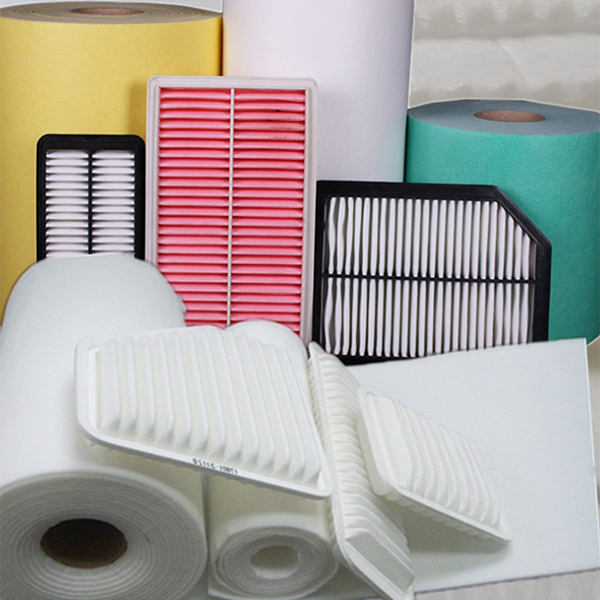
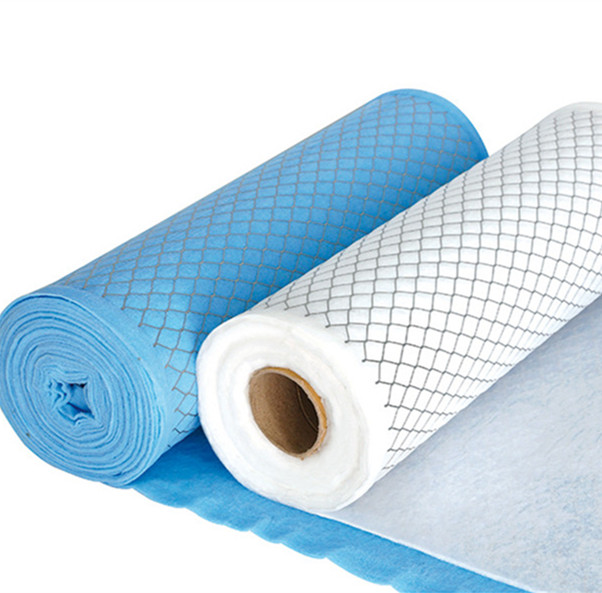
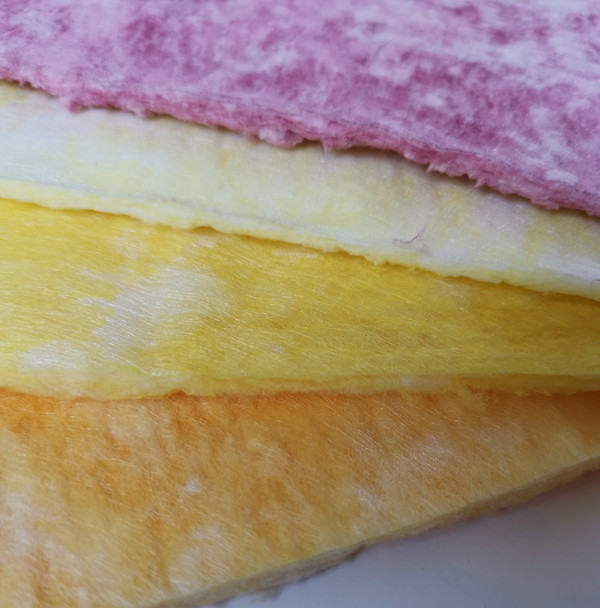
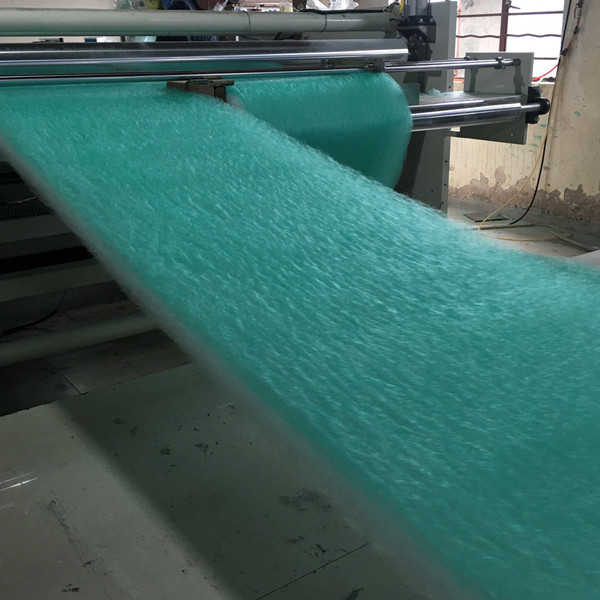
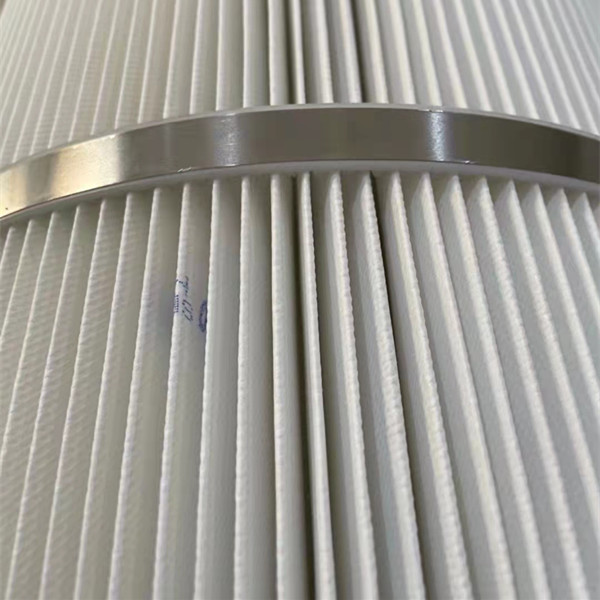
So, what does oil-water separator media actually mean? Imagine it as the specialized material packed inside a separator unit—think mesh, fibrous mats, or synthetic foams—that selectively captures oil molecules while letting water pass. It’s a practical application of chemistry and physics: leveraging differences in density, surface tension, and affinity.
This media acts like a bouncer at the door of a club, letting water through, but holding back those pesky oil molecules, which tend to cluster and float. It's essential for industries like petrochemical plants, wastewater treatment, and even humanitarian organizations responding to natural disasters where water safety and rapid cleanup are urgent.
Oddly enough, oil-water separator media also factors into food processing, ship bilge treatment, and mining operations where oily wastewater is an unavoidable byproduct.
Core Components and Key Factors of Oil-Water Separator Media
1. Durability
Good separator media withstand harsh chemical environments and temperature extremes. Reusable and resistant to degradation, durability ensures long life, lowering operational costs.
2. Selectivity & Efficiency
The media must highly prefer oil over water to maximize separation without clogging or slowdowns. Advances in hydrophobic and oleophilic coatings help here, essentially making the media “love” oil and “ignore” water.
3. Scalability
Whether you’re treating a minor leak or an industrial effluent stream of thousands of gallons per hour, the media should be modular and adaptable to different volumes and flow rates.
4. Cost Efficiency
Low upfront costs combined with low maintenance mean greater adoption worldwide, especially in developing regions facing budget constraints.
5. Environmental Compatibility
Media materials should be recyclable or biodegradable to avoid creating secondary waste problems—this is becoming a must-have thanks to increased sustainability regulations.
Mini takeaway: Every practical oil-water separator media hits a balance between performance, cost, durability, and environmental impact. No one-size-fits-all, but these are universal benchmarks.
Global Applications & Real-World Use Cases
- Oil refineries in the Middle East: High volumes of oily wastewater require large-scale, robust separator media that can handle variable contamination loads.
- Disaster relief operations in Southeast Asia and the Gulf of Mexico: Portable separator units with replaceable media can quickly clean up spilled oil, restoring freshwater sources for affected communities.
- Shipyards and maritime: Strict international regulations enforce oily bilge water treatment—here the choice of media impacts compliance and environmental safety.
- Municipal wastewater plants: They increasingly integrate oil-water separators to treat runoff containing vehicle oils, industrial residues, and urban effluents.
Many small communities also rely on oil-water separator media to maintain safe groundwater after oil exploration activities nearby. It’s a global patchwork — from megafacilities to field-level bags of media—making the whole system work.
Advantages and Long-Term Value
Honestly, when we look beyond pure cost-savings, oil-water separator media offers tangible social and environmental benefits. Clean water safeguards public health, protects aquatic wildlife, and reinforces sustainable industrial practices.
- Economic savings: Reduced chemical use and sludge disposal.
- Environmental compliance: Limits costly fines and shutdowns.
- Social trust: Communities and regulators favor companies committed to clean water initiatives.
- Safety: Prevents waterborne illnesses connected to oil contamination.
Many engineers say selecting the right media often feels like choosing a partner for a long journey—trust and reliability matter as much as technical specs.
Future Trends and Innovations
The future of oil-water separator media is very much tied to broader trends in sustainability and digitalization.
- Nanotechnology: Emerging nano-fibers and coatings can capture even microscopic oil droplets, increasing efficiency dramatically.
- Eco-friendly materials: Biodegradable media derived from agricultural waste or bio-polymers are gaining traction.
- Smart sensors and automation: Media combined with IoT sensors can monitor saturation levels in real-time, automating maintenance.
- Policy alignment: Stricter international regulations pushing industries to adopt greener, more efficient separator media.
These trends promise an oddly optimistic future where cleaner water and industrial progress coexist with less environmental compromise.
Challenges and How Industry Is Tackling Them
Limitations still exist. Media fouling, oil emulsions that are hard to break, and disposal of saturated media remain issues. But innovative engineering solutions and process optimization show promise. For example, combining media types in stages or retrofitting separators with regeneration capabilities to reduce waste.
Additionally, training and knowledge transfer to developing countries remain key—because even the best media won’t help if operators don’t understand its nuances.
Product Specification Table: Example Separator Media
| Specification | Standard Mesh Media | Advanced Nano-fiber Media |
|---|---|---|
| Material | Polypropylene Mesh | Nanofiber Coated Polyester |
| Oil Removal Efficiency | Up to 85% | Up to 98% |
| Operating Temperature | -10°C to 70°C | -20°C to 90°C |
| Durability (cycles) | Approx. 50 reuse cycles | Approx. 100 reuse cycles |
| Environmental Impact | Non-biodegradable | Partially biodegradable |
Vendor Comparison Table
| Vendor | Media Types | Global Reach | Eco Credentials | Price Range |
|---|---|---|---|---|
| Anyafilter Media | Polypropylene, Nanofibers | Worldwide | ISO 14001 Certified | $$$ |
| EcoClean Filters | Biodegradable Mats | North America, Europe | Fully Biodegradable | $$ |
| WaterPure Tech | Synthetic Foams & Mesh | Asia-Pacific Focus | Limited Eco Offers | $ |
FAQ: Frequently Asked Questions About Oil-Water Separator Media
Q1: How long does oil-water separator media typically last?
Depending on the type and operating environment, media life ranges from 50 to 100 reuse cycles. Nanofiber media tend to last longer due to enhanced durability, but frequent oil load and chemical exposure can shorten lifespan. Proper maintenance and regeneration extend usability.
Q2: Can oil-water separator media handle emulsified oils?
Emulsified oils present a tougher challenge because they don't easily separate by gravity. Specialized media with enhanced oleophilic properties and sometimes chemical pretreatment are needed. While standard media work well with free oil, emulsions require advanced designs or multi-stage treatment.
Q3: Is it possible to use oil-water separator media in portable cleanup kits?
Absolutely! Portable separator units typically contain compact, replaceable media. Their lightweight construction and ease of handling make them ideal for emergency oil spill response in remote or disaster-affected locations.
Q4: Are there environmental concerns with disposal of saturated media?
Yes, saturated media may be classified as hazardous due to trapped oil. Increasingly, vendors offer biodegradable or regenerable media to minimize waste. Proper disposal according to local regulations is critical to avoid secondary pollution.
Q5: How do I choose the right media for my industry’s needs?
Selection depends on factors like oil type, contaminant concentrations, flow rates, and budget. Consulting with vendors experienced in your sector combined with pilot testing is the best approach to identify the optimal media.
Conclusion and Where to Learn More
Oil-water separator media may not be glamorous, but it’s one of those quietly powerful tools keeping our water safe against the scourge of oily pollution. From industrial giants to tiny aid projects, understanding and investing in the right media delivers long-term economic, ecological, and social benefits. As technologies move toward smart and green innovations, the media of tomorrow will likely be even more impressive—making our waters cleaner and our industries more responsible.
If you want to explore the latest in oil-water separator media and solutions, visit our website for detailed guides, product options, and expert advice tailored to your needs.
References
Post time: Dec-01-2025