Everything You Need to Know About Filter Cartridge Material
Filter cartridge materials—sounds dry, right? But in reality, they’re at the heart of so many industries, from water purification to pharmaceuticals, and even disaster relief efforts. Understanding what these materials are and why they matter globally is like holding a secret key to cleaner, safer, and more efficient processes. So, let’s unpack why filter cartridge material isn’t just some technical jargon, but a game changer globally.
Why Filter Cartridge Materials Matter Worldwide
If you think about it, clean water, safe air, and pure chemicals underpin almost every facet of modern life. According to ISO standards for filtration, sophisticated materials used in filter cartridges play a pivotal role in maintaining safety and quality. The World Bank estimates that over 2 billion people worldwide lack access to safely managed drinking water—which is jaw-dropping. Filter cartridge materials, in their many forms, help bridge this gap by enabling affordable, efficient filtration solutions both in urban and remote areas.
That’s why industries investing in higher-grade filtration components see benefits beyond compliance; they’re investing in public health, sustainability, and even social dignity.
Mini takeaway: Filter cartridge materials are subtle heroes fighting global challenges by improving access to clean resources and ensuring industrial safety.
What Exactly Is Filter Cartridge Material?
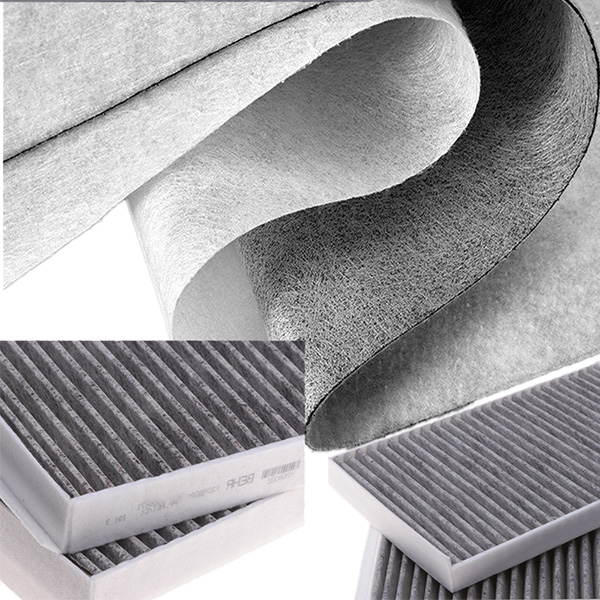
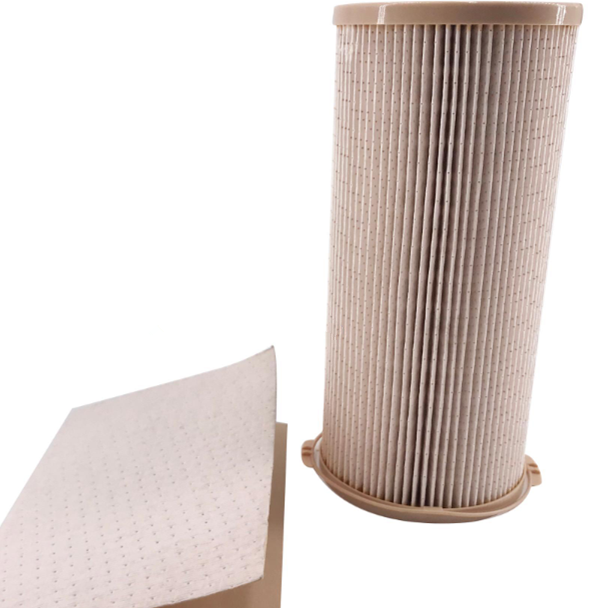
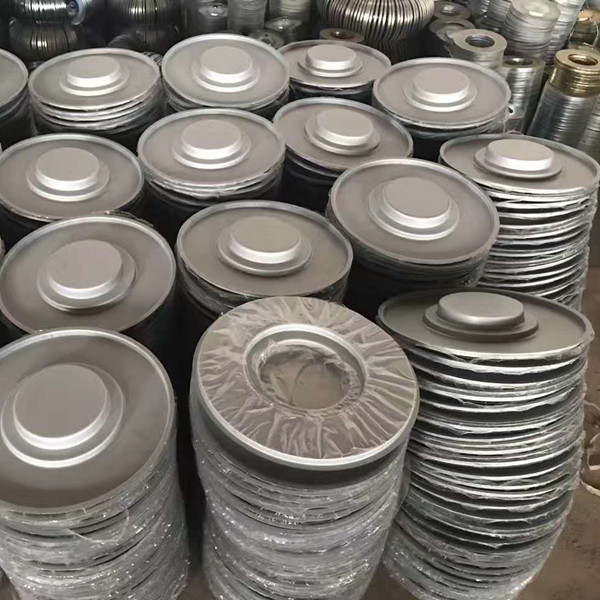
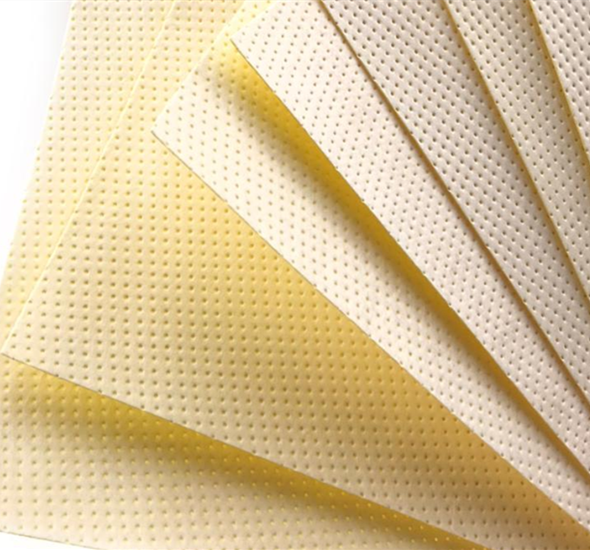
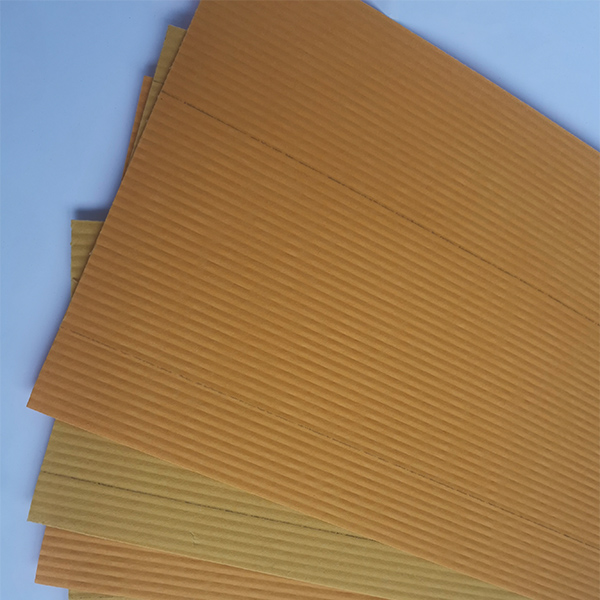
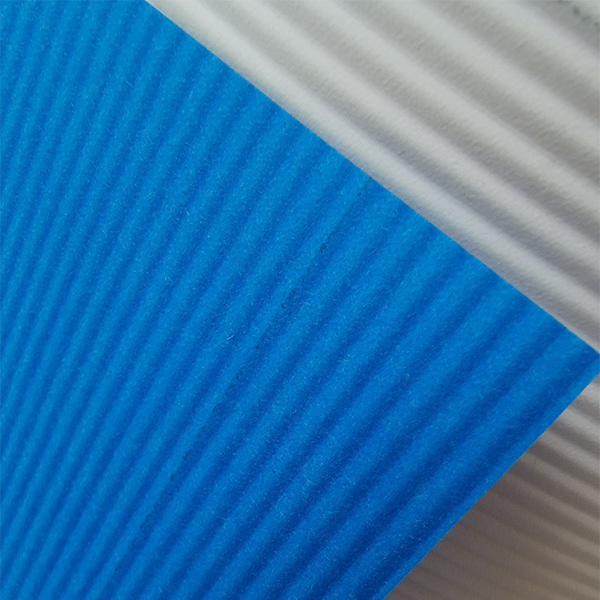
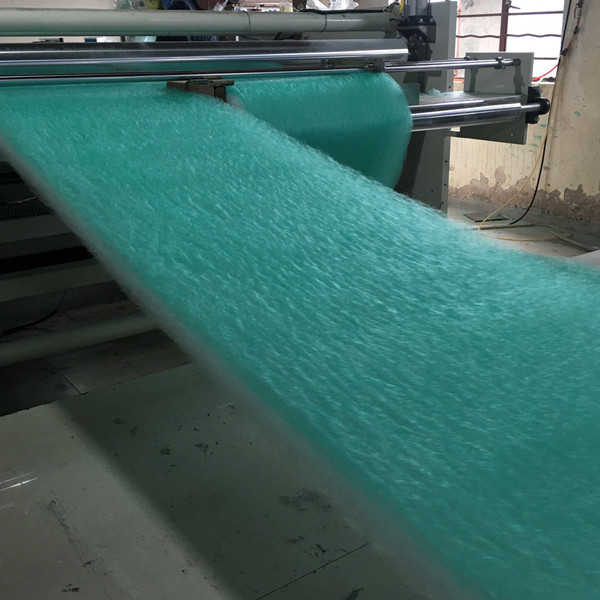
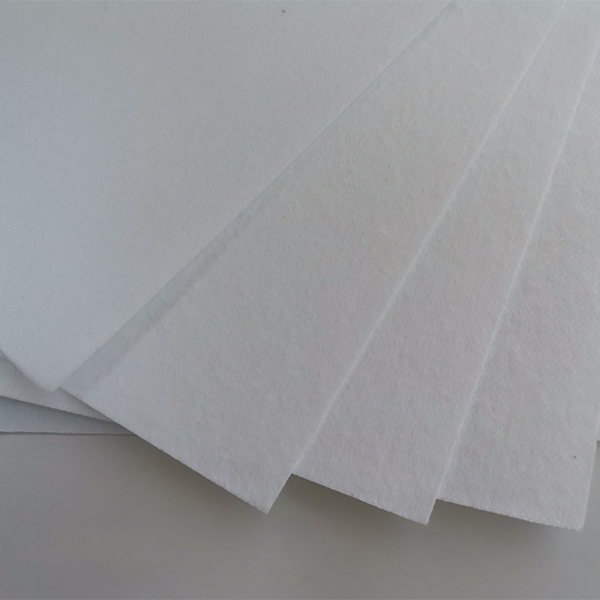
Put simply, filter cartridge material refers to the raw substances and composites used to manufacture the physical cartridges that trap or filter out impurities. They range from polypropylene, polyester, and cellulose fibers, to more advanced membranes like PTFE (polytetrafluoroethylene). The key idea is that these materials are engineered to allow specific particles—water, dust, bacteria—to pass or be trapped, ensuring the output quality meets industrial or humanitarian standards.
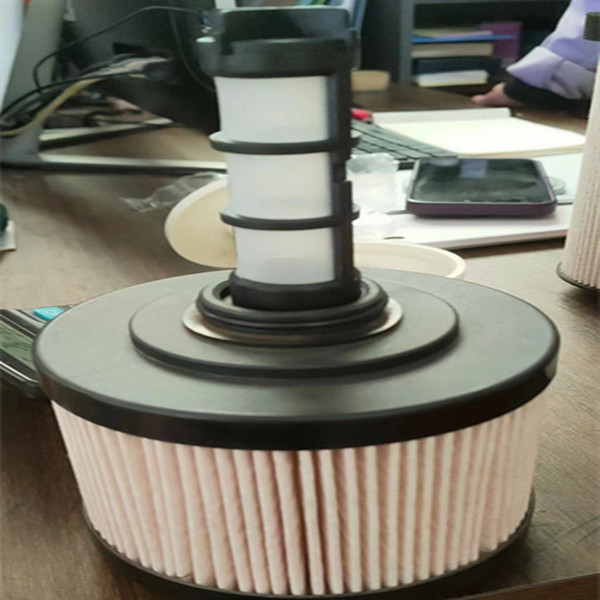
In practical terms, you can think of filter cartridge materials as the "skin" or "engine" of filtration systems, performing the actual separation work, often in challenging conditions. For instance, humanitarian organizations deploy water filtration units with cartridges made from specialized materials that remove pathogens swiftly during disaster response.
How to Choose Your Filter Cartridge Material: Key Factors to Consider
1. Durability
The material must withstand continuous exposure to chemicals, pressure, and temperature fluctuations. For example, in chemical plants or offshore rigs, materials like PTFE offer resistance to aggressive solvents and heat, meaning less frequent replacements and a safer environment.
2. Filtration Efficiency
The ability to trap particles below a certain micron size depends heavily on the material's weave or membrane pore structure. Polypropylene membranes can capture particles down to 0.2 microns, ideal for sterile filtration.
3. Cost Efficiency
This is a balancing act. Cheaper materials might save upfront costs but could fail early or require more frequent replacements. Engineers often favor materials that deliver durability at a reasonable price point—especially in high-volume operations.
4. Environmental Impact
It's not just about performance; sustainability is front and center now. Biodegradable or recyclable filter cartridge materials are gaining traction, reflecting the broader environmental push globally (more on that later!).
5. Scalability & Availability
In some regions, sourcing high-tech materials is still a logistical headache. So regional availability often influences material selection, especially for NGOs working in remote areas. Sometimes, the “best” material on paper isn’t the best fit in practice.
6. Compatibility with Fluids or Gases
Filter cartridges must not degrade or contaminate the medium they’re purifying. For instance, food-grade filters use certified materials ensuring no harmful leachate, whereas industrial applications might accept tougher but less food-safe fibers.
Mini takeaway: Choosing the right filter cartridge material isn’t just about specs—it’s an ecosystem of needs, environment, and economics.
Filter Cartridge Materials in Action: Global Applications
Where do these materials actually get used? Practically everywhere. Here are a few real-world contexts showcasing their impact:
- Water treatment plants: Municipalities worldwide rely on high-quality filter cartridges to ensure safe drinking water, filtering out sediments, bacteria, and chemical contaminants.
- Pharmaceutical manufacturing: Ultra-clean filtration to meet stringent sterility standards depends on specialized membrane materials.
- Post-disaster relief: NGOs deploy portable water filters with cartridges made from rugged, efficient materials to provide immediate clean water access.
- Food and beverage industry: Preventing spoilage and ensuring product integrity with food-safe filter cartridges.
- Remote industrial zones: Oil rigs and mining camps use durable filter cartridges to treat process water and protect machinery under tough conditions.
Quick Look: Filter Cartridge Material Specifications
| Material | Typical Micron Rating | Application Area | Max Operating Temp | Chemical Resistance |
|---|---|---|---|---|
| Polypropylene | 0.5 - 50 microns | Water, air filters | 80°C | Good (acid/base resistant) |
| Polyester | 1 - 100 microns | Oil, gas, pharma | 130°C | Moderate |
| PTFE Membrane | 0.1 - 0.5 microns | Sterile pharma & biotech | 150°C+ | Excellent |
| Cellulose | 1 - 50 microns | Food, beverage | 65°C | Low (biodegradable) |
Advantages & Long-Term Value of Choosing the Right Filter Cartridge Material
In the end, it boils down to safety, trust, and sustainability. Using the right filter cartridge materials means less downtime, less environmental waste, and cleaner, safer outputs—which translates into social value that’s hard to quantify but impossible to ignore. If you trust your filtration system, you’re trusting the whole process, whether it’s clean drinking water or sterile pharmaceuticals.
Companies are increasingly valuing the long-term savings from durability and sustainability over cheap, disposable options. Over time, it just pays off, literally and ethically.
Emerging Trends & Innovations in Filter Cartridge Materials
Things are moving fast here. Nanotechnology is enabling new filter materials that can capture contaminants smaller than ever before. Green chemistry and circular economy principles are leading to biodegradable and recyclable cartridges. Digital sensors are beginning to integrate into cartridges for real-time monitoring of filter effectiveness — imagine knowing the exact moment a filter material starts to degrade.
Oh, and automation in manufacturing filter cartridges means more consistent quality and new custom material blends tailored for niche purposes.
Challenges and Forward-Thinking Solutions
There are obstacles, of course. Material availability in remote or developing regions is still a hurdle. Disposal of used cartridges, especially those with synthetic materials, raises environmental red flags. But many vendors and NGOs have shifted toward reusable cartridge systems and recycle programs, which is promising.
Also, balancing microscopic filtration with high flow rates—especially in large-scale operations—requires ongoing innovation in material science.
Filter Cartridge Material Vendor Comparison
| Vendor | Material Types | Price Range | Main Industries Served | Global Reach |
|---|---|---|---|---|
| FiltraTech | Polypropylene, Polyester, PTFE | $$$ | Pharma, Water, Food & Beverage | North America, Europe, Asia |
| EcoFilter Solutions | Biodegradable Cellulose, PP blends | $$ | NGOs, Disaster Relief, Industrial | Global (focus on developing regions) |
| PureMembranes Inc. | High-end PTFE, Nanofiber membranes | $$$$ | Biotech, Pharma, High-tech | Global, with R&D facilities in Europe |
FAQs About Filter Cartridge Material
1. What is the most common filter cartridge material for water filtration?
Polypropylene is widely used due to its chemical resistance and affordability. It’s excellent for removing sediment and particulates without contaminating the water.
2. How often should filter cartridges be replaced?
Replacement depends on the application and contamination levels, but generally every 3 to 6 months for typical water filters. Industrial systems might have stricter schedules based on monitoring data.
3. Are biodegradable filter cartridge materials reliable?
They are improving rapidly and can handle many applications, especially in environmental and disaster relief contexts. However, for ultra-sterile or high-temperature needs, traditional synthetics are still preferred.
4. Can I customize filter cartridge materials for niche requirements?
Yes! Many vendors offer custom blends or layered cartridges tailored to specific filtration challenges, combining properties like chemical resistance, flow rate, and particle retention.
5. Where can I source high-grade filter cartridge material?
Leading manufacturers like FiltraTech or PureMembranes Inc. supply globally, but for sustainable or budget-conscious options, vendors like EcoFilter Solutions are worth exploring.
Wrapping Up: Why Care About Filter Cartridge Material?
Ultimately, the materials used in filter cartridges impact health, sustainability, and economics on a global scale. Whether it’s making sure your morning water is clean or that industrial chemicals meet safety standards, these materials quietly shape the world’s well-being. The good news? With innovations in green materials and smarter manufacturing, the future looks even cleaner.
For anyone interested in diving deeper into filter cartridge material options, comparisons, or industry insights, visiting our dedicated resource site is a good first step. Because a better filter today means a healthier tomorrow.
References
Post time: Dec-01-2025