Understanding Dust Filter Material: Why It Matters Today
Dust filter material might not be the flashiest topic at first glance, but it’s incredibly important — globally and across industries. Think about the millions of factories, hospitals, and power plants worldwide that pump out dust and tiny particles every day. Without proper filtration, that dust becomes a huge health hazard, an environmental problem, and an operational headache.
Mastering dust filter material means cleaner air, safer workplaces, and better compliance with global standards. It’s both a practical solution and a vital part of tackling pollution — a problem the United Nations Environment Programme has flagged as urgent worldwide. Plus, industries investing in effective filter media see cost savings from equipment longevity and reduced downtime.
Mini takeaway: Dust filter media may sound technical, but it’s one of those behind-the-scenes heroes keeping people safe and industries running smoothly.
The Global Picture: Why Dust Filter Material Is a Worldwide Concern
Worldwide, dust pollution is a silent threat to human health and ecosystems. The World Health Organization estimates that ambient air pollution causes around 4.2 million premature deaths annually. Industrial emissions, mining operations, and construction sites are among the biggest contributors.
This is where dust filter material plays a crucial role — controlling particulate emissions before they escape into the atmosphere. Think China, India, and Europe: regions with strict environmental policies that increasingly demand advanced dust filters. These materials need to withstand tough conditions without sacrificing efficiency or longevity, especially where regulatory thresholds can’t be compromised.
Without effective dust filter media, there’s a domino effect of environmental damage, worker health risks, and even legal consequences for companies. So, it’s not just about compliance; it’s about measurable impact on global health and sustainability.
What Exactly Is Dust Filter Material?
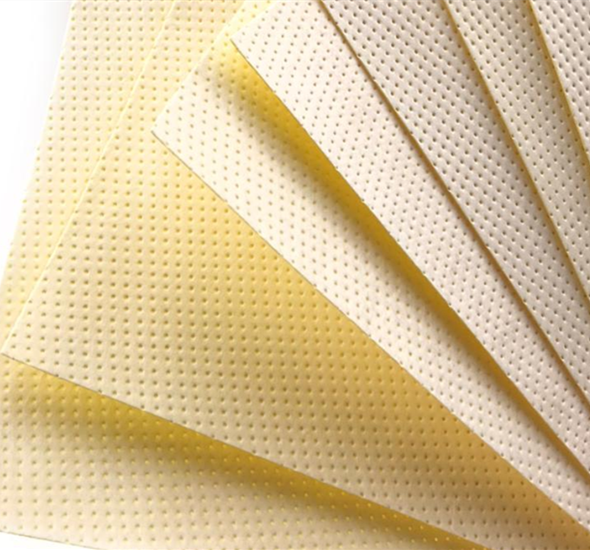
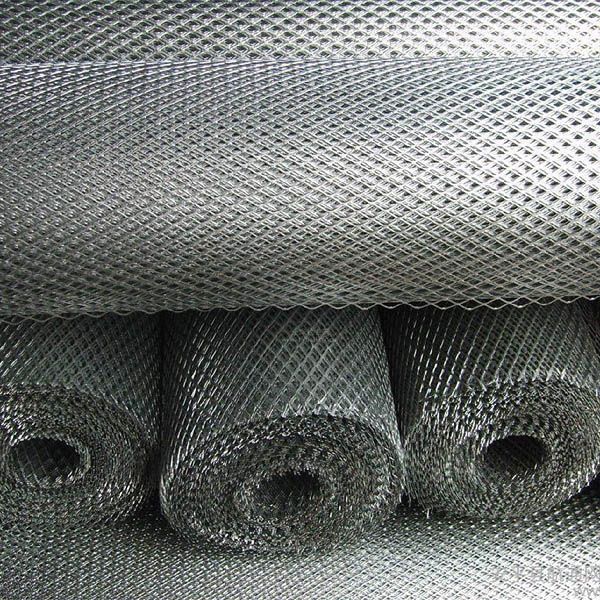
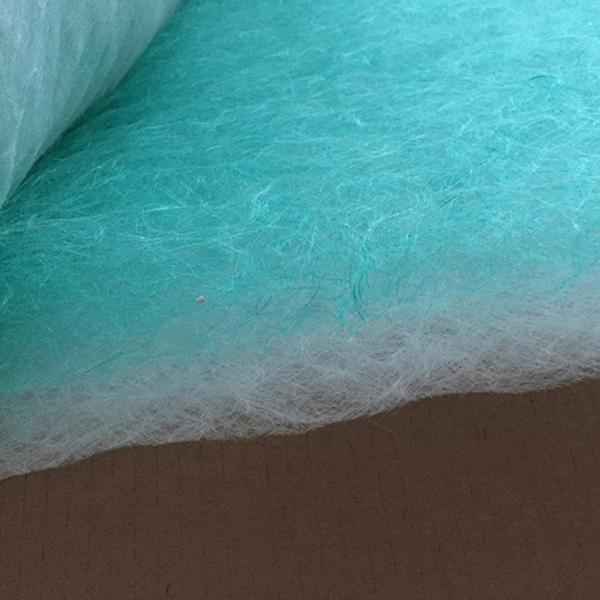
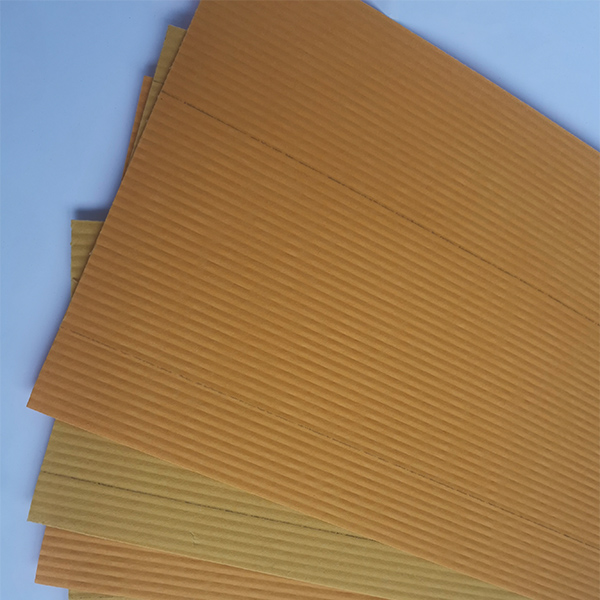
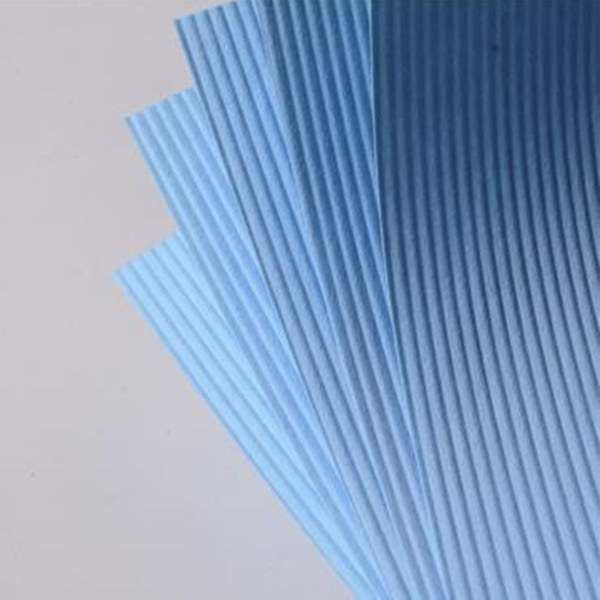
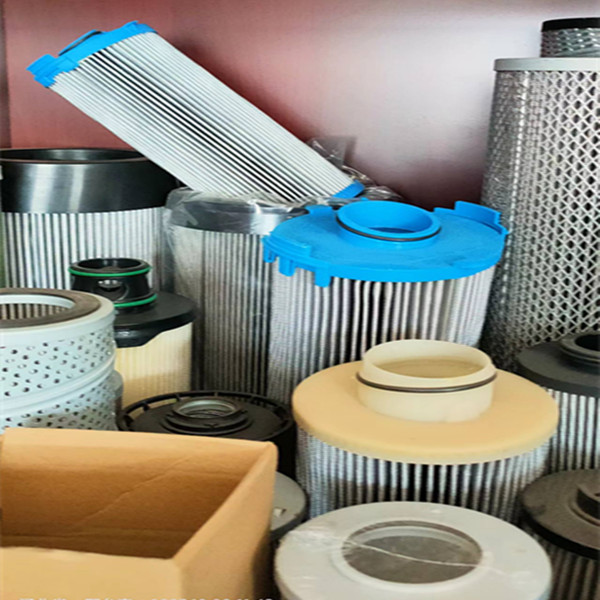
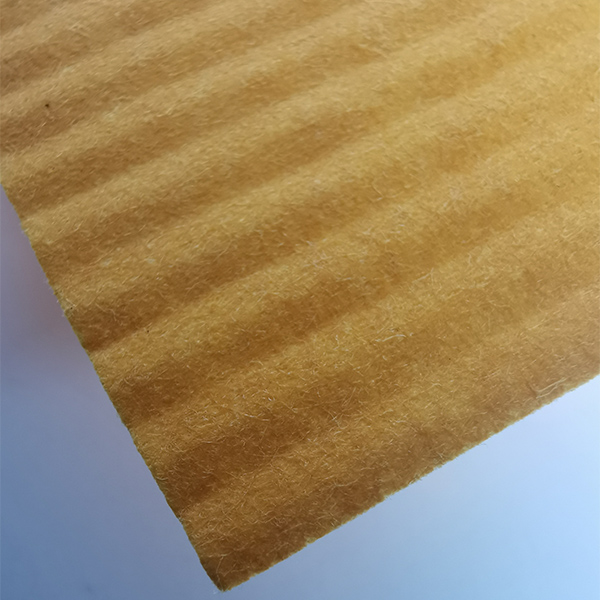
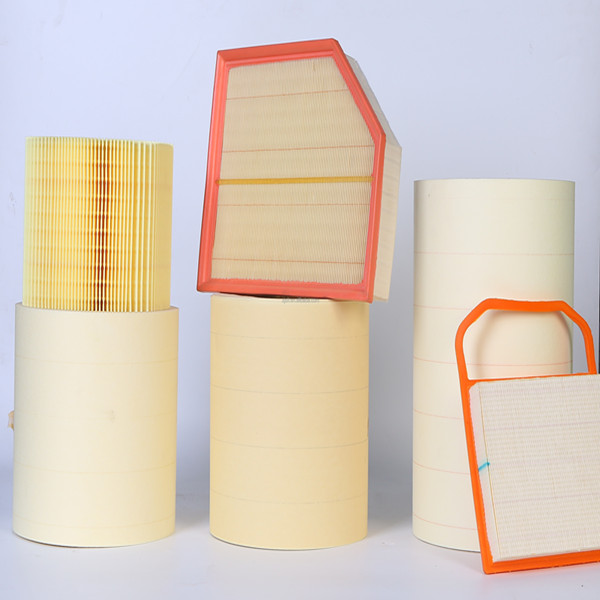
Put simply, dust filter material refers to specialized media designed to trap and filter airborne dust particles. These materials can be fabrics, membranes, or fibrous mats engineered to capture dust down to micro or even nano scales.
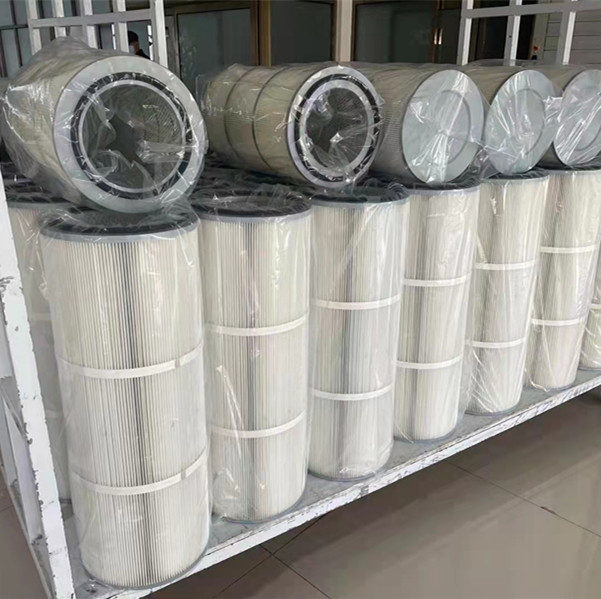
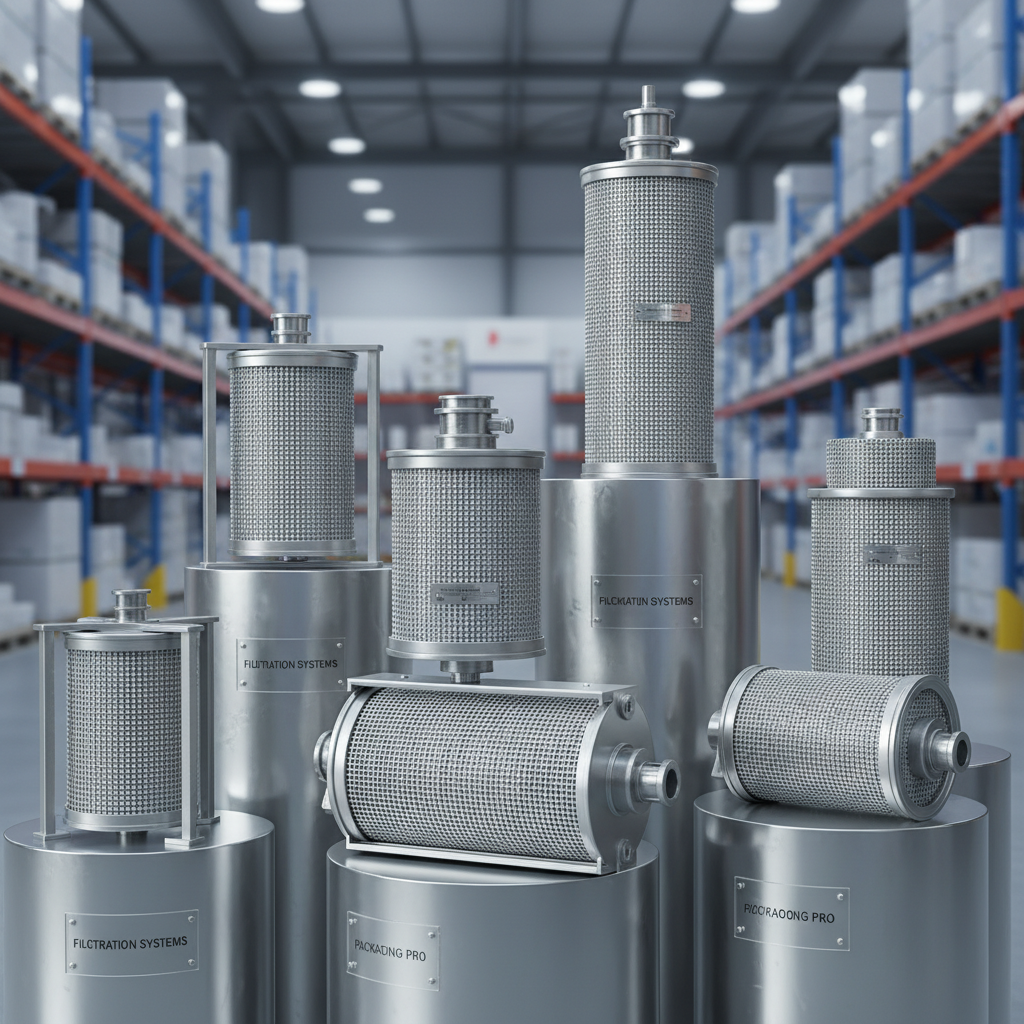
The essence? To stop dust at the source or before it spreads, ensuring cleaner air inside and outside of industrial spaces. It's used extensively in dust collectors, baghouses, cartridge filters, and respirators.
In modern industry and fields like humanitarian aid, these materials become lifesavers. For example, in post-disaster zones, temporary shelters with built-in dust filtration can protect displaced people from contaminated air — a detail often overlooked but critical for health.
Key Characteristics of Dust Filter Material
1. Durability
The material must withstand harsh environments, whether that’s exposure to extreme heat, humidity, or corrosive chemicals. Durability extends service life, minimizing frequent replacements and maintenance costs.
2. Filtration Efficiency
This is the heart of the matter: how effectively can the media trap particles? Metrics like Minimum Efficiency Reporting Value (MERV) ratings and particle retention percentages help quantify it. You want materials that catch the fine dust without clogging too fast.
3. Breathability & Airflow
While filtering dust, the material also needs to allow air to flow with minimal resistance. If air movement is restricted, it puts strain on fans and equipment — raising energy costs and risking system failure.
4. Scalability & Customization
Industries demand flexible solutions — different granularity, sizes, and shapes. Materials that adapt easily to various filter housings or can be customized for special applications have a distinct edge.
5. Cost Efficiency
The price-performance ratio is key. Sometimes a premium material upfront means savings down the road — fewer replacements, less downtime, better compliance.
6. Environmental Impact
More manufacturers now prioritize eco-friendly filter media either from recycled materials or that are recyclable themselves, responding to sustainability demands.
Mini takeaway: Choosing dust filter material isn’t just tech specs; it’s balancing durability, efficiency, adaptability, cost, and ecological responsibility.
Real-World Applications: Where Dust Filter Material Shines
Dust filters are everywhere — even if unnoticed. Here are some concrete cases:
- Mining and Quarrying Operations: Huge dust loads require heavy-duty filter pitchers to protect workers and surrounding communities.
- Power Plants (especially coal-fired): Filters control fly ash emissions, reducing air pollution and sticky regulatory fines.
- Pharmaceutical & Chemical Industries: To prevent cross-contamination and ensure sterile environments — filters must be highly precise.
- Construction Sites: Temporary dust control measures can protect nearby residents and urban wildlife.
- Post-Disaster Relief Shelters: In refugee camps or disaster zones, clean air fabric can mean the difference between secondary illness or not.
Oddly enough, these materials are sometimes the unsung heroes behind major health or environmental advances — quietly ticking along but vital to success.
Dust Filter Material Specifications at a Glance
| Specification | Typical Values | Notes |
|---|---|---|
| Material Type | Polyester, PTFE membranes, Nomex | Varies by temperature and chemical resistance needs |
| Filtration Efficiency | Up to 99.97% (@0.3 micron) | HEPA-grade in some cases |
| Max Operating Temp. | Up to 280°C (depending on material) | Nomex and PTFE better for high temps |
| Air Permeability | 40–250 cfm/ft² | Balance between airflow and filtration |
| Typical Lifetime | 6 months to 2 years | Depends on environment and maintenance |
A Vendor Comparison: Which Dust Filter Material Provider Fits Your Needs?
| Vendor | Material Types | Customization | Global Reach | Price Range |
|---|---|---|---|---|
| FiltraPro Inc. | Polyester, PTFE, Aramid | High | Americas, Europe, Asia | $$$ |
| EcoFilter Solutions | Recycled Polyester, Cellulose blends | Medium | Europe, North America | $$ |
| DustGuard Tech | PTFE, Nomex, Ceramic fiber | High | Asia-Pacific, Middle East | $$$$ |
Long-Term Value and Advantages of Quality Dust Filter Materials
Investing in high-quality dust filter materials yields credible benefits: cost reductions in equipment wear, improved worker safety, and better compliance with environmental laws. That’s not just accounting speak — it means fewer sick days, reduced legal headaches, and a cleaner community.
Emotionally, it also fosters trust within and outside an organization. Workers feel safer, communities breathe easier, and companies earn credibility as responsible stewards. Plus, choosing sustainable filter media aligns with the growing corporate social responsibility trends, boosting brand reputation.
What’s Next? Upcoming Trends and Innovations
Technology never stands still, and the dust filter media sector benefits from green innovations and smarter design. Biodegradable filter fabrics, nanofiber coatings to boost filtration efficiency, and automation in filter condition monitoring are gaining traction. Some companies are exploring filters that can self-clean or regenerate, reducing waste and downtime.
Digital transformation means real-time data from dust collectors can optimize performance remotely and anticipate maintenance — kind of like giving your filters a voice. This is crucial for industries eager to leverage Industry 4.0 and sustainability goals simultaneously.
Challenges and How the Industry Is Tackling Them
Dust filters face challenges such as clogging, variable dust compositions, and balancing performance with cost. One lingering issue is filter lifespan—filters can foul quickly in sooty or oily environments.
Fortunately, innovations like pleated media to increase surface area, hydrophobic coatings to repel sticky particles, and hybrid materials combining fibers and membranes help solve these issues. Many engineers also push for improved testing protocols and real-world trials to fine-tune materials before deployment.
Common Questions About Dust Filter Material
- Q: How do I choose the right dust filter material for my industrial application?
- A: Assess the operating temperature, chemical exposure, dust particle size, and airflow requirements. Consulting with suppliers who offer customization and trial testing ensures you pick a material that fits your needs effectively.
- Q: Can dust filter materials be reused or cleaned?
- Some filter media are designed for cleaning and reuse, especially those with durable fibers like polyester or PTFE. Others, like cellulose-based materials, are disposable. Check manufacturer guidelines and evaluate maintenance costs accordingly.
- Q: Are eco-friendly dust filter materials effective?
- Yes, many recycled or biodegradable materials now meet stringent filtration standards. While sometimes slightly pricier initially, they offer sustainability benefits and comply with environmental regulations increasingly important to stakeholders.
- Q: How often should dust filter materials be replaced?
- Replacement depends on dust load, filter type, and environment but typically ranges from 6 months to 2 years. Monitoring pressure drop and airflow loss helps predict optimal replacement timing.
- Q: Is installation of dust filter materials complex?
- It varies — simple cartridge filters are straightforward, but large baghouses might require expert installation. Working with experienced vendors ensures proper fit and function.
Wrapping Up: Why Dust Filter Material Deserves Your Attention
Understanding the nuances of dust filter material opens doors to safer workplaces, healthier communities, and smarter industrial operations. As regulations tighten and environmental stakes rise, materials that filter dust efficiently and sustainably become non-negotiable.
For reliable, customized, and innovative dust filter material solutions that fit your industry’s specific needs, visit our website today to learn more and explore our product range. Clean air isn’t just a goal — it’s a shared responsibility.
Mini takeaway: Don’t overlook the humble filter media. It’s a cornerstone of global health, compliance, and operational excellence.
References
Post time: Nov-30-2025