What’s So Special About Metal Gauze Filters? A Global Perspective
At its core, a metal gauze filter might sound like a niche industrial product, but its impact is both broad and vital worldwide. From powering clean energy initiatives to keeping industrial machinery humming, understanding this filter type matters. We often overlook the humble filtering layer making systems more efficient and durable, yet globally it's a quiet workhorse in sectors ranging from manufacturing to humanitarian aid.
Why should you care? Because filter efficiency — this tiny piece of metal mesh — can save costs, reduce downtime, and improve environmental footprints. And with modern challenges like pollution control and resource scarcity growing, metal gauze filters are stepping into the spotlight, evolving their role dramatically.
Mini takeaway: While it may seem a small piece of tech, the best metal gauze filters serve industries worldwide—reducing waste, safeguarding equipment, and driving sustainability.
Metal Gauze Filter in Today’s Global Industry
Metal gauze filters enjoy global demand, especially in manufacturing hubs across Asia, Europe, and North America. The metal gauze filter market is projected to rise alongside industrial automation and stricter environmental regulations. The United Nations Industrial Development Organization (UNIDO) highlights that reliable filtration improves resource efficiency, critical for sustainable industrial growth. And here’s an interesting number: nearly 30% of industrial operational issues trace back to poor system filtration — underscoring why dependable filtering solutions are a must.
Industries face ongoing environmental and performance challenges — from particulate pollution in factories to pressure drops in oil refineries. This is where metal gauze filters offer durable, reusable solutions that complement evolving global standards like ISO 16889 for filtration performance. Instead of just masking problems, they help prevent system failure and contamination at the source.
Mini takeaway: Metal gauze filters serve as reliable guardians in the international quest for cleaner, more efficient industry systems.
Defining the Metal Gauze Filter — What Exactly Is It?
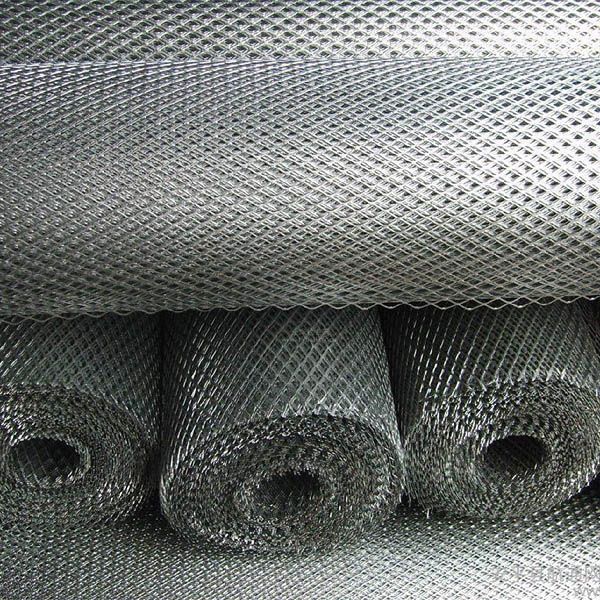
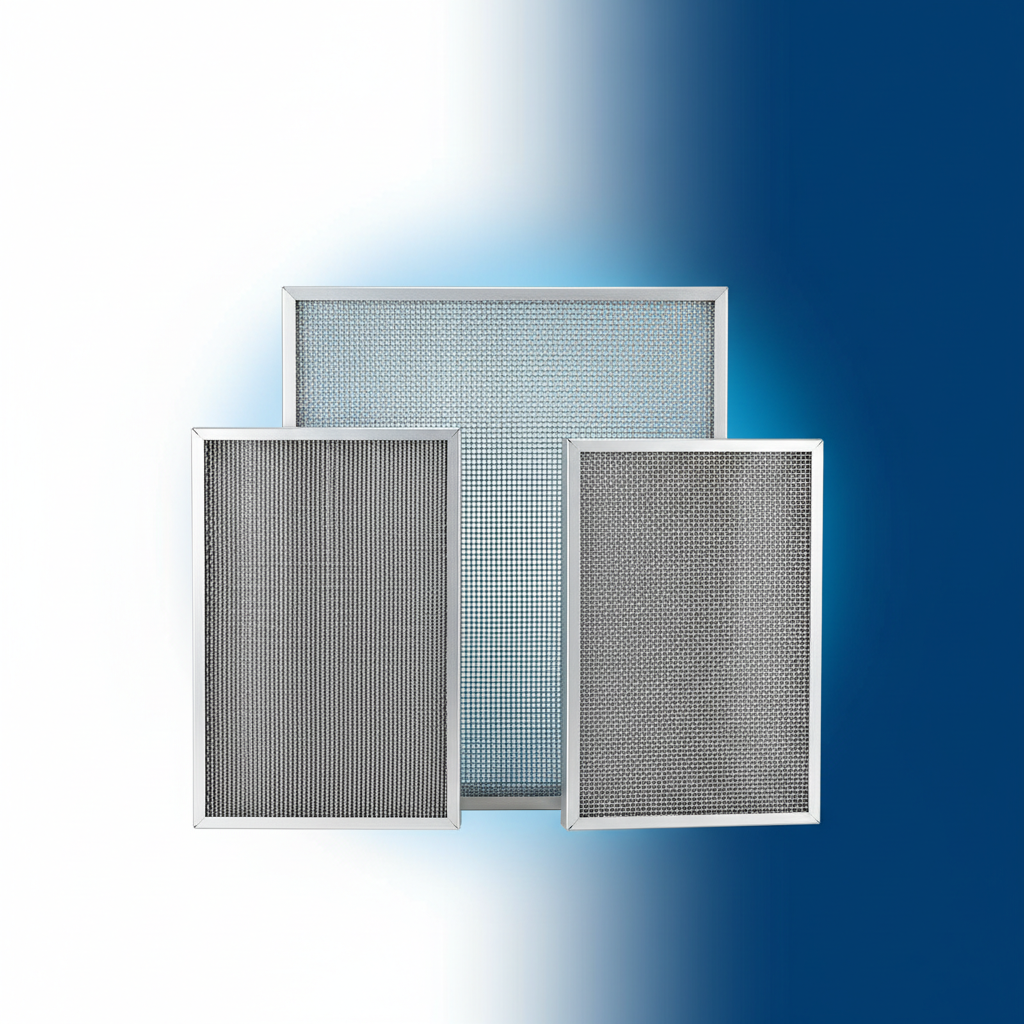
Simply put, a metal gauze filter is a mesh made of woven or knitted metallic wires—usually stainless steel, brass, or bronze—designed to trap particles and impurities in gases or liquids. The wires are arranged to create a network of tiny gaps, physically blocking dirt or debris from passing through. Unlike paper or synthetic filters, metal gauze versions are strong, resilient under high heat and pressure, and easily cleaned and reused.
Think of it as the industrial equivalent of your kitchen sieve—only instead of flour or tea leaves, it filters paint sprays, compressed air, or fuel. Its use is deeply integrated into sectors where reliability, longevity, and cleanliness matter.
Mini takeaway: Metal gauze filters blend robust engineering with simple mechanical principles, proving that old-school designs can still be cutting-edge.
Key Components That Define Metal Gauze Filters
1. Durability
Steel wires offer excellent mechanical strength. This enables metal gauze filters to withstand harsh conditions—extreme temperatures, vibrations, and corrosive fluids. Many engineers say this durability outperforms disposable options in heavy industries by years, reducing replacement frequency and hassle.
2. Precision Filtration
The precise wire diameter and weave pattern determine particle capture size. A fine mesh can trap micron-level contaminants essential for clean fuel injection or medical gas supply, while coarse meshes protect machinery from larger debris.
3. Reusability & Maintenance
Unlike disposable filters, metal gauze versions can be washed or backflushed multiple times. This reduces operational costs and cuts down on waste, giving you both economy and ecological points.
4. Scalability & Customization
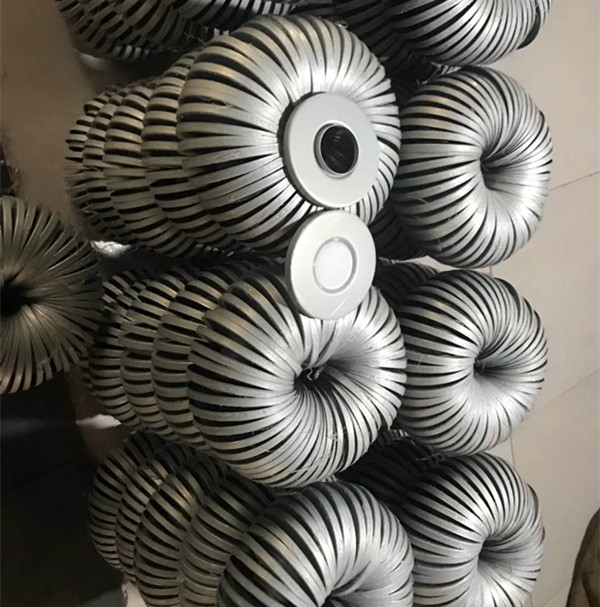
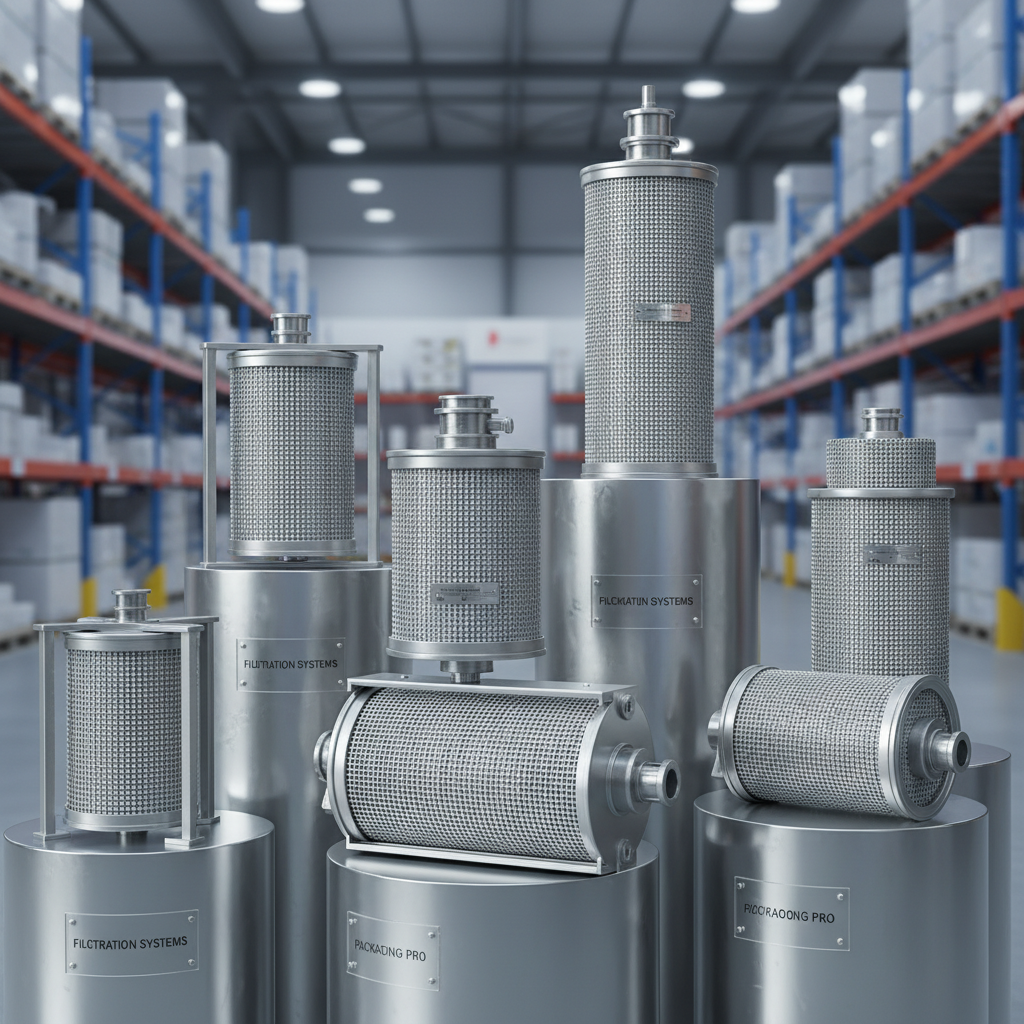
Woven to spec, these filters adapt to various shapes and sizes—cylinders, discs, pleated panels. This flexibility means you can find or commission the perfect mesh for applications spanning just a handful of cubic centimeters to large-scale industrial rigs.
5. Compatibility
Metal gauze filters work well with harsh fluids and gases — including oils, fuels, detergents, and even steam. Their chemical resistance makes them especially valuable in complex chemical or pharmaceutical processes.
| Feature | Description | Typical Range |
|---|---|---|
| Material | Stainless steel, brass, bronze, Inconel | SS 304, SS 316 most common |
| Wire diameter | Usually round or flattened wire mesh | 0.05 mm to 0.5 mm |
| Mesh Count (openings per inch) | Determines particle size trapped | 20 - 400 mesh |
| Operating Temp | Depends on material and weave | -200°C to 1000°C (approx.) |
| Typical Dimensions | Customizable shapes, pleated or flat | Varies widely |
Real-World Metal Gauze Filter Applications Around the Globe
Across the globe, metal gauze filters find purpose in an eclectic range of environments. In Germany’s hyper-automated automotive factories, they keep injection molding machines free of micro-particles that could ruin a batch of precision parts. In the Middle East’s oil fields, they serve ruggedly reliable duty cleaning crude fluids before refining, cutting downtime and spares costs.
In humanitarian post-disaster operations — for instance, after typhoons in Southeast Asia — portable water purification systems often rely on metal gauze filters to prepare clean drinking water under harsh field conditions. Oddly enough, the linkage between these industrial filters and human resilience seems poetic: metal mesh stands between chaos and clarity.
Meanwhile, in remote Arctic research stations, they filter ventilation air to preserve sensitive instruments, proving their value where supplies and replacements are scarce. Across diverse use cases, the capacity to clean, protect, and endure remains the metal gauze filter’s unique selling point.
Mini takeaway: Whether in high-tech plants or makeshift medical kits, metal gauze filters quietly power progress and protection worldwide.
The Advantages & Long-Term Value of Metal Gauze Filters
- Cost-effective: Lower total cost of ownership thanks to longevity and cleanability.
- Environmental sustainability: Reusability reduces waste compared to single-use filters, complementing green manufacturing goals.
- Reliability and safety: Consistent filtration means fewer machine breakdowns, safer air or fluids, and increased trust in uninterrupted operations.
- Social impact: In humanitarian and healthcare fields, dependable filters help maintain dignity and safety by ensuring clean air and water.
In real terms, companies shift from reactive to proactive maintenance with these filters. I’ve heard engineers say “once we switched to metal gauze, surprise downtime dropped drastically.” Such stories are common enough to sound almost like folklore—but the data backs it up, too.
Looking Ahead: Future Trends in Metal Gauze Filters
With rising tech like nanocoatings and additive manufacturing, metal gauze filters are poised for transformation. Scientists are experimenting with embedded catalysts that not only filter but actively detoxify pollutants. Also, smart sensors that monitor filter load in real time could soon alert operators before any loss of efficiency.
Sustainability trends also point toward greener alloys and more recyclable production methods. The digital transformation sweeping industries means filters might soon be customized digitally per exact needs, reducing wastage and improving performance.
Challenges and How Experts Are Tackling Them
Even the best metal gauze filters face limitations — clogging, initial higher cost, or compatibility with ultra-fine particulate. But innovation helps here. Ultrasonic cleaning techniques improve maintenance, while hybrid filters combine metal mesh with nanofiber layers for finer performance. Engineers continuously optimize mesh designs balancing filtration precision and flow rate.
On the supplier front, better standards and certifications are emerging globally to ensure quality consistency and material traceability. This reduces risk and increases confidence in cross-border projects.
| Vendor | Material Range | Customization Options | Sustainability Focus | Global Delivery |
|---|---|---|---|---|
| FiltraSteel Ltd. | SS304, SS316, Inconel | High (bespoke meshes & shapes) | Recycling program | Europe, Asia, Americas |
| MeshWorks Inc. | Brass, Bronze, SS | Medium (standard sizes & meshes) | Eco-friendly coatings | North America, Europe |
| Global Filter Tech | SS, Alloy Steel | Low (standard portfolio) | Focus on durability | Worldwide |
FAQ: Quick Answers About Metal Gauze Filters
Q1: How often should metal gauze filters be cleaned or replaced?
A: Cleaning frequency depends on application and contamination level but typically ranges from monthly to quarterly. Replacement comes only when structural wear or corrosion is evident. Regular inspections can extend the filter’s life significantly.
Q2: Can metal gauze filters handle high-temperature fluids?
A: Yes! Stainless steel and special alloys withstand extreme temperatures, sometimes up to 1000°C depending on the material grade and design. This makes them suitable for steam systems and exhaust filtering.
Q3: Are these filters suitable for potable water systems?
A: Absolutely, when manufactured from food-grade stainless steel, they meet hygiene standards and are commonly used in water purification systems worldwide.
Q4: How customizable are metal gauze filters for specialized machinery?
A: Very customizable—the mesh size, weave pattern, and shape can be tailored to specific needs, even for complex or unconventional equipment geometries.
Q5: What’s the usual lead time for a custom metal gauze filter order?
A: Depending on complexity and quantity, lead time can vary from 2 to 6 weeks. Discussing requirements early helps streamline production and delivery.
Wrapping It Up — Why Metal Gauze Filters Matter
To sum it all up, metal gauze filters combine toughness, flexibility, and efficiency in a way many other filters just can’t match. Their role in advancing cleaner industries and supporting humanitarian efforts highlights their importance well beyond factory floors or labs. If you’ve been in search of a filter that offers longevity, precision, and sustainability, this might be it.
Curious to explore further or source top-grade filters? Why not check out our detailed catalog and see what fits your project and vision.
Mini takeaway: In the quietly critical world of filtration, metal gauze filters stand out as a smart, sustainable, and surprisingly versatile solution.
References
Post time: Nov-27-2025