Understanding Metal Mesh Air Conditioner Filters and Their Global Importance
Air quality and energy efficiency are two issues that increasingly occupy industries and households worldwide. At the heart of these challenges lies the humble yet crucial metal mesh air conditioner filters, a technology whose importance is easy to overlook but impossible to ignore once you dive in. From urban skyscrapers to remote industrial plants, these filters play a quiet but pivotal role in keeping air clean, systems efficient, and costs manageable. Why does this matter? Well, across the globe, air conditioning systems consume nearly 10% of total building electricity, according to the International Energy Agency (IEA), meaning even small improvements in filter tech ripple out widely — environmentally and economically.
In a world that’s growing warmer and more industrialized, understanding the practical benefits and challenges of such filters is more than just a niche technical matter; it’s about supporting sustainable living, protecting human health, and optimizing industrial processes. And honestly, metal mesh filters are a surprisingly resilient, sustainable answer that deserves closer attention.
The Global Context: Why Metal Mesh Air Conditioner Filters Matter Today
Globally, the demand for reliable, low-maintenance air conditioning is soaring. According to UN climate data, cooling demand could triple by 2050. That’s a lot of energy and strain on HVAC systems, raising pressing questions about efficiency and environmental impact. This demand turns the spotlight onto components often unseen — air filters, particularly metal mesh types, known for durability and reusability.
Yet the problem persists: many traditional filters clog quickly, degrade from moisture, or fail to capture fine dust and debris, leading to higher energy consumption, poor indoor air quality, and premature system wear. Metal mesh filters address these pain points by combining physical strength with fine particulate trapping — making them critical in balancing performance and sustainability across industries worldwide.
What Exactly Are Metal Mesh Air Conditioner Filters?
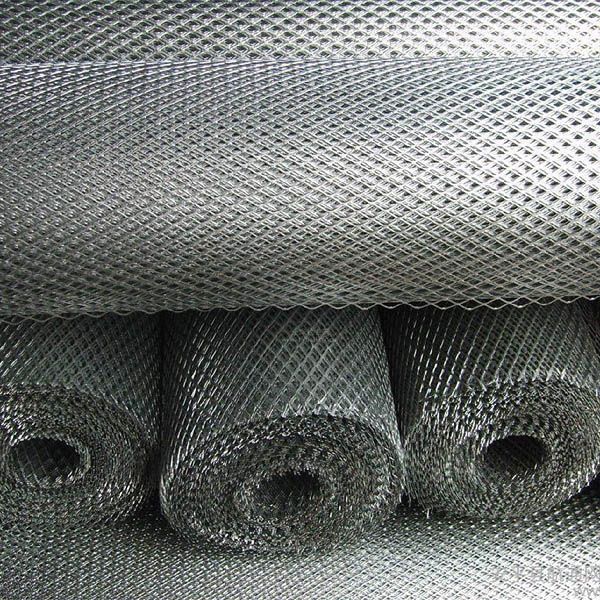
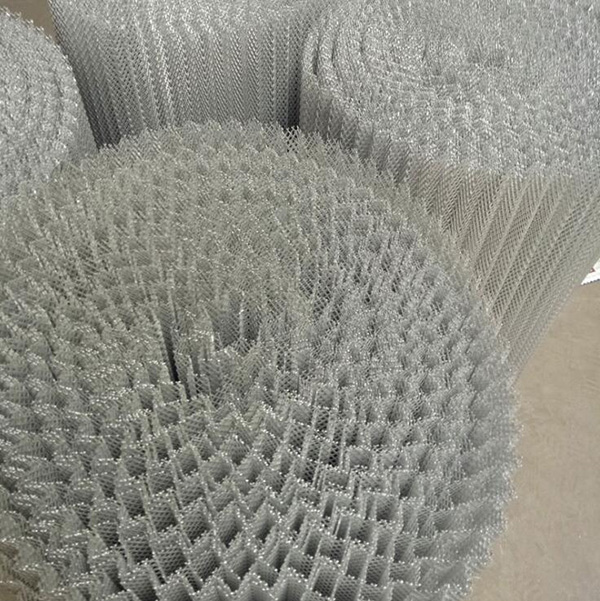
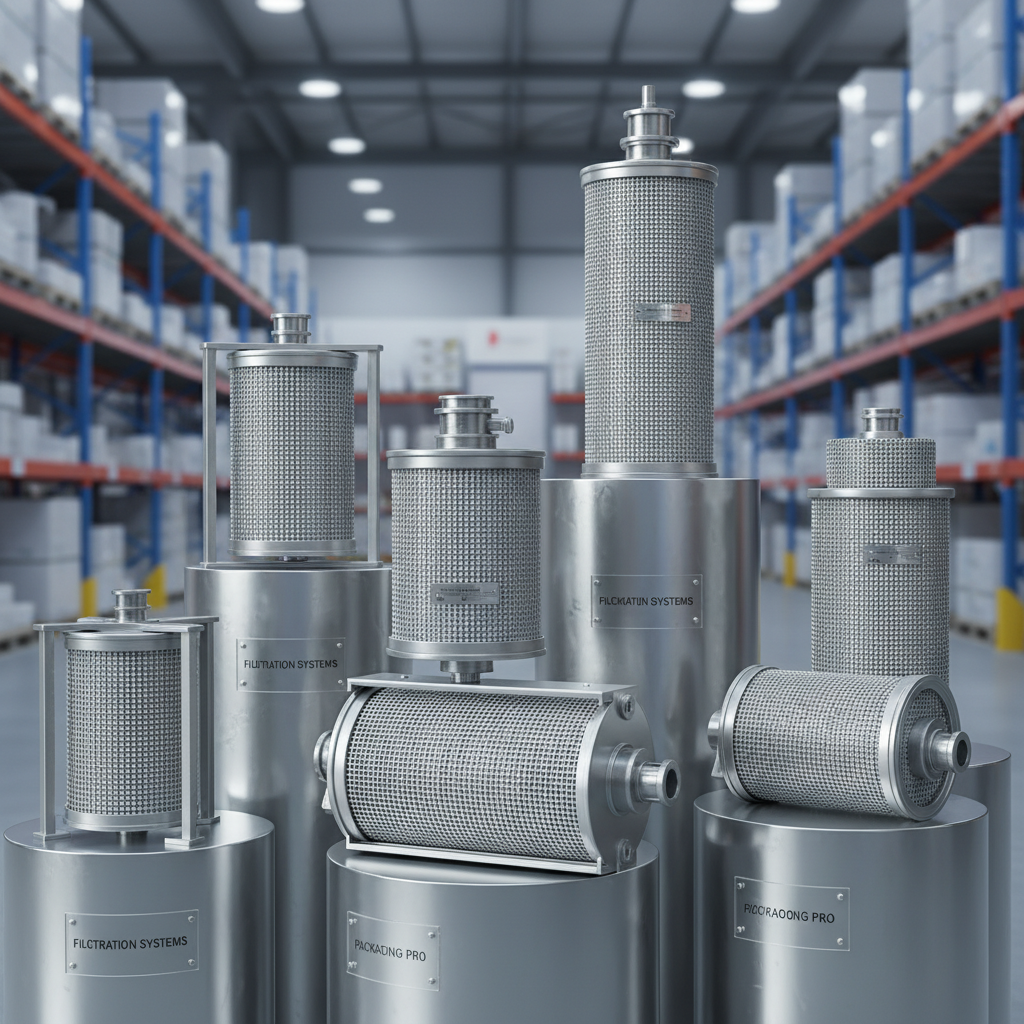
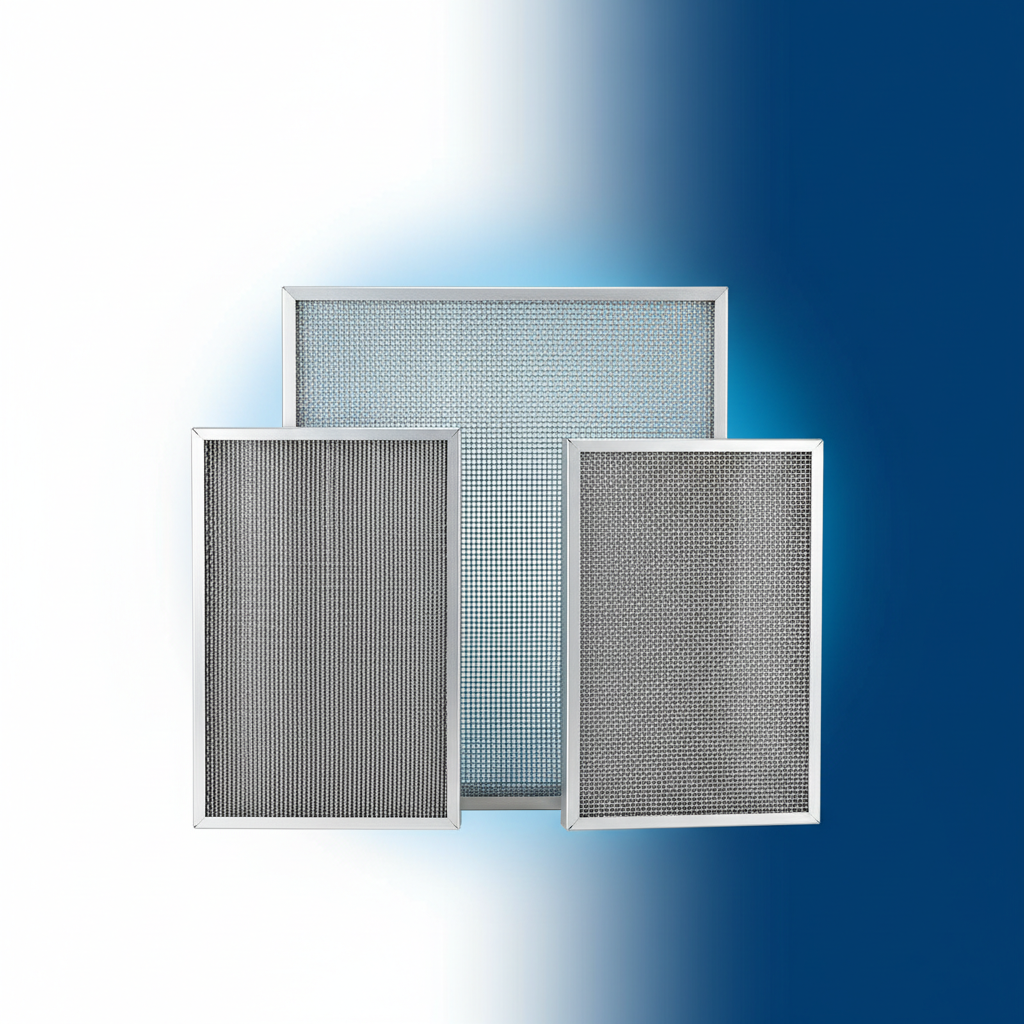
Simply put, metal mesh air conditioner filters are layers of finely woven metal strands—usually stainless steel or aluminum—that trap particles like dust, pollen, and debris from the passing air. Unlike disposable fiberglass or foam filters, metal meshes are washable, reusable, and capable of withstanding high temperatures and humidity without losing structural integrity.
Their connection to modern industry is substantial: from hospitals needing sterile environments to factories combating toxic airborne particles, these filters form a crucial first line of defense. Even humanitarian contexts, such as disaster relief facilities, benefit from the robustness and ease of maintenance that metal mesh filters offer.
Core Components and Key Aspects of Metal Mesh Air Conditioner Filters
Durability
Metal meshes resist tearing, corrosion, and deformation, making them a durable alternative to paper or synthetic filters. This long lifespan translates to fewer replacements and reduced waste—pretty important when you consider the environmental footprint.
Filtration Efficiency
While metal mesh filters might not catch ultrafine particles like HEPA filters do, they perform impressively in capturing larger particulates that cause wear and tear or reduce air quality. Plus, their layers and weave density can be tailored for specific needs.
Ease of Maintenance
The washable nature of these filters means less frequent replacement and low operational cost. A quick rinse or air blow-out can restore performance — a practical feature for large facilities and industrial sites.
Cost Efficiency
Initial costs are generally higher than disposable filters, but over time, savings add up due to low replacement frequency and energy savings from unobstructed airflow.
Environmental Impact
Reusability reduces landfill contributions and resource consumption. Coupled with energy savings due to efficient airflow, these filters contribute to sustainability goals.
Product Specification Table
| Specification | Typical Value | Notes |
|---|---|---|
| Material | Stainless Steel (304 or 316) | Corrosion-resistant alloys preferred |
| Mesh Size | 5–20 Mesh | Higher mesh counts capture smaller particulates |
| Airflow Resistance | Low (0.1–0.3 in W.G.) | Maintains HVAC efficiency |
| Operating Temperature | Up to 300°C | Suitable for industrial HVAC |
| Maintenance Cycle | Every 3–6 months | Depends on environment |
Metal Mesh Air Conditioner Filters in Action: Global Use Cases
Across continents and industries, these filters make a difference. In sprawling data centers in Silicon Valley, metal mesh filters provide reliable pre-filtration to sensitive cooling systems, ensuring servers remain at optimal temperatures without frequent filter swaps. Meanwhile, in Middle Eastern petrochemical facilities, harsh dust storms demand filters capable of enduring abrasion, where disposable filters simply wouldn’t last.
NGOs running temporary medical clinics in Southeast Asia rely on washable filters to maintain indoor air quality despite limited replacement parts access. Even cold storage warehouses in Northern Europe prefer metal mesh filters for their robustness against humid conditions. It’s a quiet but steady presence spanning climates, budgets, and priorities.
Advantages and Lasting Value of Metal Mesh Filters
The value proposition of metal mesh air conditioner filters is multilayered — much like the filters themselves. On one hand, they reduce cost through longevity and easy maintenance; on the other, they promote sustainability by minimizing waste and energy demands. Beyond numbers, there’s a social side: better air quality improves occupant health and comfort, whether in homes, hospitals, or offices.
Emotionally speaking, using such reliable, reusable solutions aligns well with growing corporate responsibility trends. Many engineers and operators feel a certain peace of mind knowing their systems won’t fail mid-season due to clogged filters. You might say it’s a quiet trust in metal woven just right.
The Future of Metal Mesh Air Conditioner Filters: Trends to Watch
Looking ahead, the innovations making waves here often involve new materials and digital integration. For example, nanocoated meshes are emerging that repel oils and microbial growth, cutting down maintenance further. Others incorporate sensor technology to signal cleaning times in real time, fitting neatly into the rise of "smart buildings."
Green energy integration also impacts filter design — lighter, more efficient meshes reduce overall HVAC load, making air conditioning a friendlier partner to solar or geothermal systems. Governments and standards bodies like ISO are pushing air quality regulations tighter, nudging manufacturers to develop even more effective filtering while maintaining eco-conscious production.
Challenges and How Industry Experts Are Tackling Them
Of course, nothing’s perfect. Metal mesh filters sometimes struggle with capturing ultrafine particles, meaning they often must be paired with secondary filtration systems. Also, initial capital costs can be off-putting for small businesses.
To address these, companies are focusing on hybrid filters and scalable modular designs. For example, combining metal mesh pre-filtering with HEPA layers balances cost and performance, while improving overall lifetime value. Training users on effective cleaning techniques also maximizes benefits without damaging filter integrity.
Vendor Comparison: Popular Metal Mesh Filter Providers
| Vendor | Material Quality | Customization | Price Range | Global Reach |
|---|---|---|---|---|
| PureAir Filters | 316 Stainless Steel (High Grade) | Fully Custom Weaves & Sizes | $$$ | North America, Europe |
| FilterTech Global | Aluminum & Stainless Steel Blend | Standard Sizes with Limited Custom Options | $$ | Asia, Middle East |
| EcoMesh Systems | Recycled Stainless Steel | Green-Focused Designs; Moderate Customization | $$ | Europe, Australia |
Frequently Asked Questions About Metal Mesh Air Conditioner Filters
1. How often should metal mesh air conditioner filters be cleaned?
Generally, cleaning every 3 to 6 months keeps filters performing well, but in dusty environments, monthly maintenance might be necessary. Cleaning involves rinsing with water or blowing out dust with compressed air; avoid harsh chemicals to preserve the mesh integrity.
2. Can metal mesh filters capture allergens effectively?
While they trap larger particulates like pollen and dust, metal mesh filters are less efficient at removing ultrafine allergens compared to HEPA filters. For allergy-sensitive environments, pairing metal mesh pre-filters with finer filtration layers is recommended.
3. Are metal mesh filters compatible with all AC systems?
Most systems can accommodate metal mesh filters, especially standard sizes. However, correct sizing and airflow resistance considerations are vital. Consulting with HVAC professionals ensures compatibility and maintains system warranty.
4. Is investing in metal mesh filters cost-effective long-term?
Although the upfront price tends to be higher than disposable filters, their reusability and durability lead to significant savings over time, particularly in commercial and industrial settings with high air filtration demands.
5. How do I choose the right metal mesh filter for my application?
Consider factors like mesh size, material grade, operating environment, and maintenance capabilities. Vendors often provide custom solutions—don't hesitate to communicate your exact needs for better performance and longevity.
Final Thoughts: Why Metal Mesh Air Conditioner Filters Are Here to Stay
If there’s one thing I've noticed, it’s that metal mesh air conditioner filters combine old-school reliability with modern-day needs seamlessly. They’re not always flashy, but in times when sustainable, durable, and cost-saving solutions are priceless, they command attention. From saving energy to improving air quality and reducing waste, these filters quietly anchor the future of HVAC technology.
Ready to upgrade your filtering systems? Visit metal mesh air conditioner filters for tailored solutions engineered to last.
Quick Takeaways
- Metal mesh filters are durable, reusable, and cost-effective alternatives to disposable filters.
- They improve energy efficiency by reducing airflow resistance.
- Widely used in diverse global contexts: industrial, commercial, and humanitarian.
- Future innovations focus on smart monitoring and biotech coatings.
- Pairing with secondary filters enhances fine particle removal.
References
Post time: Nov-27-2025