Why Mesh Wire Filters Matter Across Industries and Beyond
Mesh wire filters might not be the flashiest topic at your next dinner party, but they're quietly indispensable to countless sectors worldwide. From safeguarding water quality in bustling urban centers to protecting sensitive machinery in vast mining operations, understanding mesh wire filters unlocks a deeper appreciation for how modern infrastructure and humanitarian efforts keep running smoothly.
Globally, clean water access, resource optimization, and safety regulations pivot in part around materials like these filters that provide reliable physical separation from contaminants or debris. Whether you’re in manufacturing, environmental management, or emergency response, grasping how mesh wire filters function—and their benefits—has wide-reaching implications.
The Growing Global Significance of Mesh Wire Filters
Look at the data: the World Bank estimates nearly 2.2 billion people worldwide lack safely managed drinking water (World Bank). Industrial demands for cleaner processes and the push towards sustainability amplify the need for effective filtration. The ISO standard 16889 clearly outlines methods for evaluating filter performance – reflecting a global trend toward consistently reliable filtration components.
One notable challenge these filters tackle is particulate contamination in water treatment plants and industrial fluids. Roughly half of pump failures globally can be traced back to poor filtration or blocked screens, hitting bottom lines hard. So, mesh wire filters are on the frontline of preventing costly downtime and health hazards.
What Exactly is a Mesh Wire Filter?
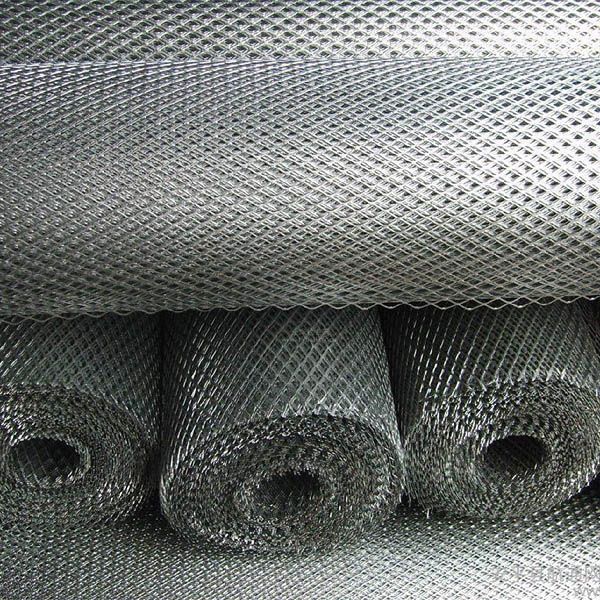
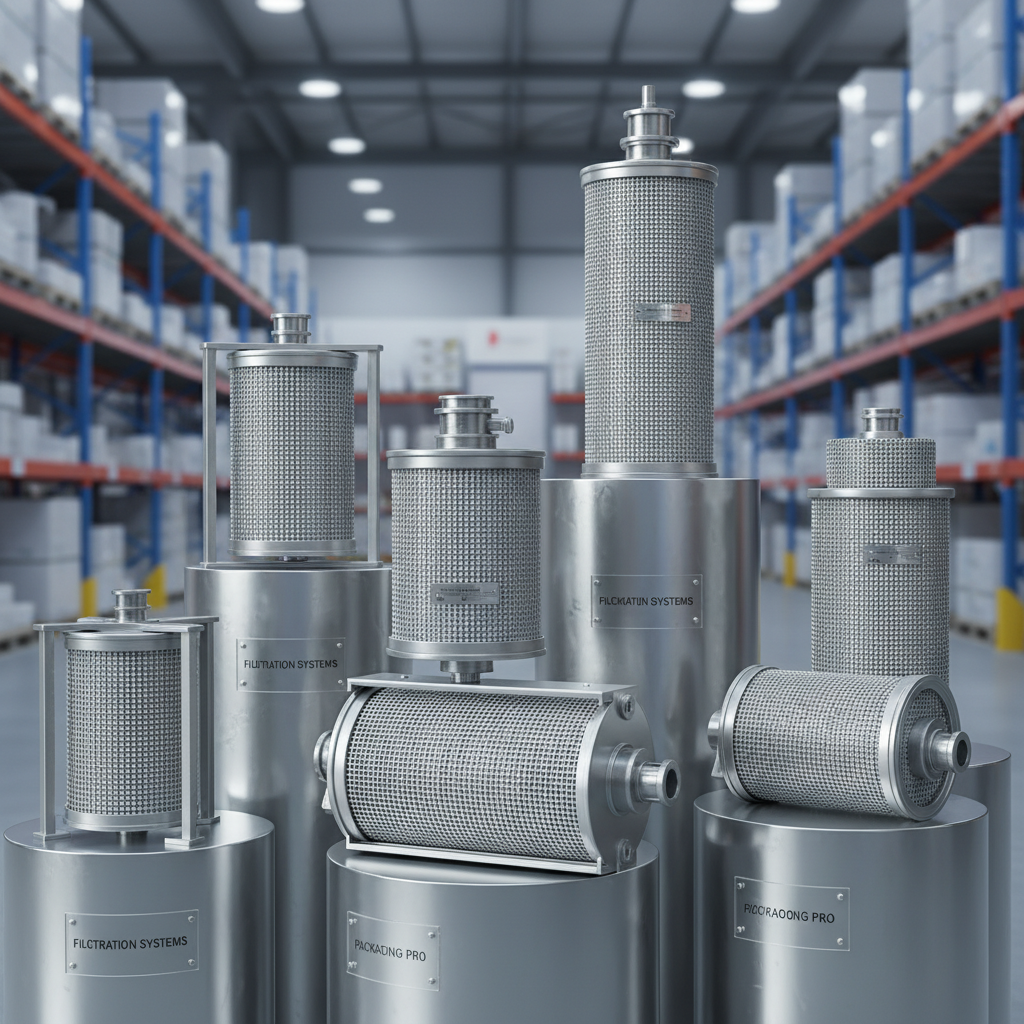
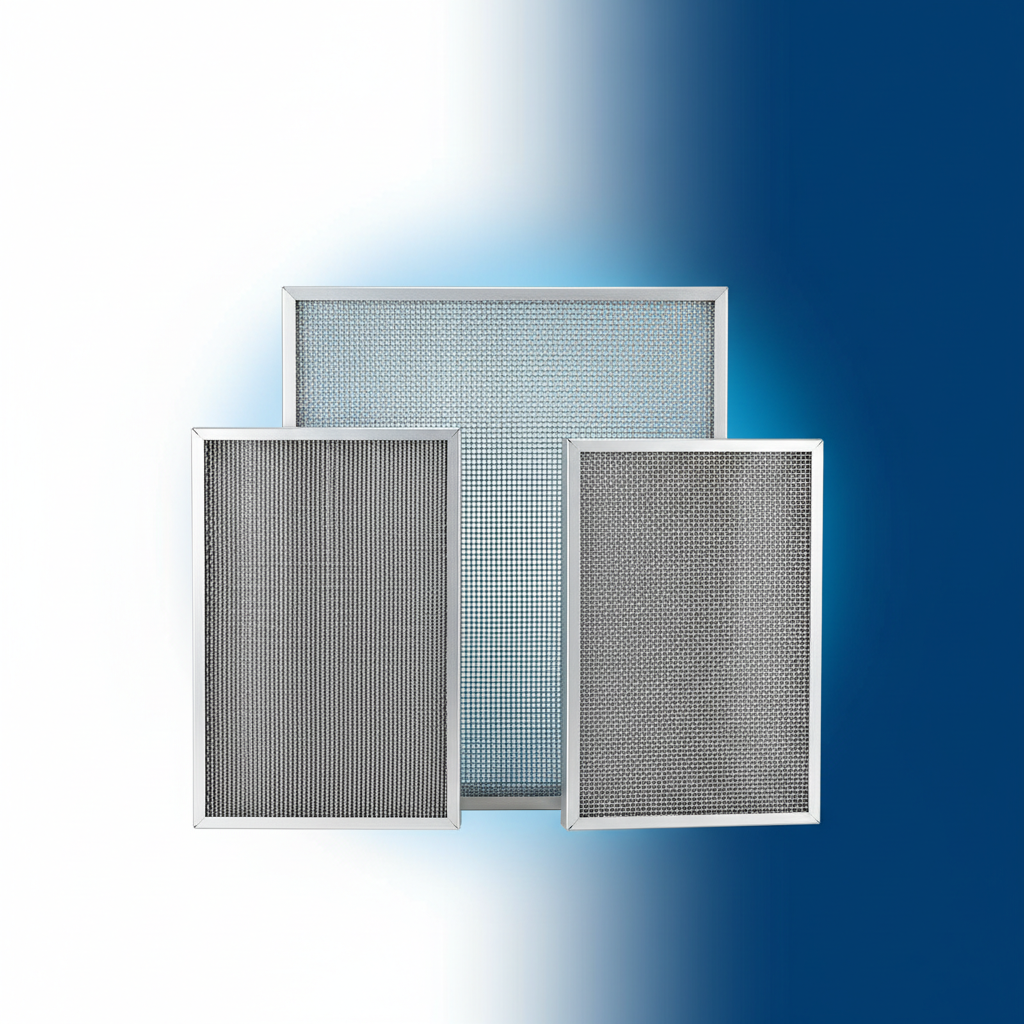
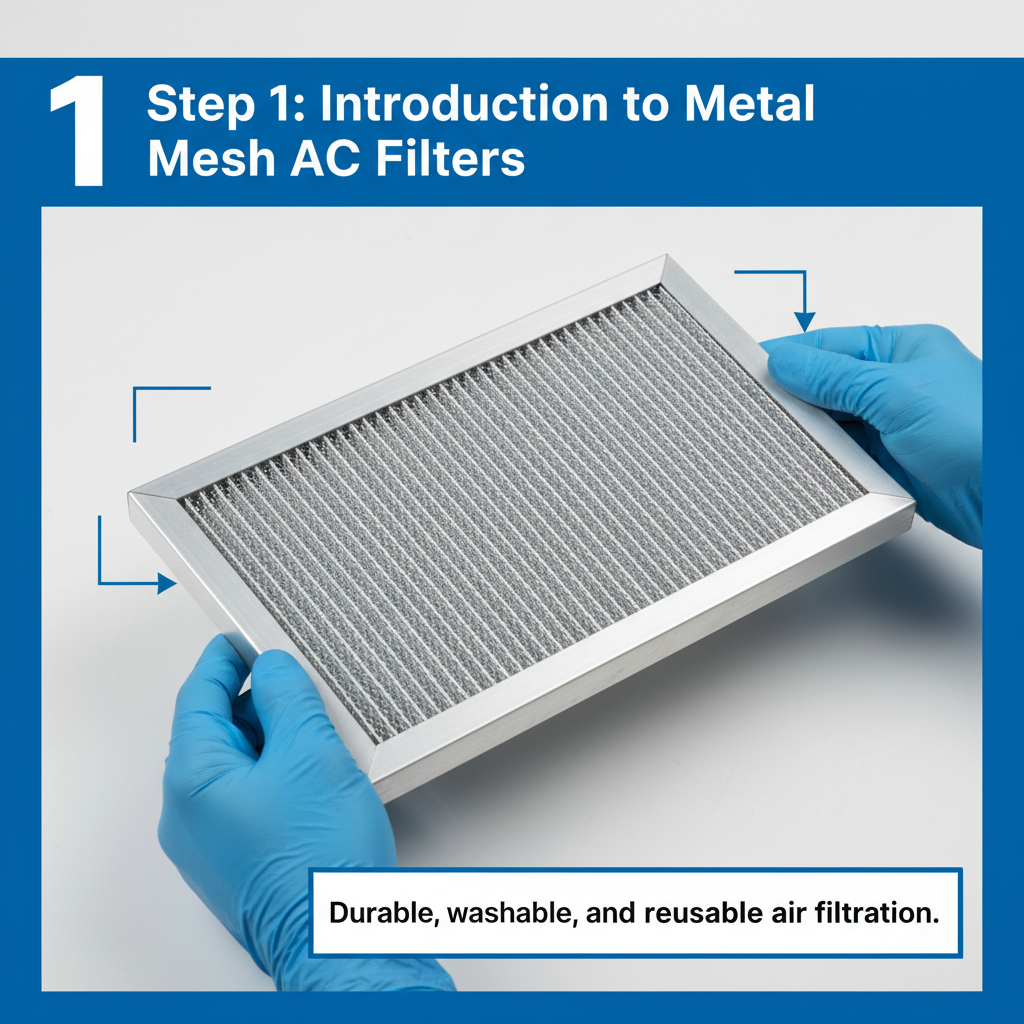
Simply put, a mesh wire filter is a woven or welded metal screen designed to trap unwanted particles while allowing liquids or gases to pass through. Imagine it like a fine sieve made from sturdy metal threads. These filters act as first defenders against contamination in a myriad of settings—from chemical plants to humanitarian water distribution.
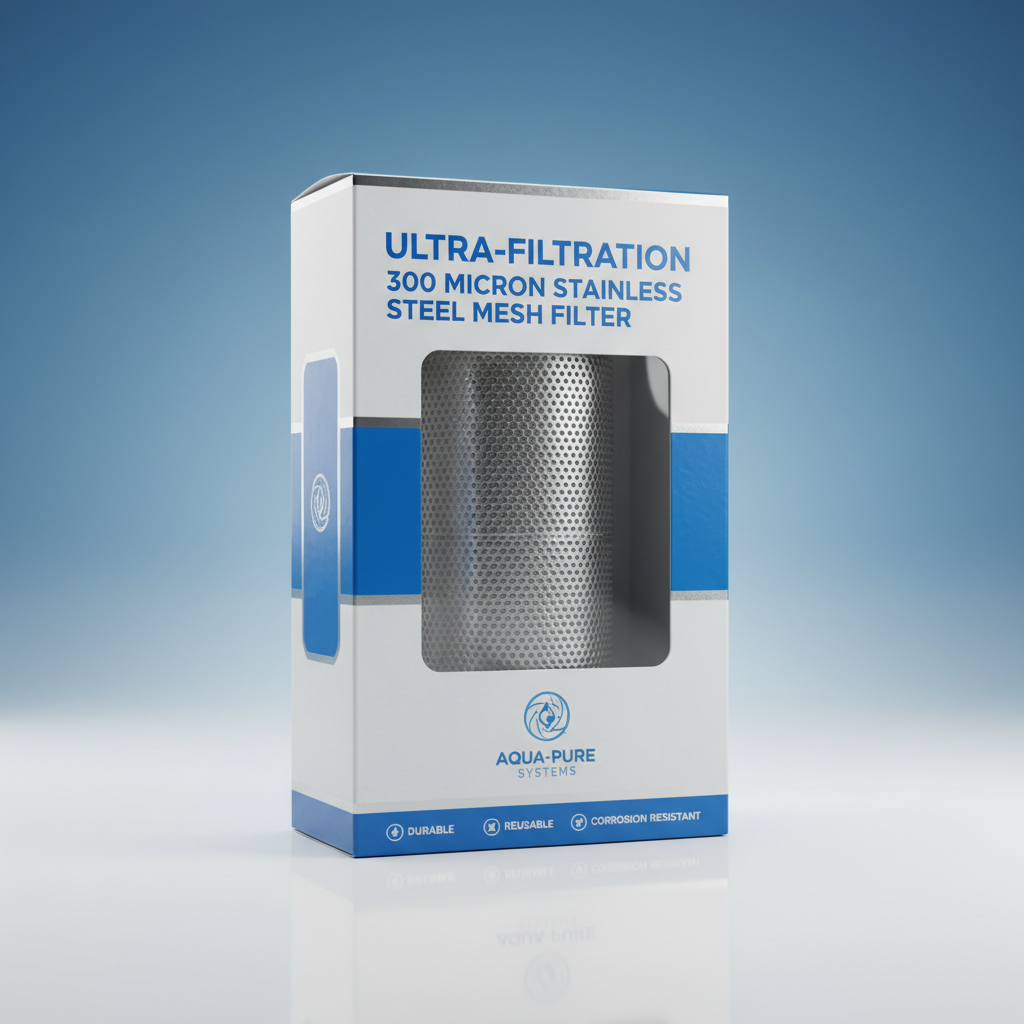
Technically, they’re crafted using durable metals such as stainless steel or galvanized iron, which withstand corrosion and physical strain. Their use isn’t just industrial; in humanitarian circles, mesh wire filters help ensure safe drinking water reaches vulnerable communities by removing pathogens and impurities effectively.
Core Components That Make Mesh Wire Filters a Go-To Choice
1. Durability
These filters feature metals like stainless steel that resist rust and withstand harsh environments. Durability means fewer replacements and lower downtime—a critical economic advantage.
2. Mesh Size and Precision
Mesh sizing varies to suit different particle sizes, from coarse debris to fine sediments. This scalability makes them versatile in filtration roles.
3. Scalability and Customization
Whether a small-scale water filter or a massive industrial mesh, these filters can be tailored to fit unique operational demands, including shape, thickness, and weave pattern.
4. Cost-Effectiveness
Their long lifecycle, combined with low maintenance, often results in better ROI than plastic or disposable filter alternatives—especially in heavy-duty settings.
5. Environmental Resistance
Resistance to chemicals, temperature fluctuations, and physical abrasions makes mesh wire filters ideal in environmentally challenging locations.
6. Ease of Cleaning
Many mesh wire filters can be cleaned and reused, supporting sustainability goals compared to one-time-use filters.
Real-World Uses of Mesh Wire Filters Across the Globe
In Southeast Asia, mesh wire filters help water treatment plants deliver cleaner water to millions. During post-disaster relief, they’re deployed in portable filtration units supporting emergency drinking water solutions. In heavy industries like mining and oil extraction across Africa and South America, mesh filters prevent equipment damage by filtering abrasive particulates before they cause wear.
Organizations such as the UN and WHO highlight the importance of affordable, effective filtration—mesh wire filters often find a home in their emergency kits and infrastructure programs, too.
On the industrial side, manufacturers in Germany and Japan are known for producing high-precision mesh wire filters that serve semiconductor and pharmaceutical industries where contamination tolerance is near zero.
Advantages That Make Mesh Wire Filters a Long-Term Investment
- Cost efficiency: Extended lifespan and reusability reduce replacement costs.
- Sustainability: Durable materials and cleanable designs minimize waste.
- Safety & Reliability: Consistent filtration performance protects people and equipment.
- Flexibility: Custom designs adapt to complex filtration needs.
- Trust & Innovation: Proven tech allows confidence in critical processes.
On the emotional side, these filters give workers peace of mind—knowing that machinery won’t unexpectedly fail or contamination won’t jeopardize health. It’s a bit like the backstage crew running show after show seamlessly; unnoticed but essential.
Looking Ahead: Innovations and Emerging Trends
The future for mesh wire filters is promising. Research into nanocoatings and corrosion-resistant alloys aims to make filters even more durable and effective. Automation in monitoring filter integrity through IoT sensors is beginning to be explored, allowing predictive maintenance and less human error.
On the sustainability front, the integration of recycled metals and greener manufacturing processes aligns mesh filters with circular economy goals. Digital transformation is even nudging traditional filter suppliers toward data-driven customization and rapid prototyping to meet exacting client specifications faster than before.
Challenges in Current Practice and Expert Solutions
Not everything is smooth sailing for mesh wire filters. Challenges include clogging in high-debris environments and limitations in filtering extremely fine particles. Cleaning frequency can be labor-intensive, and in certain applications, filter lifespan is taxed by abrasive particulates.
Experts recommend pre-filtration stages to ease the load on mesh filters and the use of ultrasonic cleaning to keep the mesh pristine. Advances in hybrid filtration systems—combining mesh with other media—show promise for tackling fine particulate challenges.
Practical FAQ: What People Ask About Mesh Wire Filters
- Q: How do I choose the right mesh size for my filtration needs?
A: Consider the particle size you need to block. Suppliers usually provide mesh size ratings. Match the mesh opening to smaller than your smallest unwanted particle for effective filtration. - Q: Can mesh wire filters be used in food processing industries?
A: Absolutely. Stainless steel mesh filters are common in food and beverage sectors because they resist corrosion and are easy to sanitize, meeting strict hygiene standards. - Q: How often should mesh wire filters be cleaned?
A: It depends on usage and debris levels. Industrial filters might require weekly cleaning, while low-debris settings could stretch to monthly. Monitoring performance indicators like flow rate helps guide cleaning intervals. - Q: Are there options for customizing mesh wire filters?
A: Yes! Many vendors offer custom mesh weaves, sizes, and frame shapes tailored to your operational environment and filtration goals. - Q: What’s the lifespan of a typical mesh wire filter?
A: Lifespan varies by environment but generally ranges from 3 to 10 years due to durable metals and proper maintenance.
Specification Table of a Common Mesh Wire Filter
| Feature | Specification |
|---|---|
| Material | 304 Stainless Steel |
| Mesh Opening Size | 150 Microns (100 mesh) |
| Wire Diameter | 0.1 mm |
| Max Operating Temperature | 550 °C |
| Max Pressure | 10 bar |
| Dimensions | Customizable up to 2m x 2m |
Comparison of Leading Mesh Wire Filter Vendors
| Vendor | Specialty | Material Options | Customization Level | Typical Industries Served |
|---|---|---|---|---|
| SteelMesh Co. | High-temp-resistant filters | 304 & 316 Stainless Steel | Full mesh size, frame design | Chemical, Petrochemical |
| AquaFilter Ltd. | Water treatment and emergency kits | Galvanized Steel, Stainless Steel | Standard and custom sizes | Municipal, Humanitarian |
| Precision Mesh Solutions | Ultra-fine precision filters | Stainless Steel, Nickel Alloys | Highly customizable weaves | Pharmaceutical, Electronics |
Wrapping Up: Why Mesh Wire Filters Still Deserve Your Attention
It feels a little strange to celebrate something as unassuming as mesh wire filters, but their wide utility, economic advantages, and environmental benefits make this a topic worth knowing about. When you recognize the filters quietly making processes safer and more sustainable—from municipal water treatment to life-saving aid—we appreciate how innovation in even the simplest parts matters.
If you want to dive deeper into mesh wire filters or explore solutions tailored for your industry, do visit our site: https://www.anyafiltermedia.com. You might just find the customizable filter that keeps your projects flowing smoothly for years to come.
References
Post time: Nov-27-2025